HGE39 and HGE39A Pompeii. Herculaneum Gate East Side. Tomb of the Cei (Kockel)?
Nameless tomb (Eschebach). (Eschebach
East 39, Kockel Nord 39).
According to Kockel, on the 20th April 1813 a marble plaque with remains of stucco on the edges was found at the side of the tomb.
He attributes it to HGE39. It had the inscription
L CEIO L F MEN LABEONI
ITER D V I D
QVINQ
MENOMACHVS L
A second marble plaque contained the inscription
CEIAE L F VXOR
Also found were three stele in herm form with inscriptions
L CEIVS COM
MVNIS
L CEIVS L L
LVCIFER
LVCCEIA IANVARIA
According to Epigraphik-Datenbank Clauss/Slaby (See www.manfredclauss.de) these read
L(ucio) Ceio
L(uci) f(ilio) Men(enia) Labeoni
iter(um)
d(uum)v(iro) i(ure) d(icundo) quinq(uennali)
Menomachus
l(ibertus) [CIL X 1037]
Ceiae L(uci)
f(iliae) uxor[i..] [CIL X 1038]
L(ucius) Ceius
Com
munis [CIL X 1039]
L(ucius) Ceius L(uci) l(ibertus
Lucifer / [ [CIL X 1040]
Lucceia
Ianuaria [CIL X 1022]
Both plaques are now in Naples Archaeological Museum.
See Kockel V., 1983. Die Grabbauten vor dem Herkulaner Tor in Pompeji. Mainz: von Zabern. p. 176-7.
![HGE39 Pompeii. According to Kockel, on the 20th April 1813 a marble plaque with remains of stucco on the edges was found at the side of the tomb.
He attributes it to HGE39. It had the inscription
L CEIO L F MEN LABEONI
ITER D V I D QVINQ
MENOMACHVS L
According to Epigraphik-Datenbank Clauss/Slaby (See www.manfredclauss.de) this read
L(ucio) Ceio L(uci) f(ilio) Men(enia) Labeoni
iter(um) d(uum)v(iro) i(ure) d(icundo) quinq(uennali)
Menomachus l(ibertus) [CIL X 1037]](tombs%20hge39_files/image002.jpg)
HGE39 Pompeii. According to Kockel, on the 20th April 1813 a marble plaque with remains of stucco on the edges was found at the side of the tomb.
He attributes it to HGE39. It had the inscription
L CEIO L F MEN LABEONI
ITER D V I D QVINQ
MENOMACHVS L
According to Epigraphik-Datenbank Clauss/Slaby (See www.manfredclauss.de) this read
L(ucio) Ceio L(uci) f(ilio) Men(enia) Labeoni
iter(um) d(uum)v(iro) i(ure) d(icundo)
quinq(uennali)
Menomachus l(ibertus) [CIL X 1037]
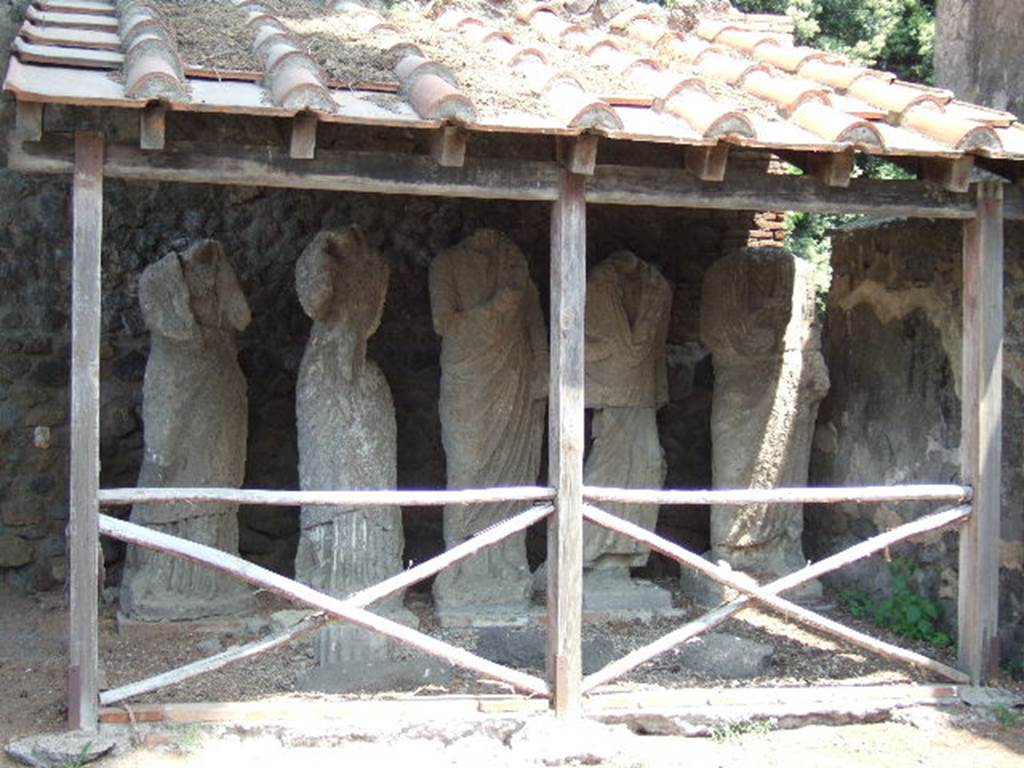
HGE39 Pompeii. May 2006. Front of tomb with statues in storage.
According to Kockel some of these statues certainly belonged to HGE39.
However, no accurate finding reports are available so this cannot be shown for certain.
See Kockel V., 1983. Die Grabbauten vor dem Herkulaner Tor in Pompeji. Mainz: von Zabern. (p. 177, Taf. 63).
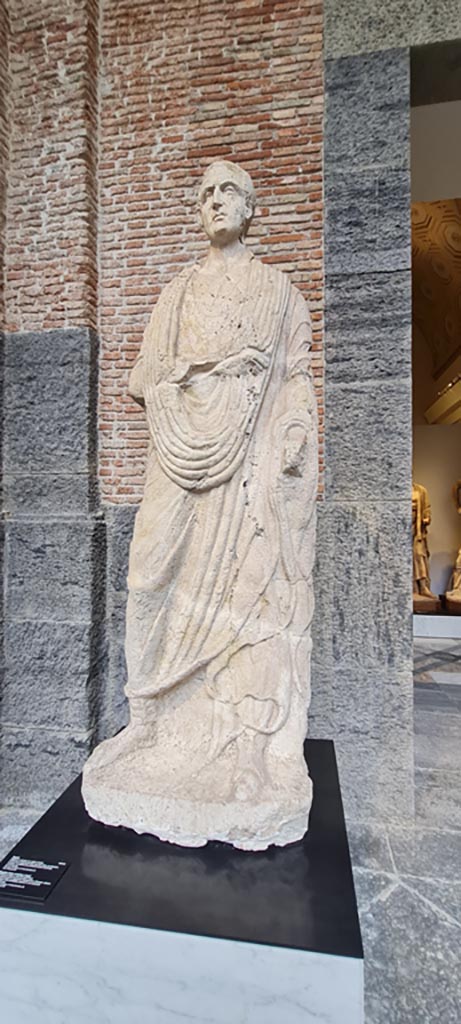
Statue, (inv. 249146) perhaps from Herculaneum Gate tombs.
Now on display in “Campania Romana” gallery in Naples Archaeological Museum.
Photo courtesy of
Giuseppe Ciaramella.
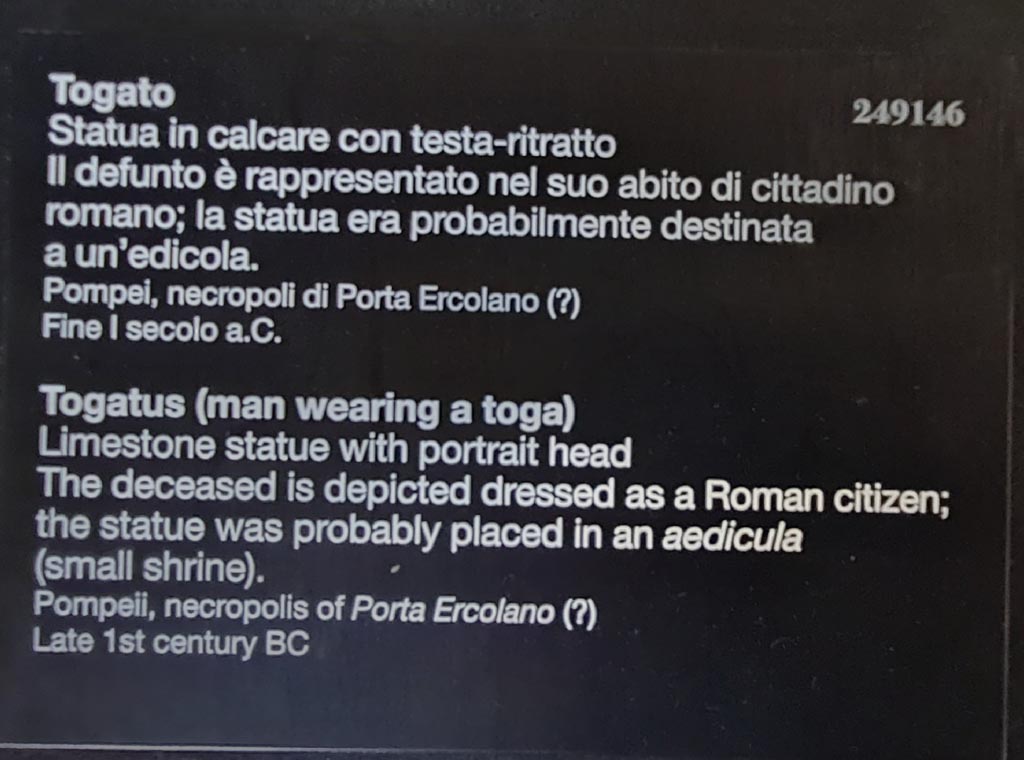
Descriptive card for
inv. 249146 from “Campania Romana” gallery in Naples Archaeological Museum. Photo
courtesy of Giuseppe Ciaramella.
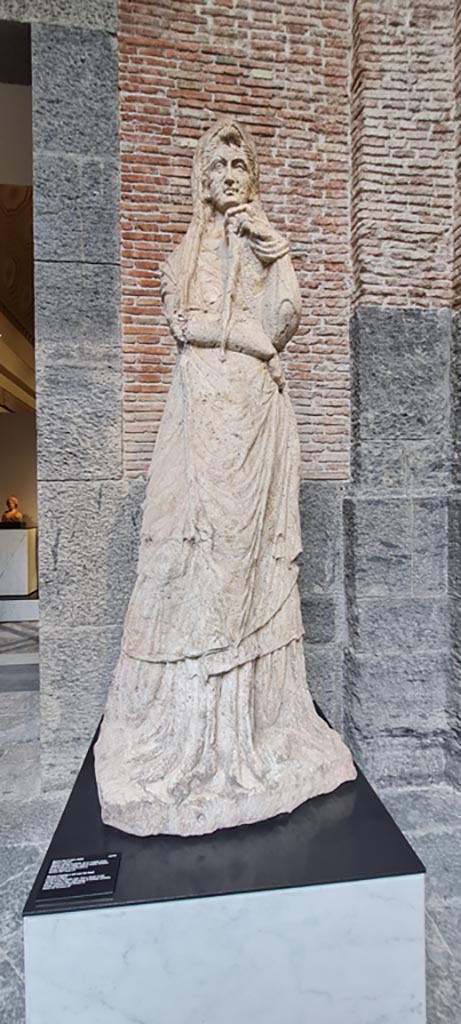
HGE39 Pompeii. April 2023.
Statue of a woman with a veil over her head, (inv. 243736) perhaps from Herculaneum Gate tombs.
Now on display in “Campania Romana” gallery in Naples Archaeological Museum.
Photo courtesy of Giuseppe Ciaramella.
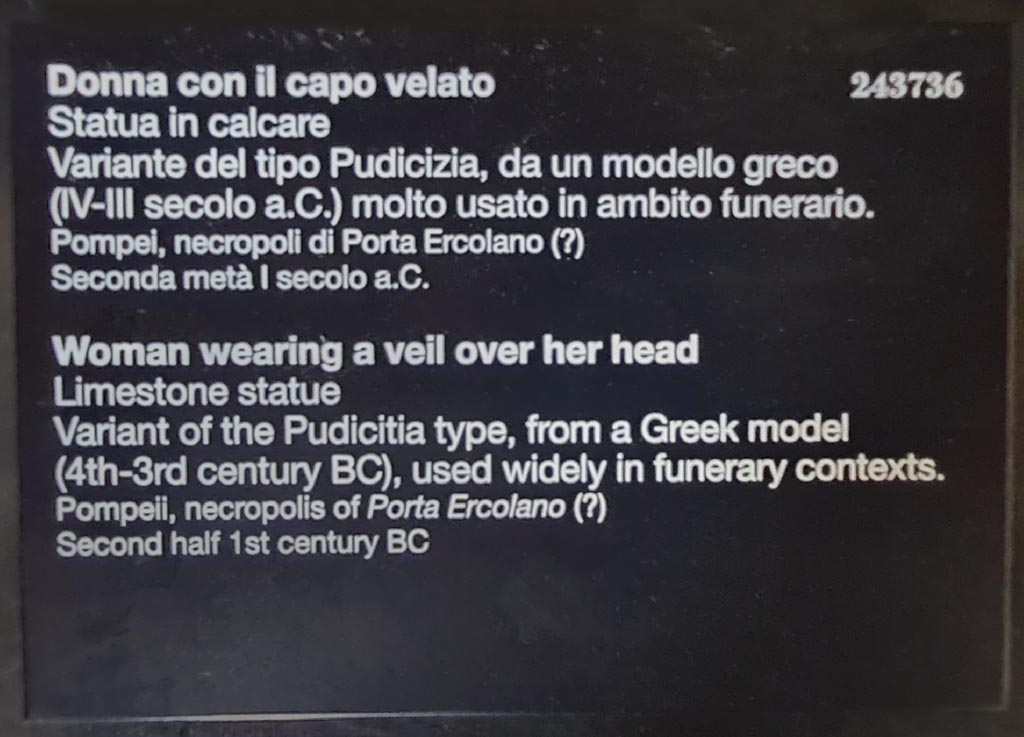
Descriptive card for inv. 243736 from
“Campania Romana” gallery in Naples Archaeological Museum. Photo courtesy of Giuseppe Ciaramella.
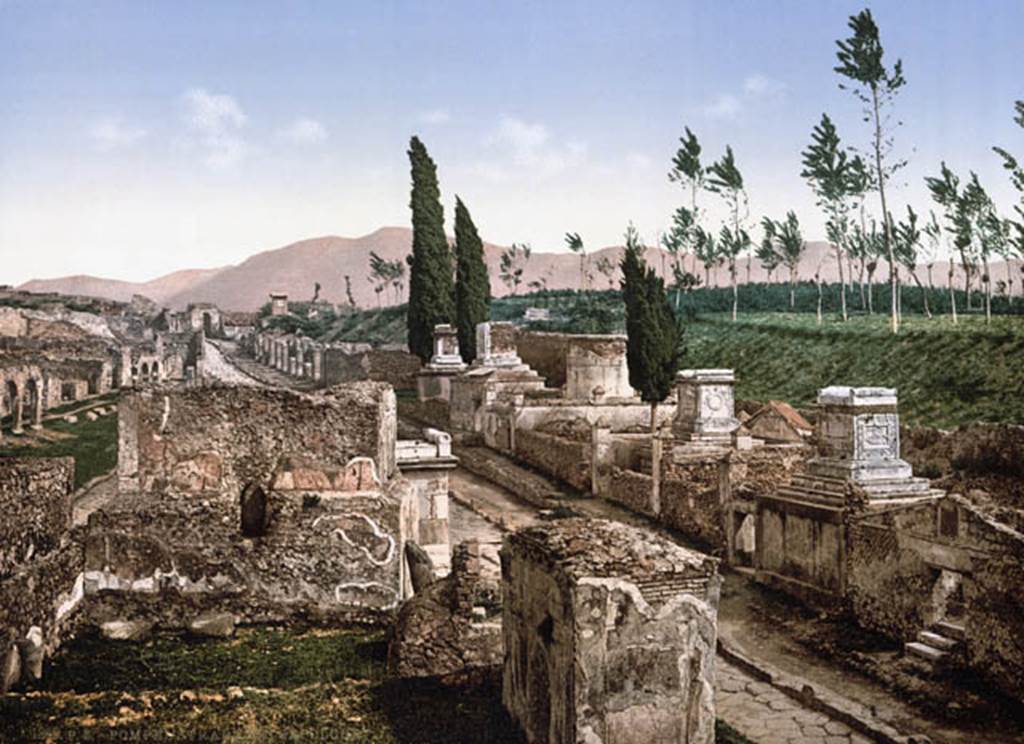
HGE39 Pompeii. Postcard c.1900. Looking along Via dei Sepolcri across front of HGE39.Photo courtesy of Drew Baker.
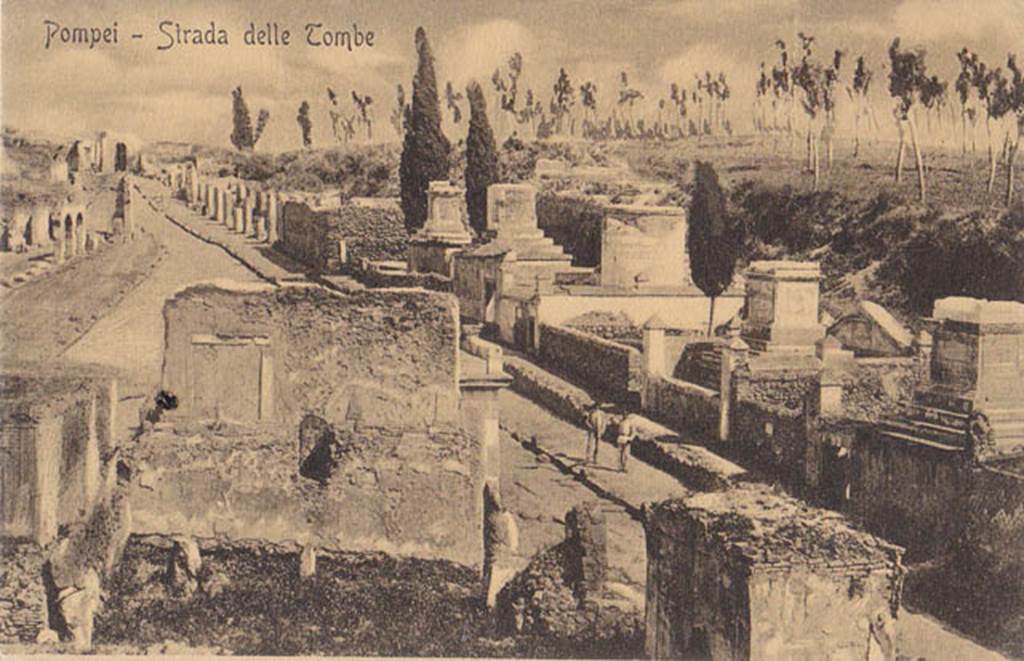
HGE39 Pompeii. Old postcard, looking along Via dei Sepolcri across front of HGE39. Photo courtesy of Drew Baker.
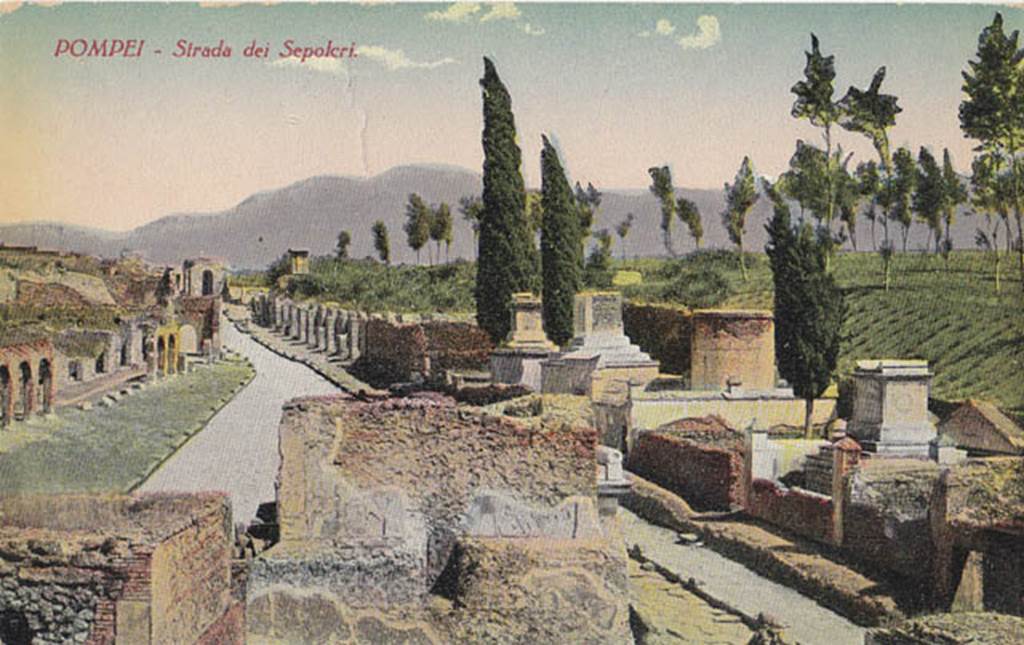
HGE39 Pompeii. Old postcard. Looking along Via dei Sepolcri with the front of HGE39 at bottom left. Photo courtesy of Drew Baker.
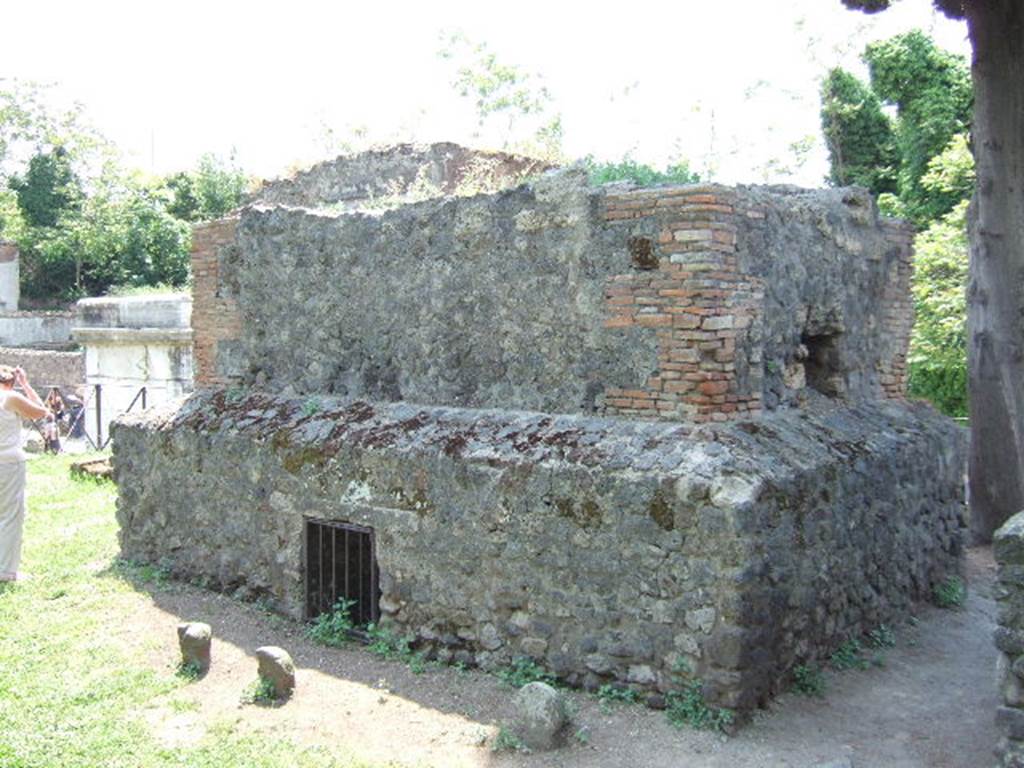
HGE39 Pompeii. May 2006. North side.
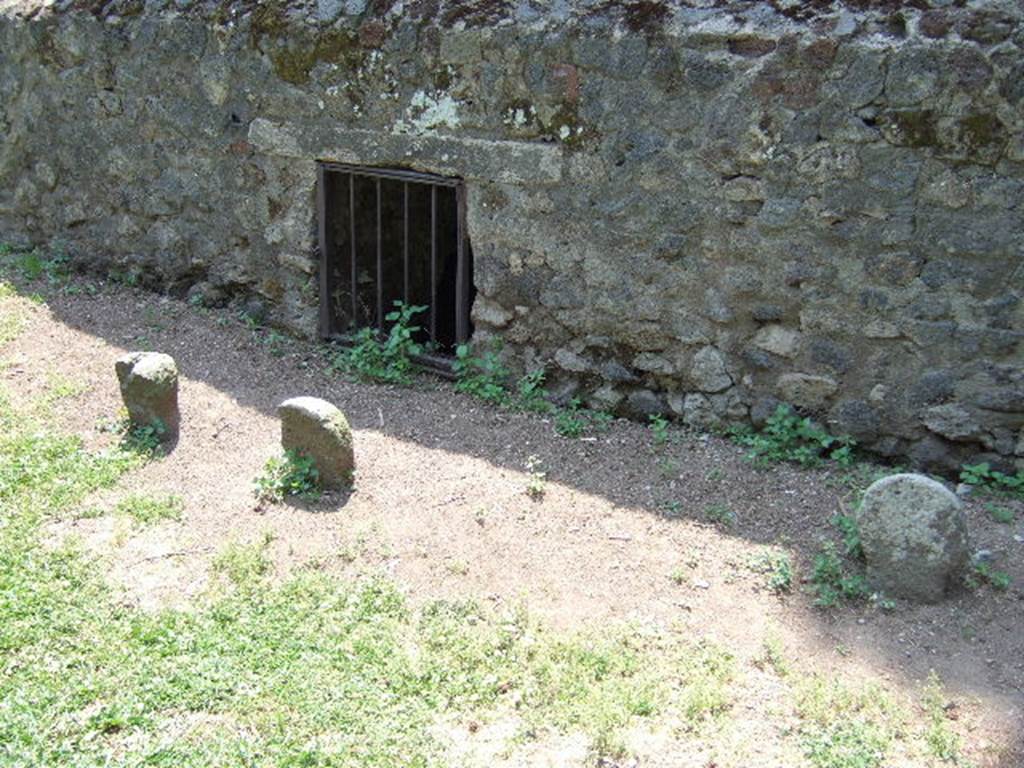
HGE39 Pompeii. May 2006. Cippi in front of doorway in north wall.
![HGE39 Pompeii. Cippus of L. Ceius L. L. Lucifer.
SAP inventory number 31227.
According to the Epigraphic Database Roma this reads:
L(ucius) Ceius L(uci) l(ibertus)
Lucifer
------? [CIL X, 1040]](tombs%20hge39_files/image019.jpg)
HGE39 Pompeii. Cippus of L. Ceius L. L. Lucifer.
SAP inventory number 31227.
According to the Epigraphic Database Roma this reads:
L(ucius) Ceius
L(uci) l(ibertus)
Lucifer
------? [CIL
X, 1040]
![HGE39 Pompeii. Cippus of LVCCEIA IANVARIA.
SAP inventory number 34234.
According to the Epigraphic Database Roma this reads:
Lucceia Ianuaria [CIL IV 1022]](tombs%20hge39_files/image020.jpg)
HGE39 Pompeii. Cippus of LVCCEIA IANVARIA.
SAP inventory number 34234.
According to the Epigraphic Database Roma this reads:
Lucceia Ianuaria
[CIL IV 1022]
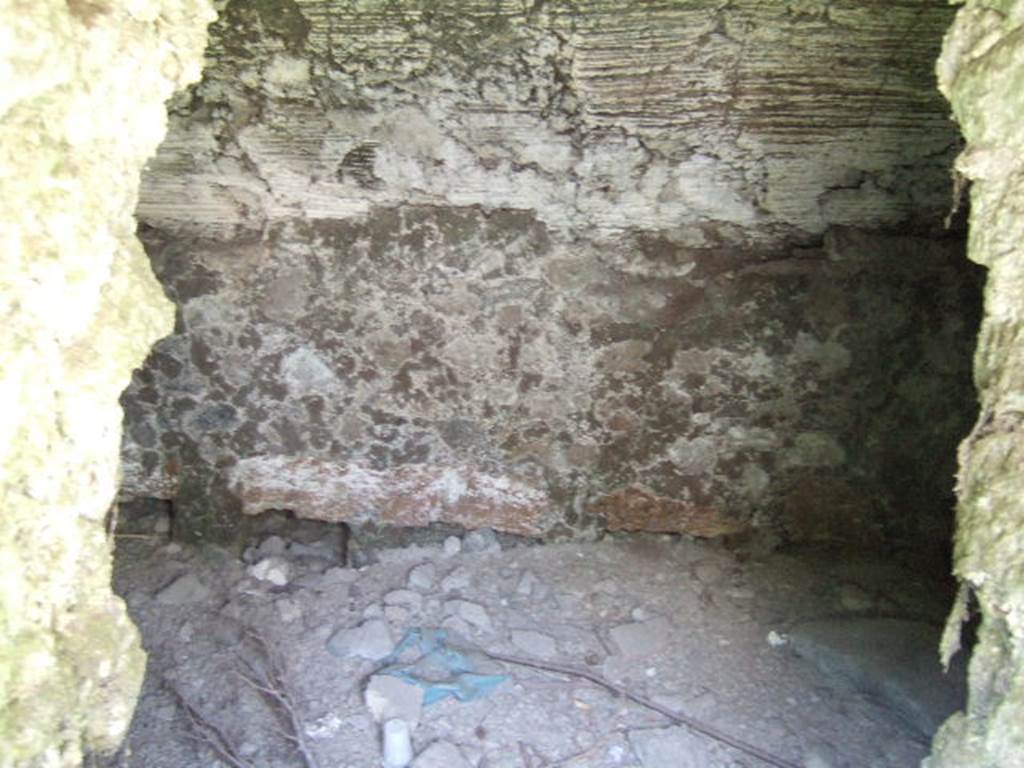
HGE39 Pompeii. May 2006. Looking through doorway into tomb.
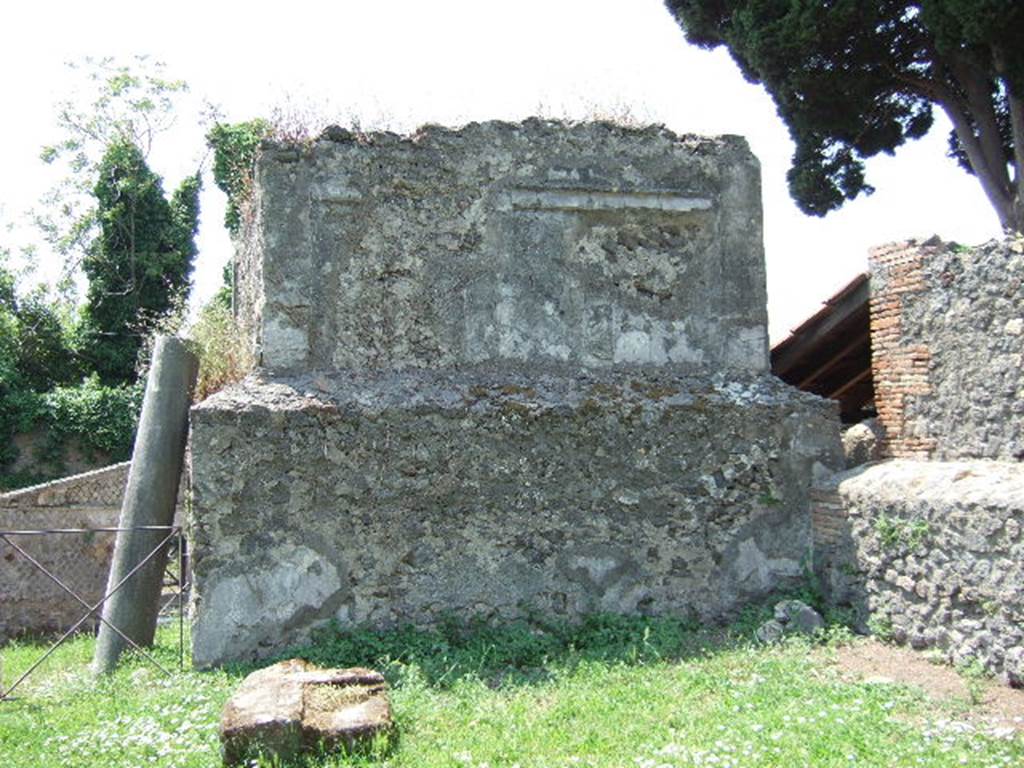
HGE39A Pompeii. May 2006. Looking towards rear of HGE38.
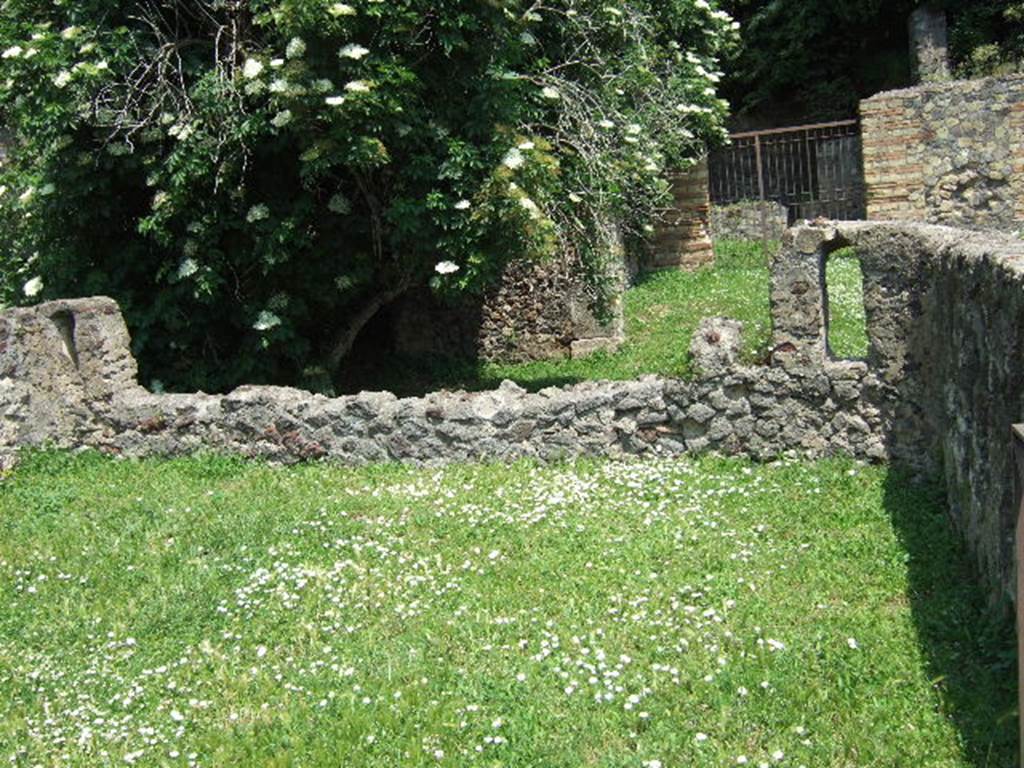
HGE39A Pompeii. May 2006. Looking north.
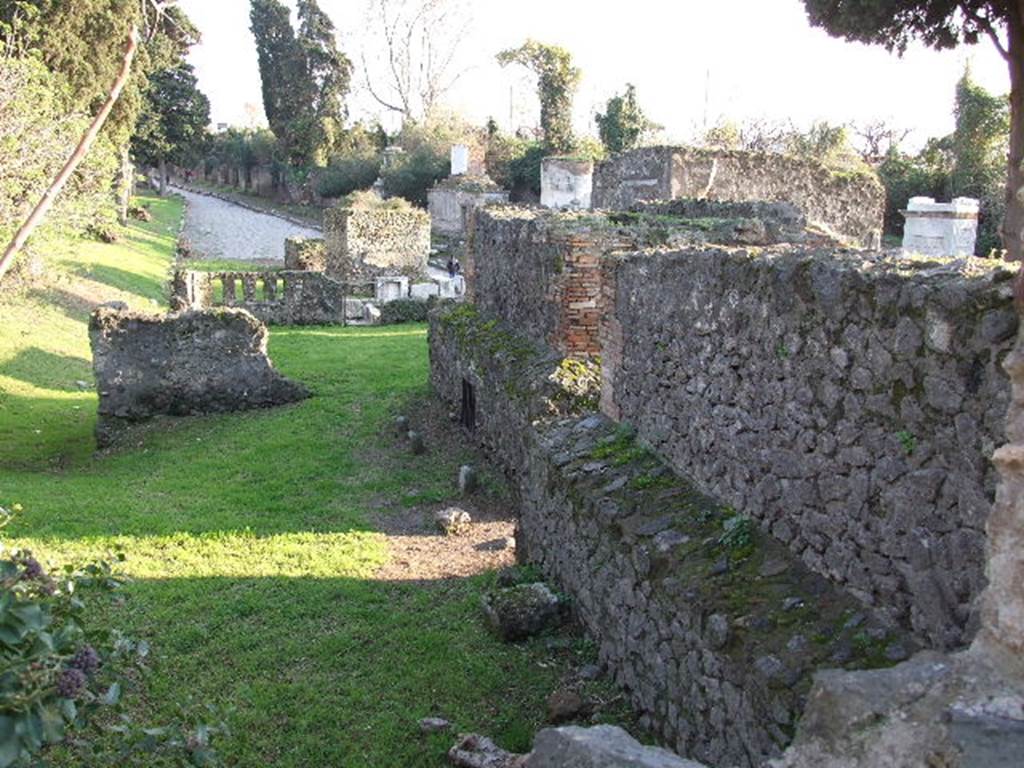
HGE39A Pompeii. December 2006. Looking east along north side of HGE43 and HGE39 to HGE39A.
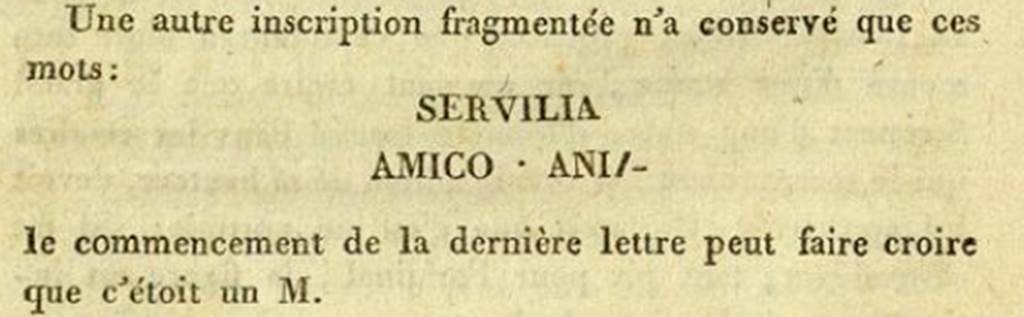
HGE39 Pompeii. Found on 8th May 1813 was a fragment of an inscription with the words SERVILIA AMICO ANIM.
This led to the tomb being also referred to as the Tomb of Servilia.
See Clarac F. de, 1813. Fouille faite à Pompei en présence de S. M. la Reine des Deux Siciles, le 18 Mars 1813. (p. 44).
In February 2011 Dr Peter Kruschwitz and Virginia Campbell from the University of Reading, UK, identified the piece as being part of the HGE34 tomb tablet.
This added the name of Servilia, the wife of Lucius and the tablet now translates as -
‘Lucius Caltilius Pamphilus, freedman of Lucius, member of the Collinian tribe, for his wife Servilia, in a loving spirit.'
The tablet is now in Naples Archaeological Museum.
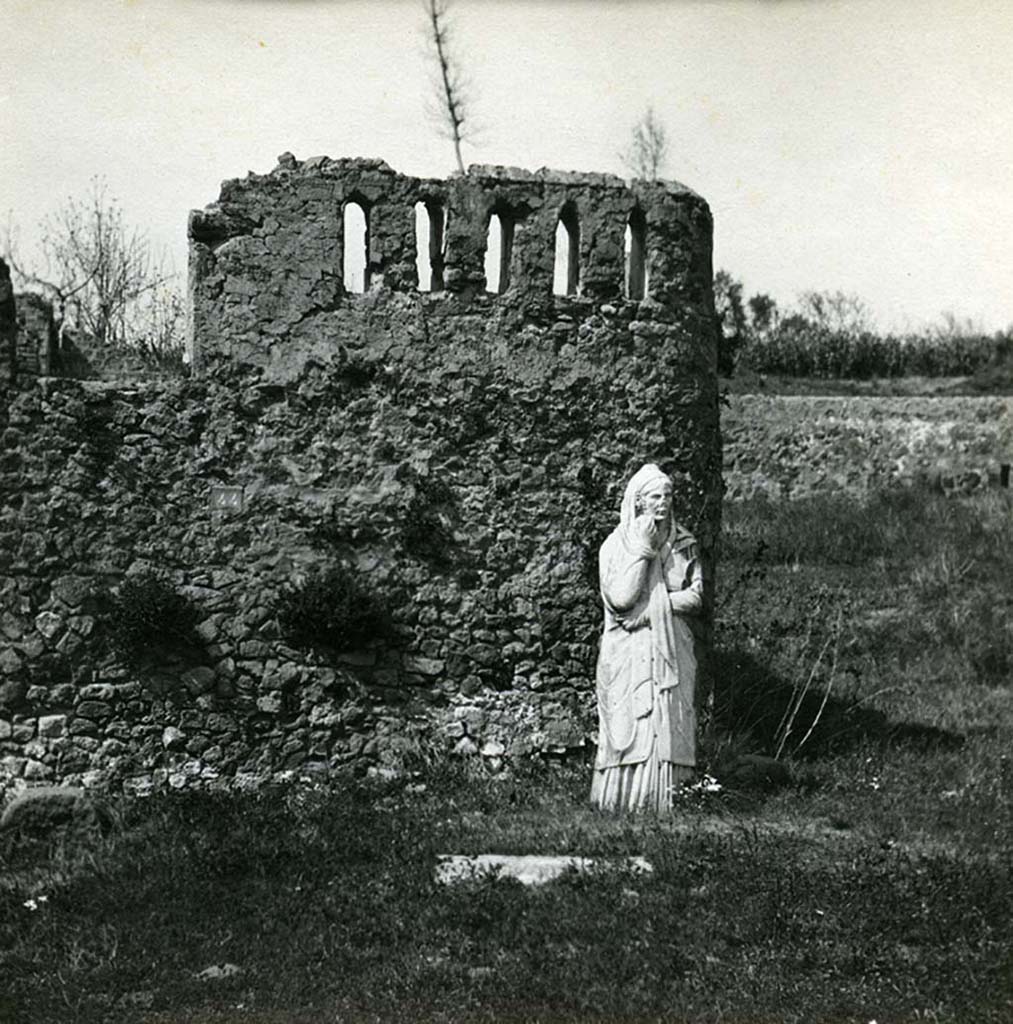
HGE39a, Pompeii. 1900-1930. Statue of woman, in front of HGE39a,
and at rear of HGE36.
The original statue can be seen stored in VII.7.29.
Photo by Esther Boise Van Deman (c) American Academy in Rome.
VD_Archive_Ph_233.
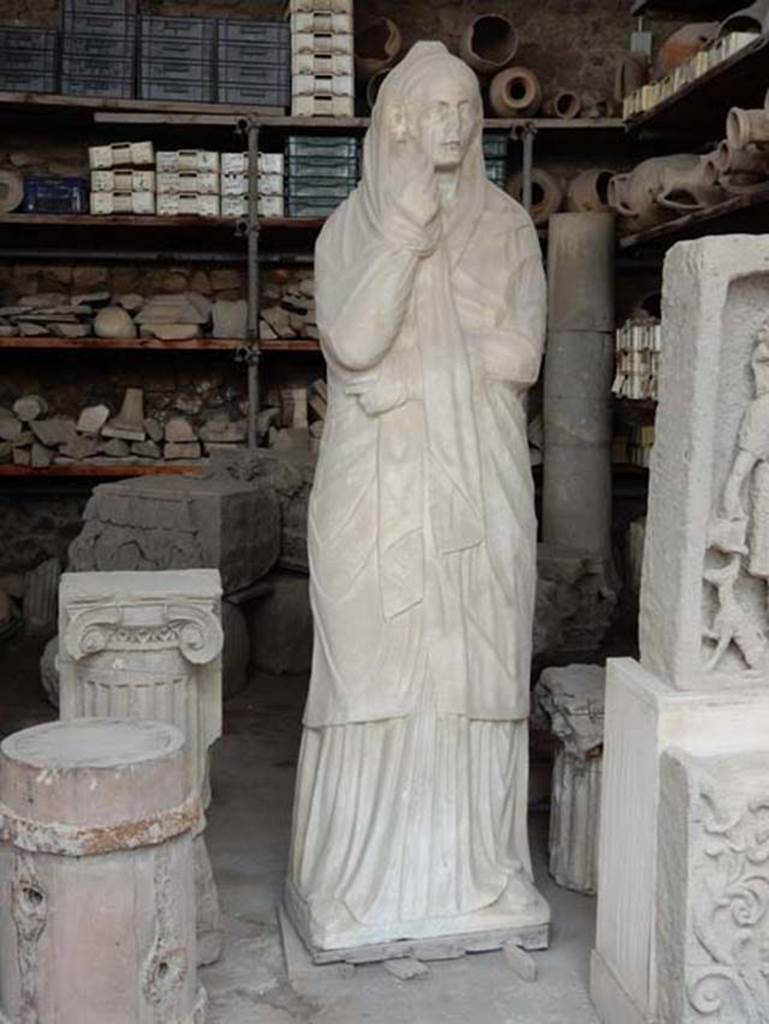
HGE39a Pompeii. May 2015.
Statue from tomb in storage at VII.7.29. Photo courtesy of Buzz Ferebee.