IX.1.12
Pompeii. House. Excavated 1856. (Strada Stabiana 83).
Part 2 Part 1
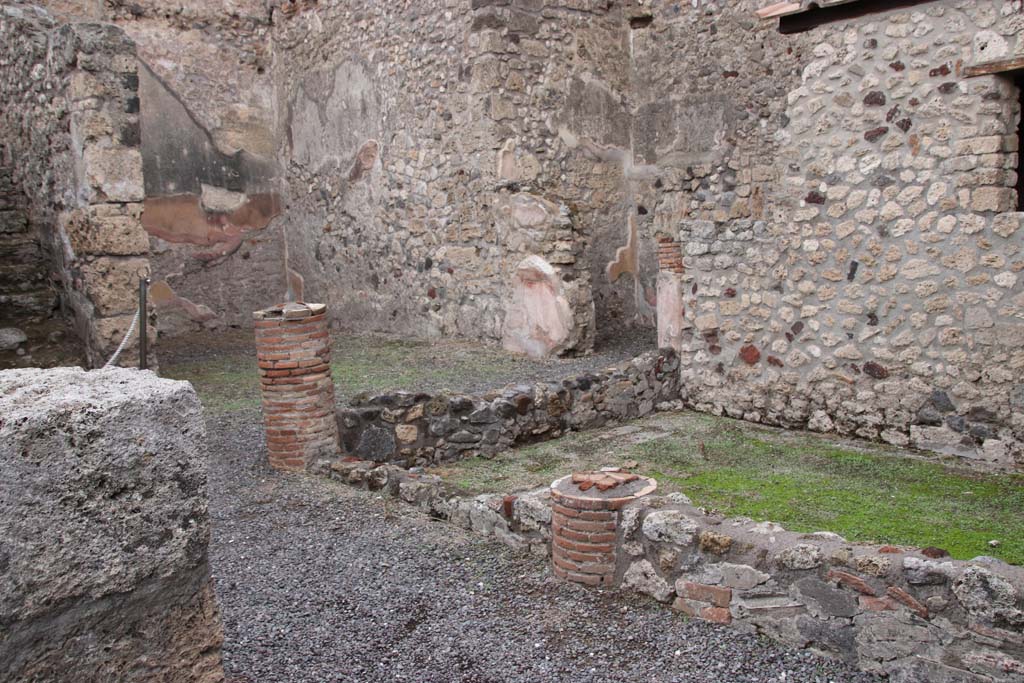
IX.1.12 Pompeii. October 2020.
Looking north-east across peristyle area, from west portico near room with stairs. Photo courtesy of Klaus Heese.
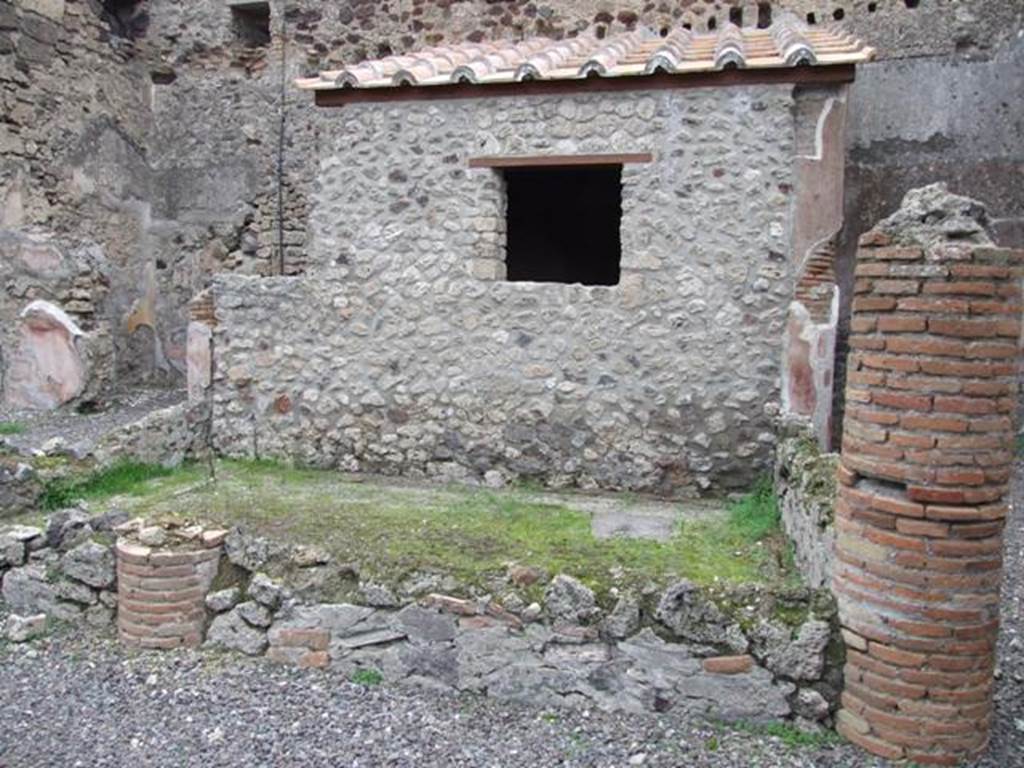
IX.1.12 Pompeii. December 2007. Looking east across peristyle area, from west portico near room with stairs.
A fragment of wall plaster with graffito of gladiators was found from a wall in this peristyle.
It showed on a faded red background, a scene of violent gladiatorial combat.
The two combatants, both wounded, throw away the shields and fight hand-to-hand.
It was detached from the wall and is now held in the Pompeii storerooms. Inventory number: 20562.
See IBM Catalogue, 1990-92. Rediscovering Pompeii. (p.155).
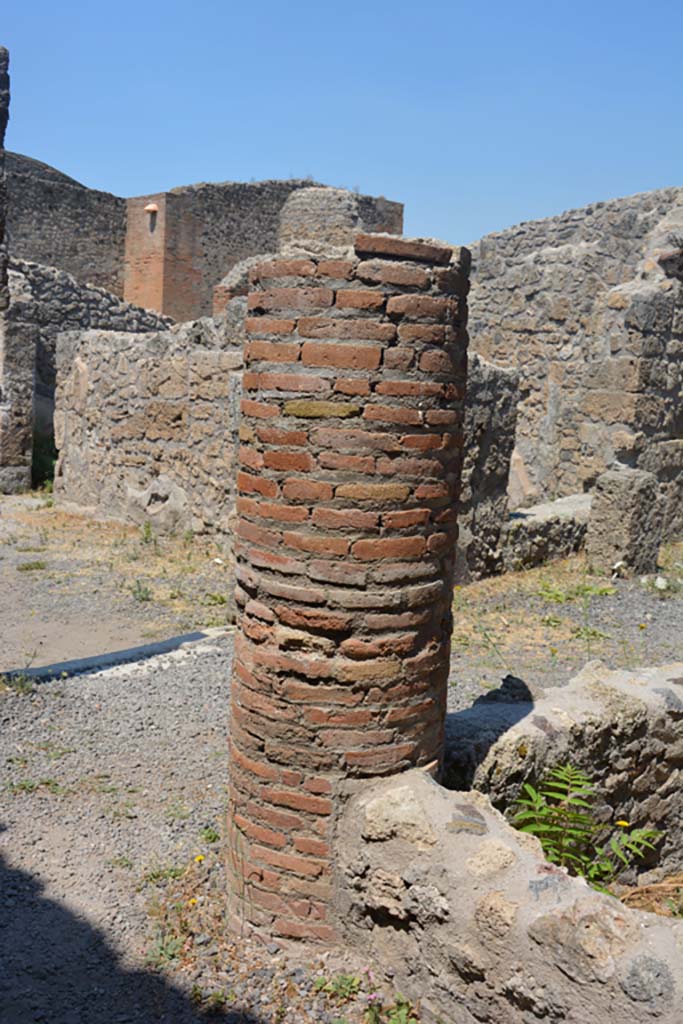
IX.1.12 Pompeii. July 2017. Masonry column in south-west corner of
peristyle garden.
Foto Annette Haug, ERC Grant 681269 DÉCOR.
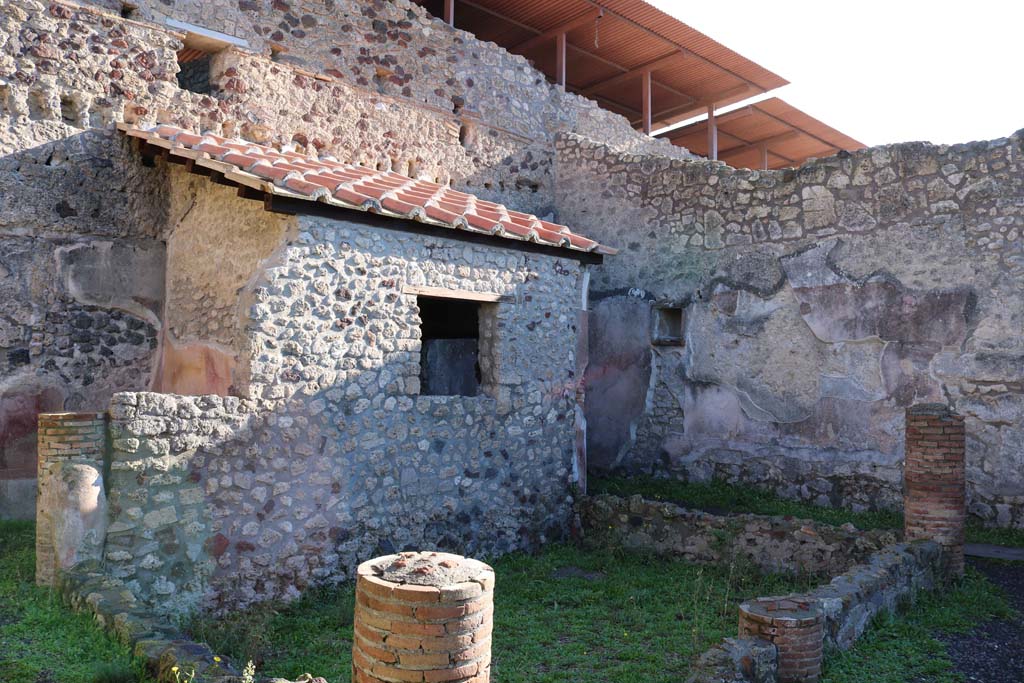
IX.1.12 Pompeii. December 2018.
Looking towards south portico of peristyle, with niche in south
wall. Photo courtesy of Aude Durand.
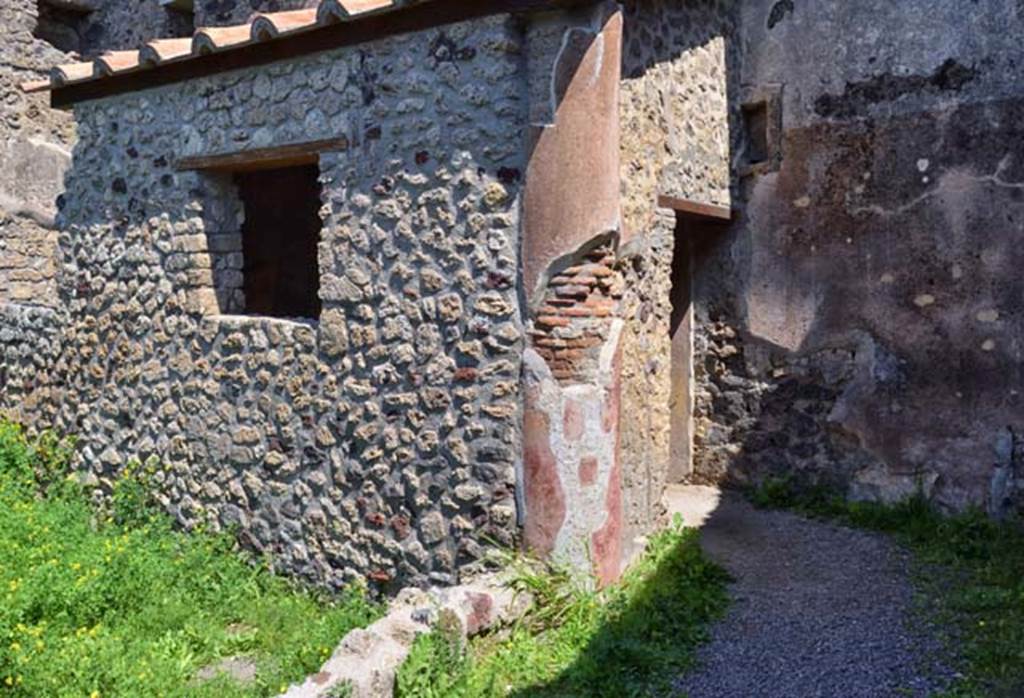
IX.1.12 Pompeii. April 2018. Looking towards cubiculum on
east side of small peristyle. Photo courtesy of Ian Lycett-King.
Use is subject to Creative
Commons Attribution-NonCommercial License v.4 International.
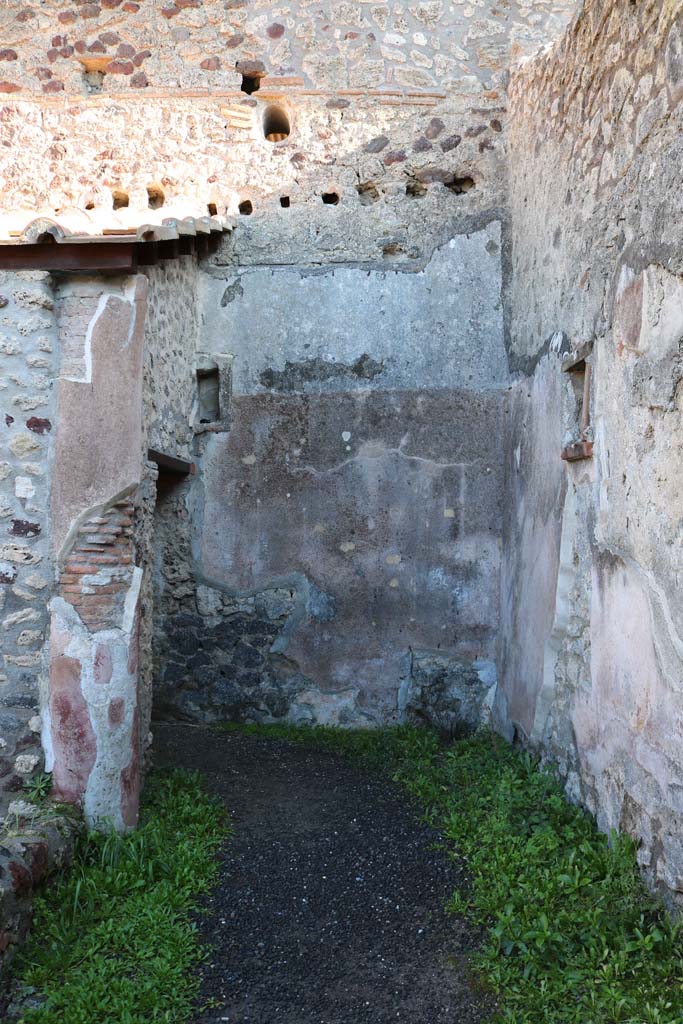
IX.1.12 Pompeii. December 2018.
Looking east along south portico of peristyle. Photo
courtesy of Aude Durand.
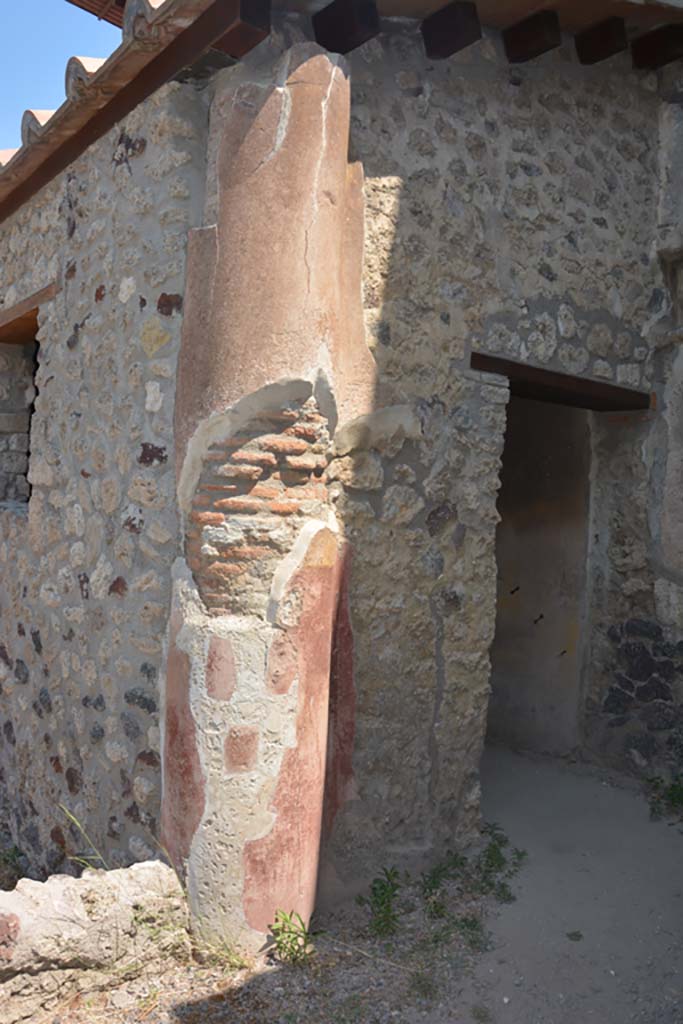
IX.1.12 Pompeii. July 2017.
Masonry column covered with stucco in north wall of south portico
next to doorway to cubiculum.
Foto Annette Haug, ERC Grant 681269 DÉCOR.
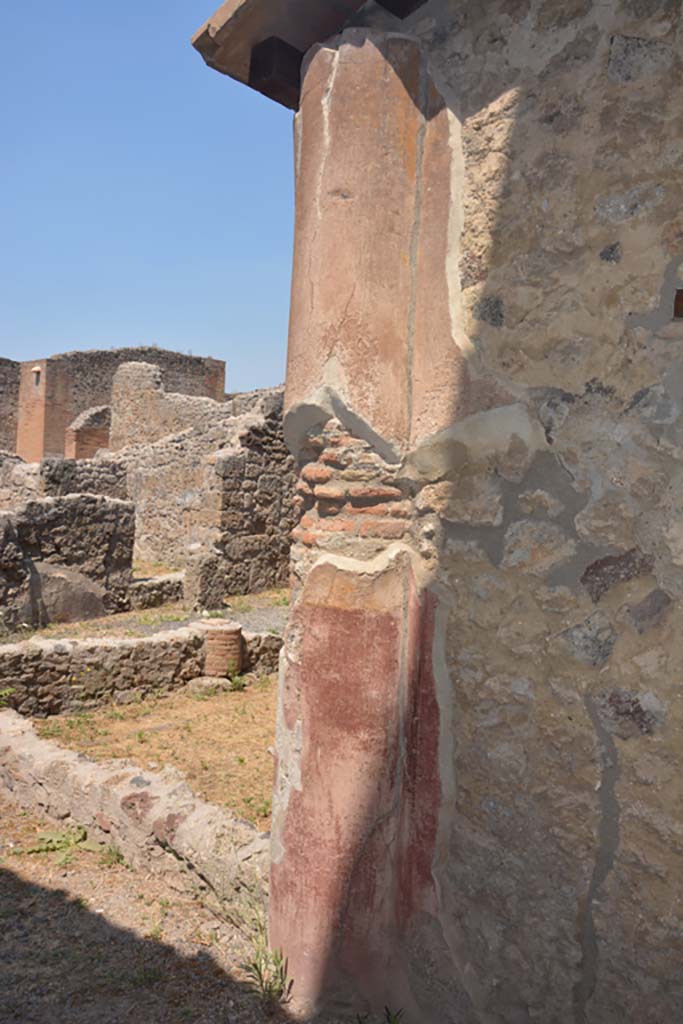
IX.1.12 Pompeii. July 2017. Detail of masonry column covered with
stucco.
Foto Annette Haug, ERC Grant 681269 DÉCOR.
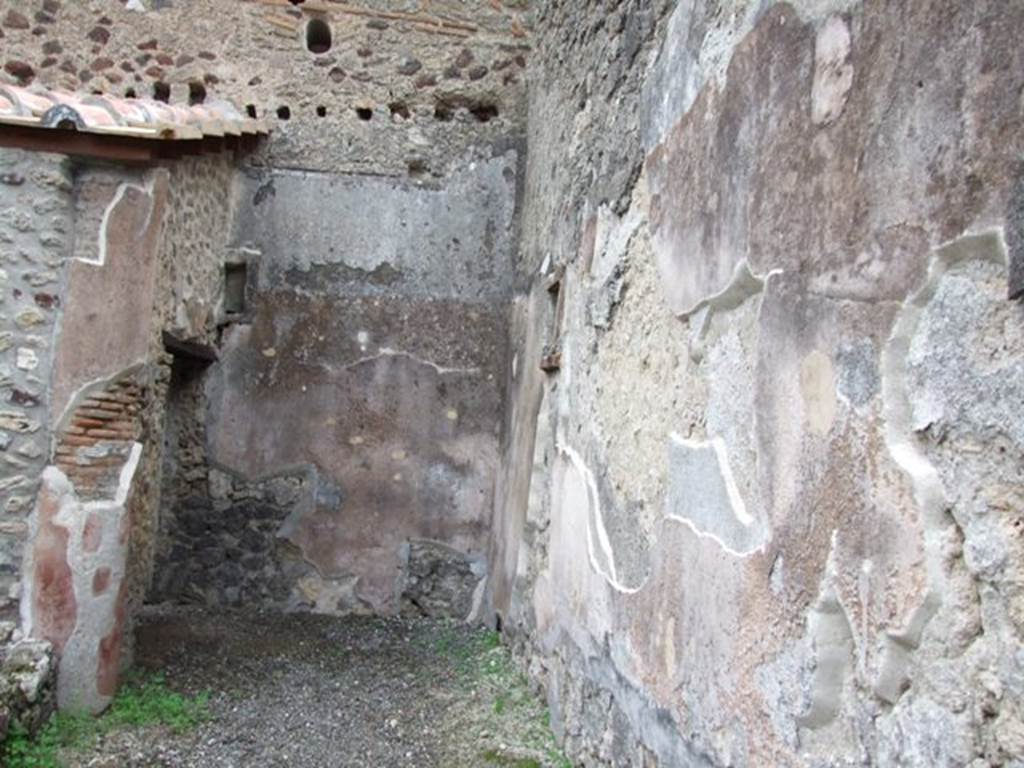
IX.1.12 Pompeii. December 2007. Looking east along south portico of peristyle.
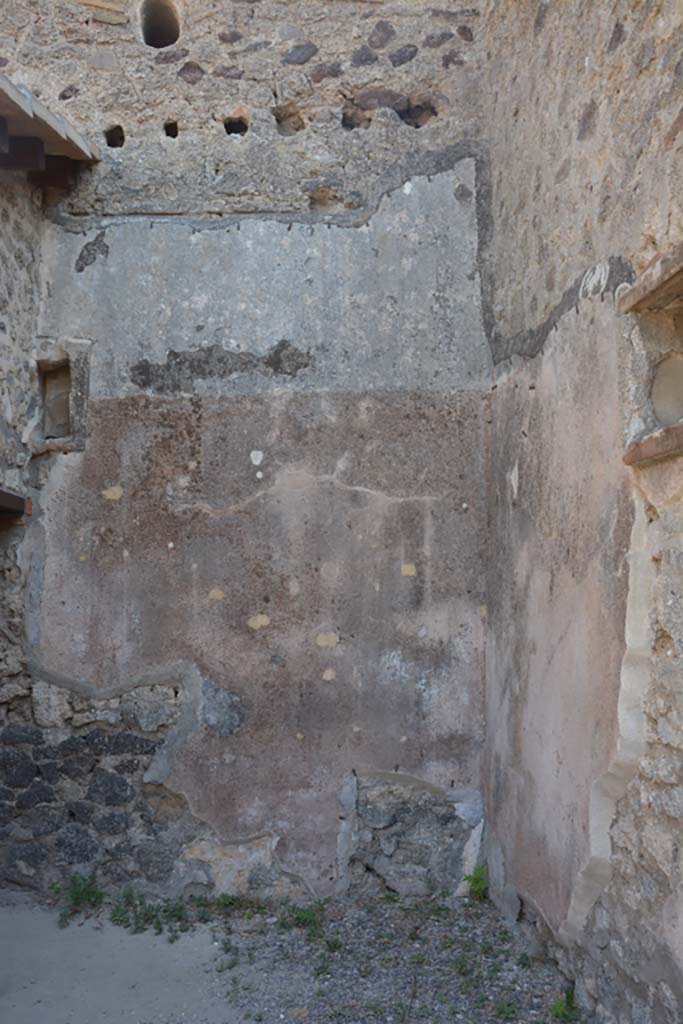
IX.1.12 Pompeii. July 2017. Looking towards east wall of south
portico of peristyle.
Foto Annette Haug, ERC Grant 681269 DÉCOR.
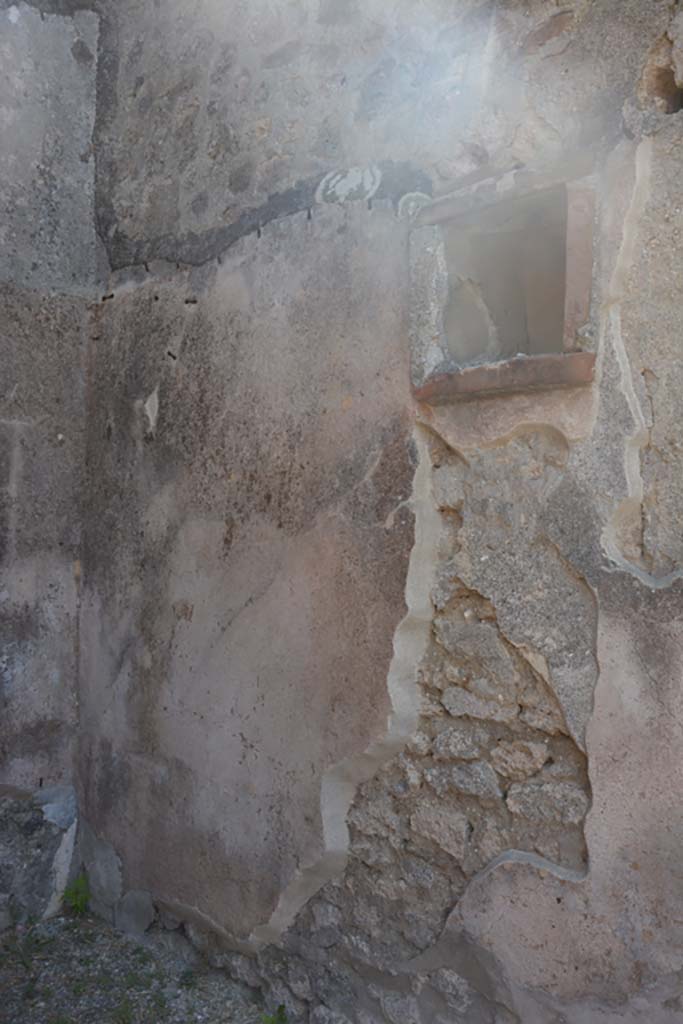
IX.1.12 Pompeii. July 2017. Looking towards south wall in
south-east corner of south portico.
Foto Annette Haug, ERC Grant 681269 DÉCOR.
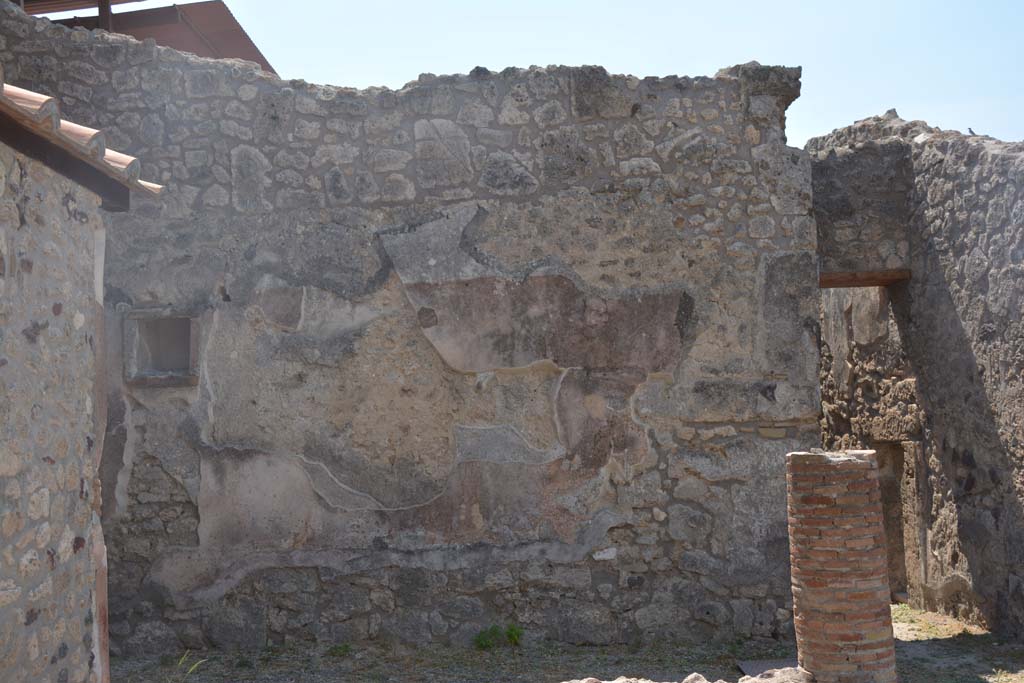
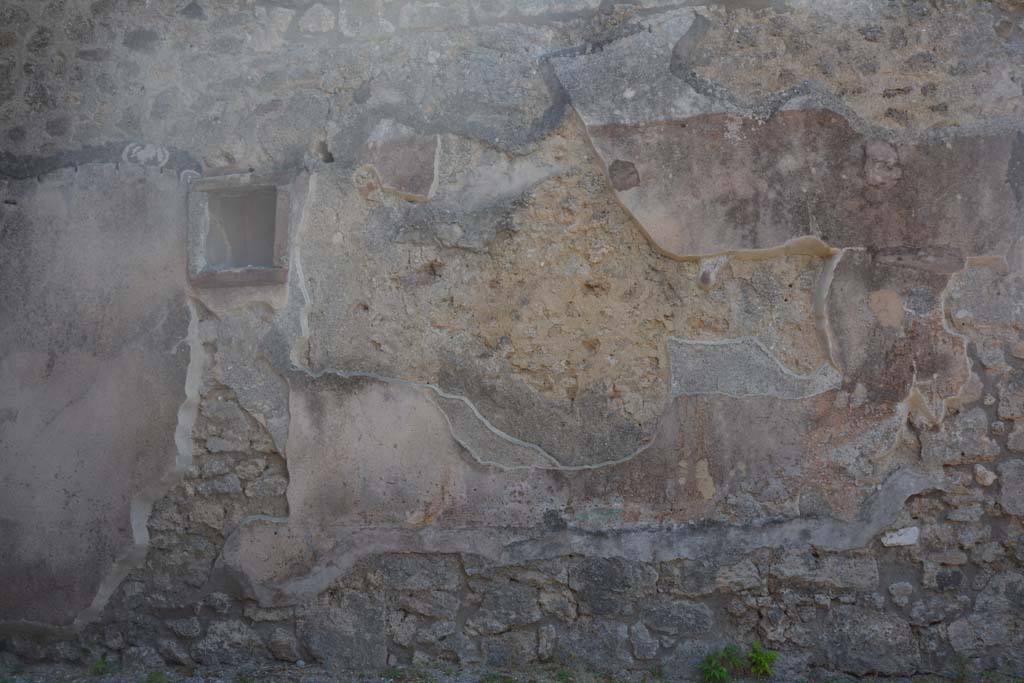
IX.1.12 Pompeii. July 2017. Looking towards south wall with niche
in south portico of peristyle garden.
Foto Annette Haug, ERC Grant 681269 DÉCOR.
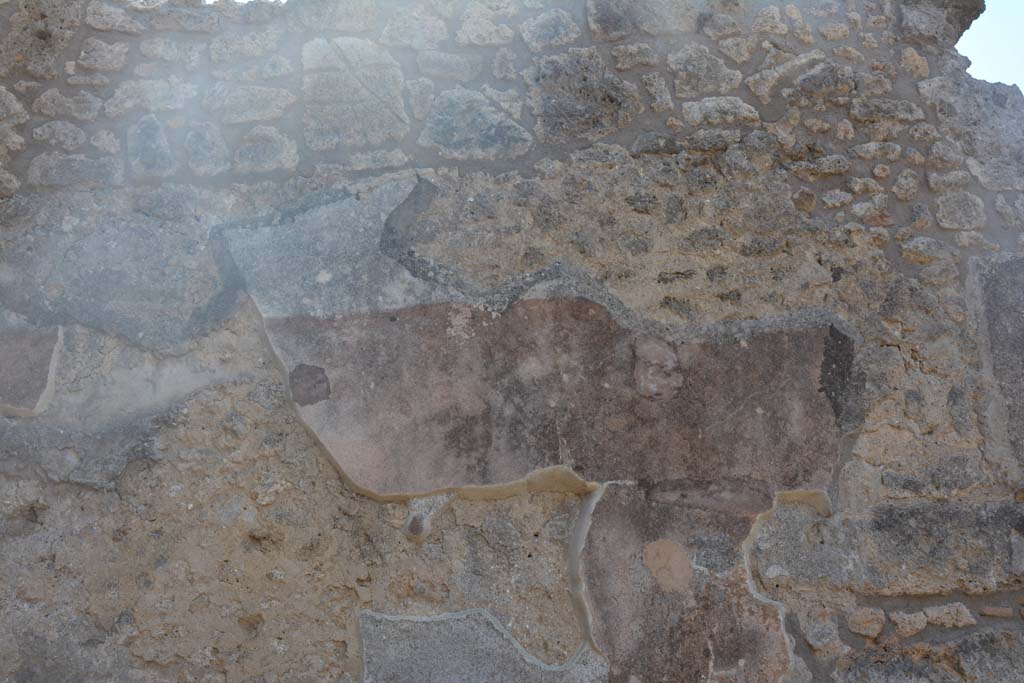
IX.1.12 Pompeii. July 2017. Detail of remaining stucco on south
wall of peristyle garden.
Foto Annette Haug, ERC Grant 681269 DÉCOR.
IX.1.12 Pompeii. July 2017. Niche on south wall of peristyle
garden.
Foto Annette Haug, ERC Grant 681269 DÉCOR.
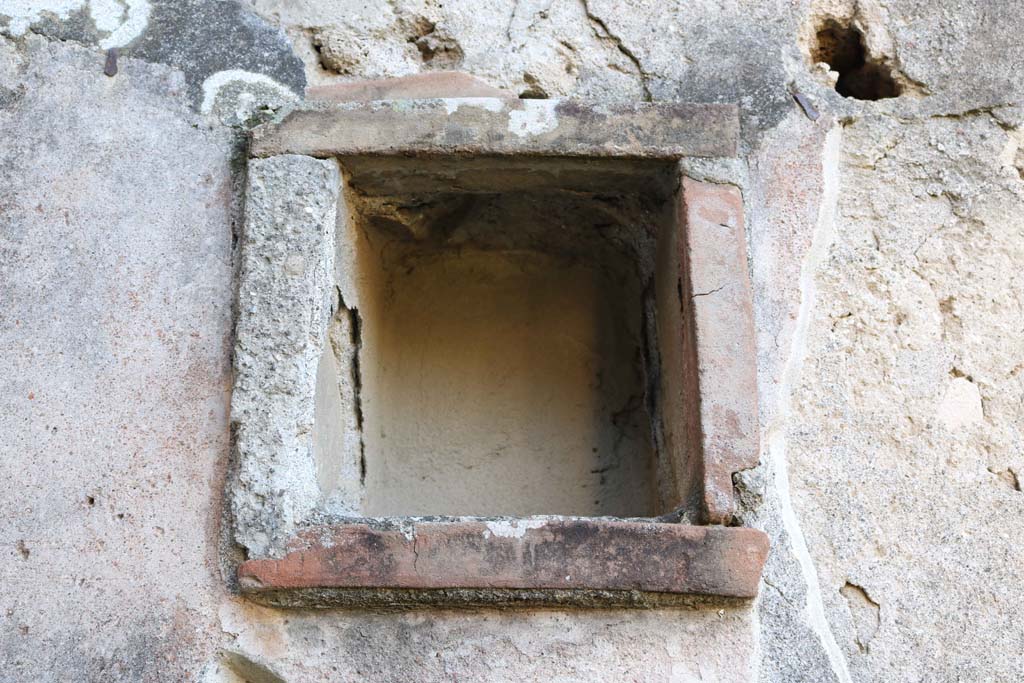
IX.1.12 Pompeii. December 2018. Niche in south wall of
portico. Photo courtesy of Aude Durand.
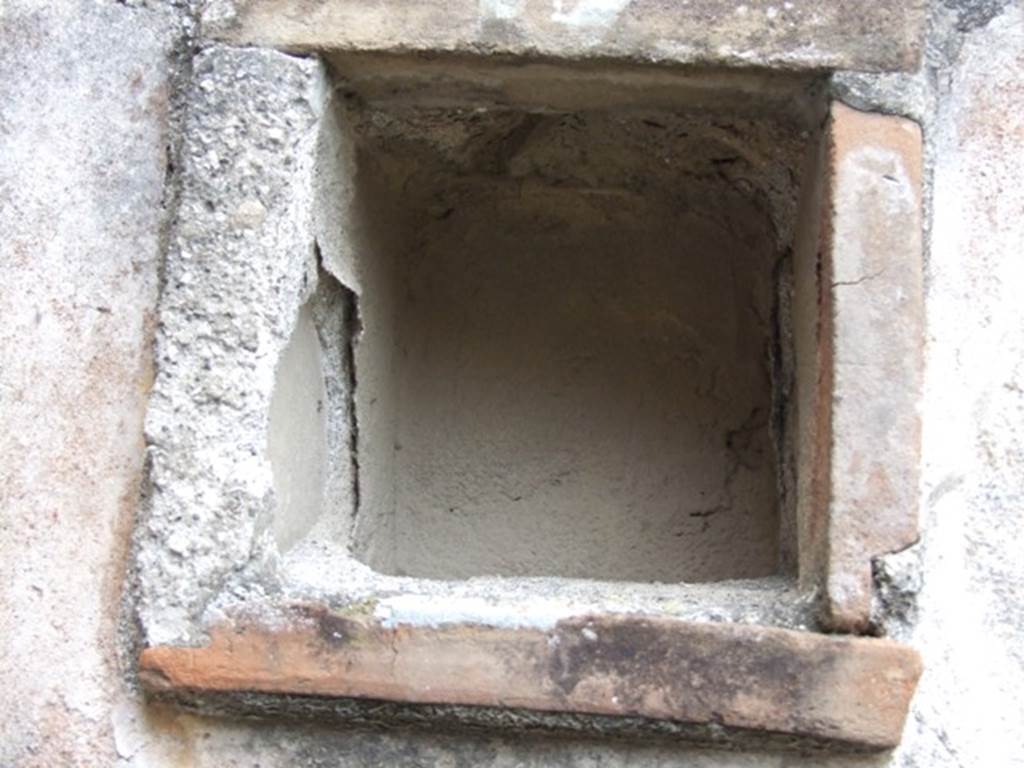
IX.1.12 Pompeii. December 2007. Niche in south wall of portico.
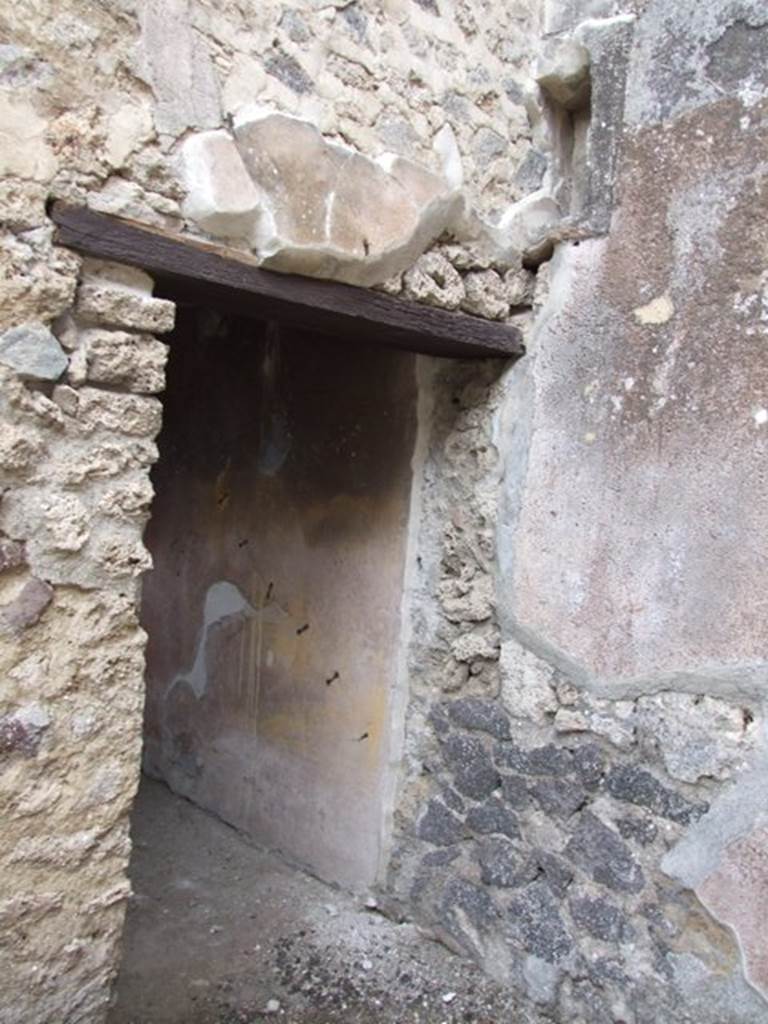
IX.1.12 Pompeii. December 2007. Doorway to cubiculum on east side of peristyle.
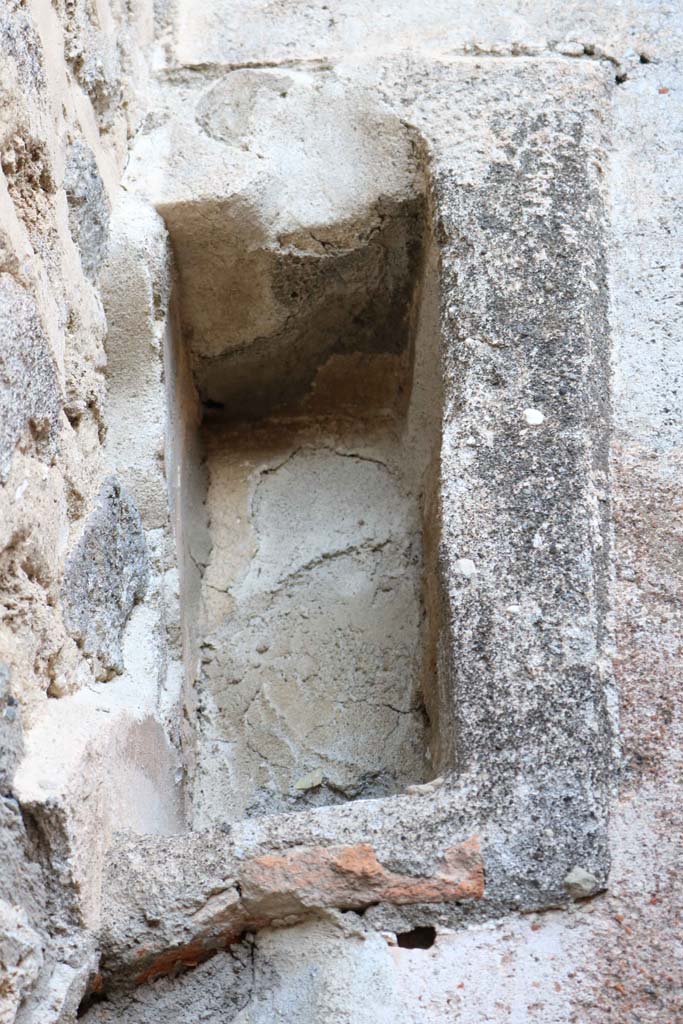
IX.1.12 Pompeii. December 2018.
Recess on east wall above doorway to cubiculum on east side
of peristyle. Photo courtesy of Aude Durand.
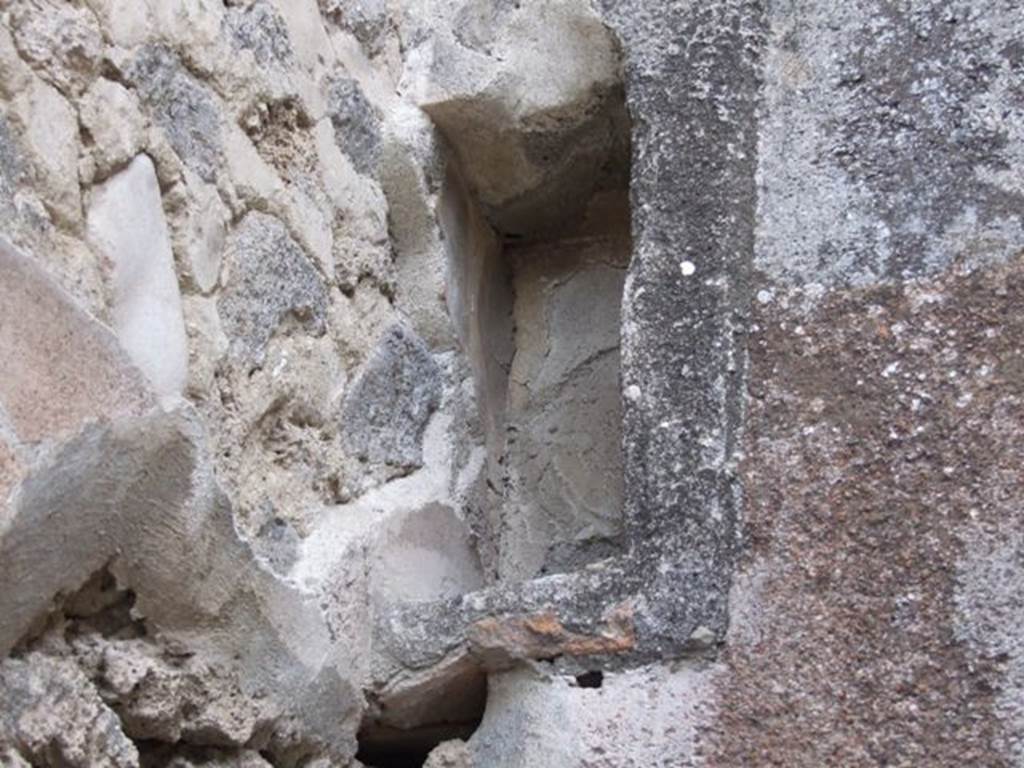
IX.1.12 Pompeii. December 2007. Recess on east wall above doorway to cubiculum on east side of peristyle.
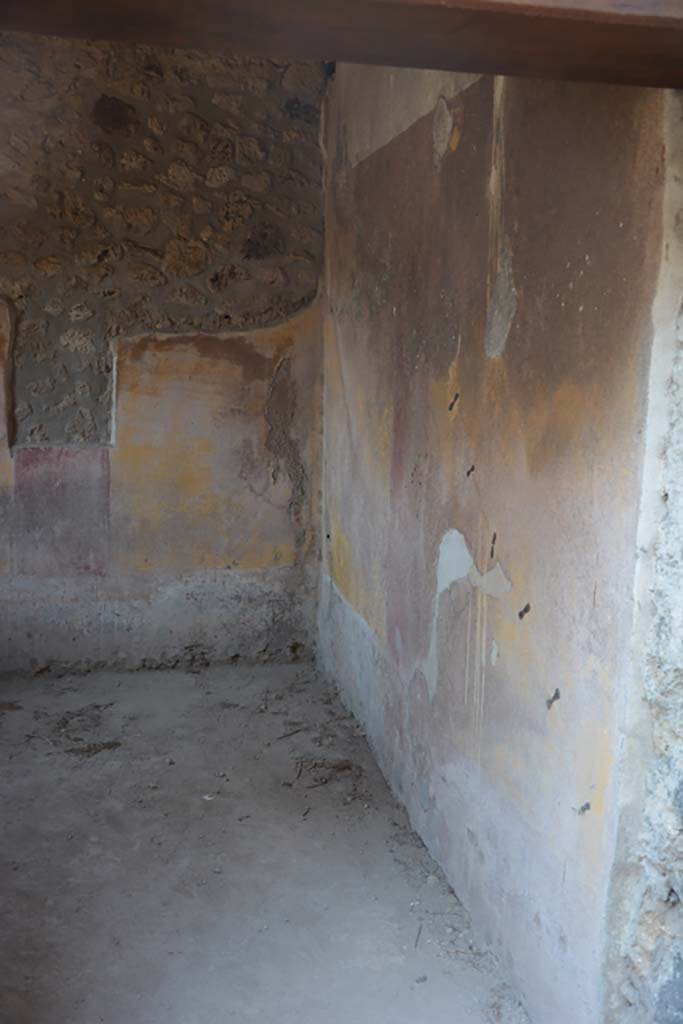
IX.1.12 Pompeii. July 2017.
Looking north along east wall of cubiculum on east side of
peristyle.
Foto Annette Haug, ERC Grant 681269 DÉCOR.
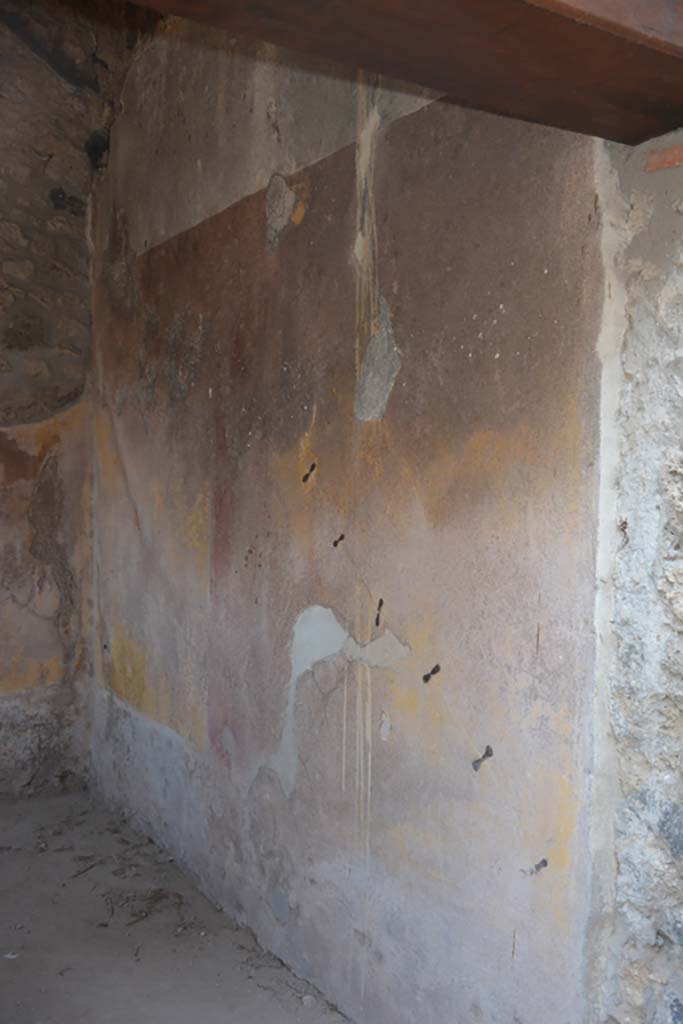
IX.1.12 Pompeii. July 2017. Looking towards east wall of cubiculum
on east side of peristyle.
Foto Annette Haug, ERC Grant 681269 DÉCOR.
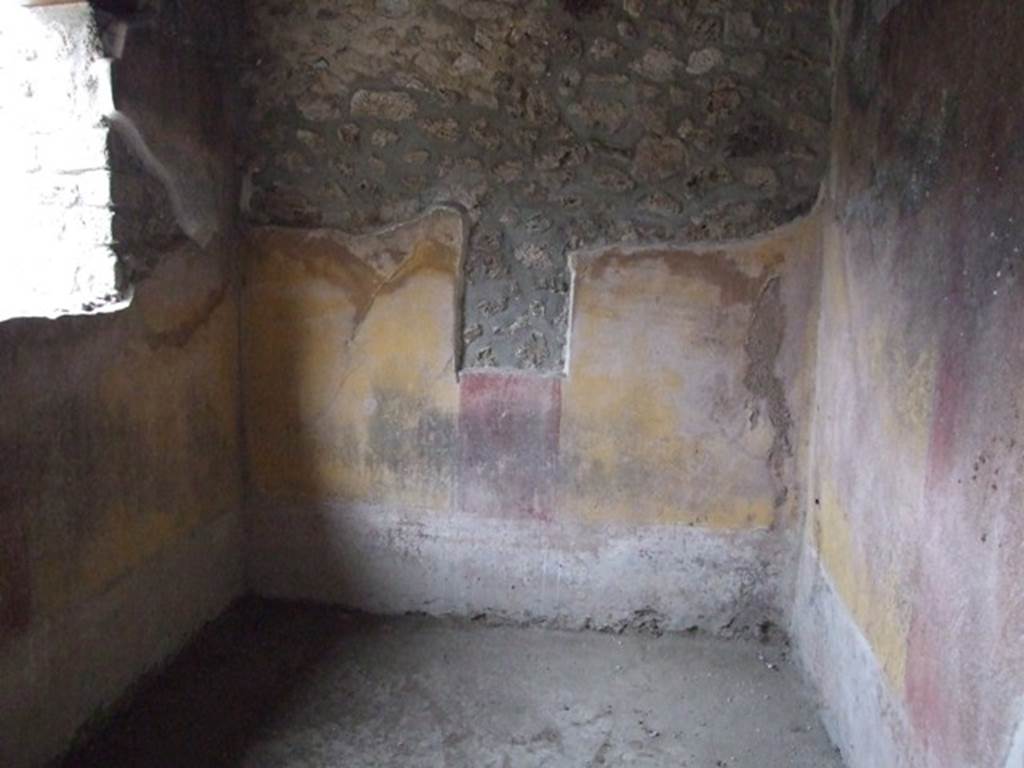
IX.1.12 Pompeii. December 2007. Cubiculum on east side of peristyle, looking towards north wall.
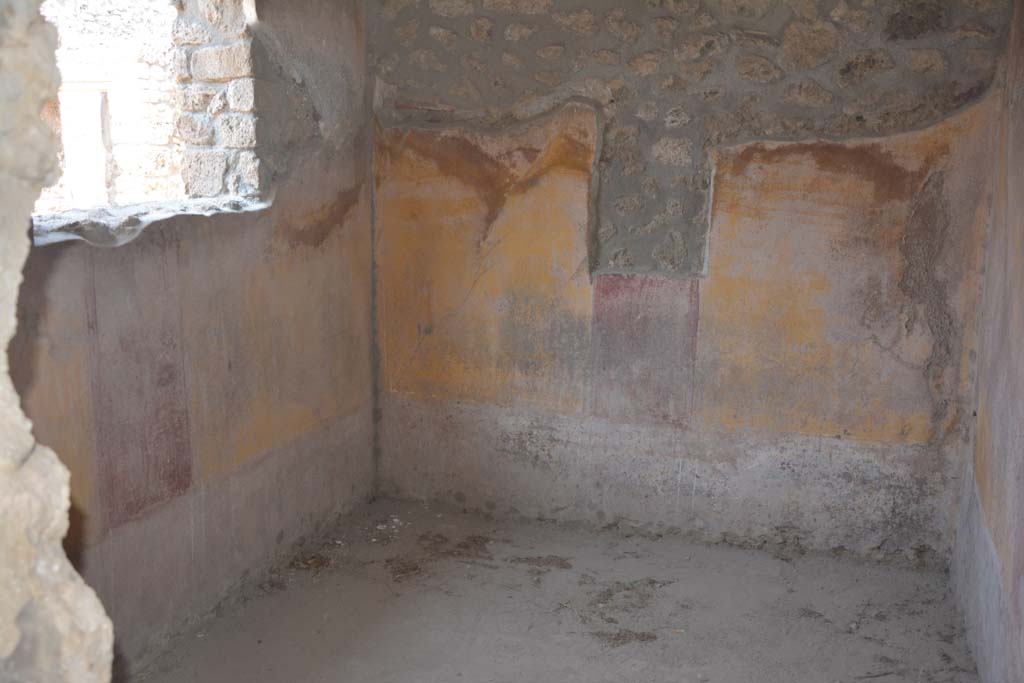
IX.1.12 Pompeii. July 2017. Looking north-west through doorway,
with window in west wall.
Foto Annette Haug, ERC Grant 681269 DÉCOR.
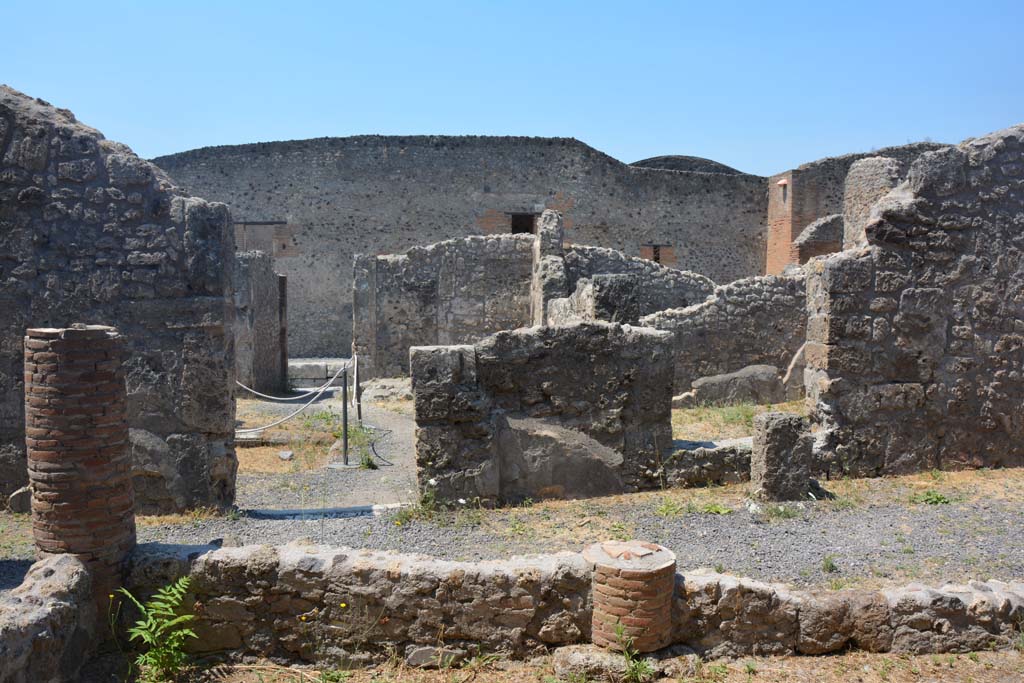
IX.1.12 Pompeii. July 2017. Looking west from peristyle garden,
with doorway to atrium and across to entrance corridor, on left.
Foto Annette Haug, ERC Grant 681269 DÉCOR.
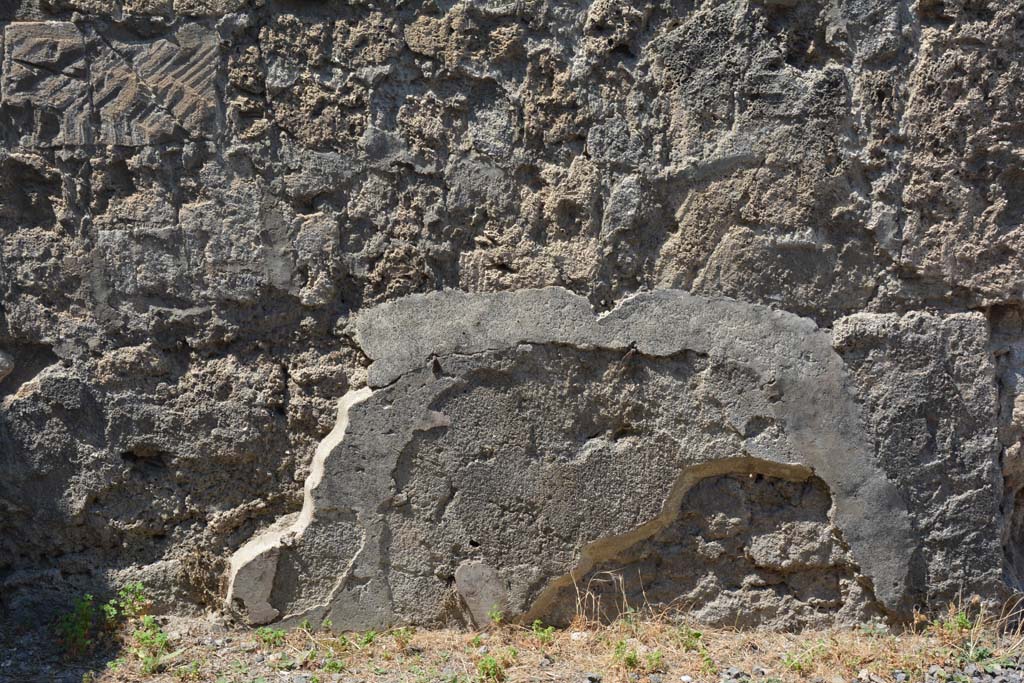
IX.1.12 Pompeii. July 2017. Looking towards remaining stucco on west
wall of peristyle, on south side of doorway to atrium.
Foto Annette Haug, ERC Grant 681269 DÉCOR.
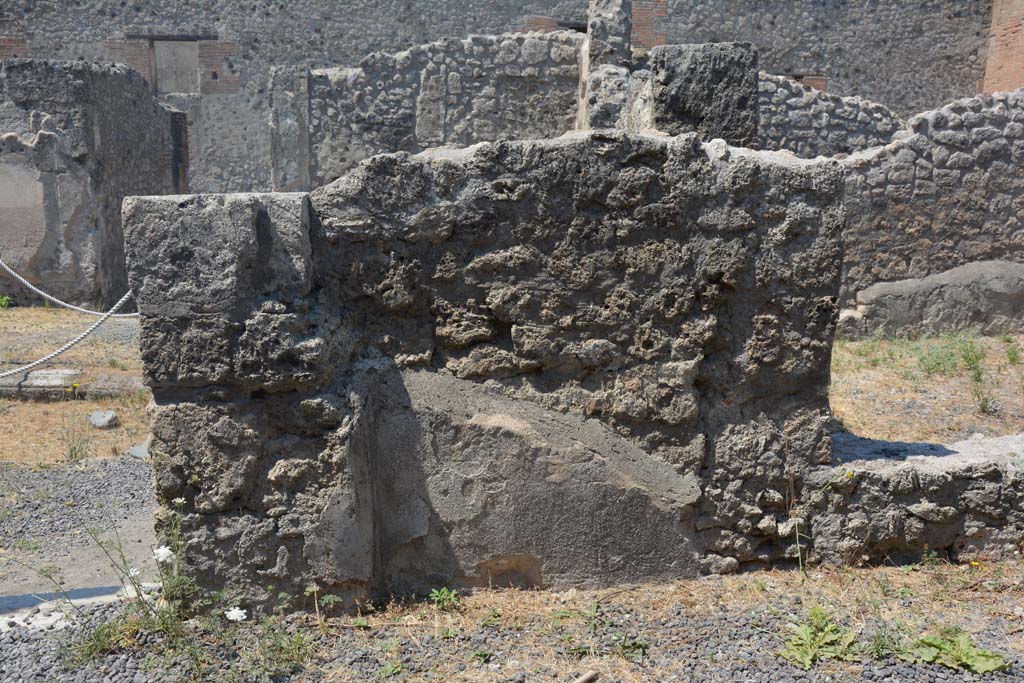
IX.1.12 Pompeii. July 2017. Looking towards remaining stucco on west
wall of peristyle, on north side of doorway to atrium.
Foto Annette Haug, ERC Grant 681269 DÉCOR.
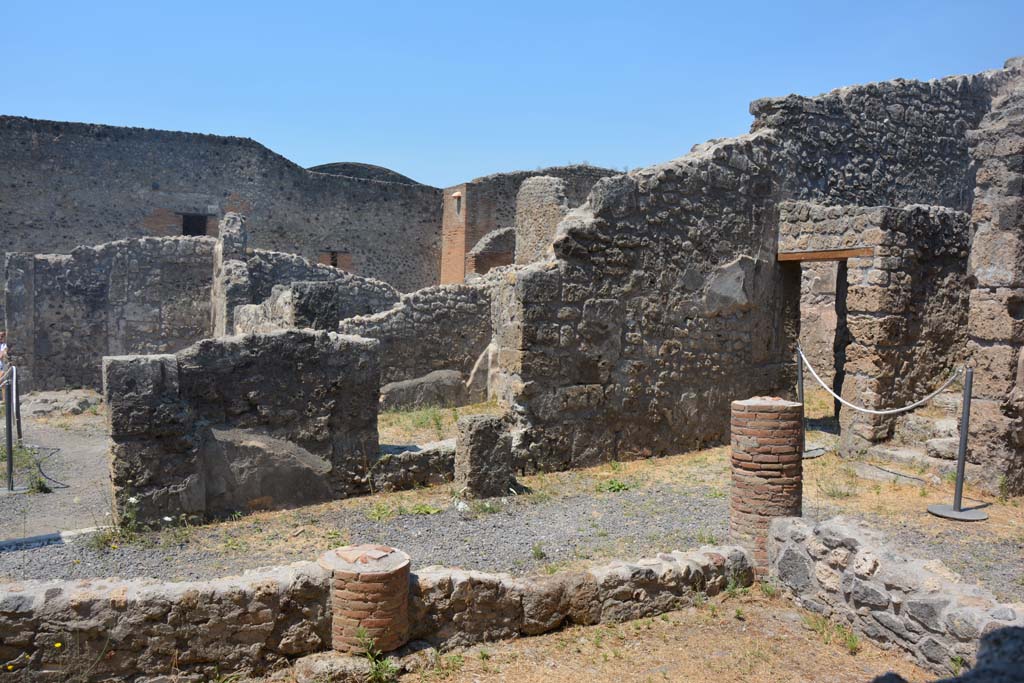
IX.1.12 Pompeii. July 2017. Looking north-west from peristyle
garden towards doorway to corridor and stairs, on right.
Foto Annette Haug, ERC Grant 681269 DÉCOR.
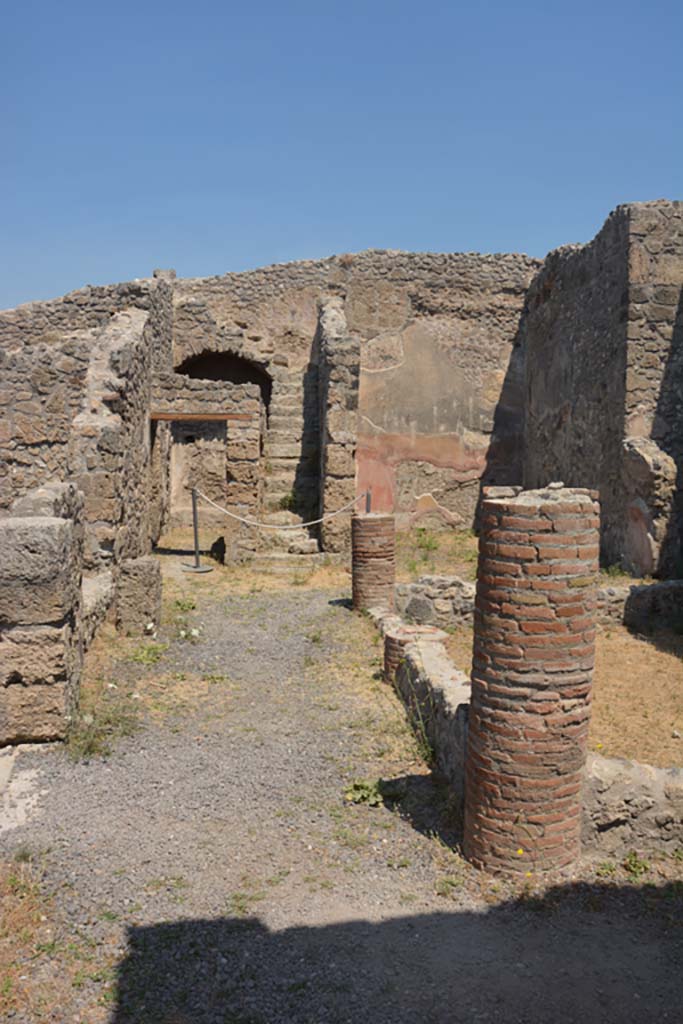
IX.1.12 Pompeii. July 2017. Looking north along west portico of peristyle
garden.
Foto Annette Haug, ERC Grant 681269 DÉCOR.
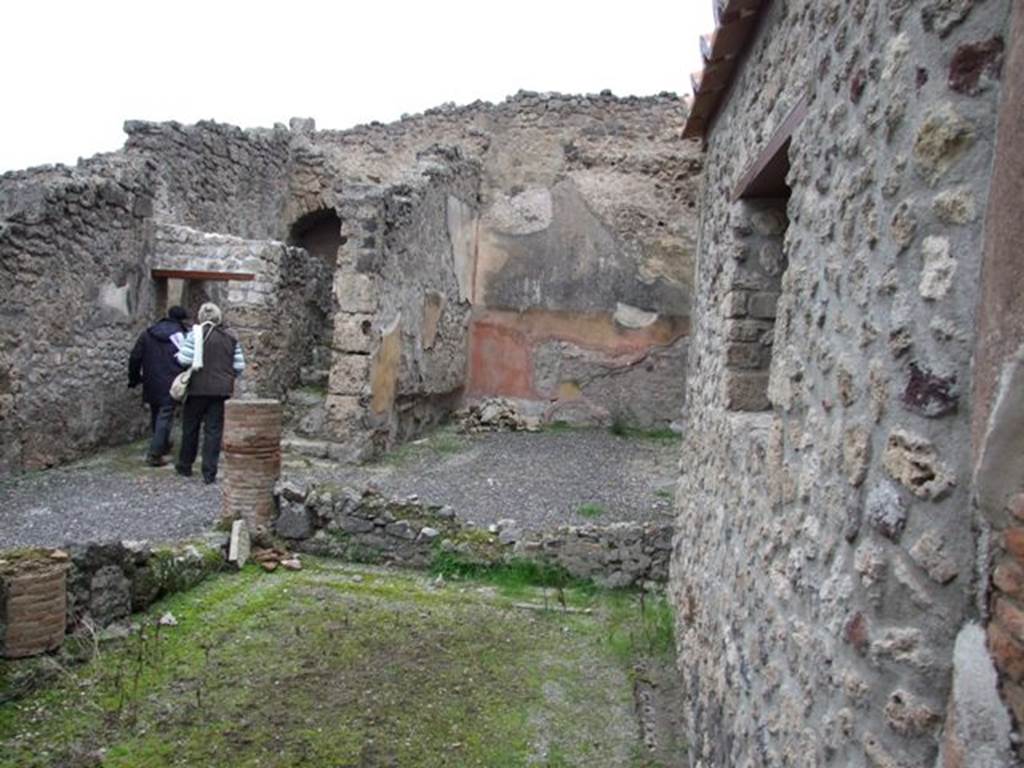
IX.1.12 Pompeii. December 2007.
Looking north across peristyle towards exedra/triclinium. On the west wall of the triclinium, the recess for the couch can be seen.
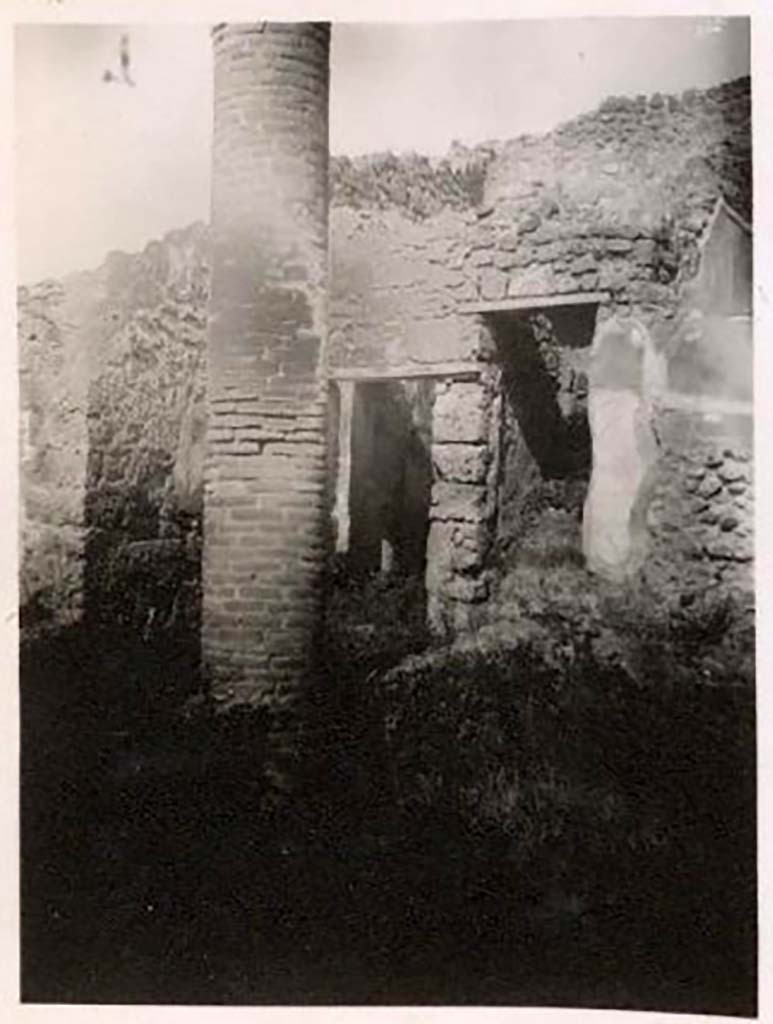
IX.1.12 Pompeii. Pre-1943. Photo by Tatiana Warscher.
Looking towards column on north-west side of peristyle, and doorways to corridor and stairs, at rear.
See Warscher, T. Codex Topographicus Pompeianus, IX.1. (1943), Swedish Institute, Rome. (no.50), p. 81.
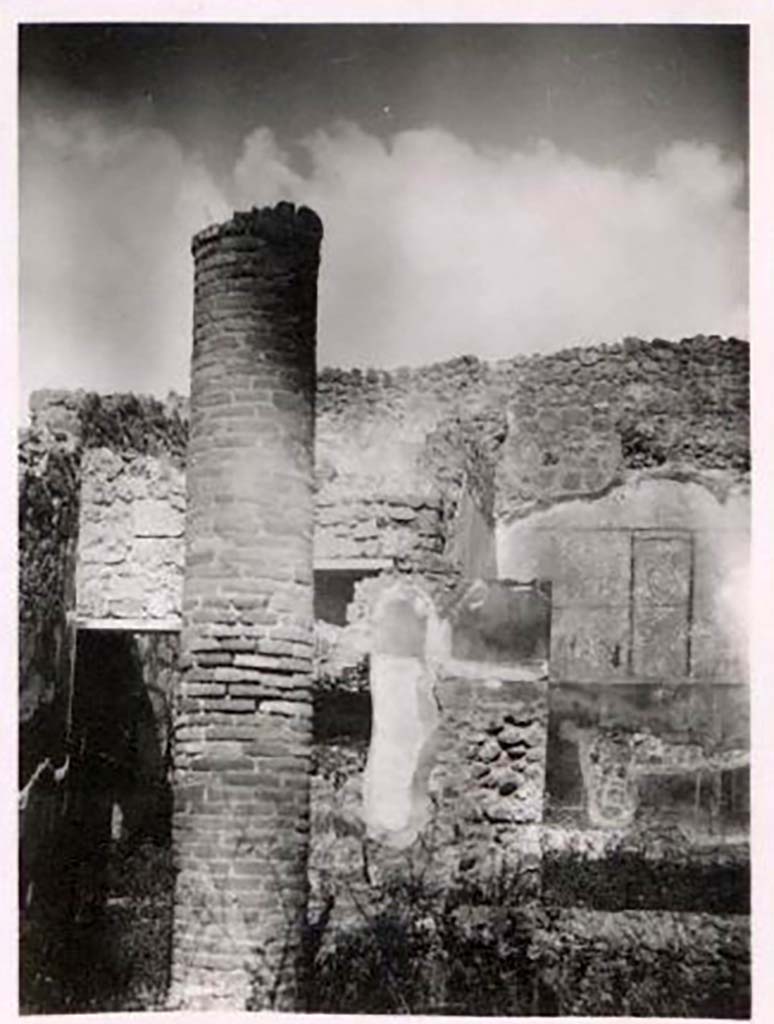
IX.1.12 Pompeii. Pre-1943. Photo by Tatiana Warscher.
Looking towards north wall of exedra/triclinium with remains of painted decoration.
See Warscher, T. Codex Topographicus Pompeianus, IX.1. (1943), Swedish Institute, Rome. (no.51), p. 81.
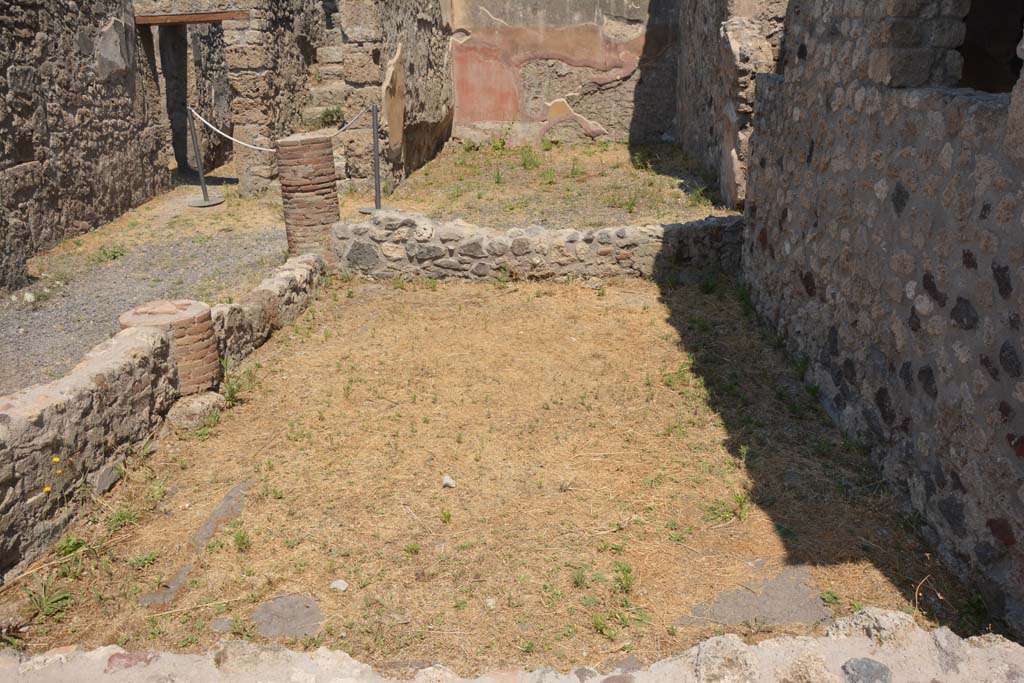
IX.1.12 Pompeii. July 2017. Looking north across peristyle garden.
Foto Annette Haug, ERC Grant 681269 DÉCOR.
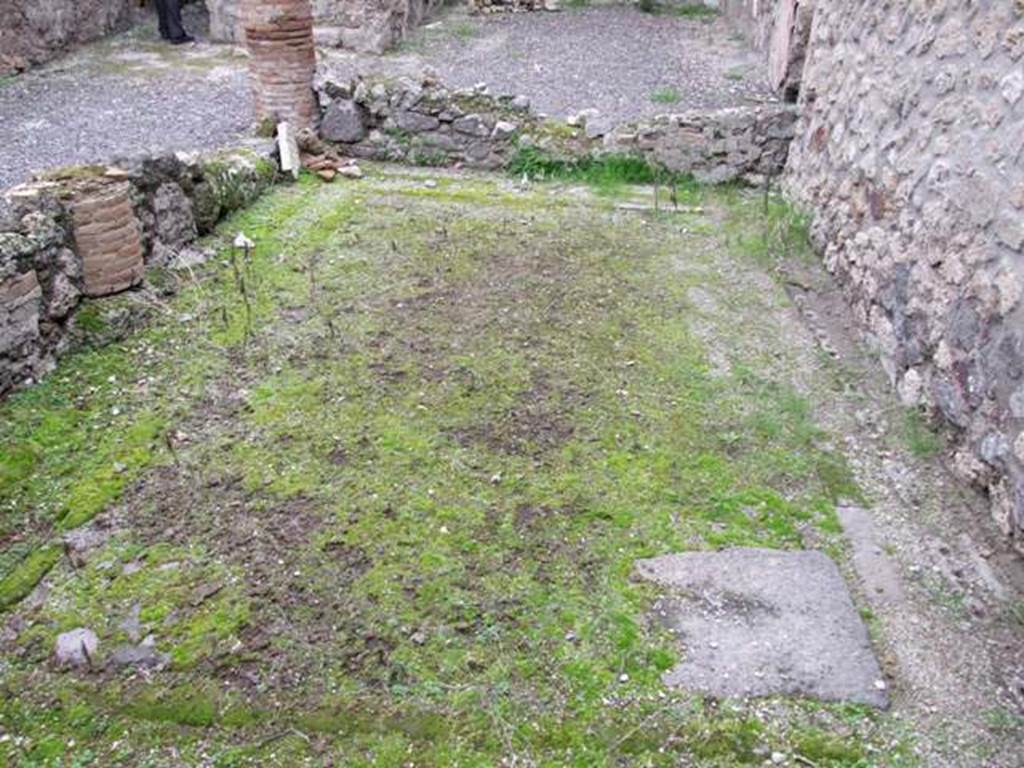
IX.1.12 Pompeii. December 2007. Peristyle garden area.
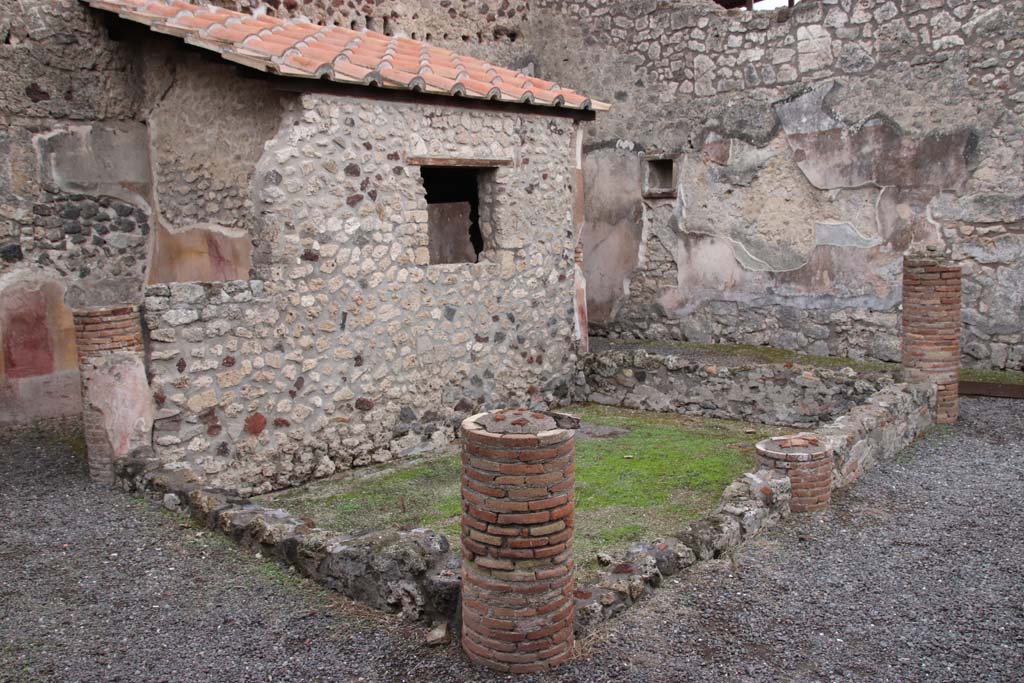
IX.1.12 Pompeii. July 2017. Looking south across peristyle garden.
Foto Annette Haug, ERC Grant 681269 DÉCOR.
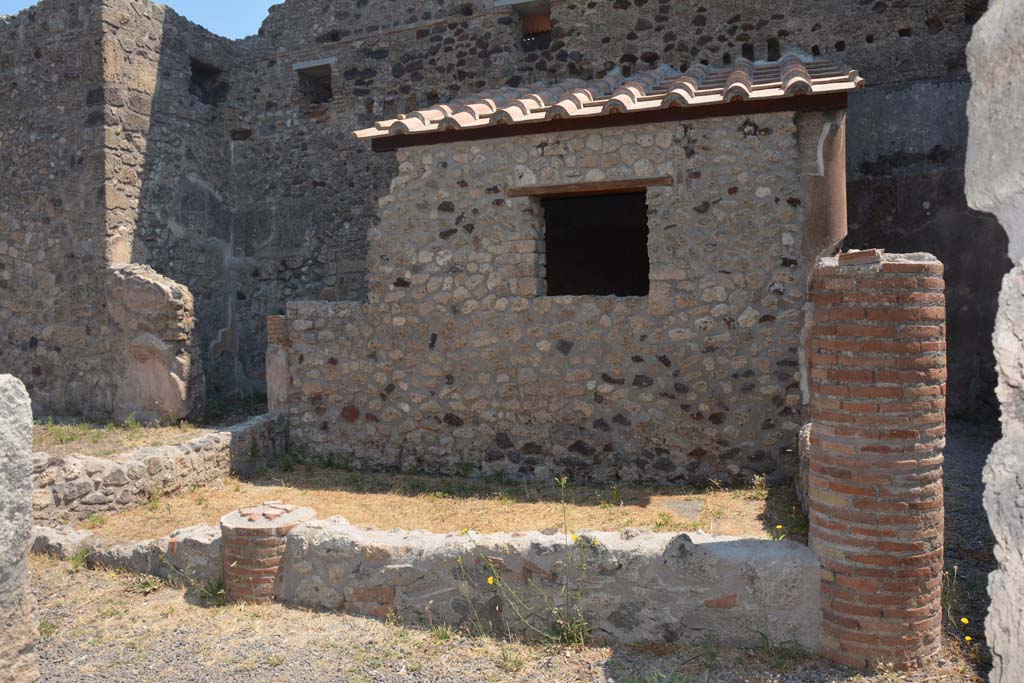
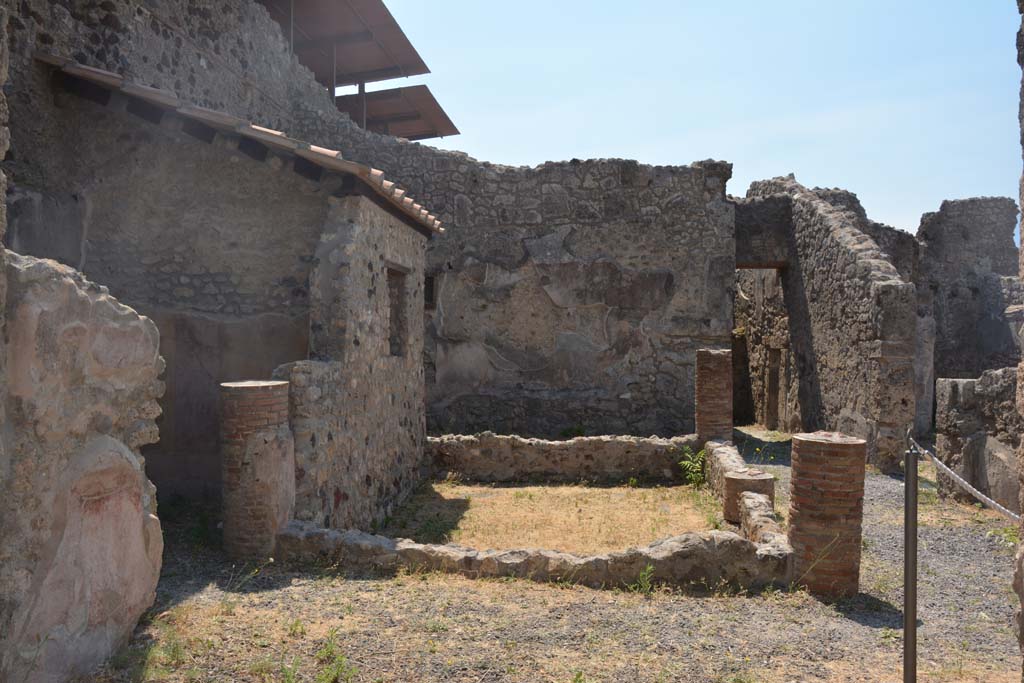
IX.1.12
Pompeii. July 2017. Looking east across peristyle garden, with doorway to cubiculum,
on left.
Foto
Annette Haug, ERC Grant 681269 DÉCOR.
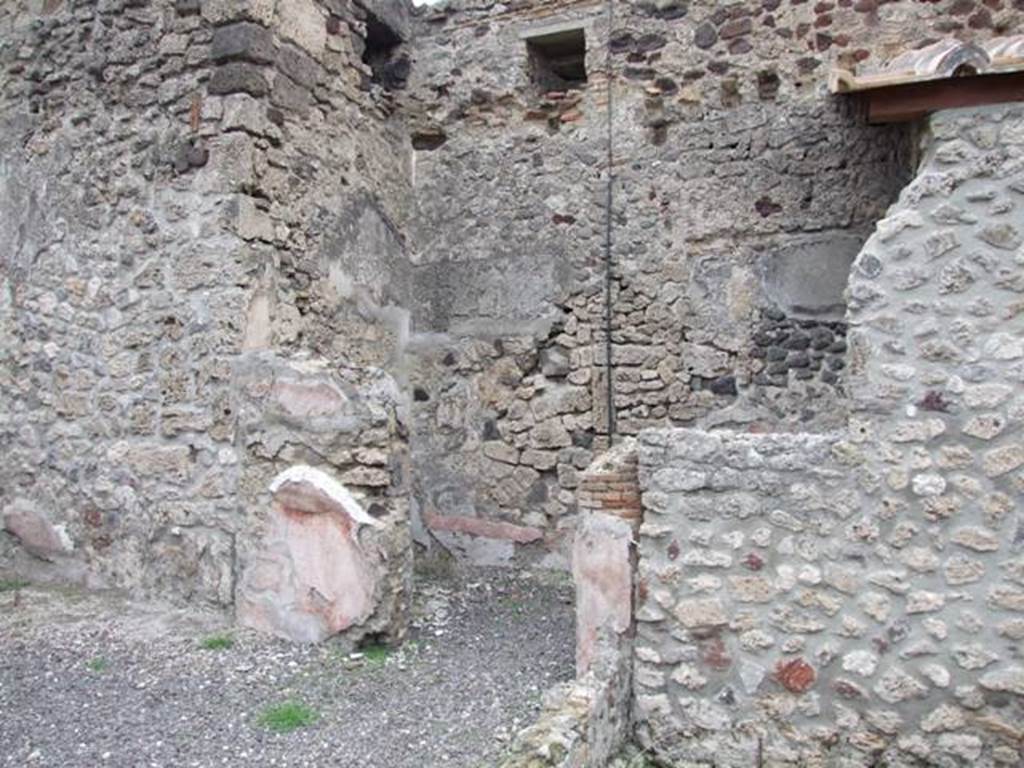
IX.1.12 Pompeii. December 2007. Doorway to cubiculum in north-east corner of peristyle area.
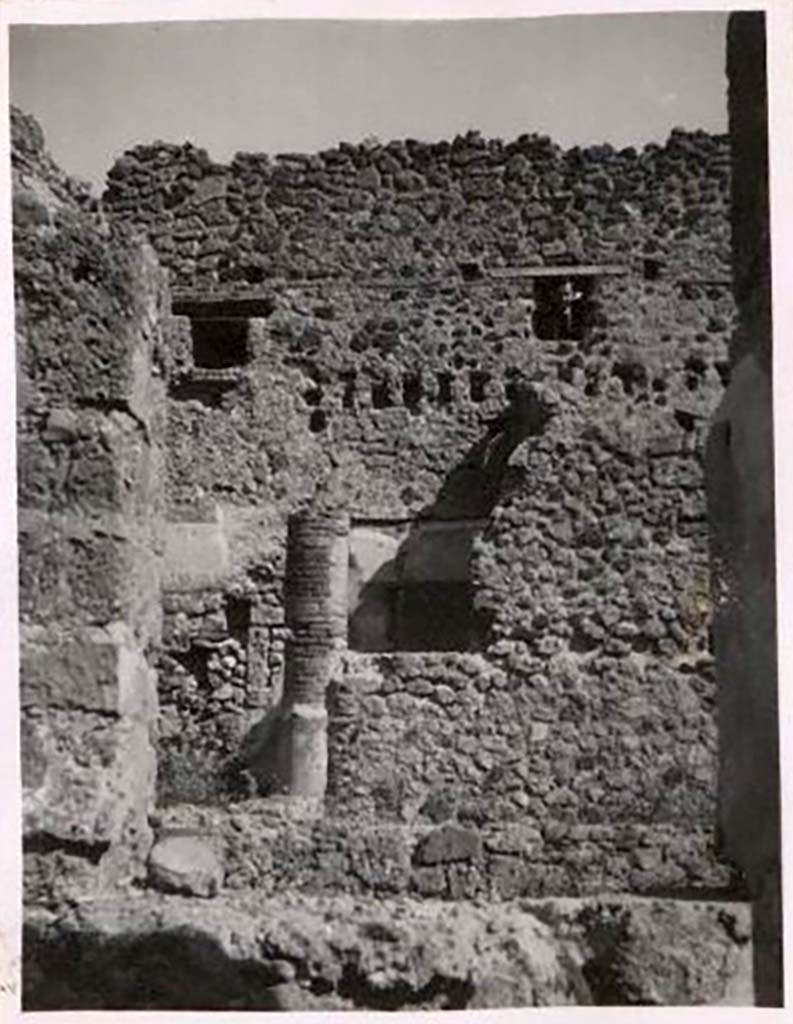
IX.1.12 Pompeii. Pre-1943. Photo by Tatiana Warscher.
Looking across peristyle towards doorway to cubiculum in north-east corner of peristyle.
According to Warscher, the rear (east) wall had rectangular holes for support beams which demonstrated that there were rooms on an upper floor.
These rooms would have received light through windows from IX.1.20.
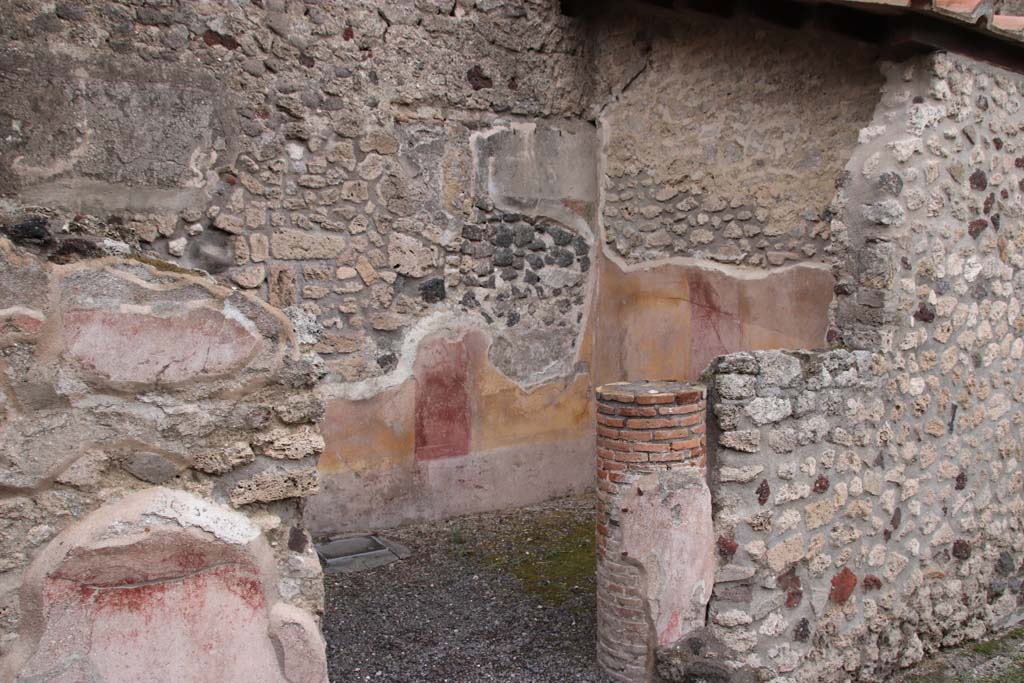
IX.1.12 Pompeii. October 2020.
Looking south-east towards decorated walls in cubiculum in north-east corner of peristyle. Photo courtesy of Klaus Heese.
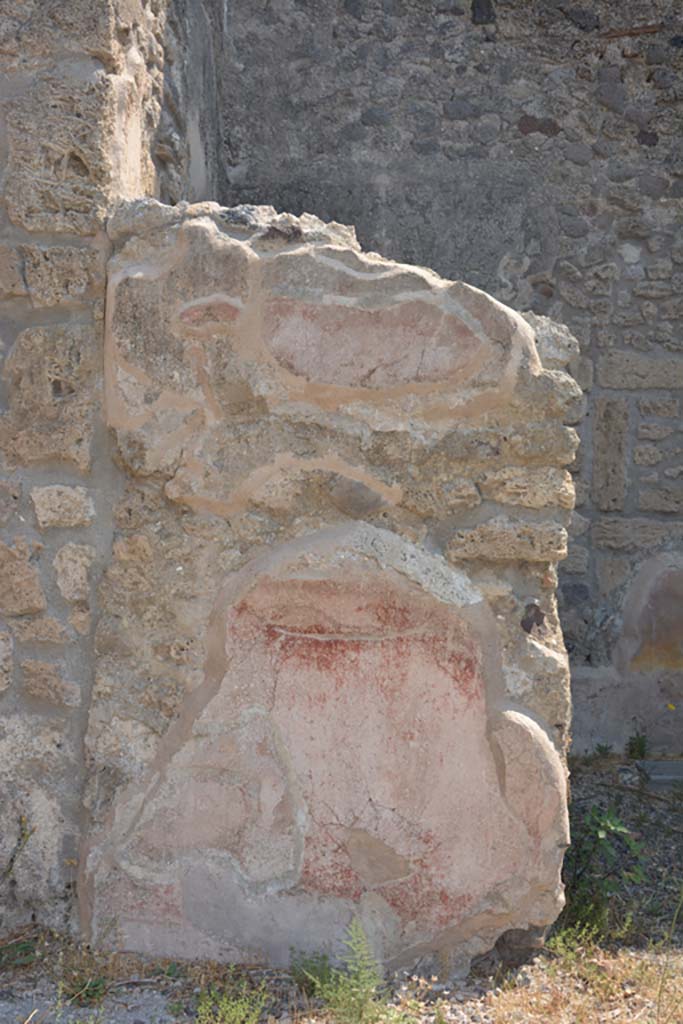
Detail of remaining painted stucco on north
side of doorway to cubiculum.
Foto Annette Haug, ERC Grant 681269 DÉCOR.
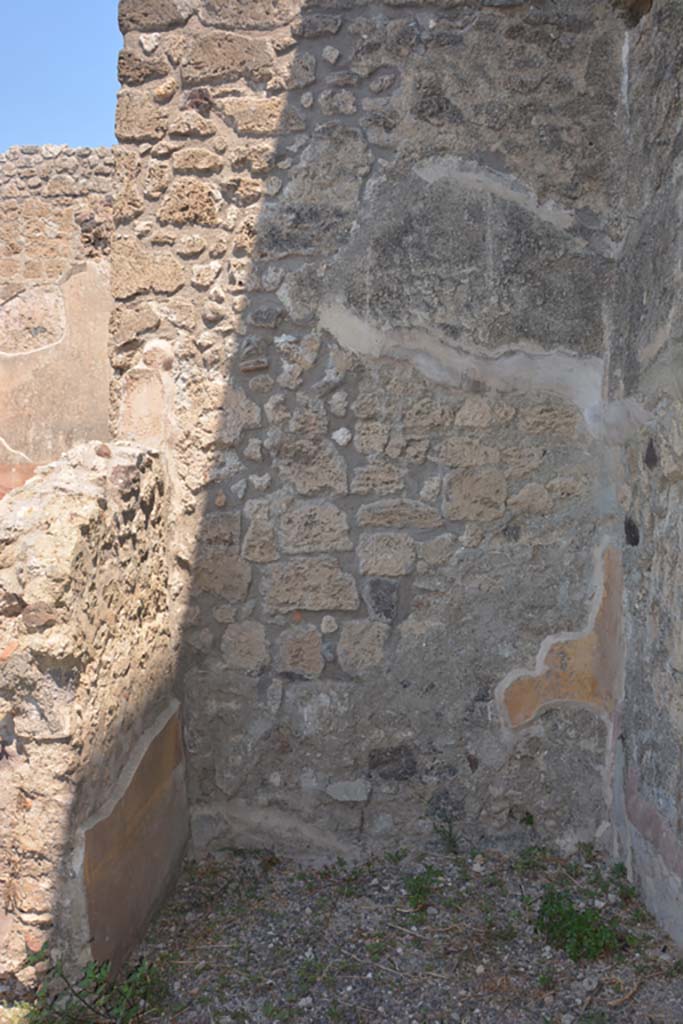
IX.1.12
Pompeii. July 2017. Looking towards north wall of cubiculum.
Foto
Annette Haug, ERC Grant 681269 DÉCOR.
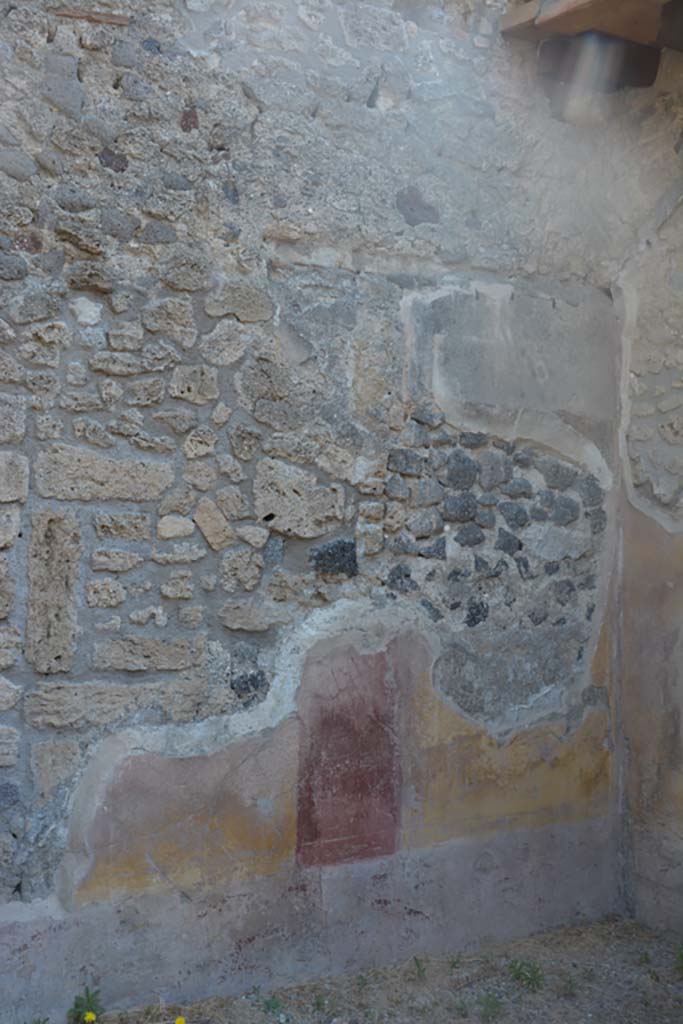
IX.1.12
Pompeii. July 2017. Looking towards east wall at south end.
Foto
Annette Haug, ERC Grant 681269 DÉCOR.
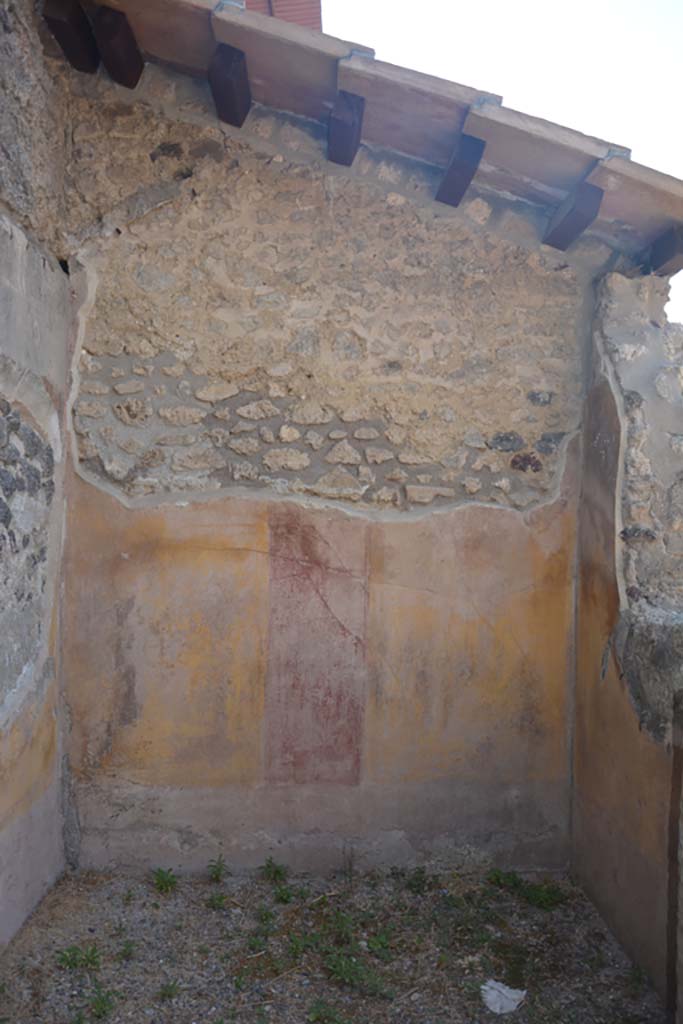
IX.1.12
Pompeii. July 2017. South wall of cubiculum in north-east corner of peristyle
Foto
Annette Haug, ERC Grant 681269 DÉCOR.
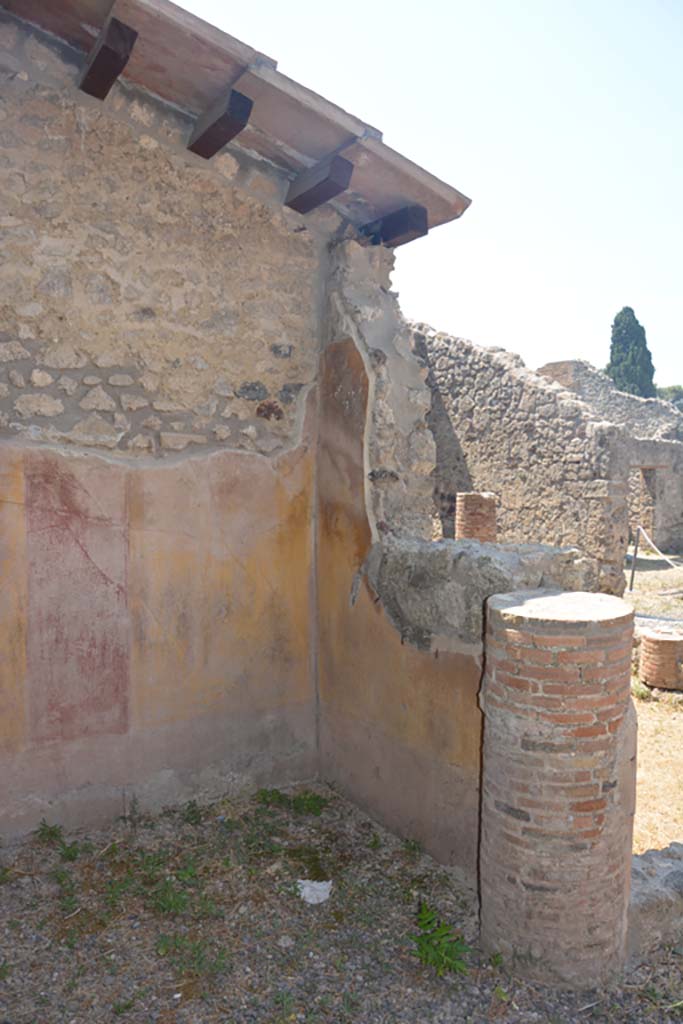
IX.1.12
Pompeii. July 2017.
Looking
towards south-west corner with column at doorway to peristyle.
Foto
Annette Haug, ERC Grant 681269 DÉCOR.
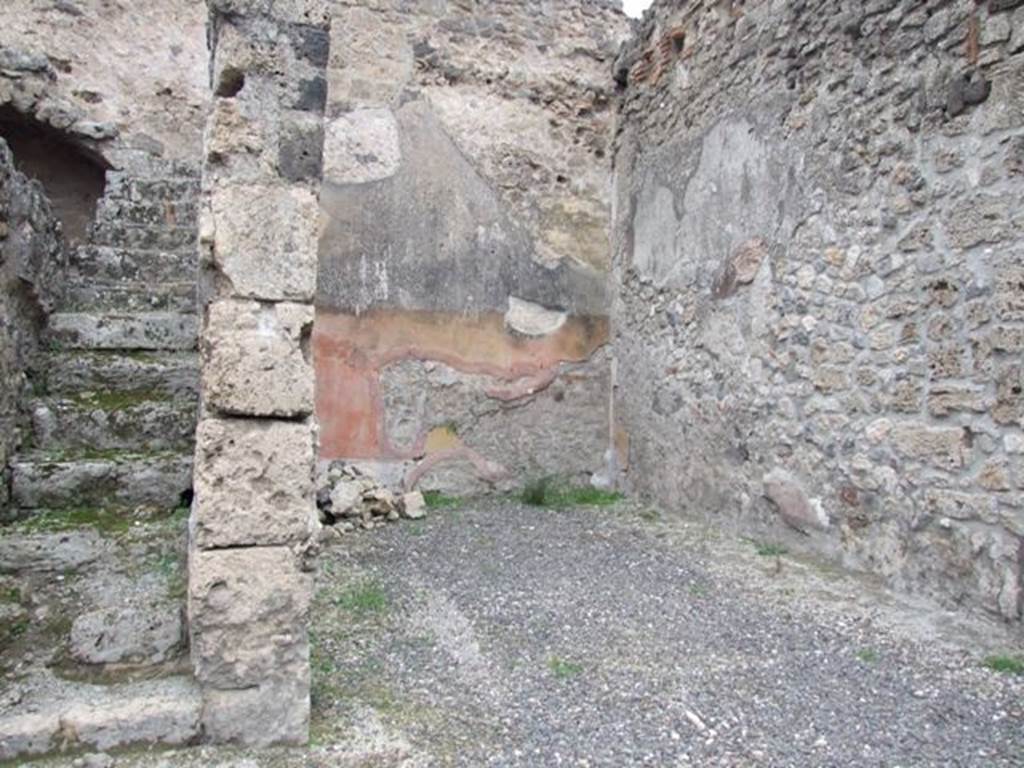
IX.1.12 Pompeii. December 2007. Triclinium/exedra on north side of peristyle area.
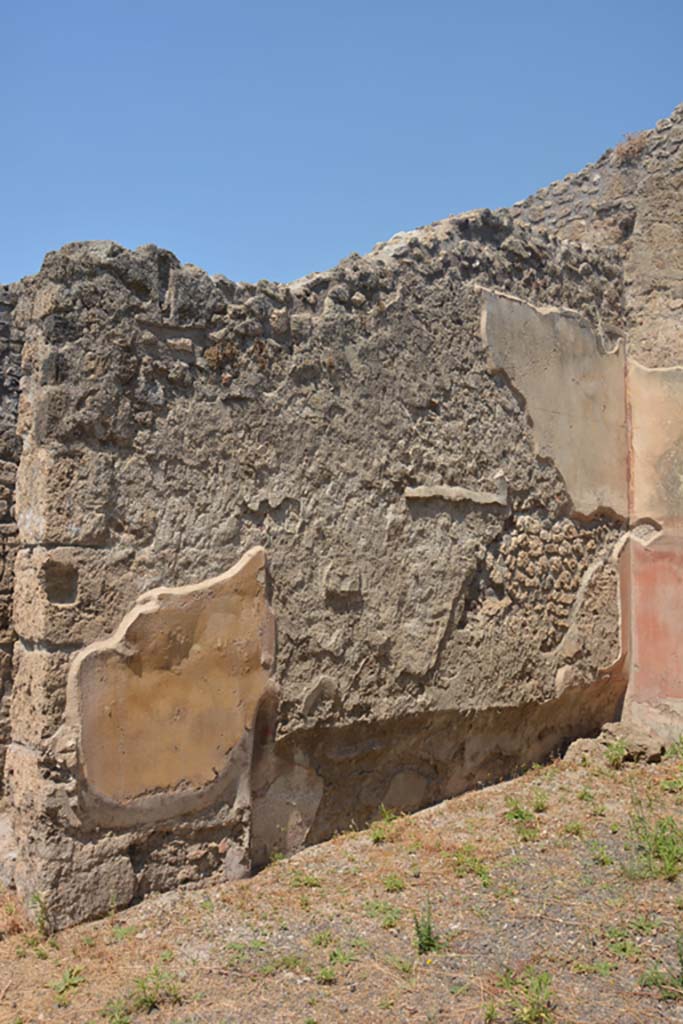
IX.1.12 Pompeii. July 2017. Triclinium/exedra on north side of
peristyle, west wall with recess.
Foto Annette Haug, ERC Grant 681269 DÉCOR.
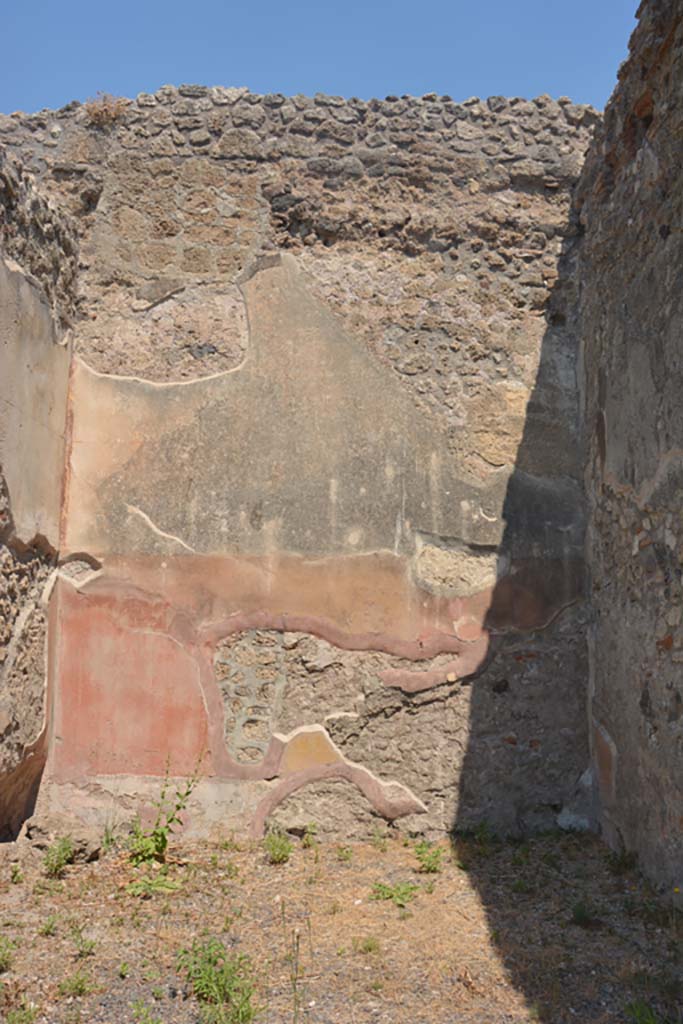
IX.1.12 Pompeii. July 2017. Triclinium/exedra, looking towards north
wall.
Foto Annette Haug, ERC Grant 681269 DÉCOR.
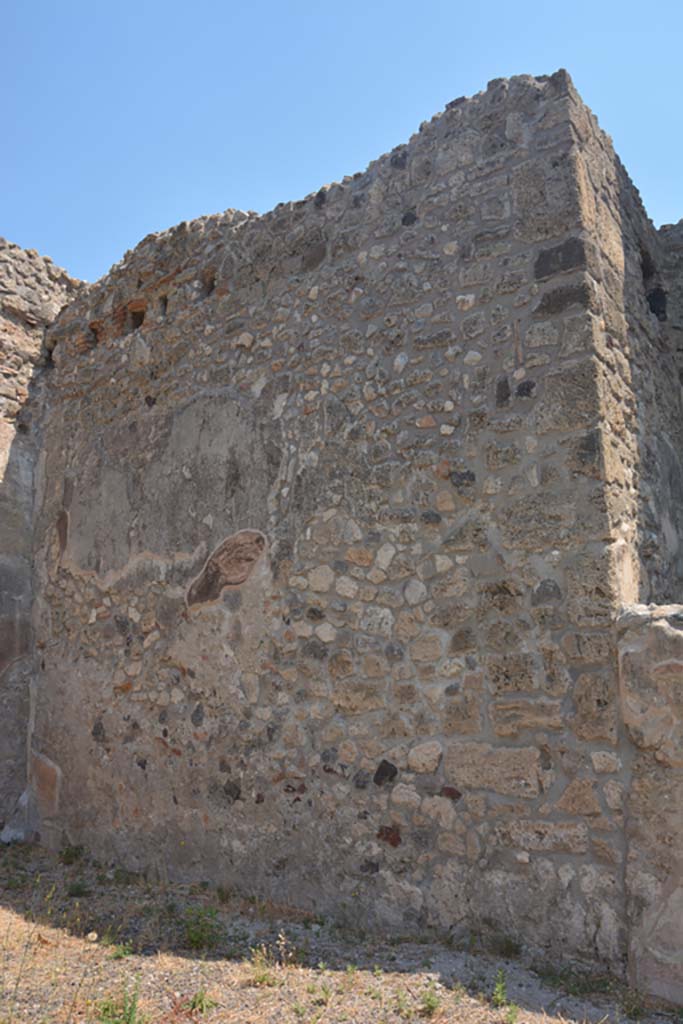
IX.1.12 Pompeii. July 2017. Triclinium/exedra, east wall.
Foto Annette Haug, ERC Grant 681269 DÉCOR.
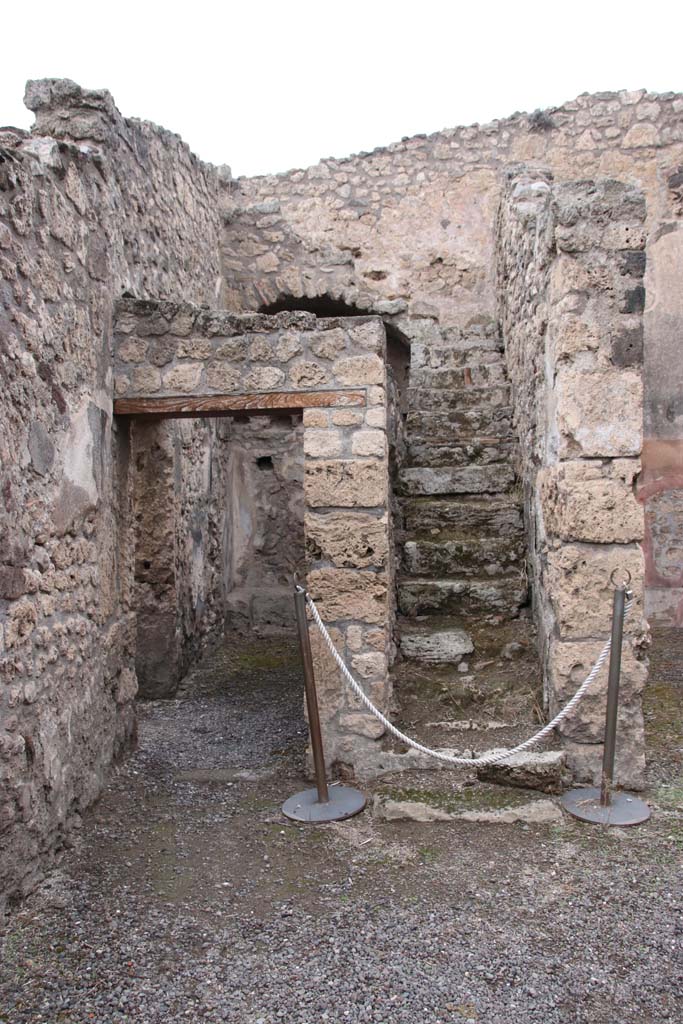
IX.1.12 Pompeii. October 2020.
Looking towards corridor and stairs on north side of peristyle. Photo courtesy of Klaus Heese.
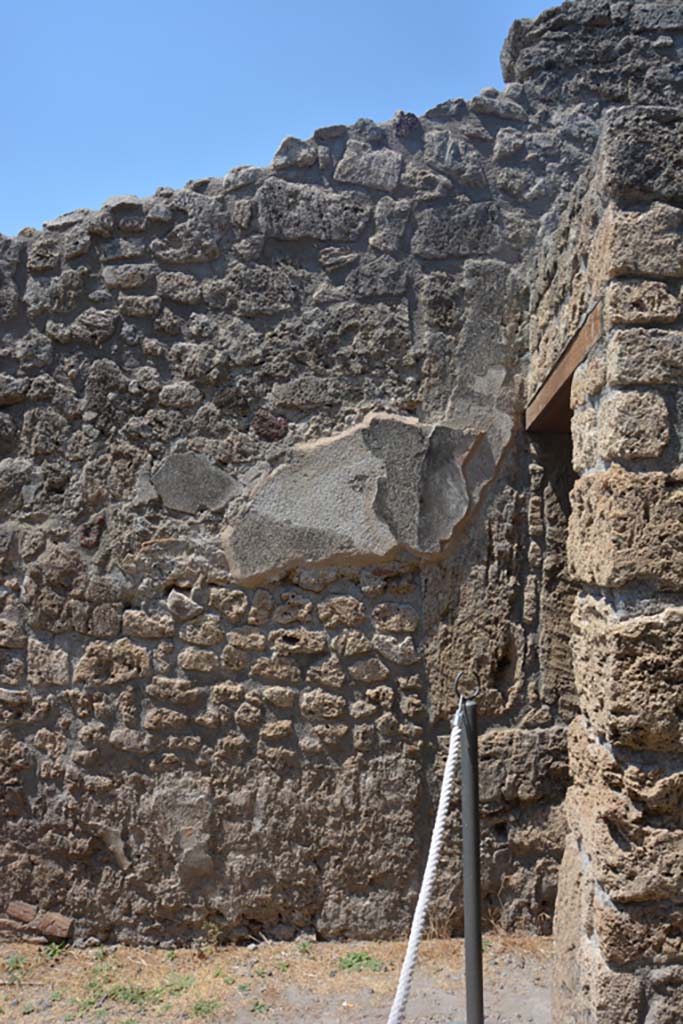
IX.1.12
Pompeii. July 2017.
Remaining
stucco on west wall near doorway to corridor on north side of peristyle.
Foto
Annette Haug, ERC Grant 681269 DÉCOR.
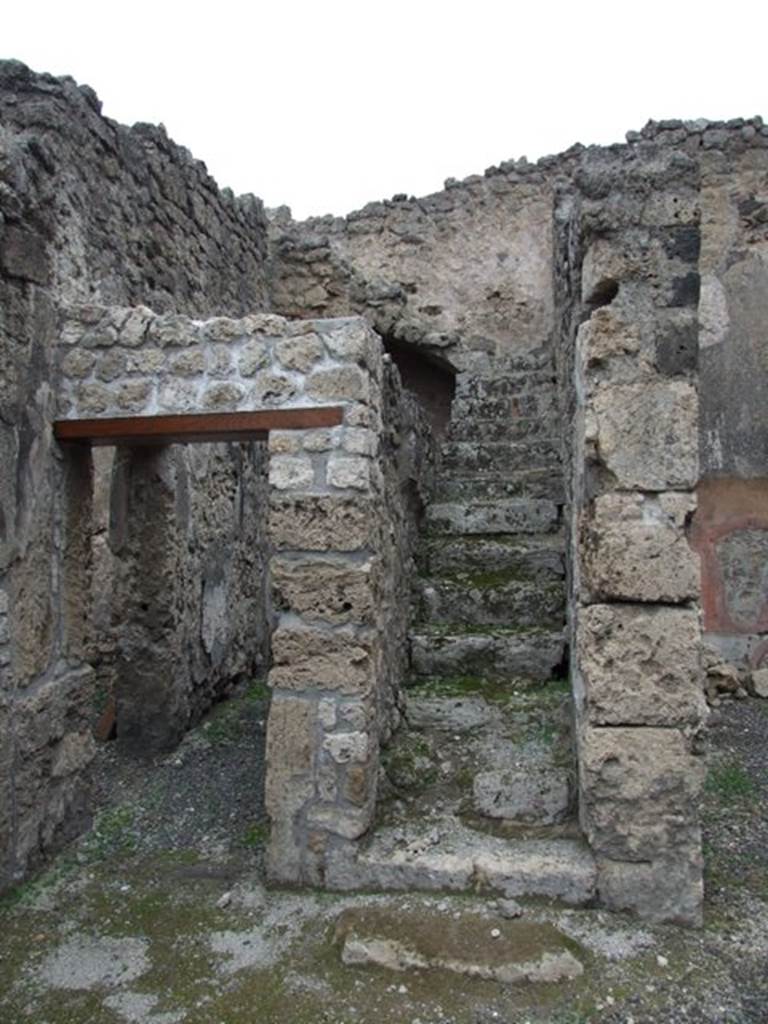
IX.1.12 Pompeii. December 2007. Stone steps to upper floor.
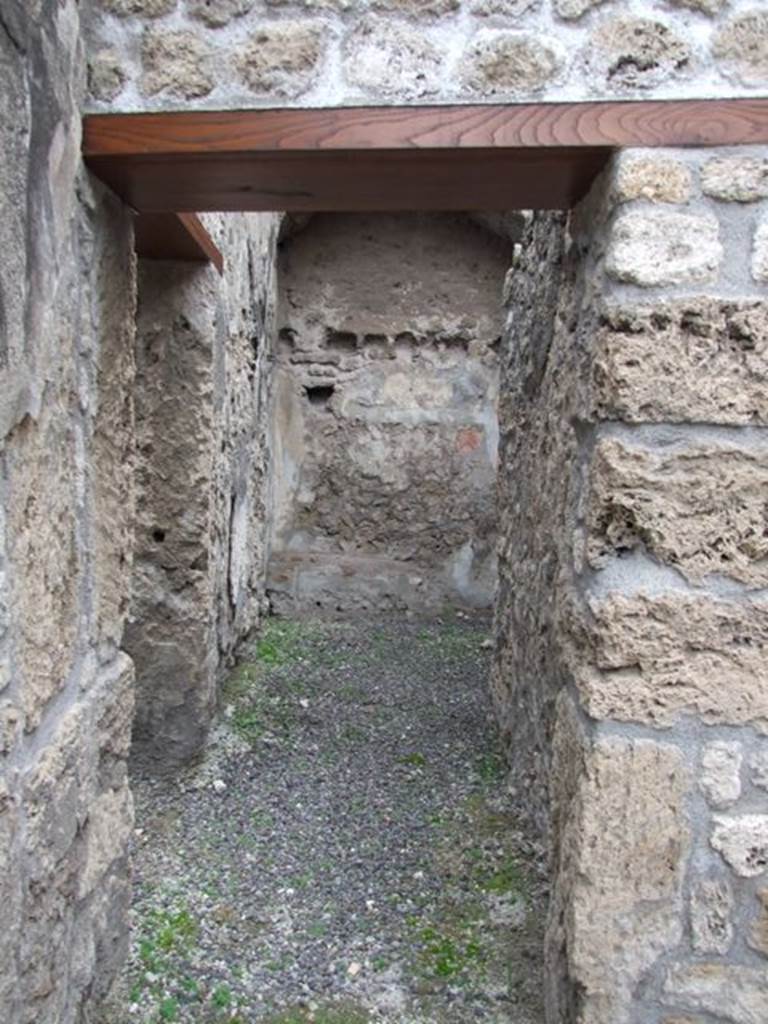
IX.1.12, Pompeii. December 2007. Corridor on north-west side of peristyle next to stone steps.
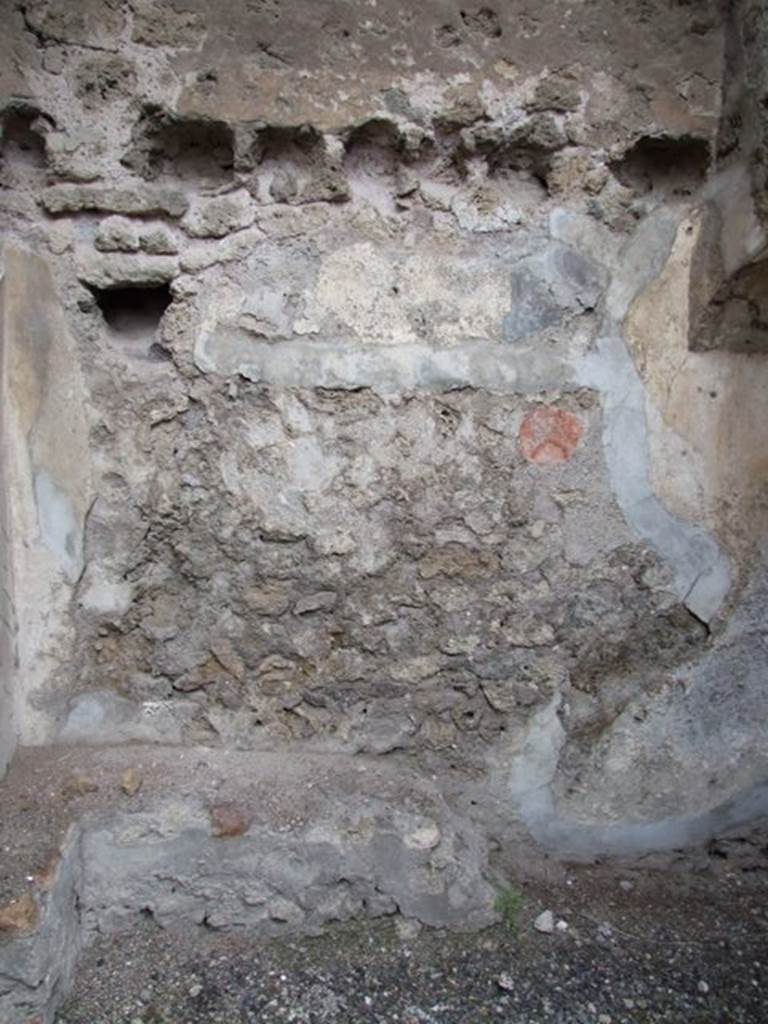
IX.1.12, Pompeii. December 2007.
North wall of room at end of corridor on north-west side of peristyle under the stone steps.
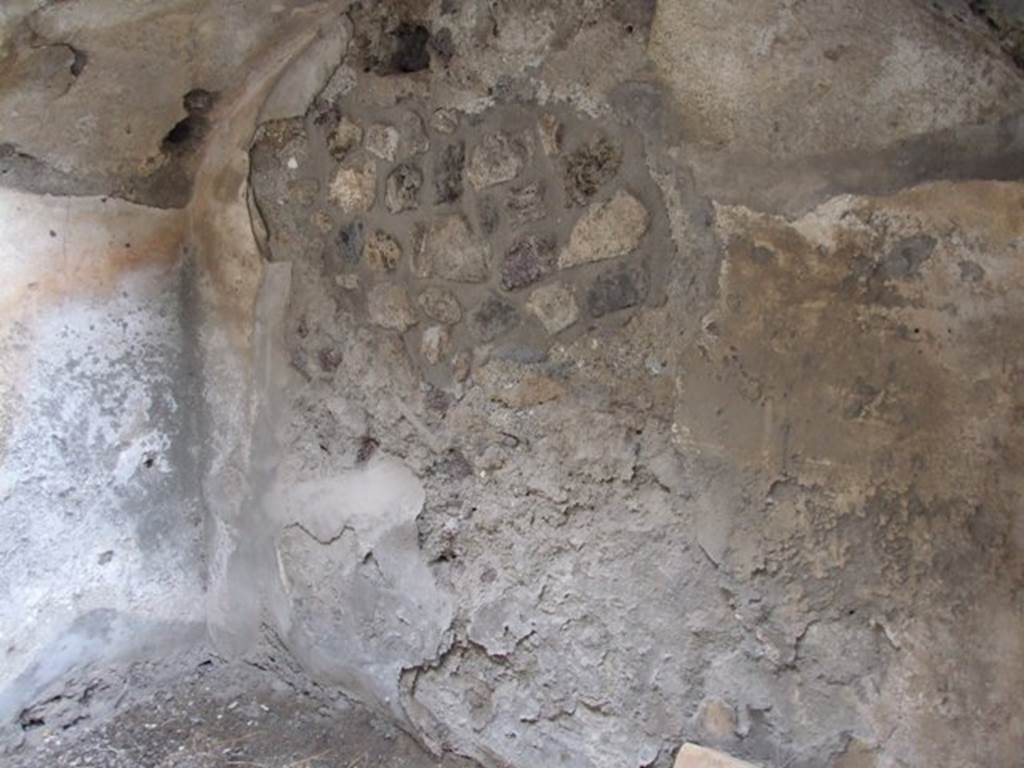
IX.1.12, Pompeii. December 2007. East wall and arch under the stairs in room at end of corridor on north-west side of peristyle.
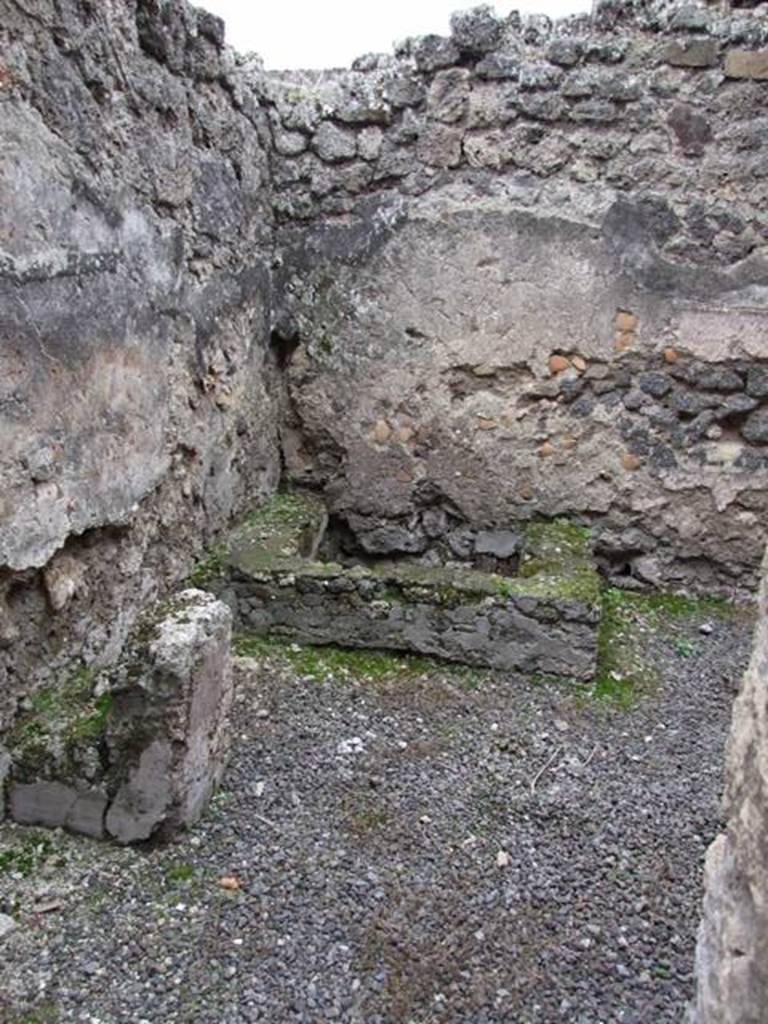
IX.1.12 Pompeii. December 2007. Room in north-west corner next to corridor, kitchen. Looking west.
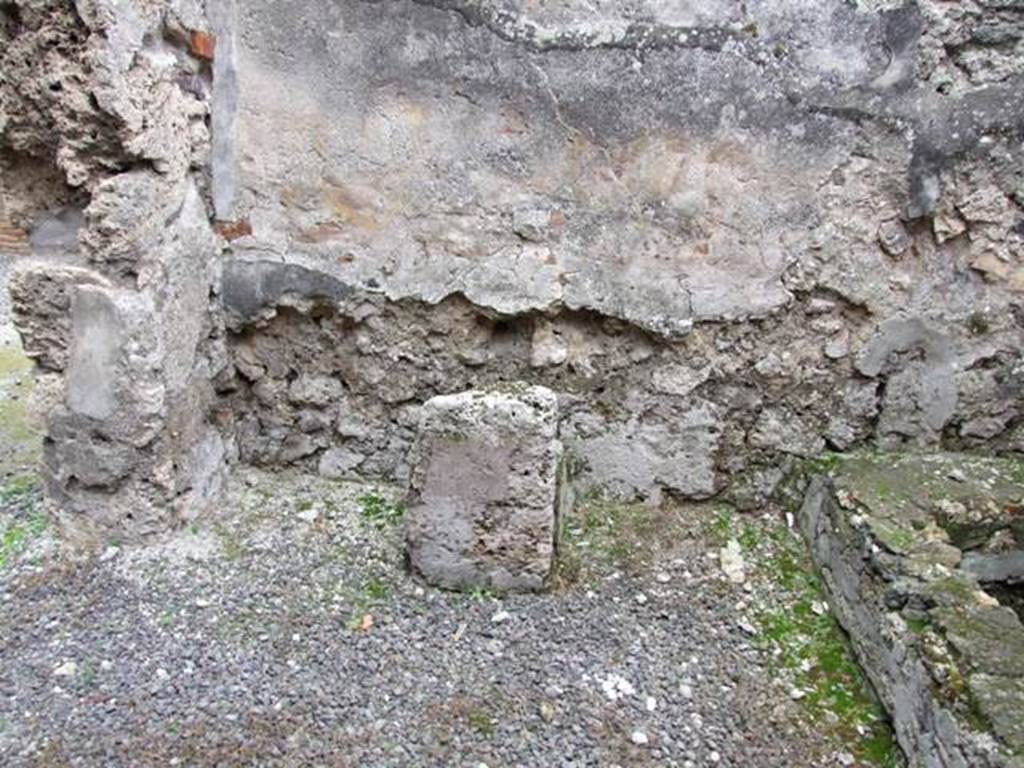
IX.1.12 Pompeii. December 2007. South wall and south-east corner near doorway of kitchen. Masonry altar.
According to Boyce, the lararium painting was done on a white background.
When he wrote his book in 1937, he said that on the right and left, the legs of the figures of the Lares were preserved.
In the middle was the lower part of Venus Pompeiana wearing a yellow chiton and blue mantle.
In her left hand she held a sceptre, and her right rested on a rudder.
At her side was a cupid who seemed to be leaning forward to touch the garment of the goddess.
Below this, the two serpents confronted at a painted altar.
On the floor below the painting a masonry altar stands against the wall.
See Boyce G. K., 1937. Corpus of the Lararia of Pompeii. Rome: MAAR 14. (p.79)
Remains of the altar and household shrine recorded by Helbig: Kitchen: Venus Pompeiana and Gods, 66?
See Helbig, W.,
1868. Wandgemälde der vom Vesuv
verschütteten Städte Campaniens. Leipzig: Breitkopf und Härtel. (66).
See Pappalardo,
U., 2001. La Descrizione di Pompei per
Giuseppe Fiorelli (1875). Napoli: Massa Editore. (p.138)
See Fiorelli, G.
(1875). Descrizione di Pompei,
(p.370)
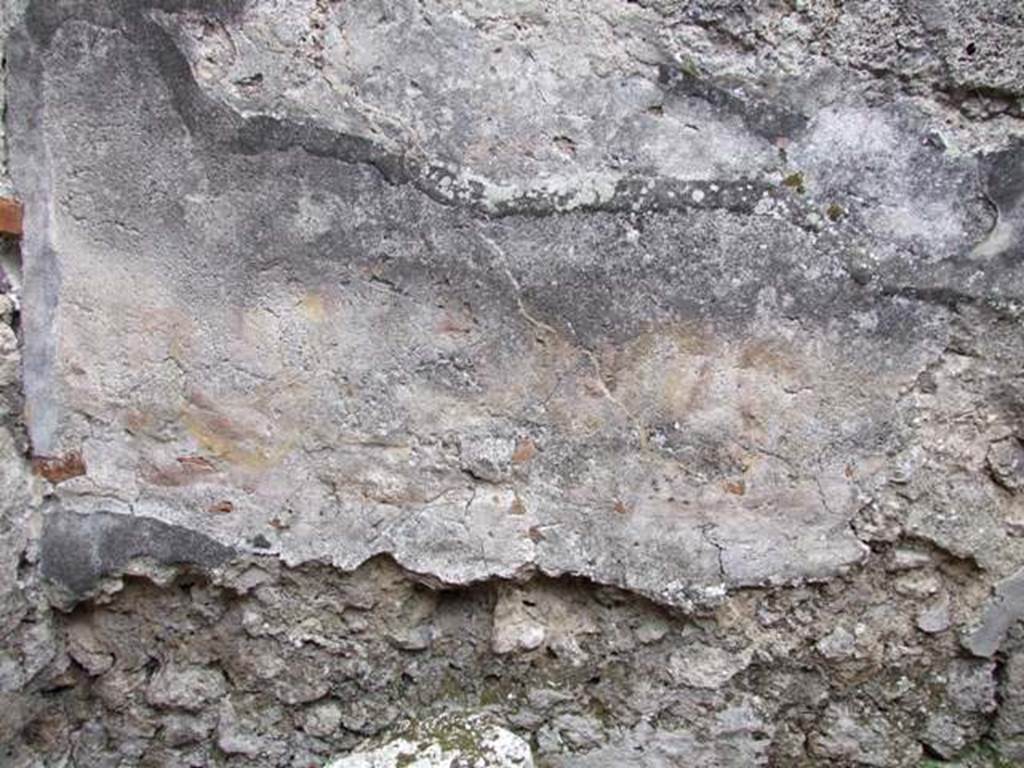
IX.1.12 Pompeii. December 2007. South wall of kitchen.
Is this the remains of the two painted snakes recorded by Boyce and Helbig?
See Boyce G. K., 1937. Corpus of the Lararia of Pompeii. Rome: MAAR 14. (p.79)
See Helbig, W., 1868. Wandgemälde der vom Vesuv verschütteten
Städte Campaniens. Leipzig:
Breitkopf und Härtel. (66).
See Giacobello, F., 2008. Larari Pompeiani: Iconografia e culto dei Lari in ambito domestico. Milano: LED Edizioni. (p.204).