VIII.1.3 Pompeii. Tempio di Venere or Temple of Venus. Entrance on Via Marina.
Linked to VIII.1.5. Excavated 1852, 1869, 1872, 1898, 1937, 1952 and 1984.
Part 2 Part 3 Part 4
Part 5 Part 1
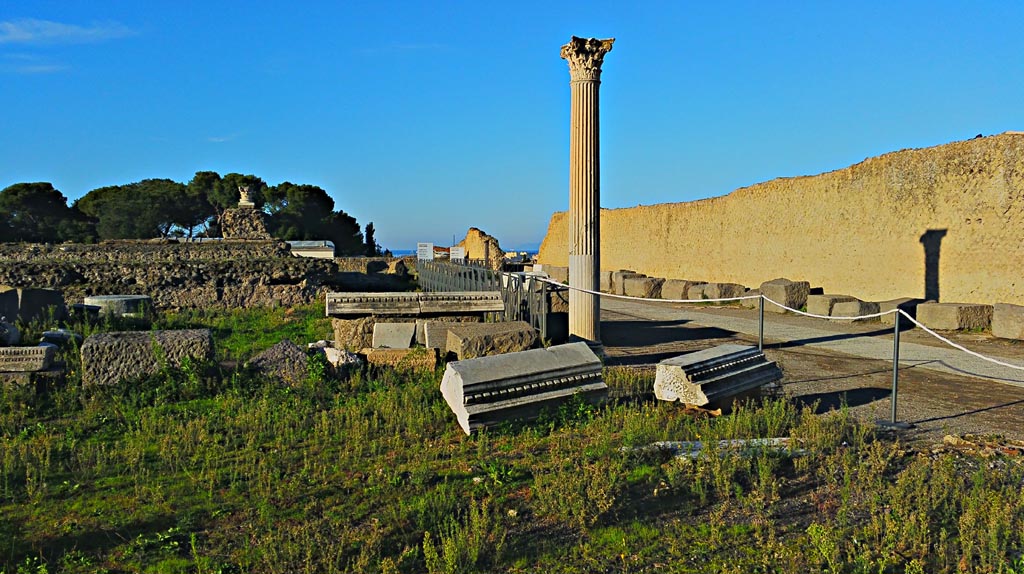
VIII.1.3 Pompeii. 2017/2018/2019.
Looking west along north side of Temple of Venus,
with wall of Via Marina, on right. Photo courtesy of Giuseppe Ciaramella.
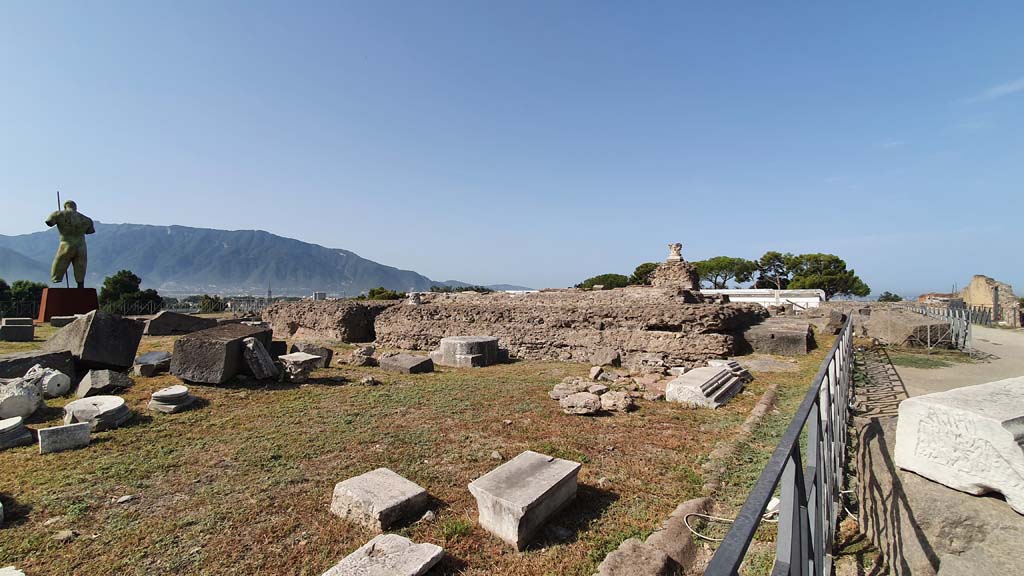
VIII.1.3 Pompeii. August 2021. Looking west along north
side.
Foto Annette Haug, ERC
Grant 681269 DÉCOR.
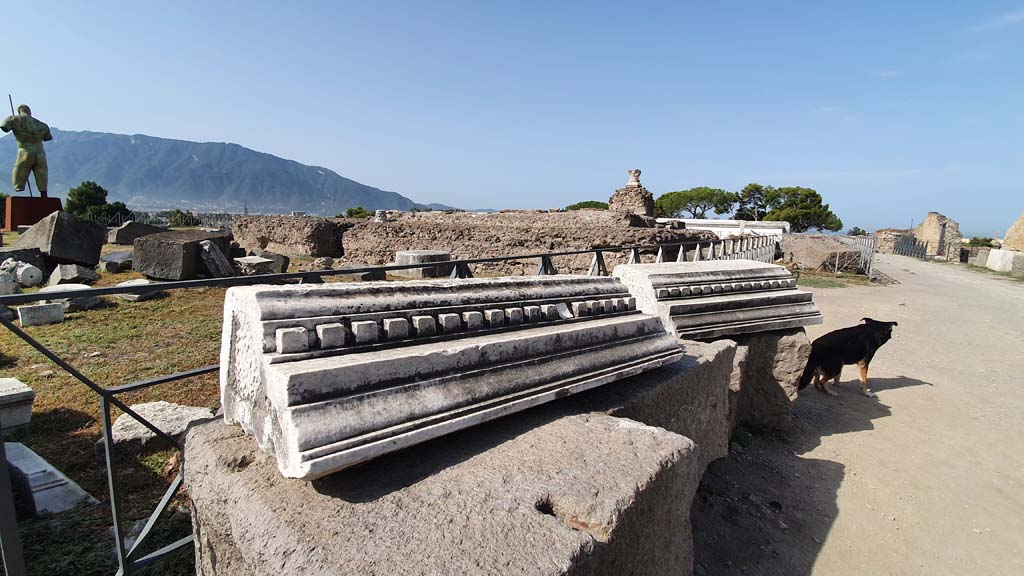
VIII.1.3 Pompeii. August 2021. Decorative marble blocks.
Foto Annette Haug, ERC
Grant 681269 DÉCOR.
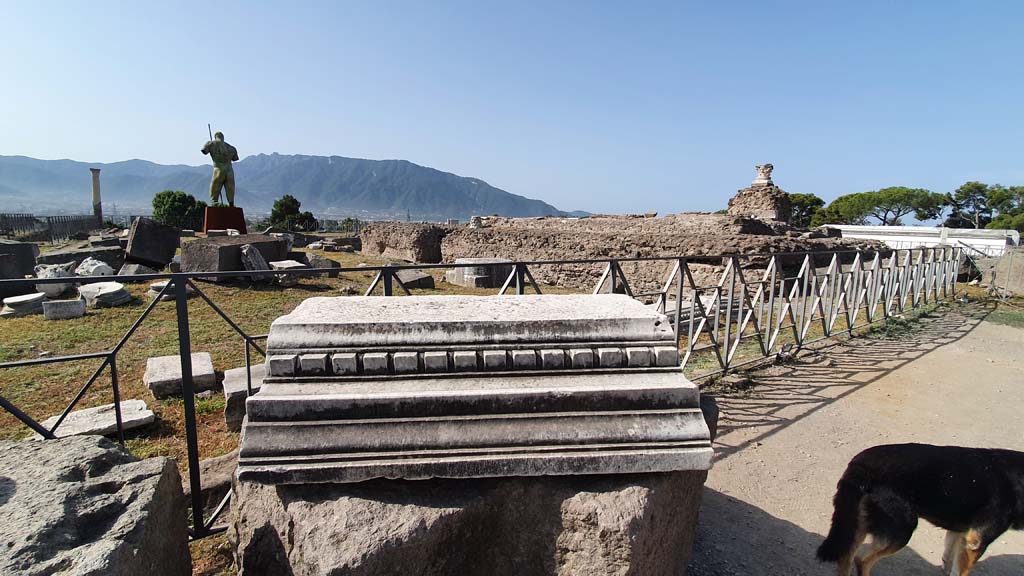
VIII.1.3 Pompeii. August 2021. Decorative marble block.
Foto Annette Haug, ERC Grant 681269 DÉCOR.
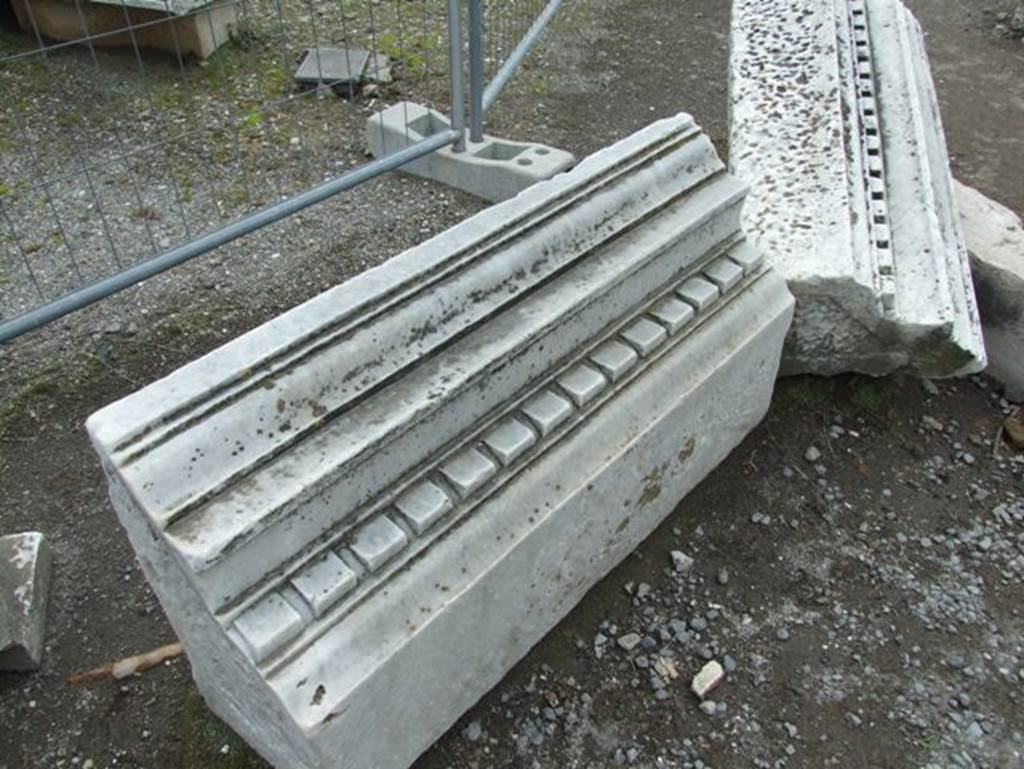
VIII.1.3 Pompeii. March 2009. Decorative marble blocks.
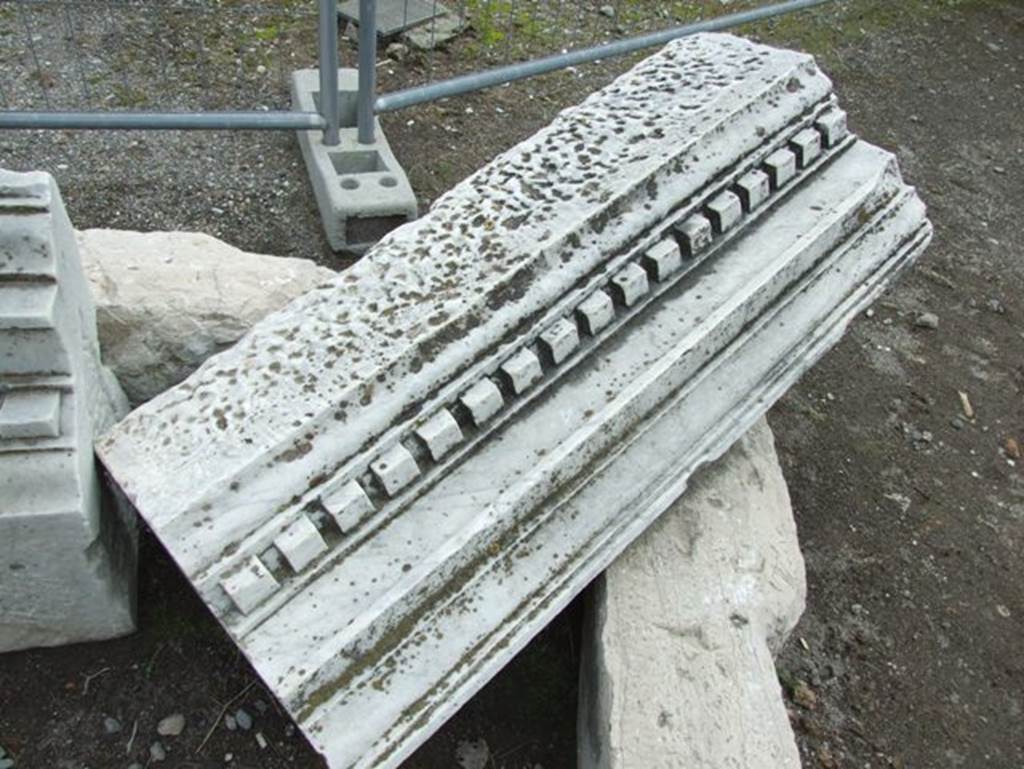
VIII.1.3 Pompeii. March 2009. Decorative marble block.
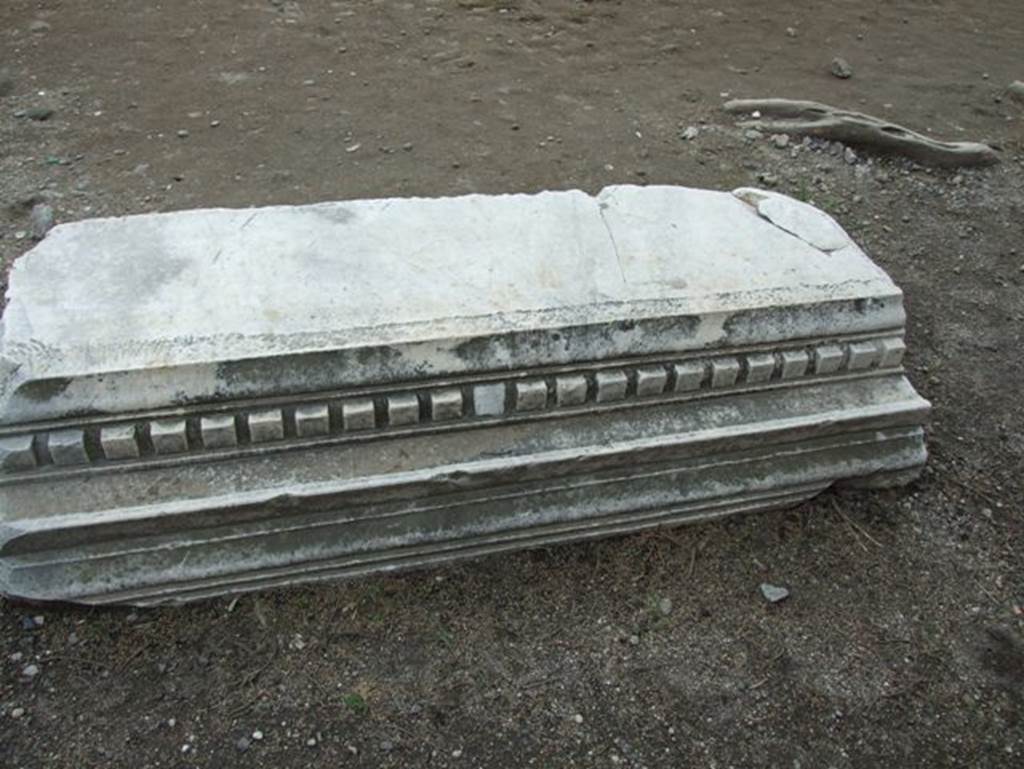
VIII.1.3 Pompeii. March 2009. Decorative marble block.
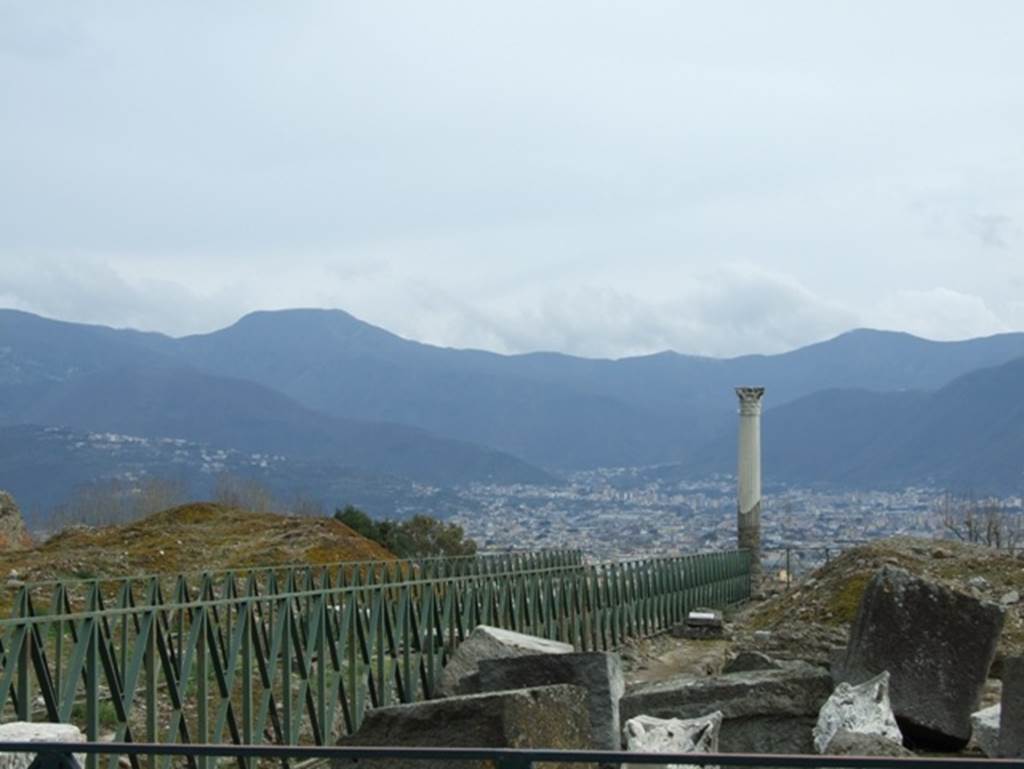
VIII.1.3 Pompeii. March 2009. Looking south-east across site of Temple.
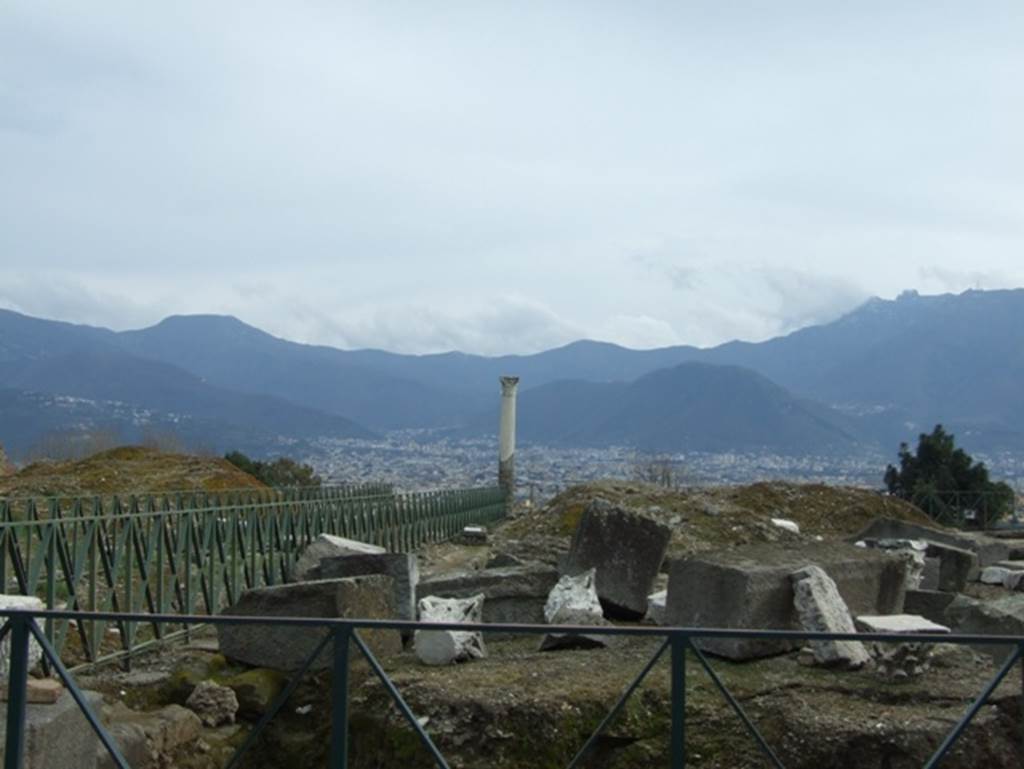
VIII.1.3 Pompeii. March 2009. Looking south-east across site of Temple.
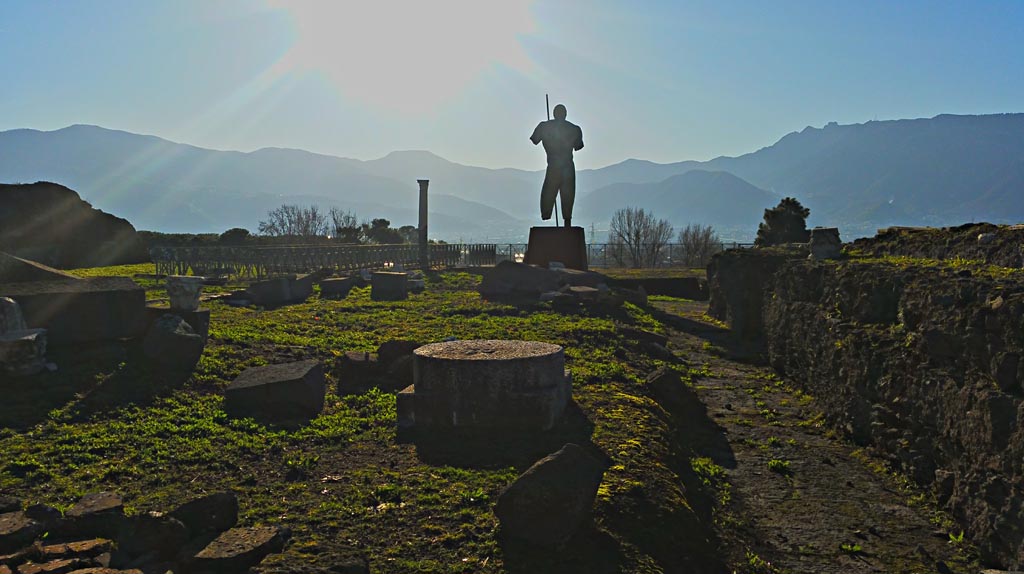
VIII.1.3 Pompeii. December 2019. Looking south across Temple
of Venus. Photo courtesy of Giuseppe
Ciaramella.
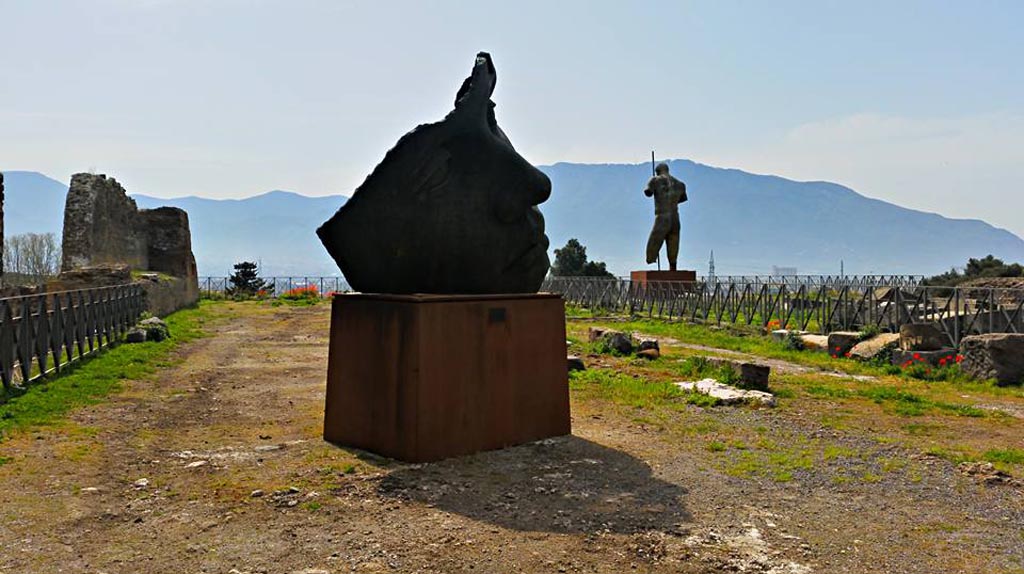
VIII.1.3 Pompeii. 2016/2017. Looking south across
Temple of Venus. Photo courtesy of Giuseppe Ciaramella.
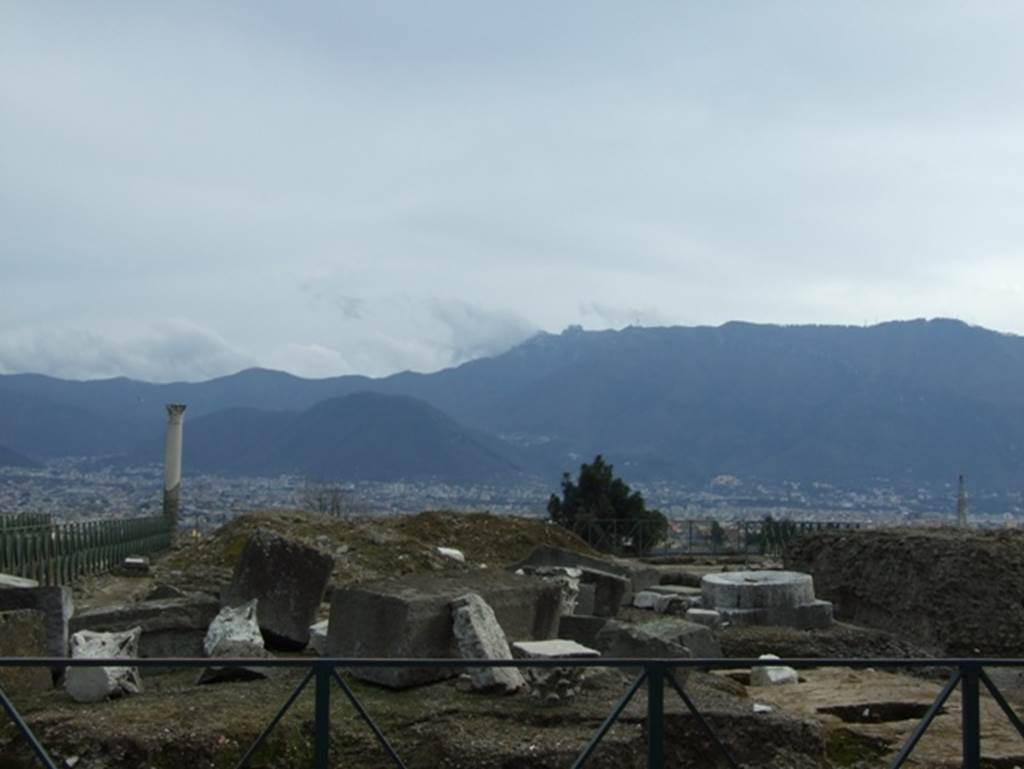
VIII.1.3 Pompeii. March 2009. Looking south across site of Temple.
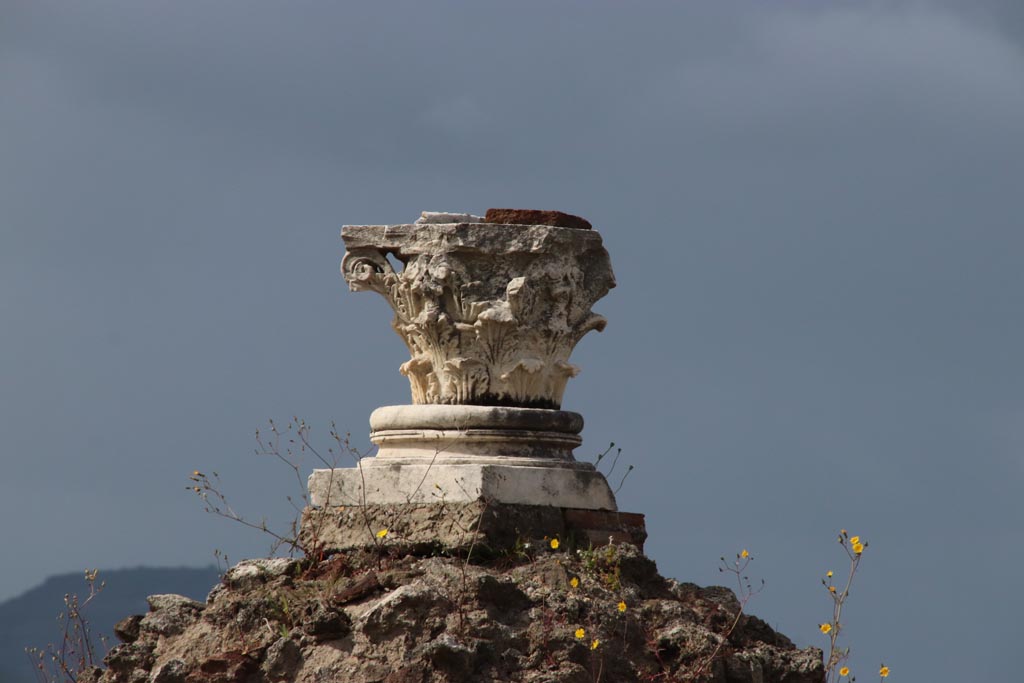
VIII.1.3 Pompeii. May 2024. Capital. Photo courtesy of Klaus Heese.
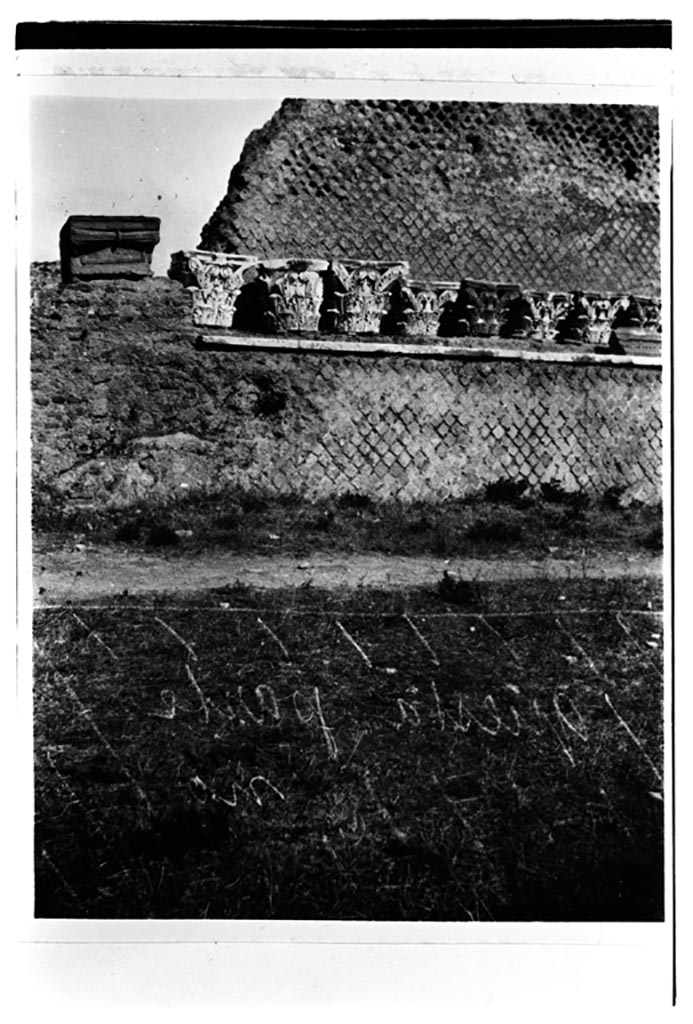
VIII.1.3 Pompeii. W.1604. Capitals from the Temple of Venus.
Photo by Tatiana
Warscher. Photo © Deutsches Archäologisches Institut, Abteilung Rom, Arkiv.
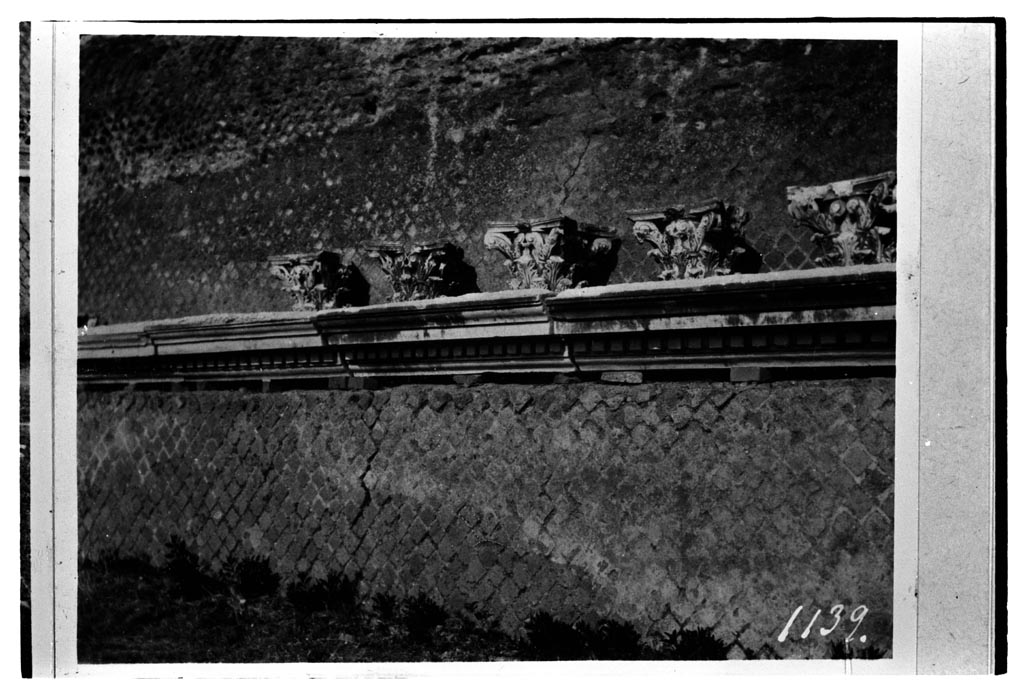
VIII.1.3 Pompeii. W.1605. Capitals and entablatures from the Temple of Venus.
Photo by Tatiana
Warscher. Photo © Deutsches Archäologisches Institut, Abteilung Rom, Arkiv.
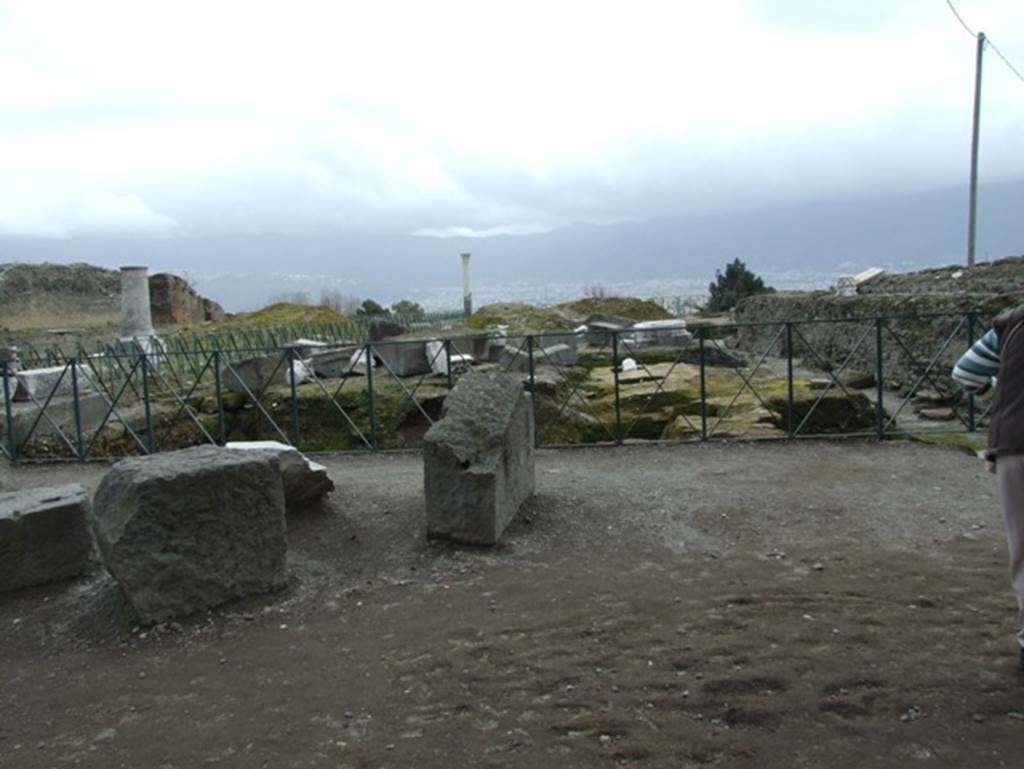
VIII.1.3 Pompeii. March 2009. Looking south across site of Temple.
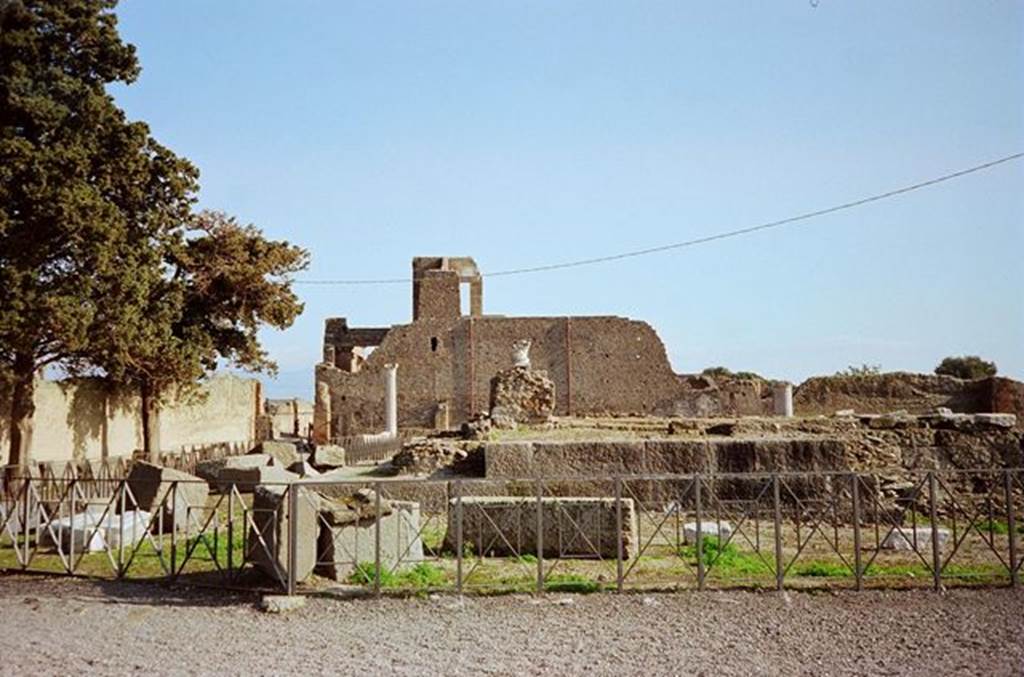
VIII.1.3 Pompeii. January 2010. Looking east to entrance from north-west corner. Photo courtesy of Rick Bauer.
According to Carroll, “Looking east towards view of the temple as it was being enlarged after 62AD.
The upright core is part of the mid-first century BC temple.
The still intact courses of large basalt blocks were laid into a construction trench surrounding the earliest building.
The scattered basalt blocks in the courtyard are remnants of building work”.
See: Carroll, M. (2010): Exploring
the sanctuary of Venus and its sacred grove: politics, cult and identity in
Roman Pompeii.
In: Papers of the British School at Rome 78, (2010) pp.63-106.
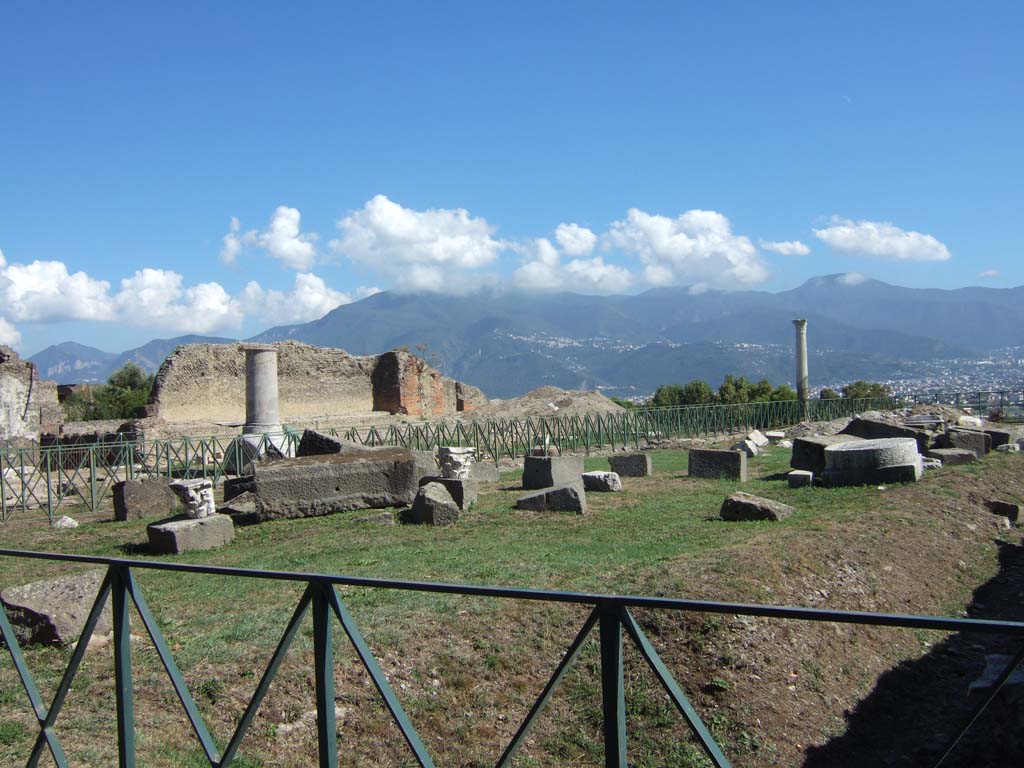
VIII.1.3 Pompeii. September 2005. Looking south-east from the north-west corner.
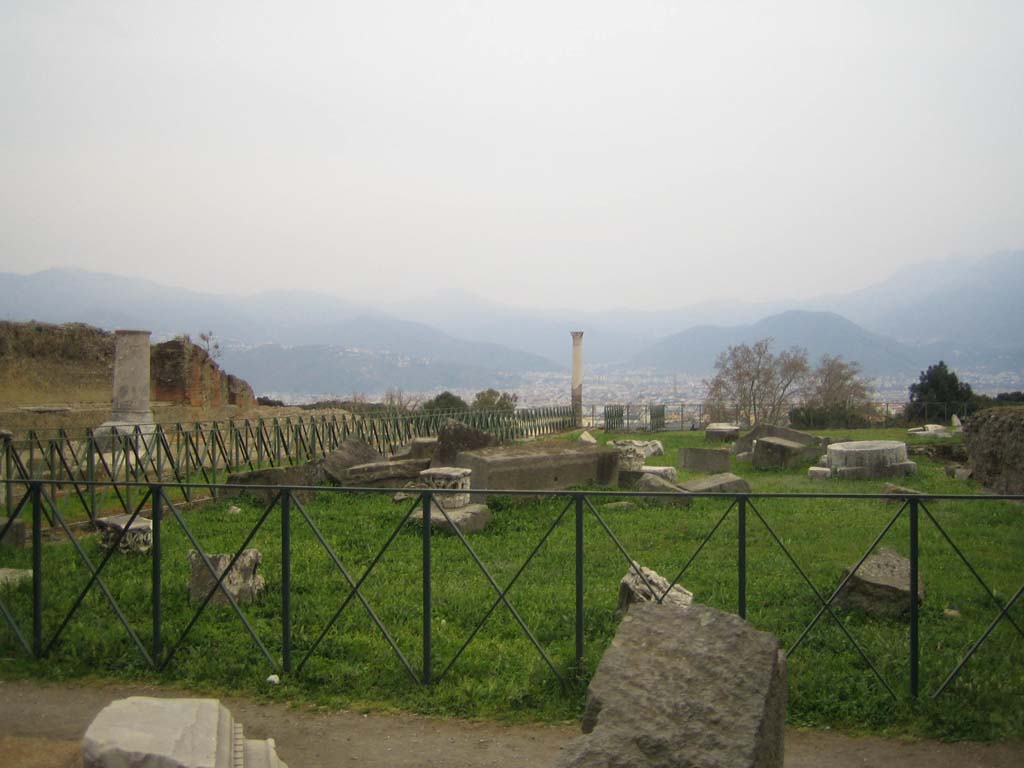
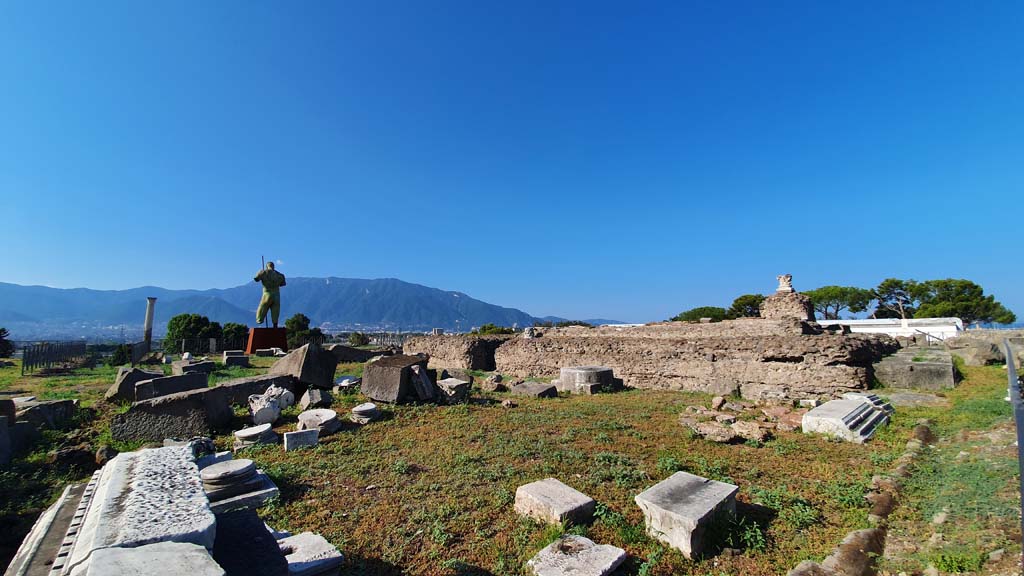
VIII.1.3 Pompeii. July 2021. Looking south-west from north
side.
Foto Annette Haug, ERC Grant 681269 DÉCOR.
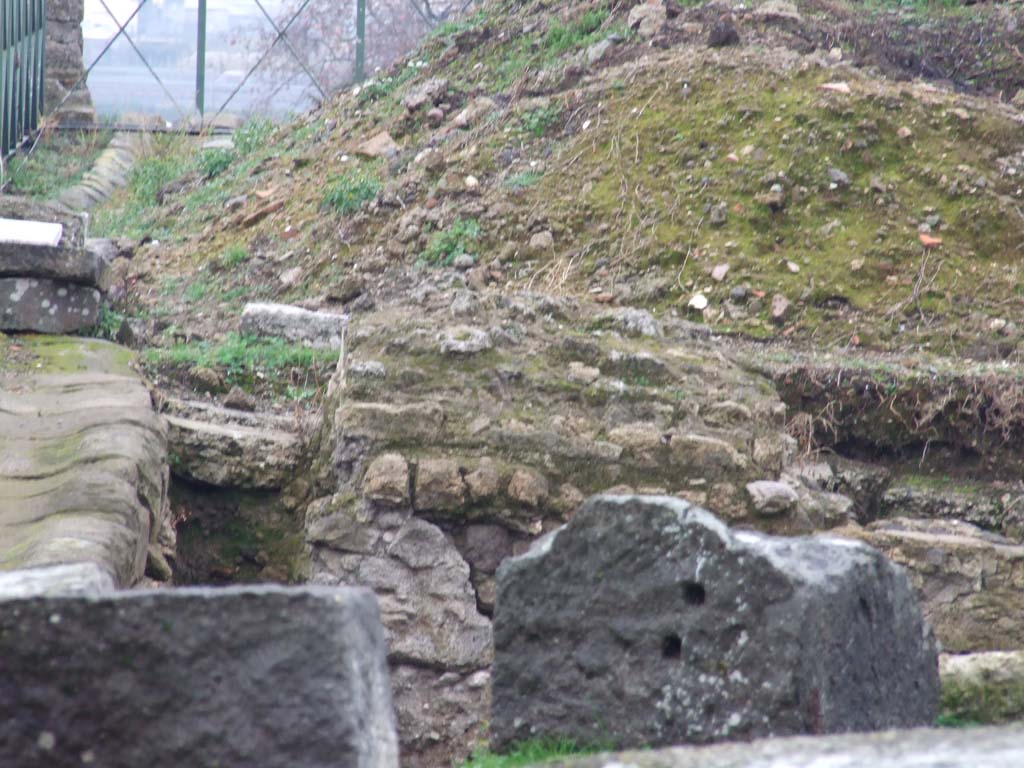
VIII.1.3 Pompeii. December 2007. Centre of south side.
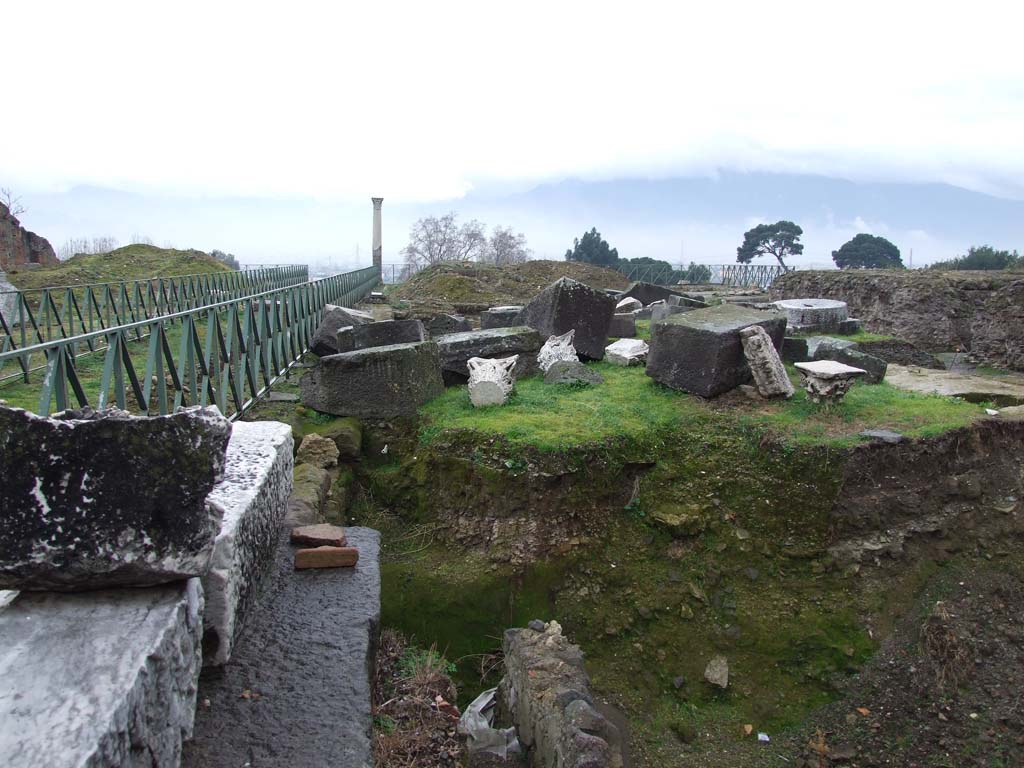
VIII.1.3 Pompeii. December 2007. Looking south from centre of north side.
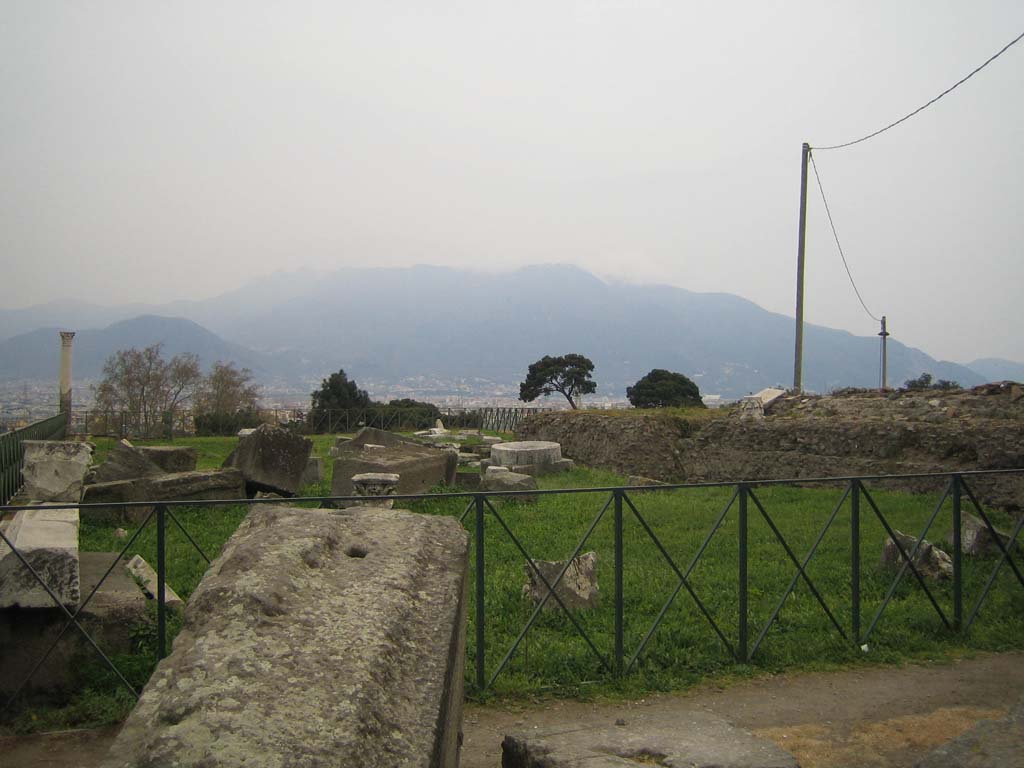
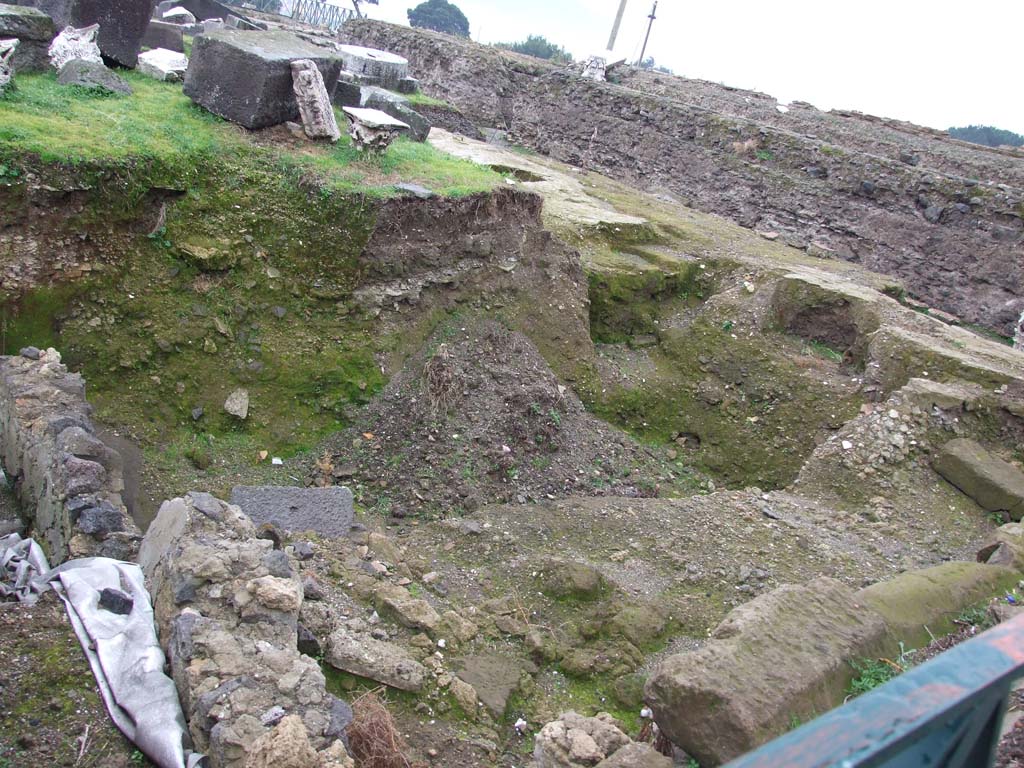
VIII.1.3 Pompeii. December 2007. Looking west from centre of north side.
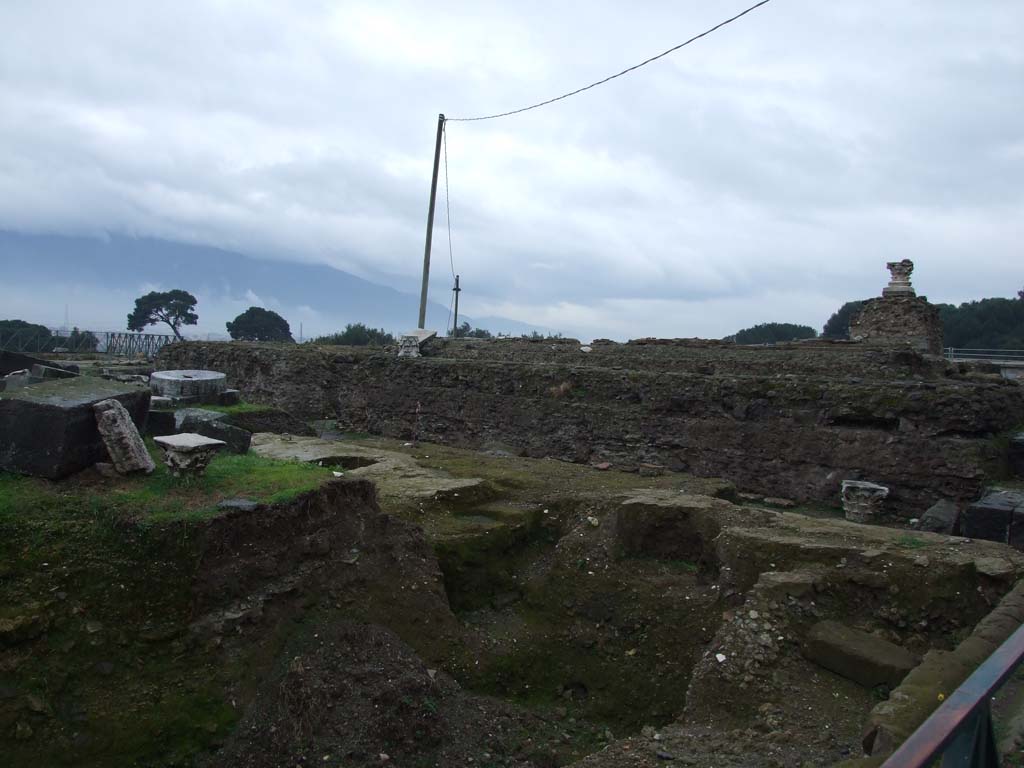
VIII.1.3 Pompeii. December 2007. Looking west from north side.