VII.4.16 Pompeii. Caupona or Workshop for the Society of Saccari.
Corporazione dei facchini di
piazza or Guild of Porters.
Taberna or Pottery shop of Samellius.
Linked to VII.4.15. Excavated 1817, 1821, 1824.
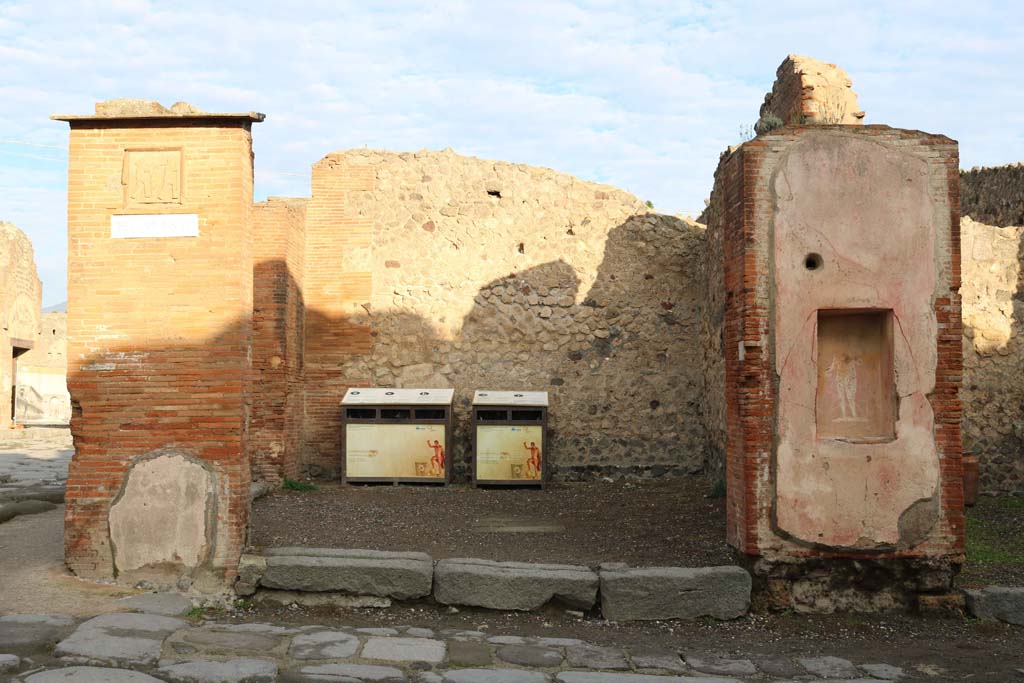
VII.4.16 Pompeii. December 2018. Looking north to doorway on
Via degli Augustali. Photo courtesy of Aude Durand.
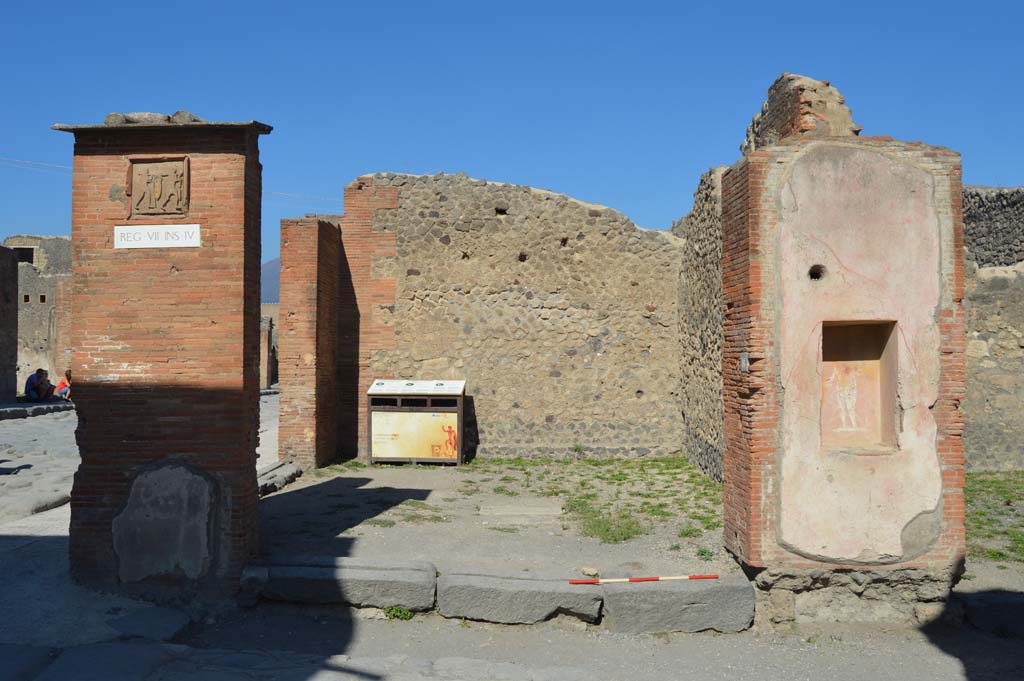
VII.4.16 Pompeii. October 2017. Looking
north to doorway on Via degli Augustali at junction with Via del Foro, on left.
Foto Taylor Lauritsen, ERC
Grant 681269 DÉCOR.
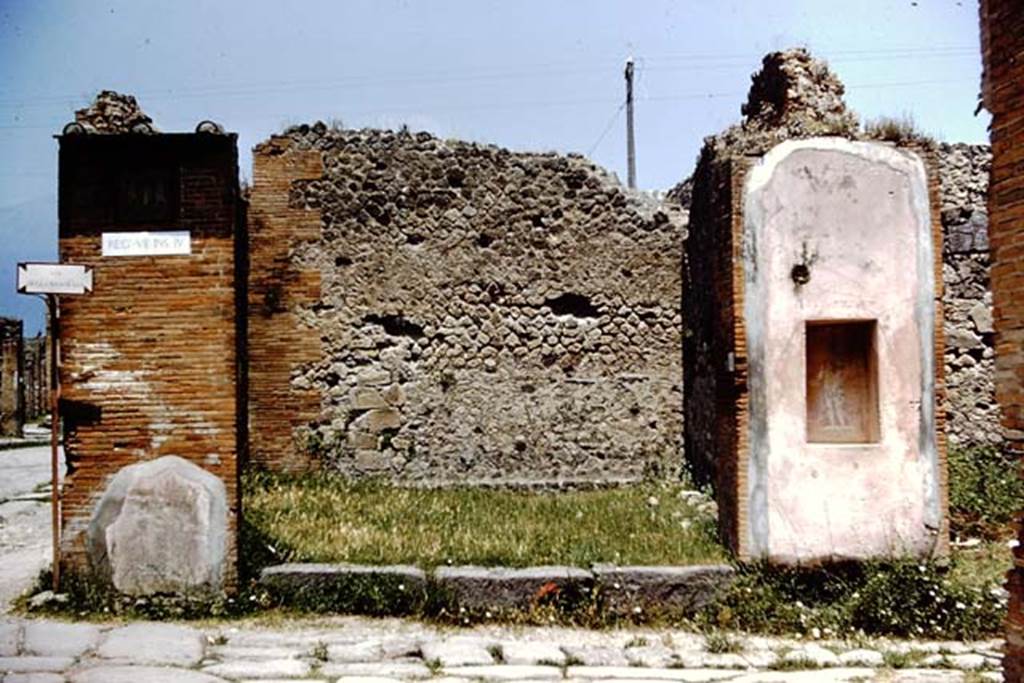
VII.4.16 Pompeii. 1961. Looking north to entrance doorway. Photo by Stanley A. Jashemski.
Source: The Wilhelmina and Stanley A. Jashemski archive in the University of Maryland Library, Special Collections (See collection page) and made available under the Creative Commons Attribution-Non-Commercial License v.4. See Licence and use details.
J61f0645
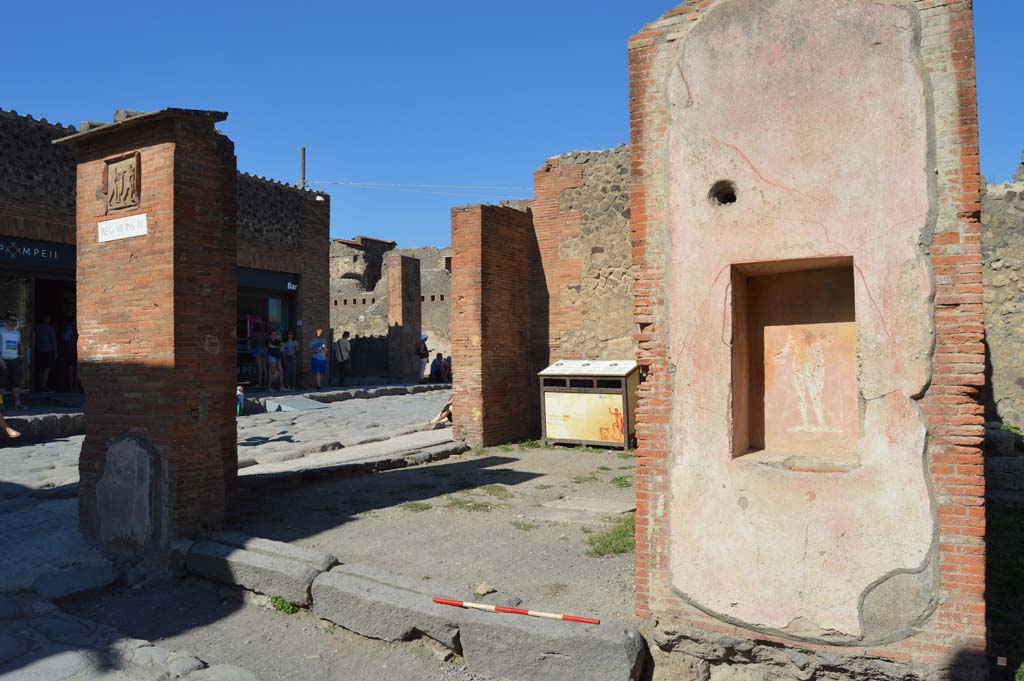
VII.4.16 Pompeii. October 2017. Looking towards
west side across entrance doorway and other doorway at VII.4.15 on Via del
Foro.
Foto Taylor Lauritsen, ERC Grant 681269 DÉCOR.
VII.4.16 Pompeii. October
2017. Looking towards pilaster on west side of entrance doorway.
Foto Taylor Lauritsen, ERC Grant 681269 DÉCOR.
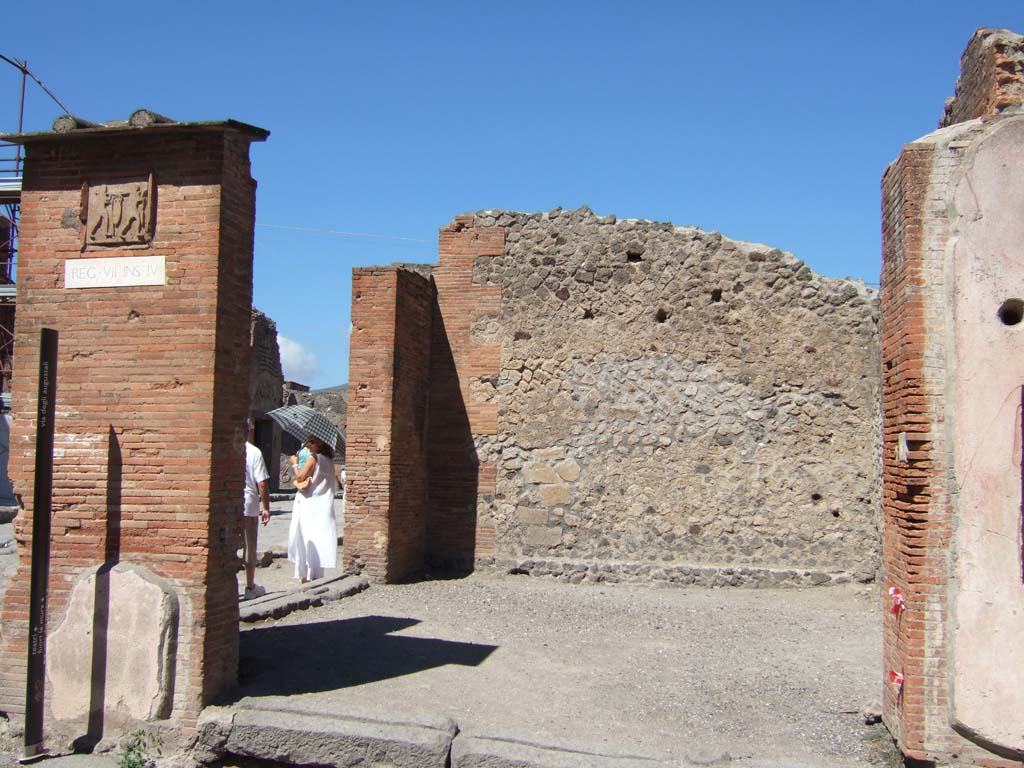
VII.4.16 Pompeii. September 2005. Caupona. On the left pillar was a picture of Mars now destroyed.
According to Boyce, the picture was of a youthful male figure in tunic and pallium probably Mars, holding a shield in his left hand, and a spear in his right hand.
See Boyce G. K., 1937. Corpus of the Lararia of Pompeii. Rome: MAAR 14. (p.111, no.14, and Helbig 22)
On the right pillar is a street altar with a picture of Jupiter, see VII.4.17.
See Fröhlich, T.,
1991, Lararien und Fassadenbilder in den
Vesuvstädten. Mainz: von
Zabern. (F48: p.325).
See Eschebach, L., 1993, Gebäudeverzeichnis und Stadtplan der antiken Stadt Pompeji. Köln: Böhlau. (p.275).
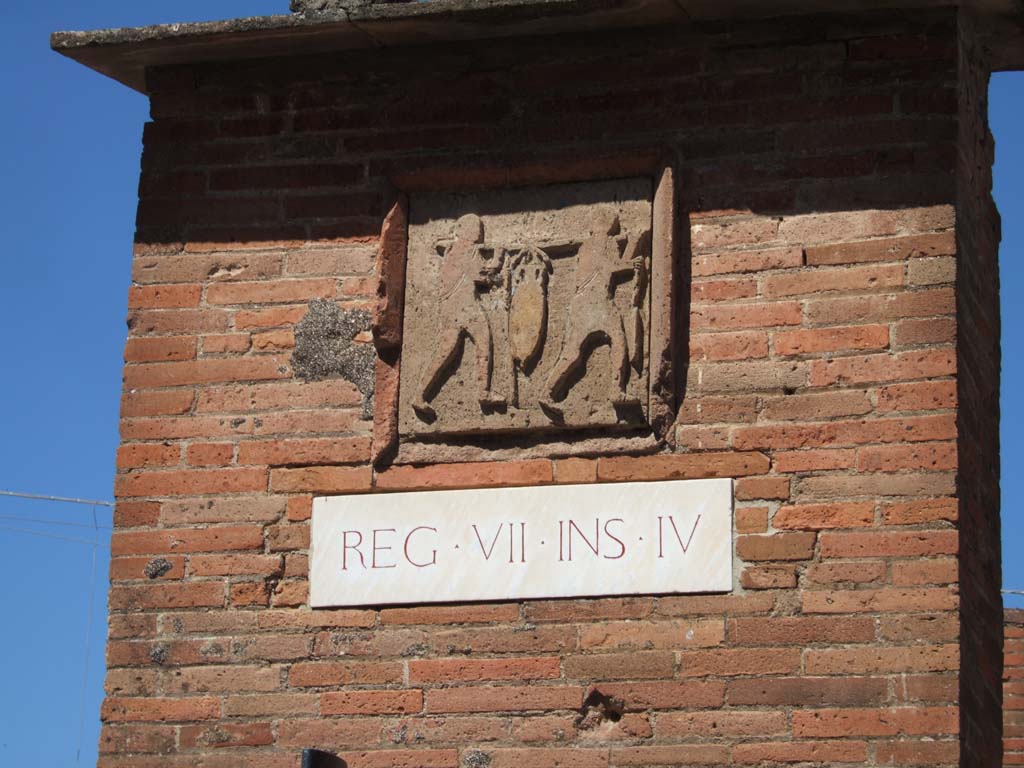
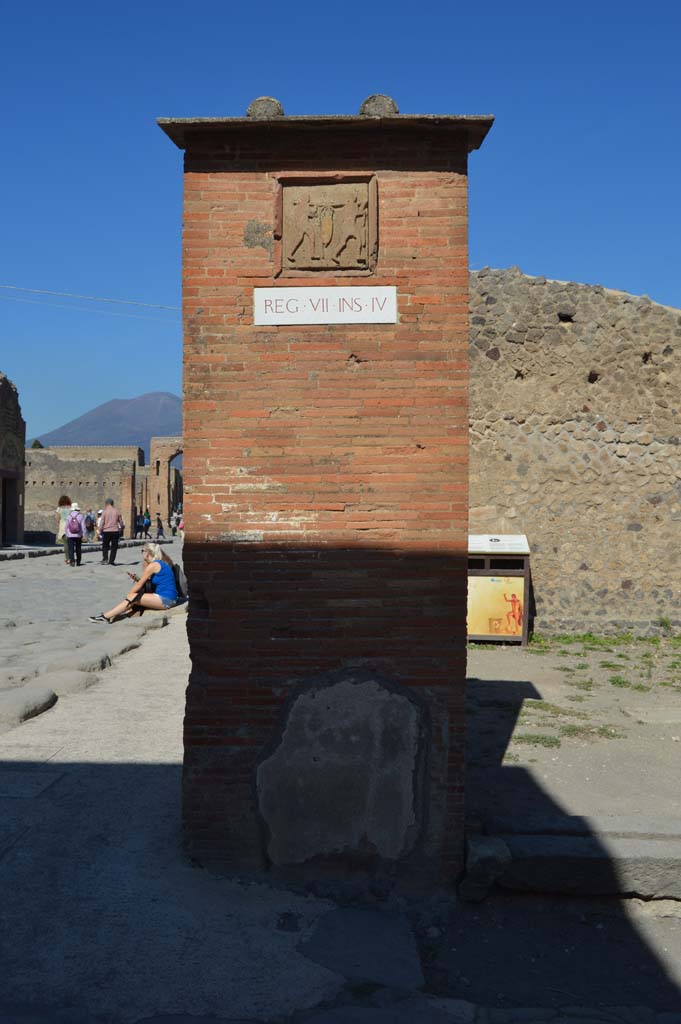
VII.4.16 Pompeii. September 2005. West corner pilaster.
Plaque of Nucerian stone showing relief of two men carrying an amphora on a wooden pole stretched across their shoulders.
Agyagfalva describes it as a pottery shop, with the name Samellius.
He says that here in 1819 were found a lot of pottery ware, such as: dishes, plates, pots, vases, lamps.
See Agyagfalva, Ludwig Goro von, 1825. Wanderungen durch Pompeii. Wien: Morschner und Jasper, p. 107.
C.T.P. records CIL IV 498 against this reference.
According to Epigraphik-Datenbank Clauss/Slaby (See www.manfredclauss.de) this reads
M(arcum)
Samellium [CIL IV 498].
Fiorelli thought the plaque showed this was a “taberna vinaria”.
See Pappalardo,
U., 2001. La Descrizione di Pompei per
Giuseppe Fiorelli (1875). Napoli: Massa Editore. (p.89)
According to
C.T.P. the plaque gave the appellation “Corporazione dei facchini di piazza” - a
Guild of Porters.
See Van der Poel, H. B., 1983. Corpus Topographicum Pompeianum, Part II. Austin: University of Texas, p. 278.
Della Corte thought on the evidence of two graffiti naming “saccari”, that it could have been a workshop for “carriers or delivery men or boys”.
These would have been needed where carts or donkeys could not get to, and goods would have been delivered by hand.
See Della Corte, M., 1965. Case ed Abitanti di Pompei. Napoli: Fausto Fiorentino. (p.146)
According to Della Corte, found on this corner pilaster was a recommendation for the candidate A. Vettio.
Another one in support of Cerrinio Vatia was also found nearby, on an external wall to the north of this one but he did not know from where.
A(ulum) Vettium//
aed(ilem)
saccari
rog(ant) [CIL IV 497]
M(arcum)
Cerrinium [V]a[tia]m
aed(ilem) saccari
rog(ant) [CIL IV 274]
Fiorelli said there were many painted epigraphs written on
this pilaster, the most important being – A. VETTIUM AED. SACCARI ROG.
See Pappalardo, U., 2001. La Descrizione di Pompei per Giuseppe Fiorelli (1875). Napoli: Massa Editore. (p.89)
Also found here in July 1821 was –
Licinium Faustium
aed(ilem) [CIL
IV 554]
and on the pilaster, on the right, was written –
Si<tt=LV>ium
Magnum
[CIL IV 553]
See Pagano, M. and Prisciandaro, R., 2006. Studio sulle provenienze degli oggetti rinvenuti negli scavi borbonici del regno di Napoli. Naples: Nicola Longobardi. (p.122)
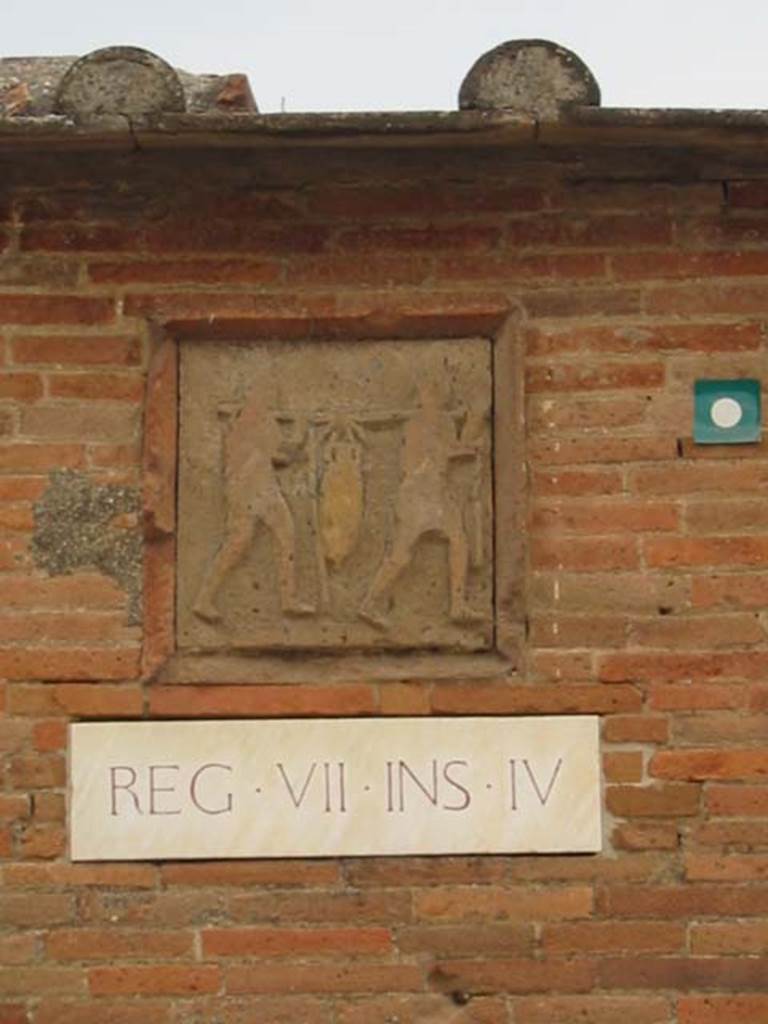
VII.4.16 Pompeii. May 2003. Plaque on west corner pilaster. Photo courtesy of Nicolas Monteix.
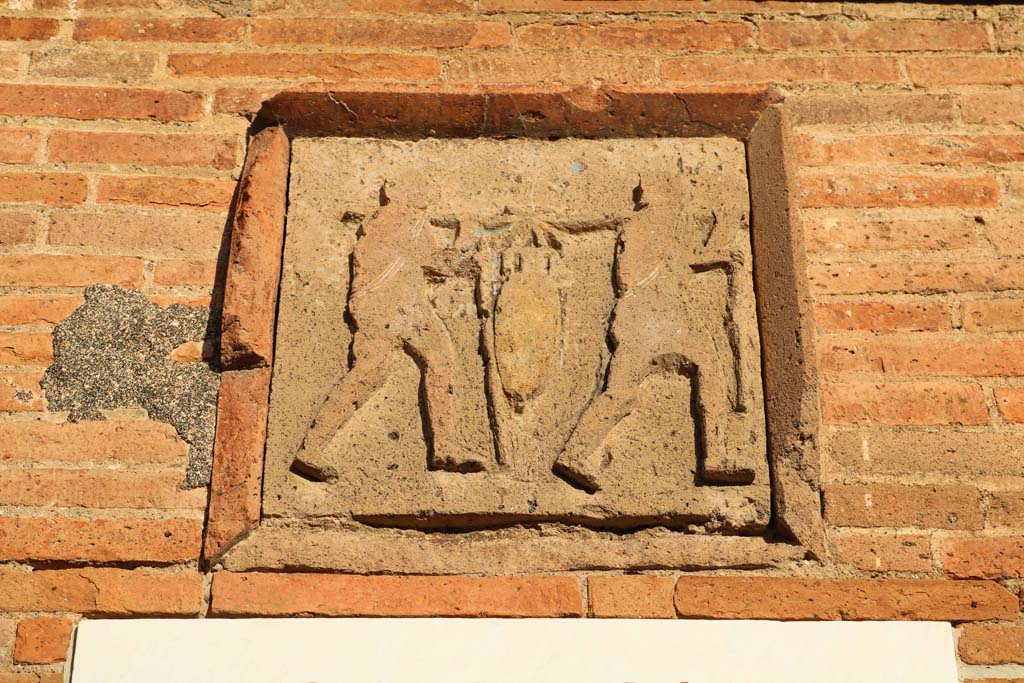
VII.4.16 Pompeii. December
2018. Plaque on west corner pilaster. Photo
courtesy of Aude Durand.
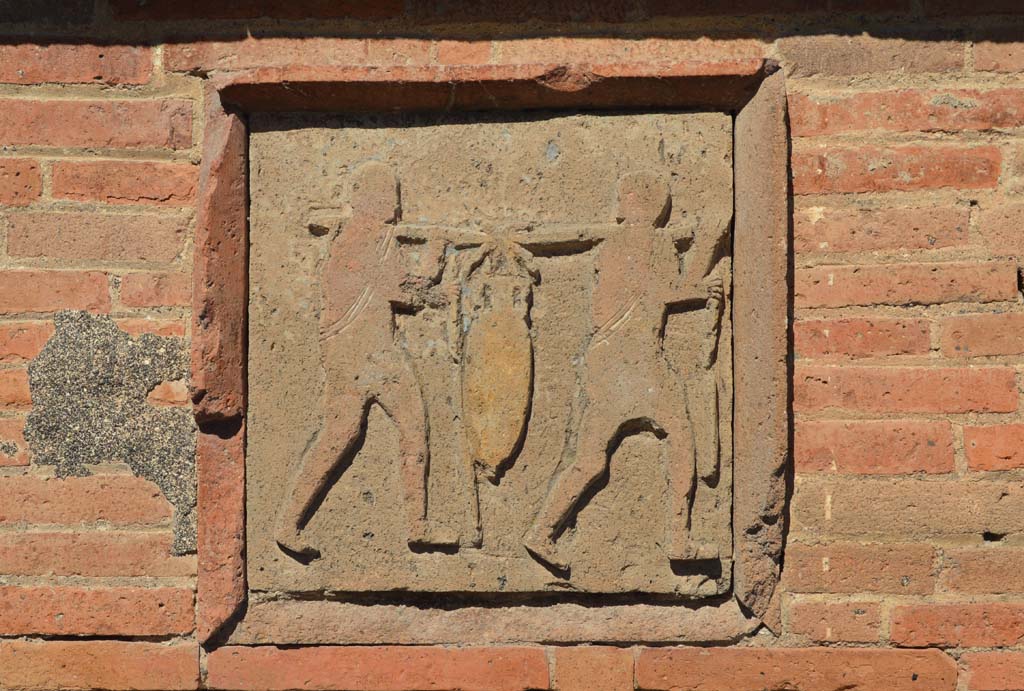
VII.4.16 Pompeii. October 2017. Plaque on
west corner pilaster.
Foto
Taylor Lauritsen, ERC Grant 681269 DÉCOR
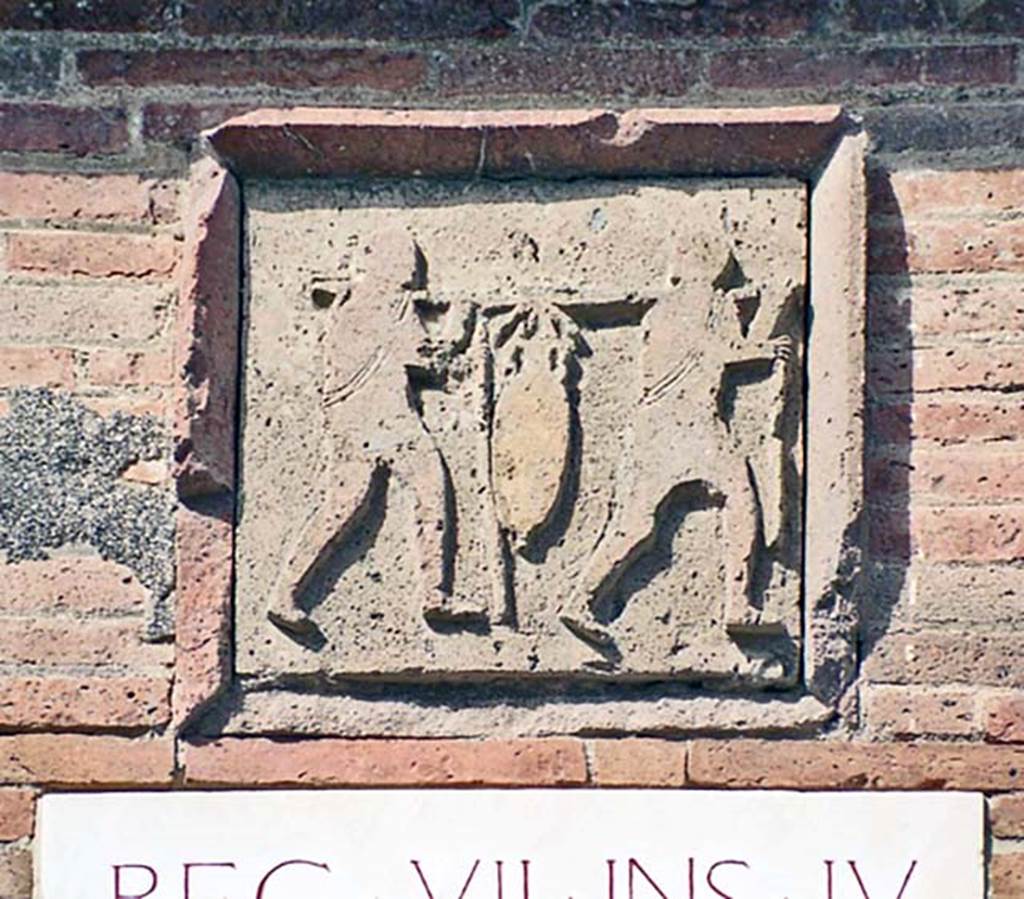
VII.4.16 Pompeii. October 2001. Plaque on west corner pilaster. Photo courtesy of Peter Woods.
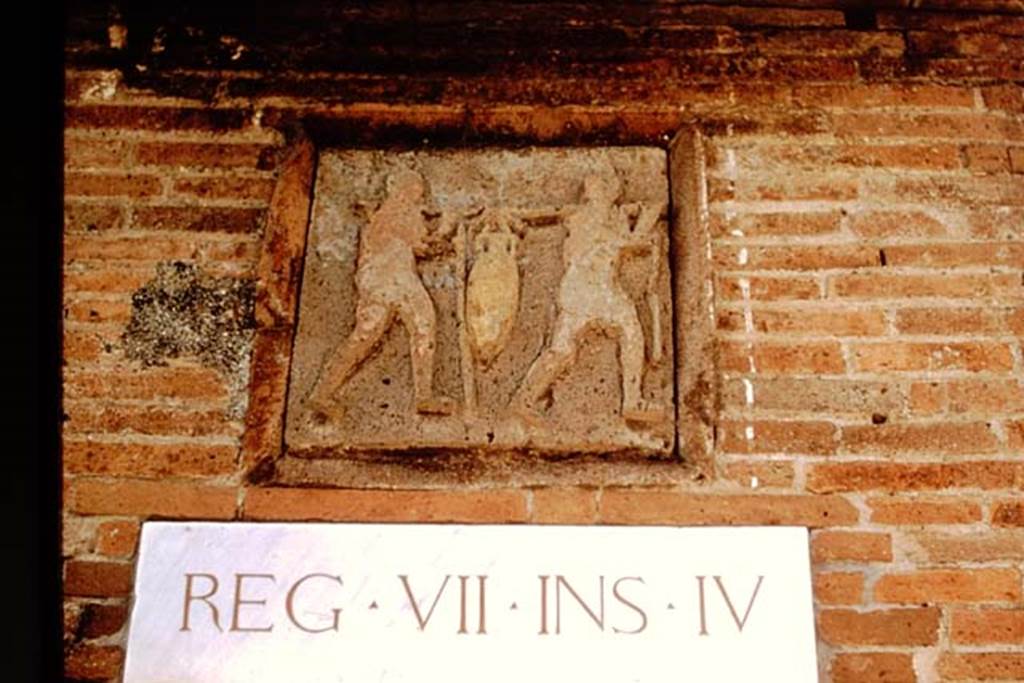
VII.4.16 Pompeii. 1959. West corner pilaster with plaque. Photo by Stanley A. Jashemski.
Source: The Wilhelmina and Stanley A. Jashemski archive in the University of Maryland Library, Special Collections (See collection page) and made available under the Creative Commons Attribution-Non-Commercial License v.4. See Licence and use details.
J59f0519
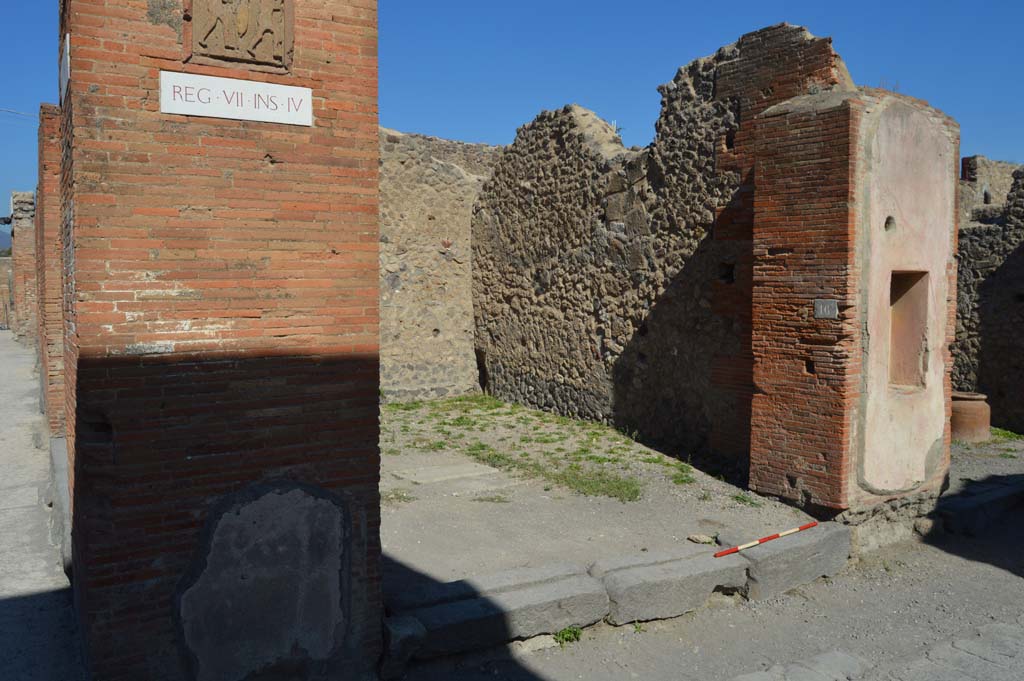
VII.4.16 Pompeii. October 2017. Looking towards
east side across entrance doorway.
Foto Taylor Lauritsen, ERC Grant 681269 DÉCOR.
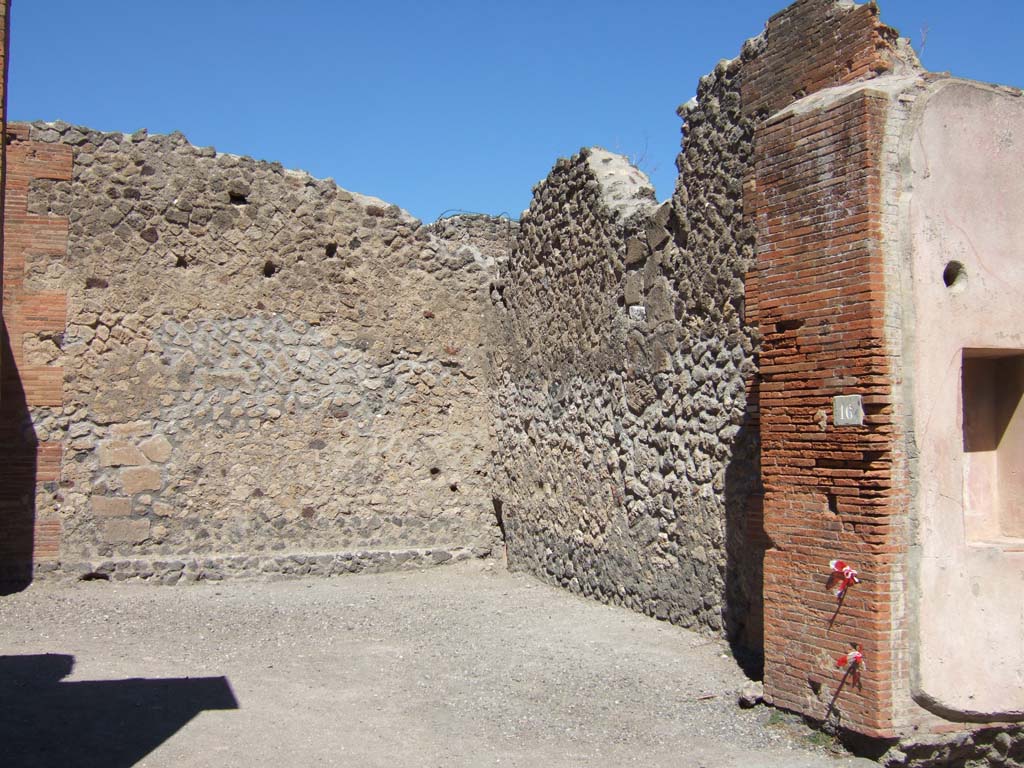
VII.4.16 Pompeii. September 2005. Entrance, looking north towards north-east corner.
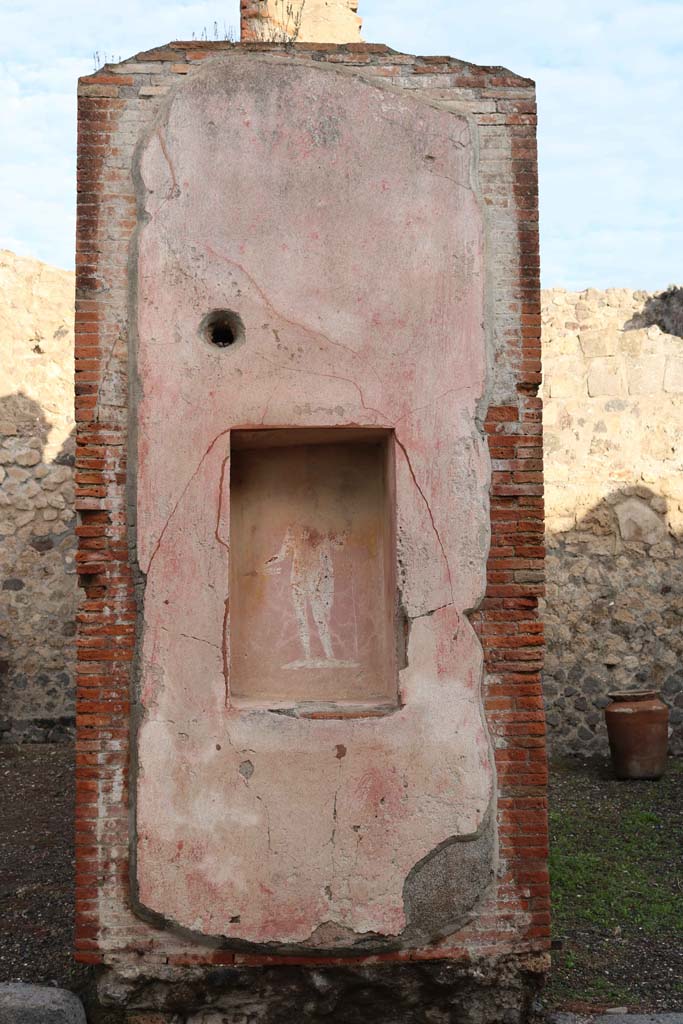
VII.4.16 Pompeii. December 2018.
Pilaster between VII.4.16, on left and
VII.4.17, with street altar showing a painting of Jupiter, see also VII.4.17.
Photo courtesy of Aude Durand.
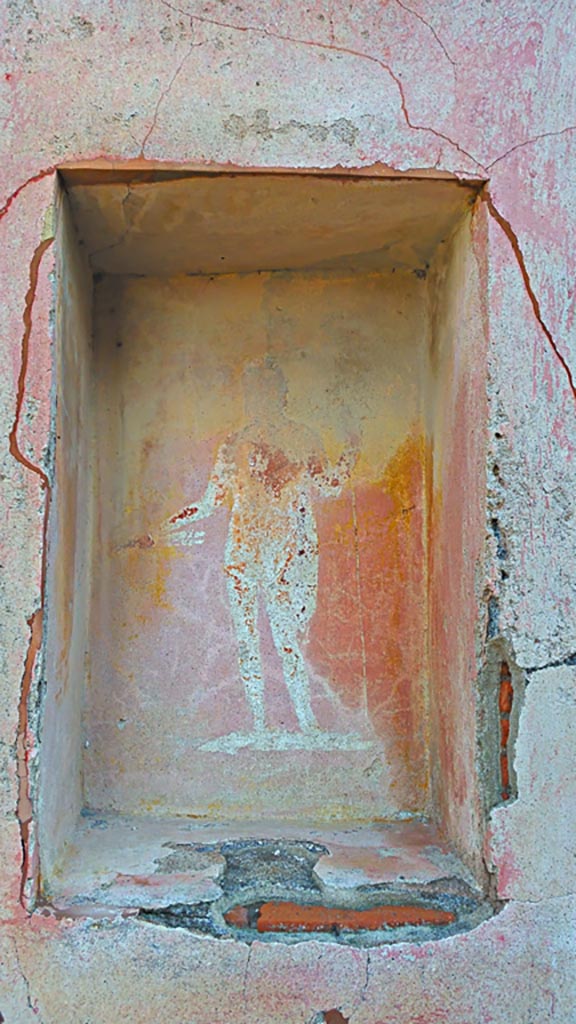
VII.4.16 Pompeii. December 2019.
Street altar with painting of Jupiter. Photo courtesy of Giuseppe Ciaramella.
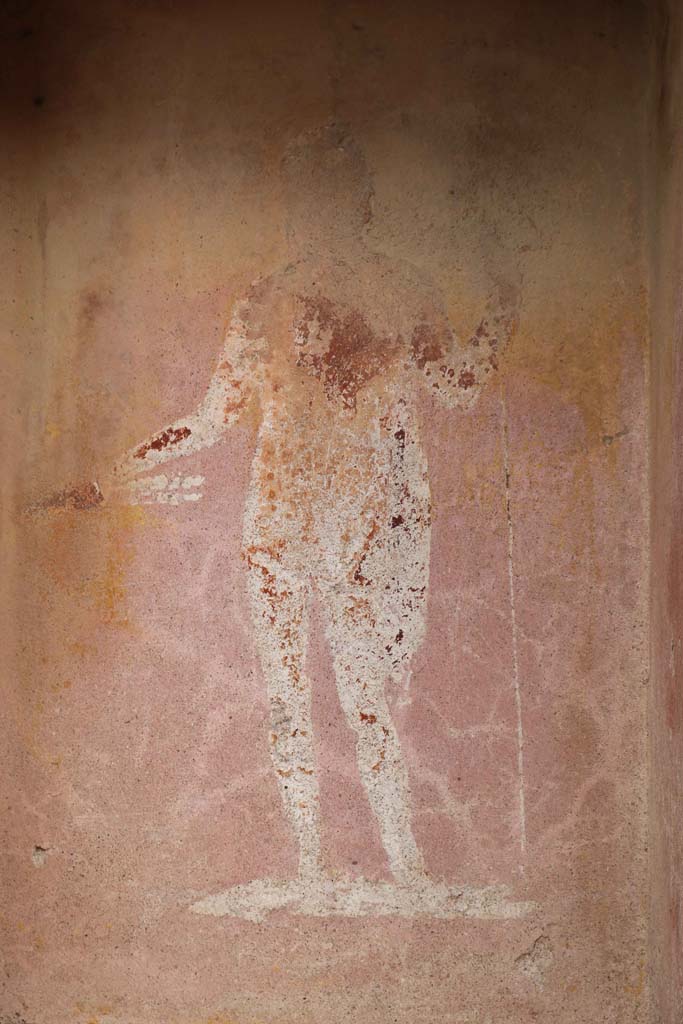
VII.4.16/17, Pompeii. December 2018.
Painting of Jupiter on street altar. Photo
courtesy of Aude Durand.