VI.14.43 Pompeii. Casa degli Scienziati.
Excavated 1839 and 1845.
Part 4 Part 5 Part 6
Part 7 Part 1 Part 2
Part 3 Plan
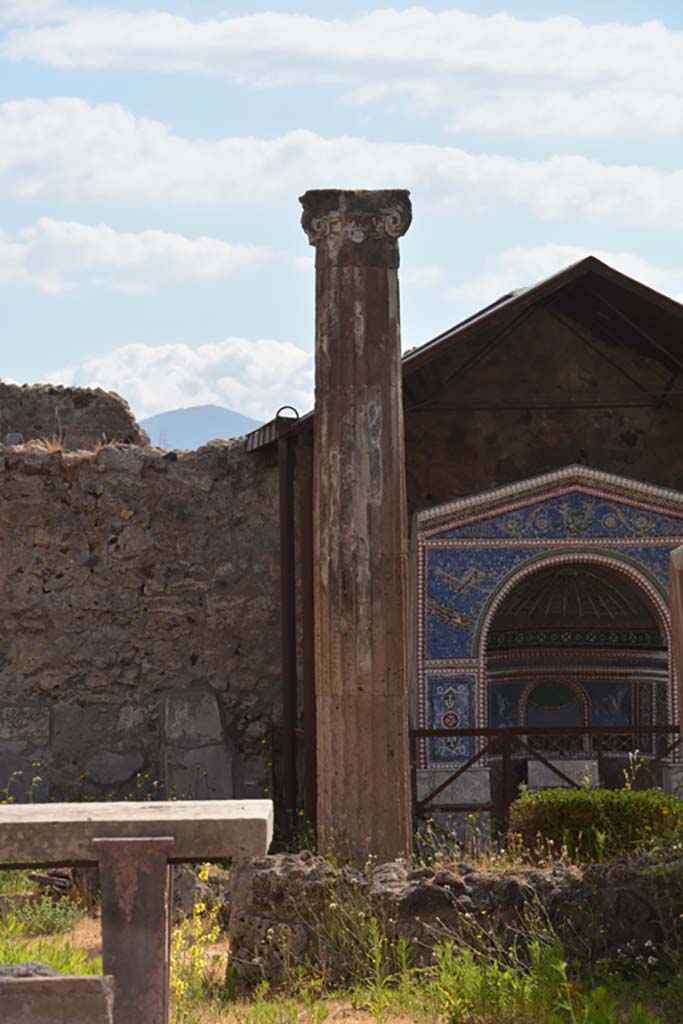
VI.14.43 Pompeii. July 2017. Looking from atrium towards column in
peristyle near fountain.
Foto Annette Haug, ERC
Grant 681269 DÉCOR.
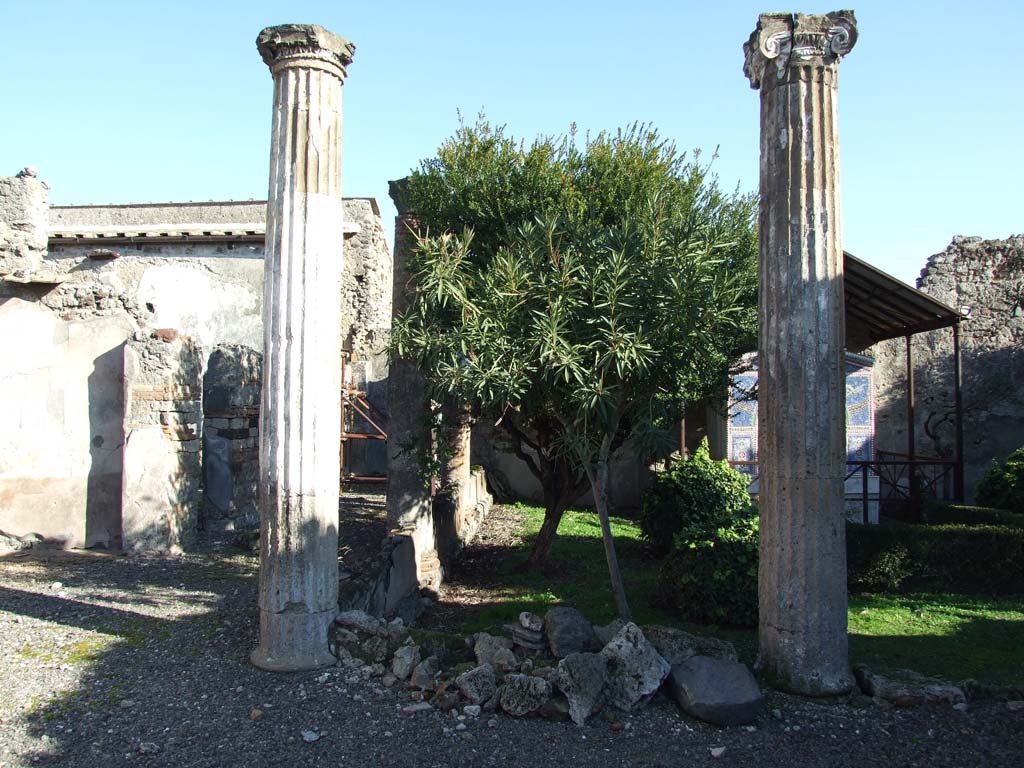
VI.14.43 Pompeii. December 2007. North-west corner of the peristyle, with corridor to rooms at rear of the house on the north side, on left.
According to Jashemski, the portico was supported by four fluted columns joined by a low wall.
See Jashemski, W. F., 1993. The Gardens of Pompeii, Volume II: Appendices. New York: Caratzas. (p.151)
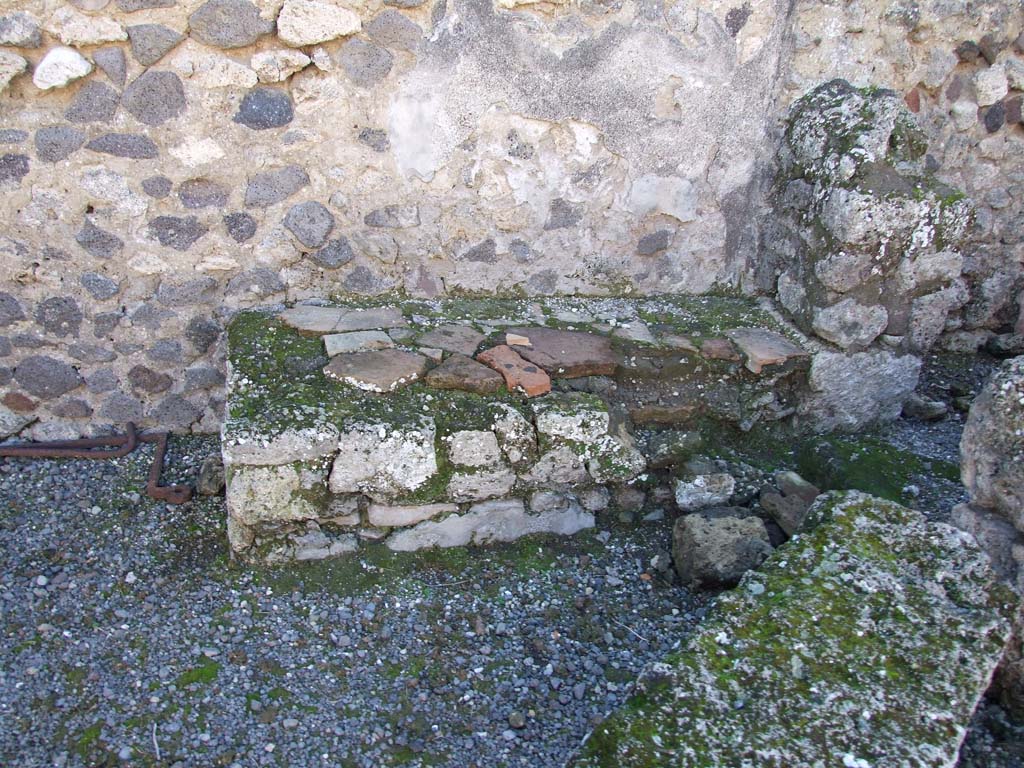
VI.14.43 Pompeii. December 2007. Room 12, in south-west corner of peristyle, bench on south side wall of west portico.
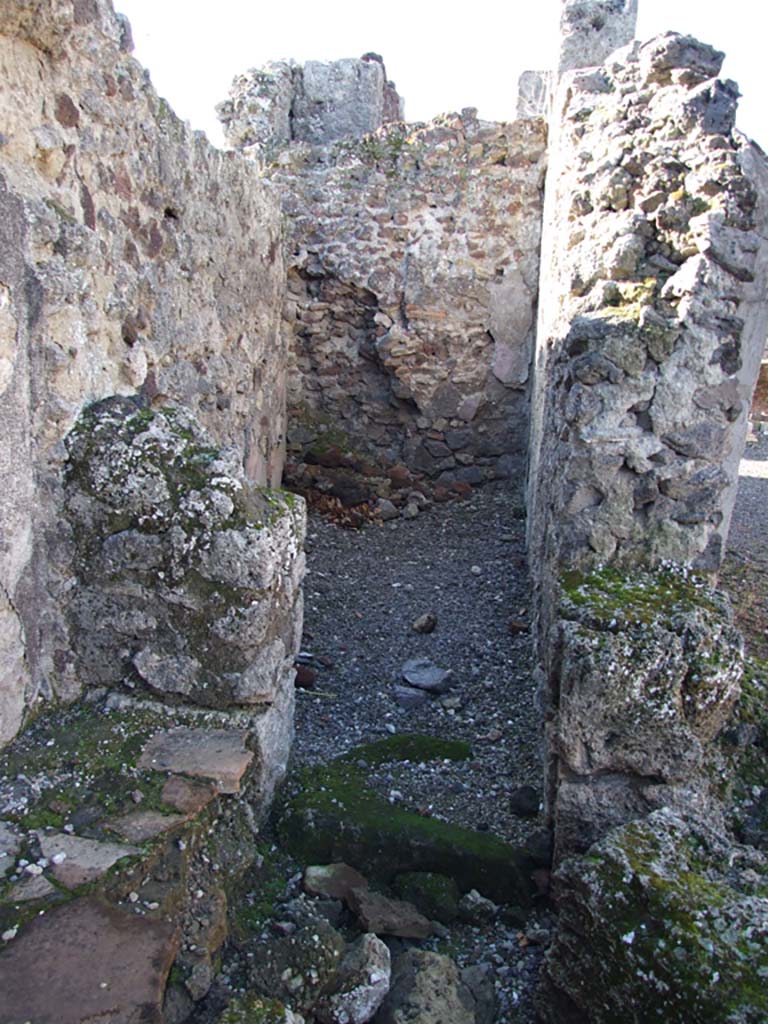
VI.14.43 Pompeii. December 2007. Looking west into room 13 from bench at room 12, on west portico.
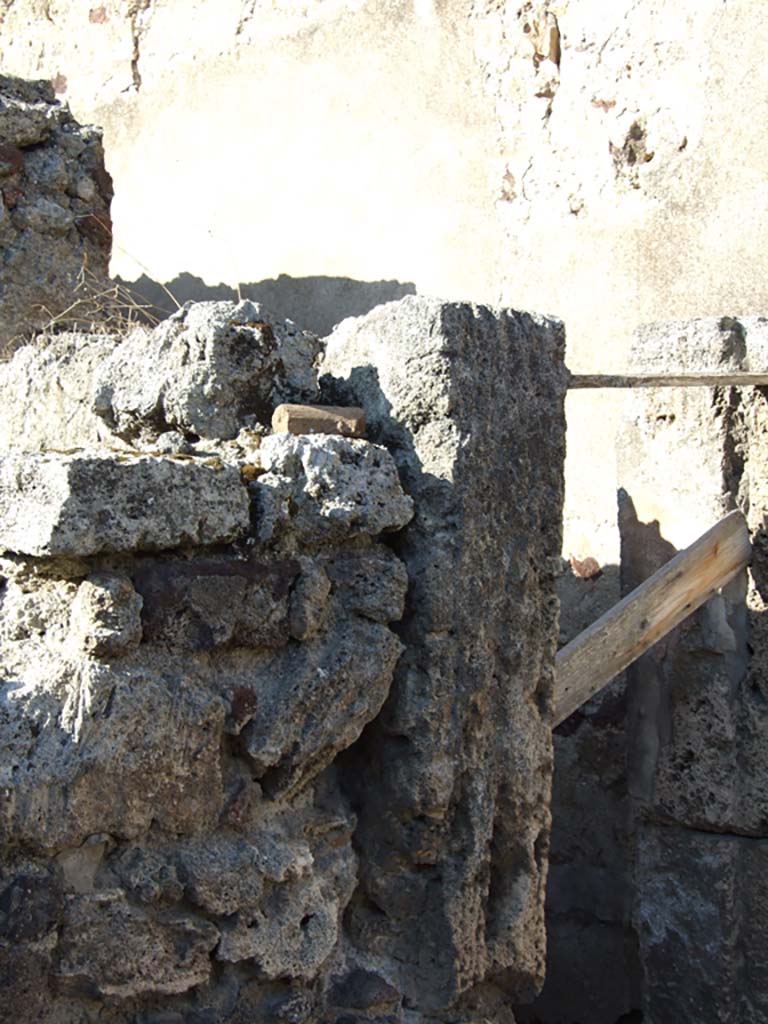
VI.14.43 Pompeii. December 2007.
Room 6, west end of corridor, looking north into first doorway of triclinium, room 15.
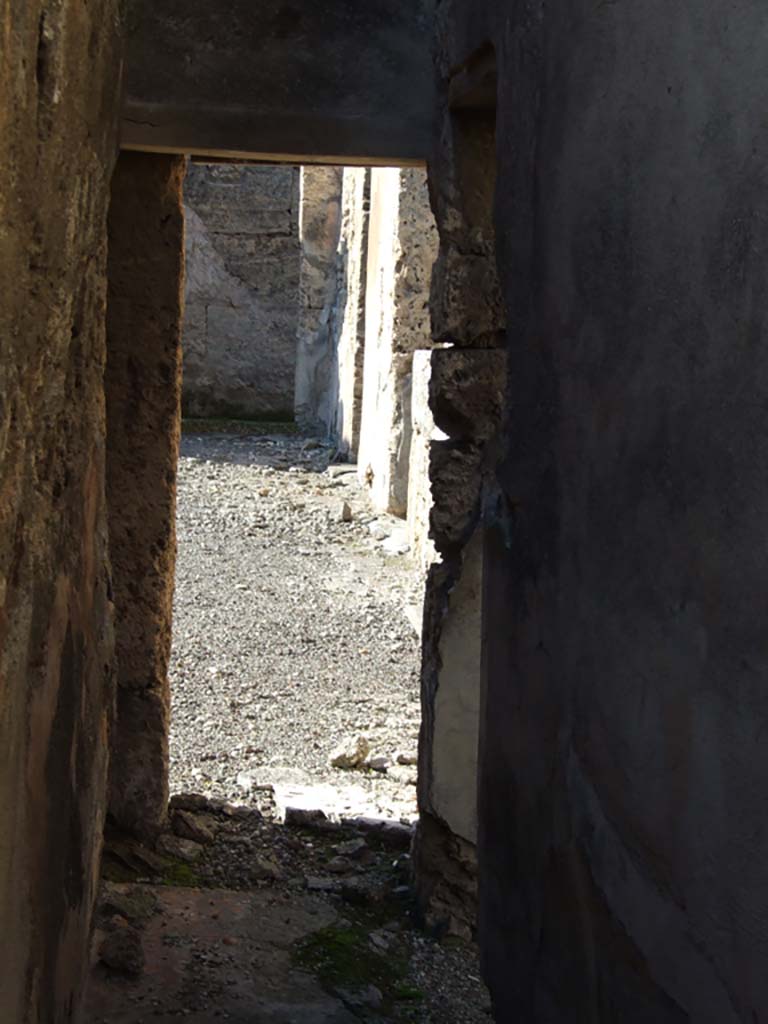
VI.14.43 Pompeii. December 2007. Room 6, east end of corridor looking west to atrium.
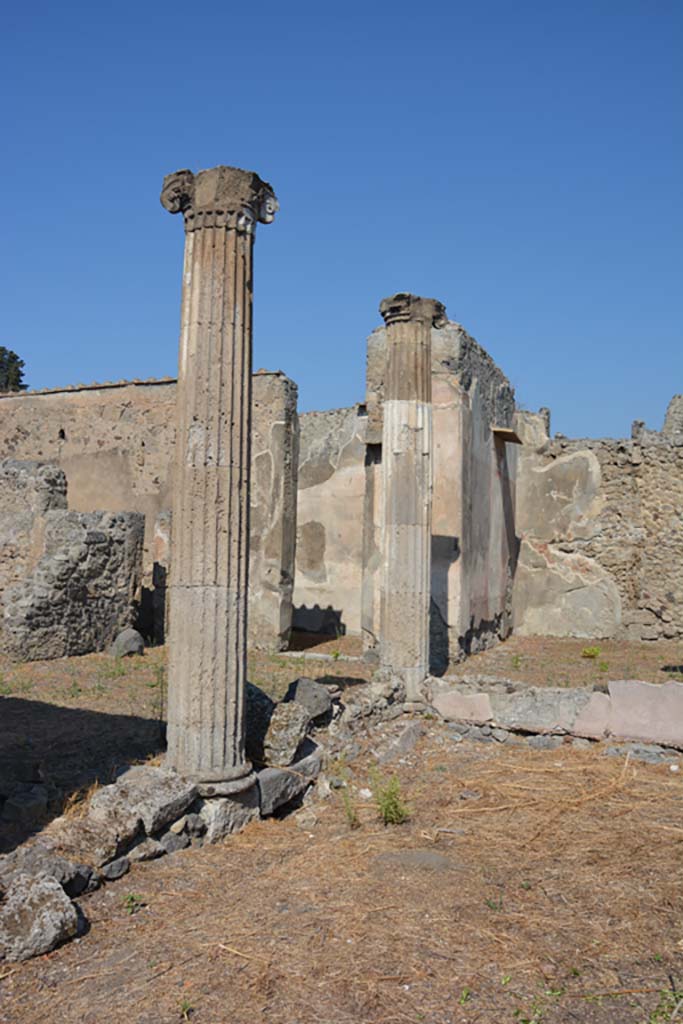
VI.14.43 Pompeii. September 2019.
Looking towards west portico (on left) of peristyle garden towards
doorway into room 15, in centre.
Room 16 can be seen on the right.
Foto Annette Haug, ERC
Grant 681269 DÉCOR.
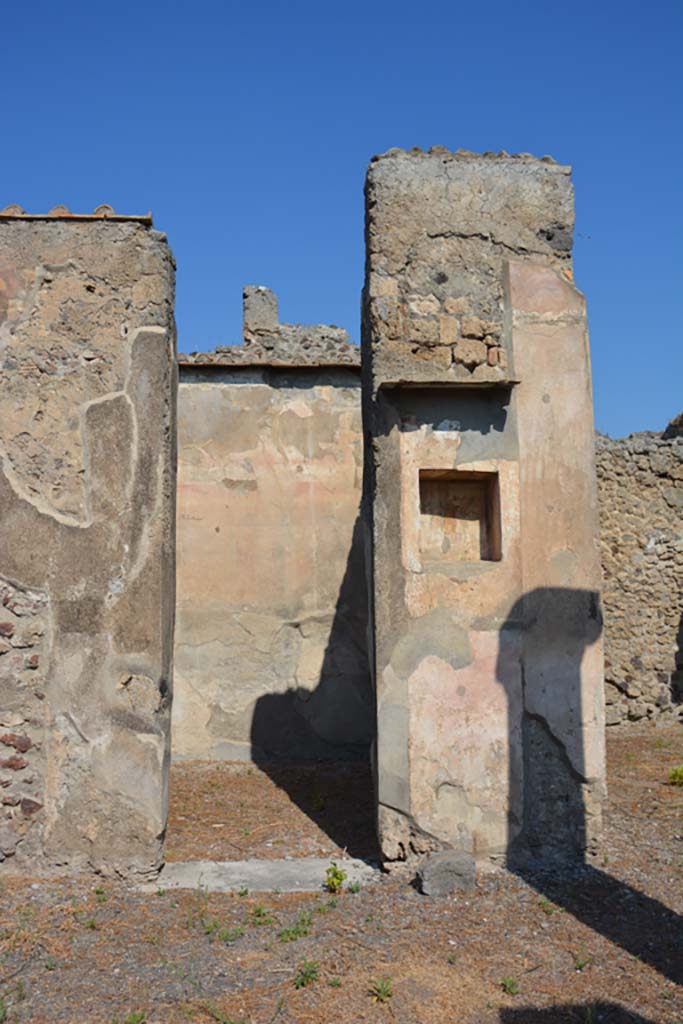
VI.14.43 Pompeii. September 2019. Doorway to room 15, in
north-west corner of peristyle.
Foto Annette Haug, ERC
Grant 681269 DÉCOR.
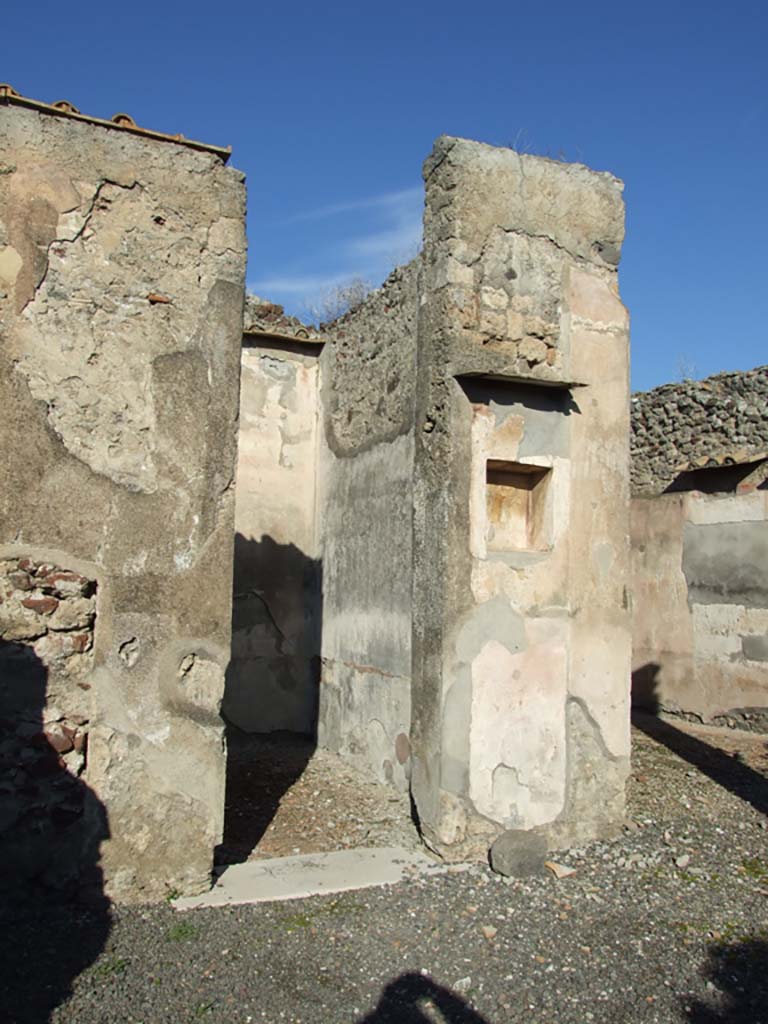
VI.14.43 Pompeii. December 2007. Doorway to room 15, in west portico of peristyle.
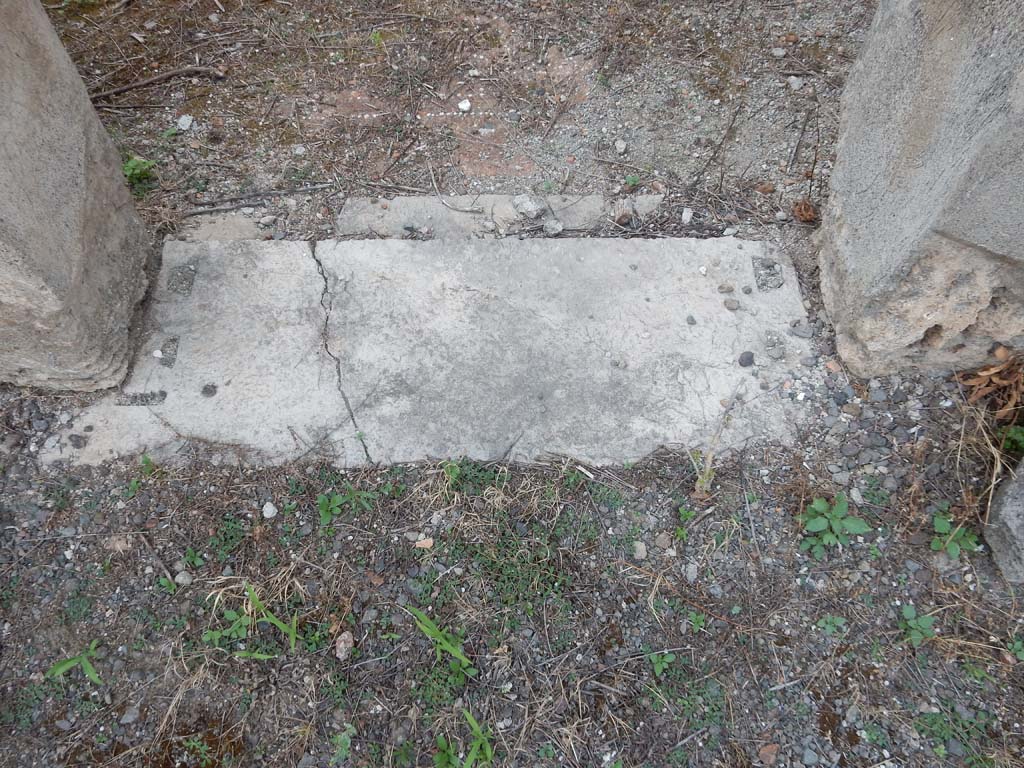
VI.14.43 Pompeii. June 2019. Room 15, doorway threshold. Photo courtesy of Buzz Ferebee.
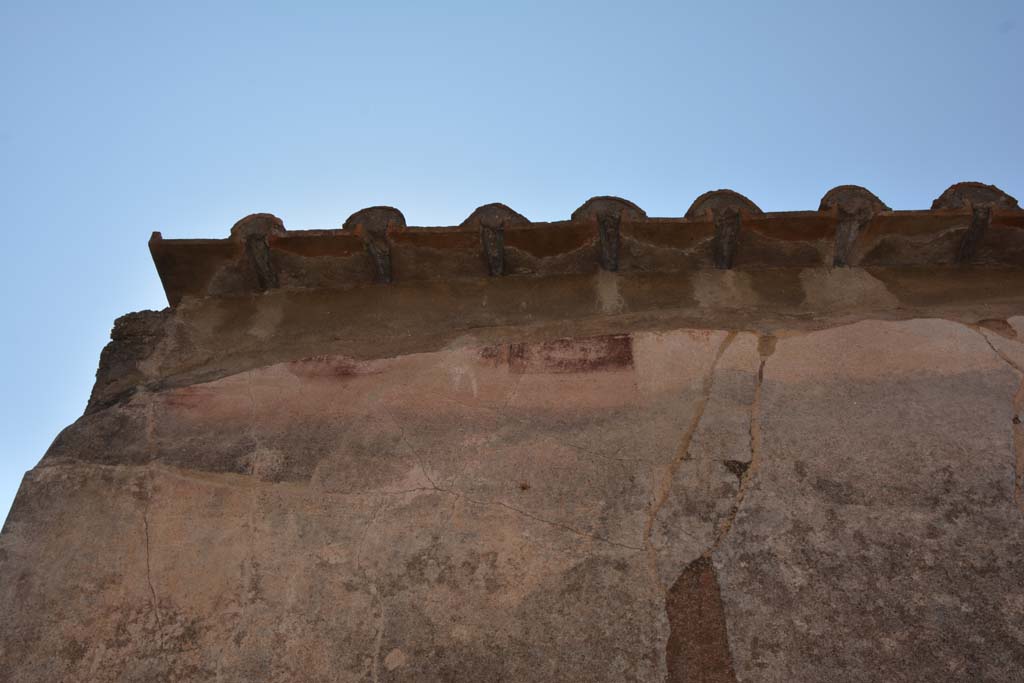
VI.14.43 Pompeii. September 2019. Room 15, upper south wall at
east end.
Foto Annette Haug, ERC
Grant 681269 DÉCOR.
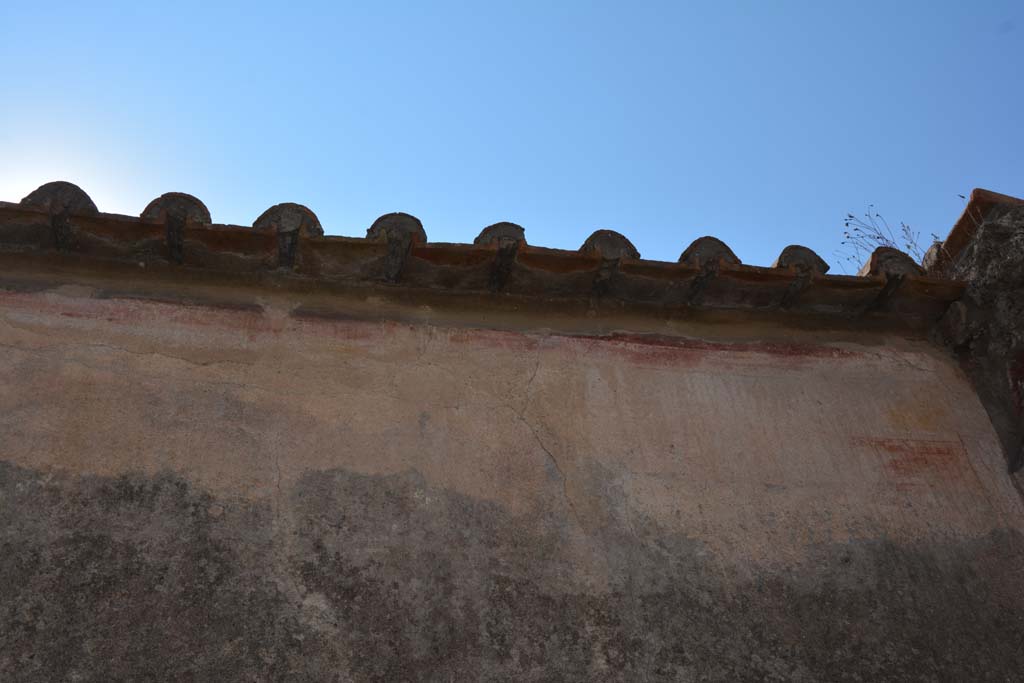
VI.14.43 Pompeii. September 2019. Room 15, upper south wall at
west end.
Foto Annette Haug, ERC
Grant 681269 DÉCOR.
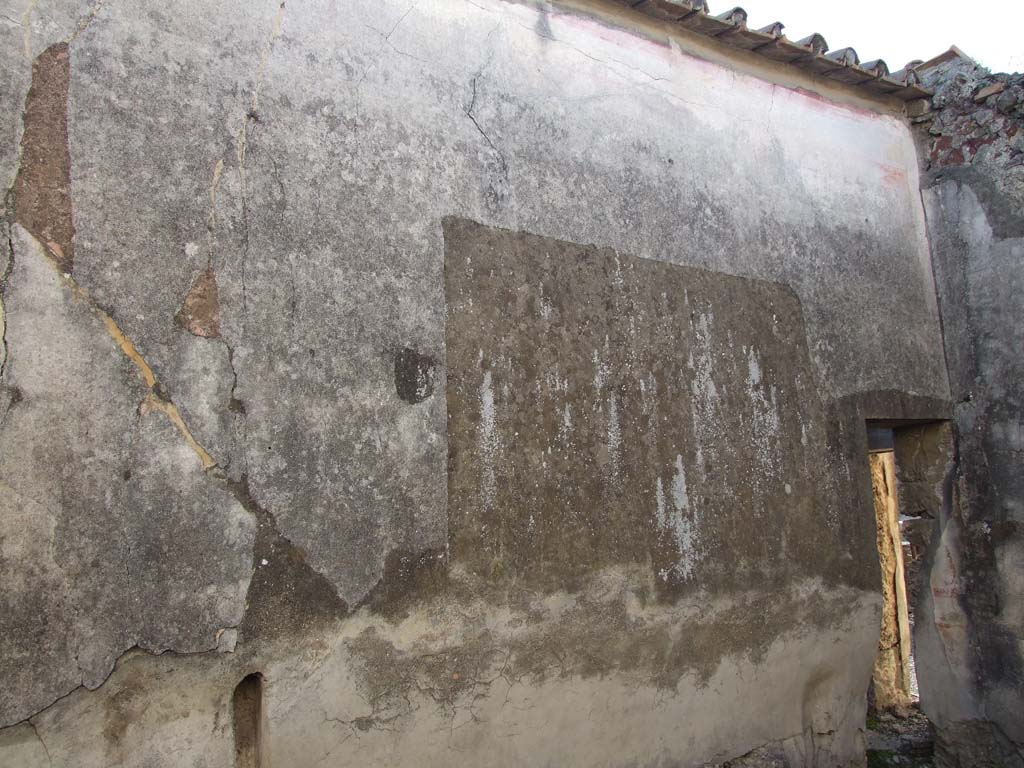
VI.14.43 Pompeii. December 2007. Room 15, looking west along south wall of triclinium.
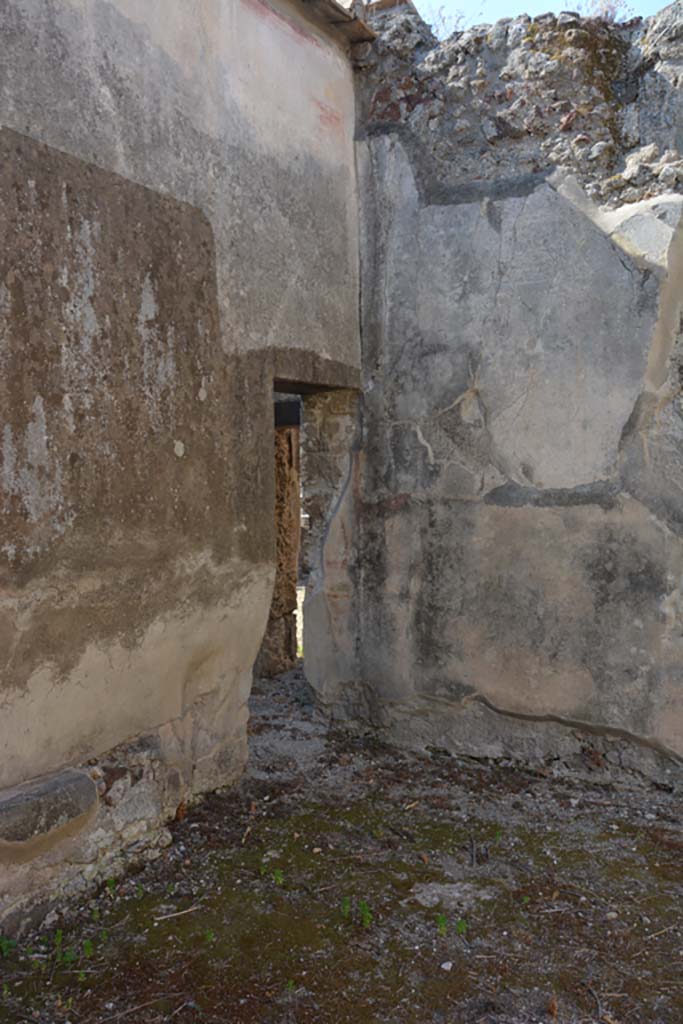
VI.14.43 Pompeii. September 2019. Room 15, south-west corner of
triclinium.
Foto Annette Haug, ERC
Grant 681269 DÉCOR.
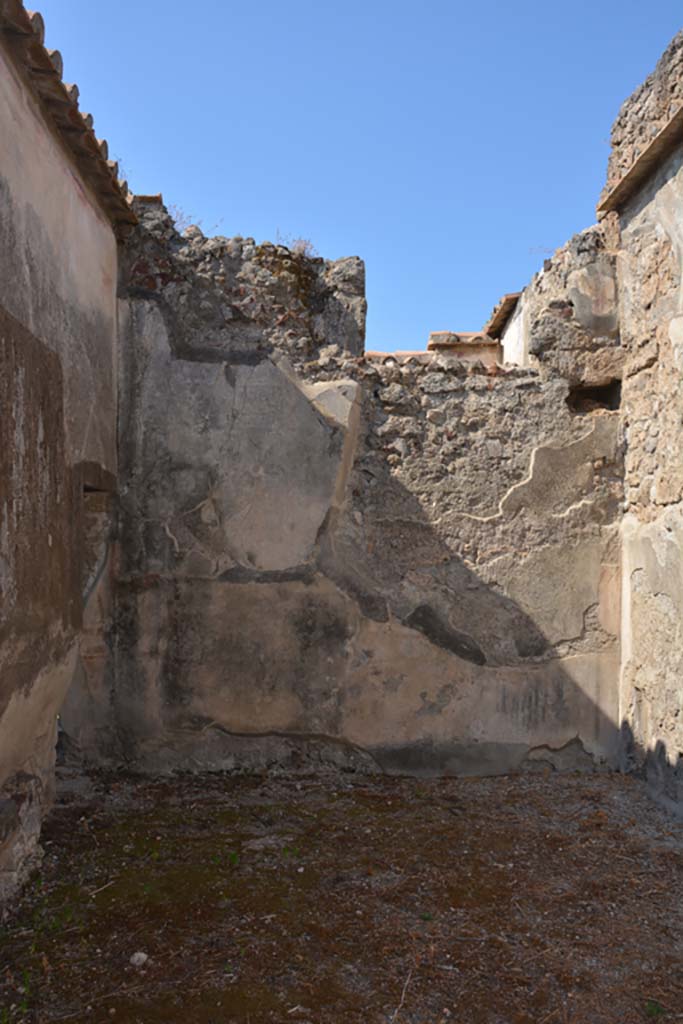
VI.14.43 Pompeii. September 2019. Room 15, west wall of
triclinium.
Foto Annette Haug, ERC
Grant 681269 DÉCOR.
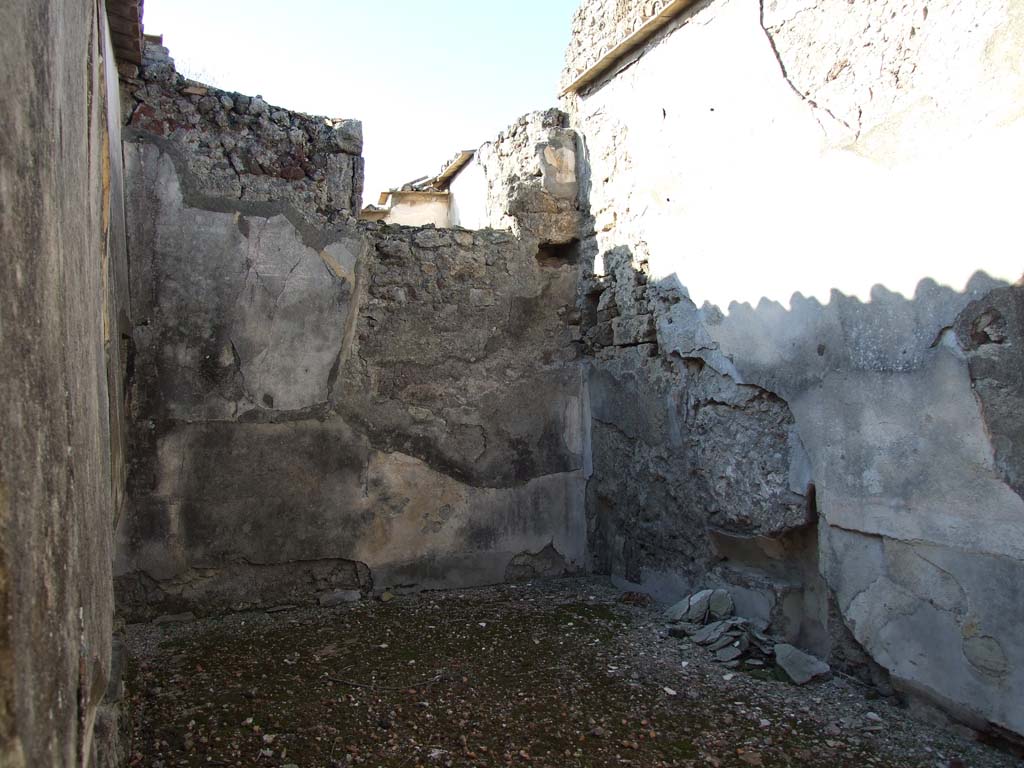
VI.14.43 Pompeii. December 2007. Room 15, triclinium, looking west.
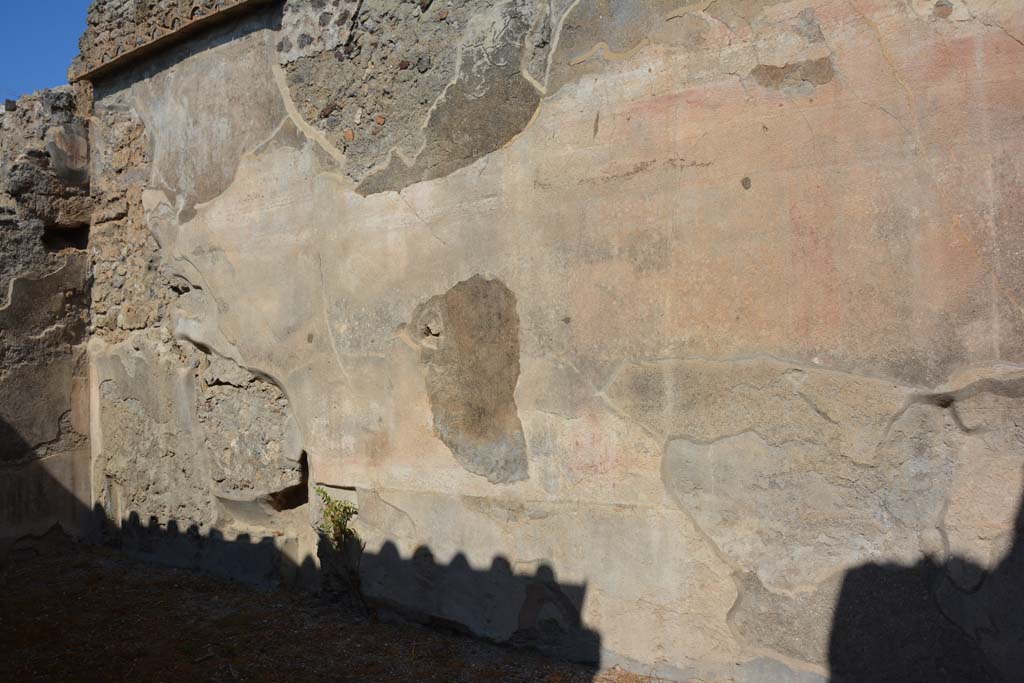
VI.14.43 Pompeii. September 2019. Room 15, north wall at west end.
Foto Annette Haug, ERC
Grant 681269 DÉCOR.
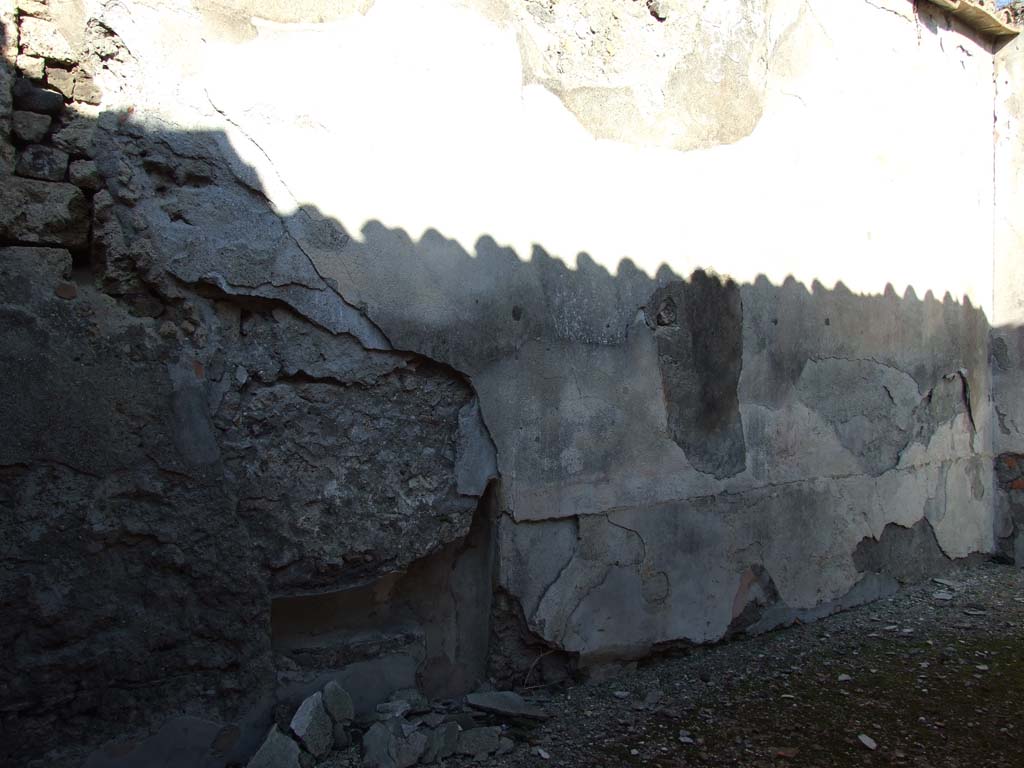
VI.14.43 Pompeii. December 2007. Room 15, north wall of triclinium.
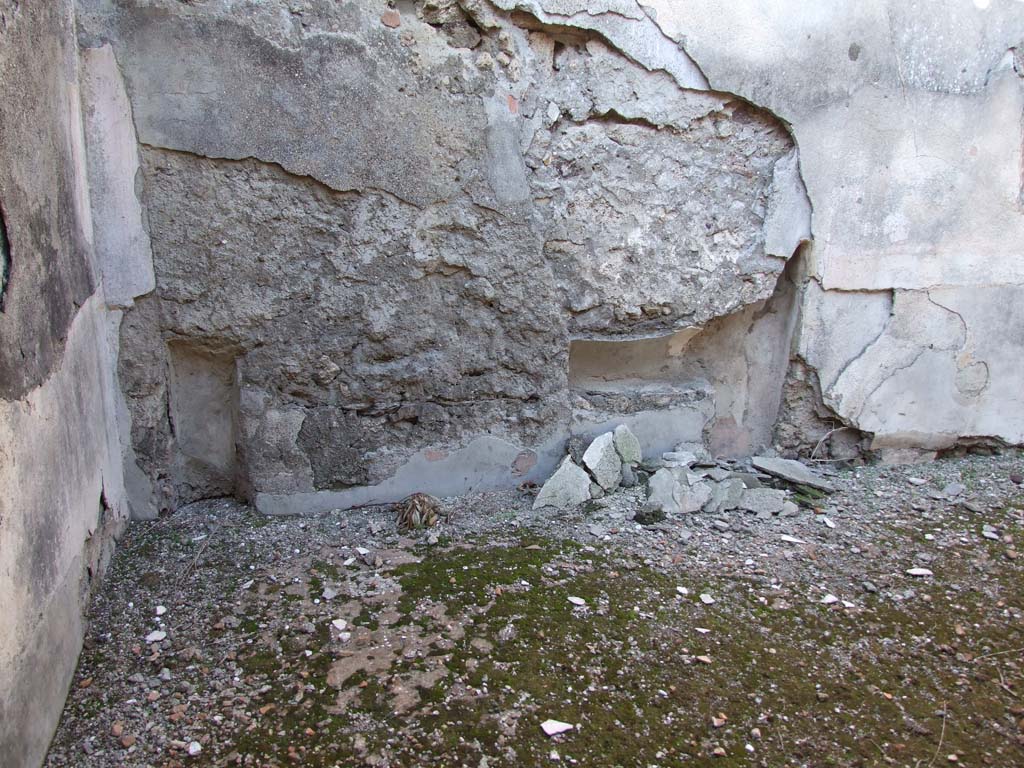
VI.14.43 Pompeii. December 2007. Room 15, recess in north wall of triclinium, in north-west corner.
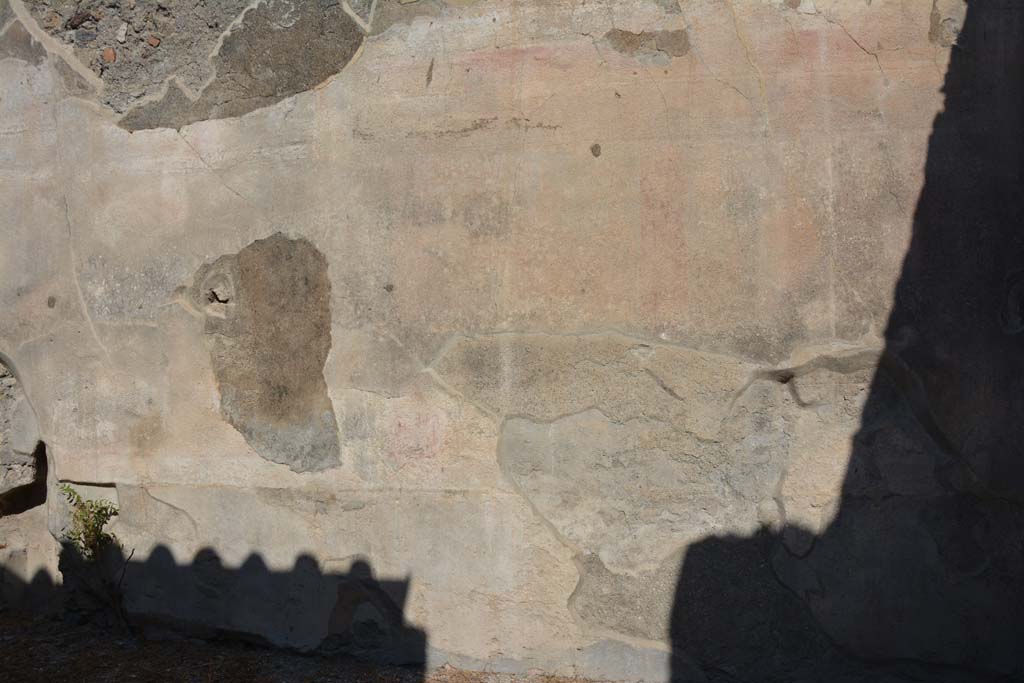
VI.14.43 Pompeii. September 2019. Room 15, north wall.
Foto Annette Haug, ERC
Grant 681269 DÉCOR.
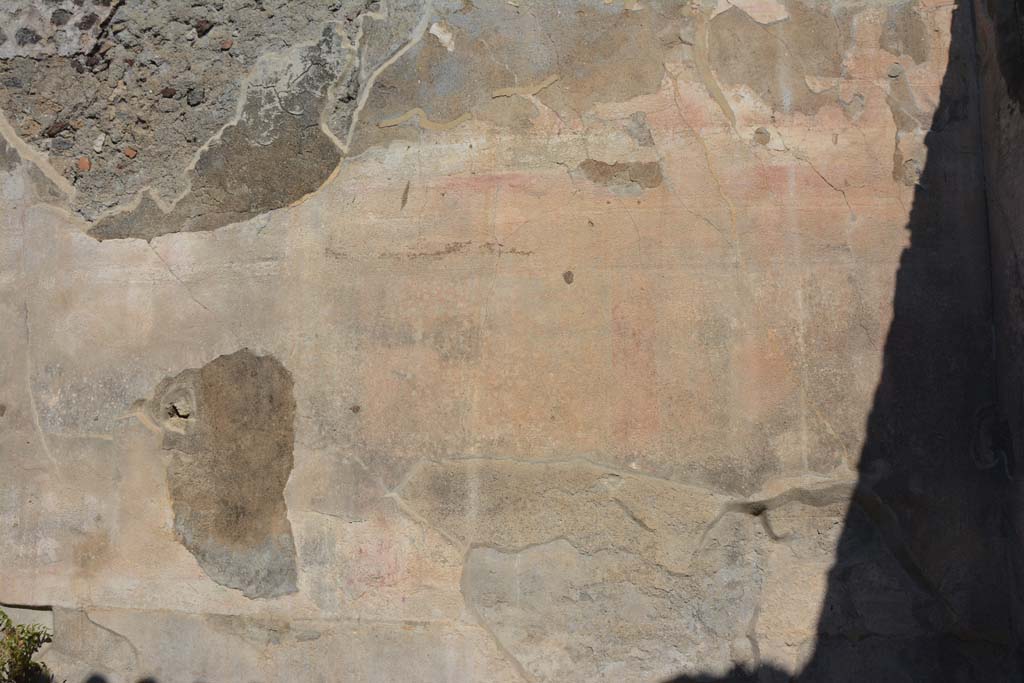
VI.14.43 Pompeii. September 2019. Room 15, detail from north wall.
Foto Annette Haug, ERC
Grant 681269 DÉCOR.
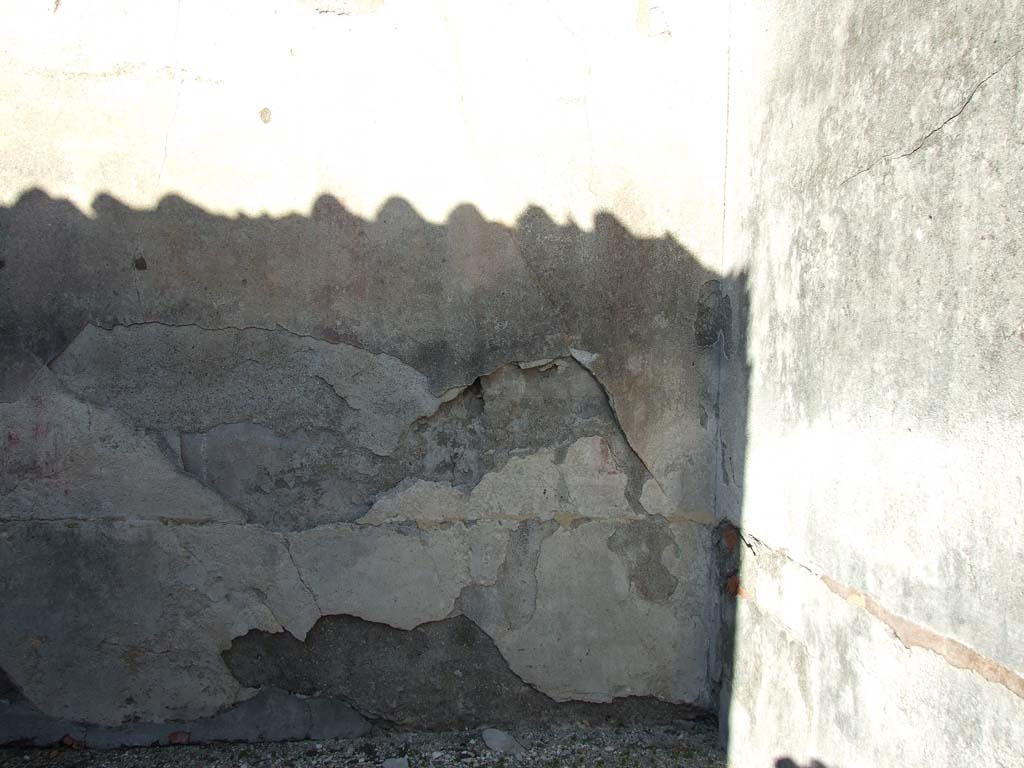
VI.14.43 Pompeii. December 2007. Room 15, north wall in north-east corner of triclinium.
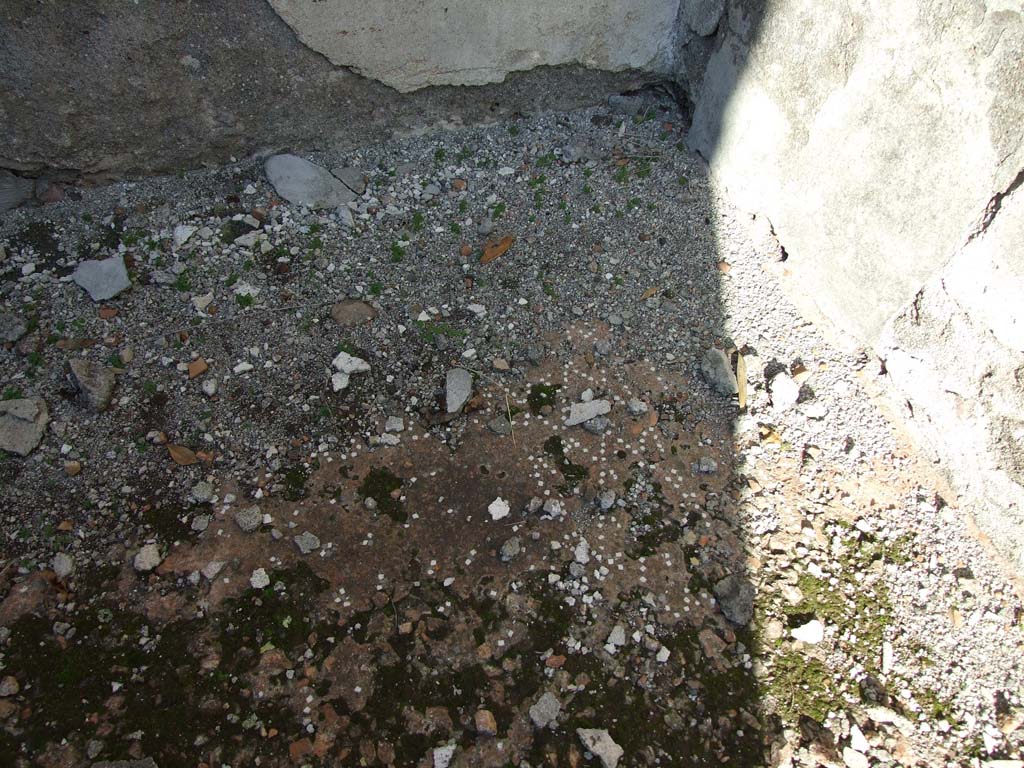
VI.14.43 Pompeii. December 2007. Room 15, remains of decorated floor in triclinium.
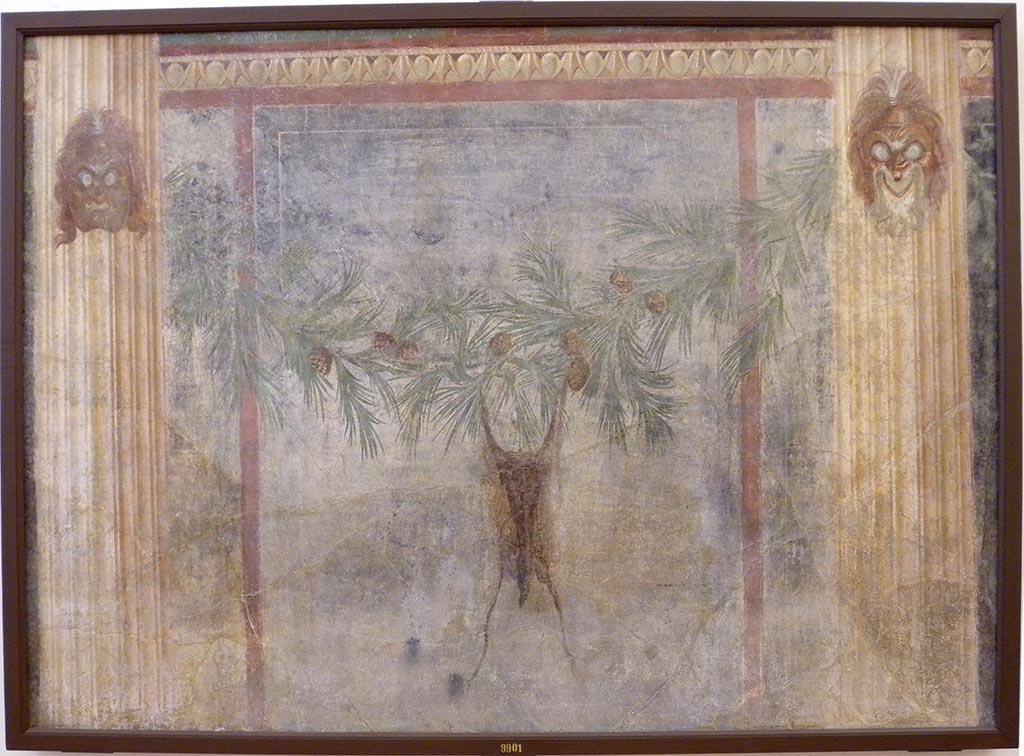
VI.14.43 Pompeii. Room 15, north wall of triclinium. Fresco with masks and pine garland from which is suspended a goat’s skin.
Now in Naples Archaeological Museum. Inventory number 9901.
According to Grasso, referring also to Mau and Bragantini, pine garlands occur rarely in Pompeii, where only 5 examples are known and this one is from VI.14.43.
See Sampaolo V.
and Bragantini I., 2009. La Pittura
Pompeiana. Electa: Verona, p. 199.
See Mau, A. 1882.
Geschichte der Decorativen Wandmalerei in Pompeji. Berlin: Reimer, pp. 267-8.
See Carratelli,
G. P., 1990-2003. Pompei: Pitture e Mosaici: Vol V.
Roma: Istituto della enciclopedia italiana, p. 466 no. 74.
The card accompanying the painting in the Naples Museum in 2009 said –
“The unusual depiction of a garland of pine, from which hangs a goat skin, allows us to conclude that this fragment was taken from the triclinium of the Casa degli Scienzati…”
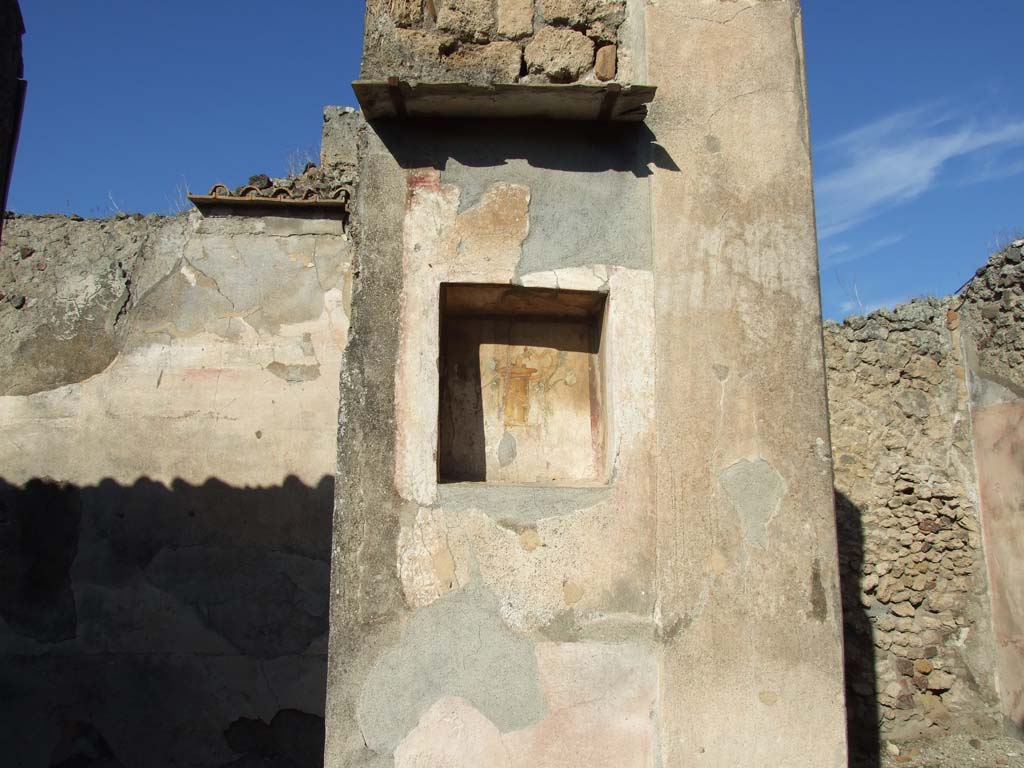
VI.14.43 Pompeii. December 2007. Niche on wall between rooms 15 and 16.
According to Boyce, seven graffiti were found beneath the niche, CIL IV 1533-1539.
See Boyce G. K., 1937. Corpus of the Lararia of Pompeii. Rome: MAAR 14. (p.54, no.209, with Pl.8, 2 and 3)
![VI.14.43 Pompeii. One of the graffiti inscriptions ITE LARES DORMITV found below the niche of the penates.
According to Niccolini –
Next to the triclinium, the niche of the Penates was embedded into the wall, this contained the image of the serpent devouring the offerings on the altar, and below this, together with other graffitied inscriptions, one could read the above CIL IV 1533.
See Niccolini F, 1896. Le case ed i monumenti di Pompei: Volume Quarto: Parte 1. Napoli. (p.8, Appendice, Nuovi Scavi dal 1874 a tutto il 1882)
According to Epigraphik-Datenbank Clauss/Slaby (See www.manfredclauss.de), it would seem to be two inscriptions CIL IV 1533 and CIL IV 1539. The inscriptions recorded are:
Dormitu [CIL IV 1533]
Peiosathoni feliciter [CIL IV 1534]
Mucurd [CIL IV 1535]
Scribet Venus [CIL IV 1536]
Quisquis [CIL IV 1537]
Quidam cum peteret alas [CIL IV 1538]
Ite Lares [CIL IV 1539]](6%2014%2043%20p4_files/image027.jpg)
VI.14.43 Pompeii. One of the graffiti inscriptions ITE LARES DORMITV found below the niche of the penates.
According to Niccolini –
Next to the triclinium, the niche of the Penates was embedded into the wall, this contained the image of the serpent devouring the offerings on the altar, and below this, together with other graffitied inscriptions, one could read the above CIL IV 1533.
See Niccolini F, 1896. Le case ed i monumenti di Pompei: Volume Quarto: Parte 1. Napoli. (p.8, Appendice, Nuovi Scavi dal 1874 a tutto il 1882)
According to Epigraphik-Datenbank Clauss/Slaby (See www.manfredclauss.de), it would seem to be two inscriptions CIL IV 1533 and CIL IV 1539. The inscriptions recorded are:
Dormitu [CIL IV 1533]
Peiosathoni
feliciter [CIL IV 1534]
Mucurd [CIL IV 1535]
Scribet Venus [CIL IV 1536]
Quisquis [CIL IV 1537]
Quidam cum
peteret alas [CIL IV 1538]
Ite Lares [CIL IV 1539]
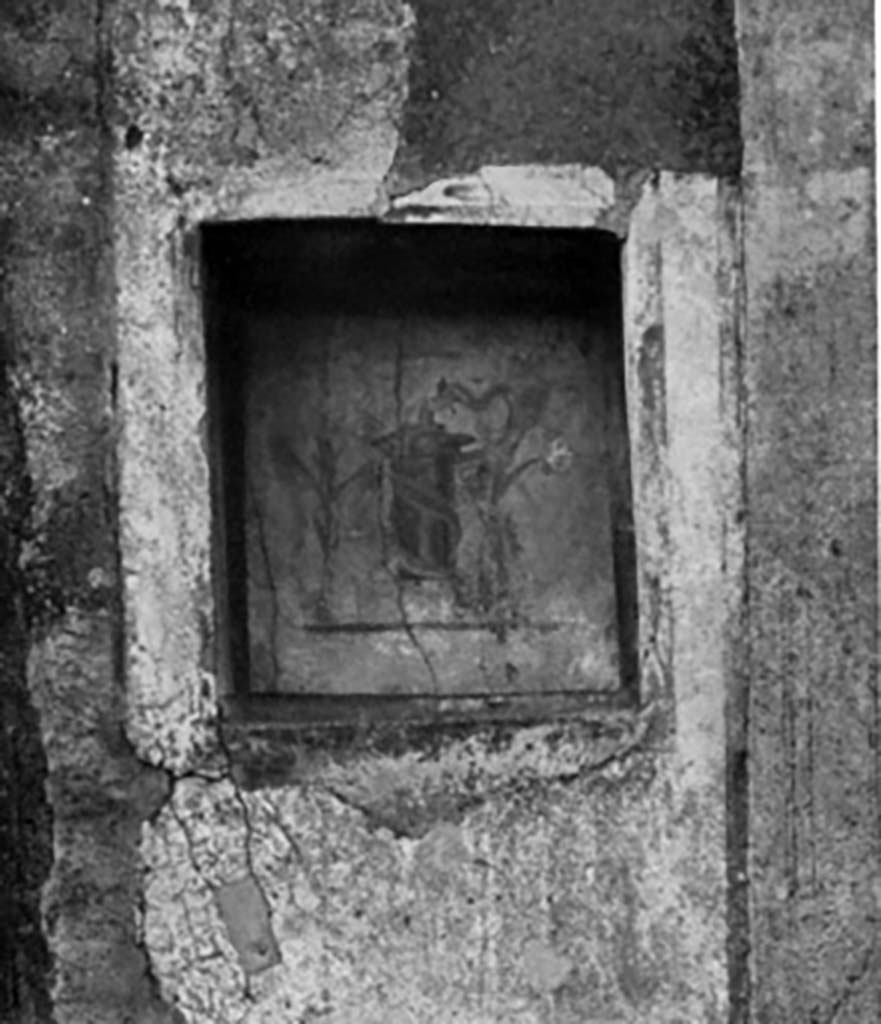
VI.14.43 Pompeii. 1930s. Niche with painted altar with plants and serpent.
See Boyce G. K., 1937. Corpus of the Lararia of Pompeii. Rome: MAAR 14. (p.54, no.209, with Pl.8,2)
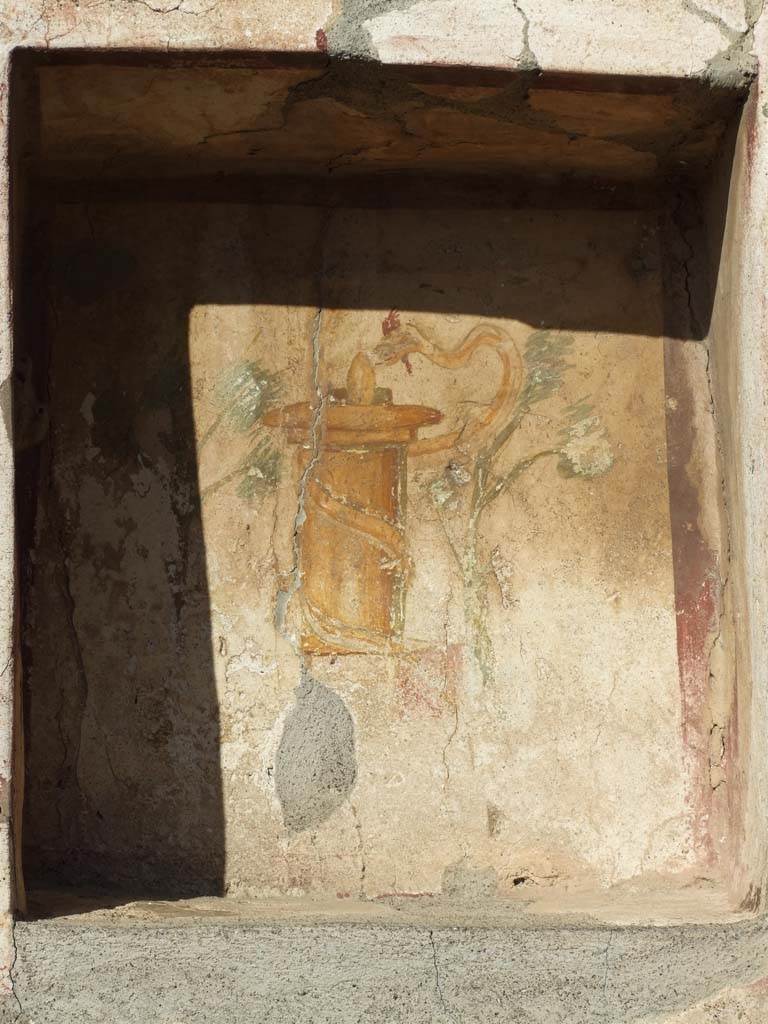
VI.14.43 Pompeii. December 2007. Niche with painted altar with plants and serpent.
According to Boyce, in the north wall of the peristyle is a rectangular niche.
On the back wall is painted a yellow cylindrical altar, on a rectangular base between two trees.
Around the altar coils a yellow serpent with red crest and beard, raising its head to the egg on top.
A tall rectangular panel on the wall around the niche was outlined with a red stripe, as was the opening of the niche itself.
Below the niche were seven graffiti, CIL IV 1533-1539.
See Boyce G. K., 1937. Corpus of the Lararia of Pompeii. Rome: MAAR 14. (p.54, no.209, with Pl.8, 2 and 3)
See Giacobello, F., 2008. Larari Pompeiani: Iconografia e culto dei Lari in ambito domestico. Milano: LED Edizioni. (p.275)
See Fröhlich, T., 1991. Lararien und Fassadenbilder in den Vesuvstädten. Mainz: von Zabern. (p.279, L69, some plaster fallen and part of niche destroyed).
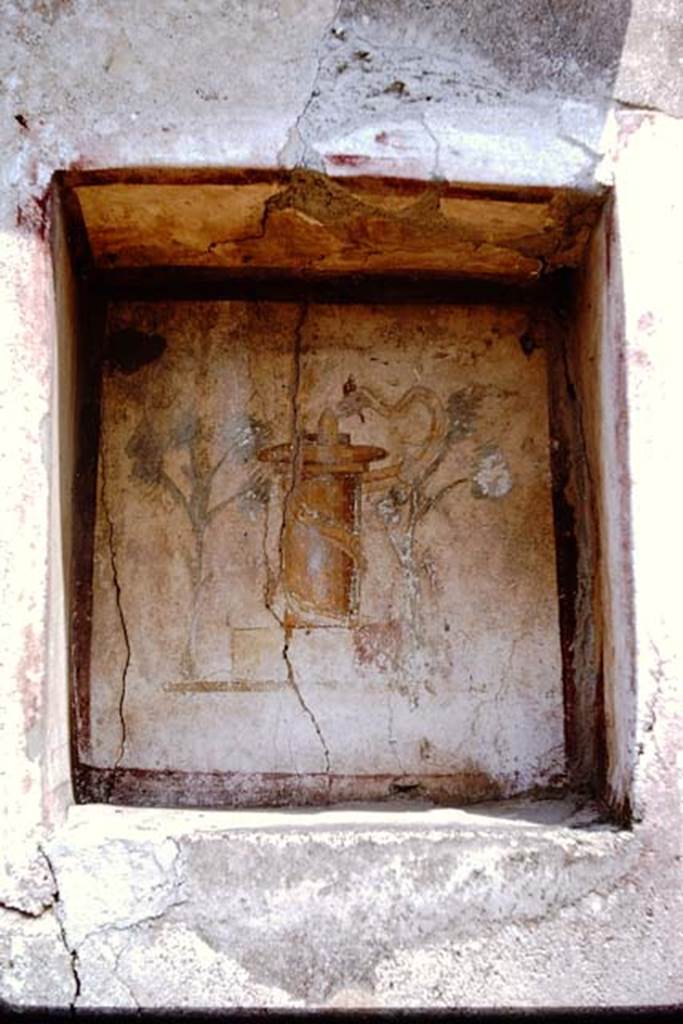
VI.14.43 Pompeii. 1964. Niche with painted altar with plants and serpent. Photo by Stanley A. Jashemski.
Source: The Wilhelmina and Stanley A. Jashemski archive in the University of Maryland Library, Special Collections (See collection page) and made available under the Creative Commons Attribution-Non Commercial License v.4. See Licence and use details.
J64f1616
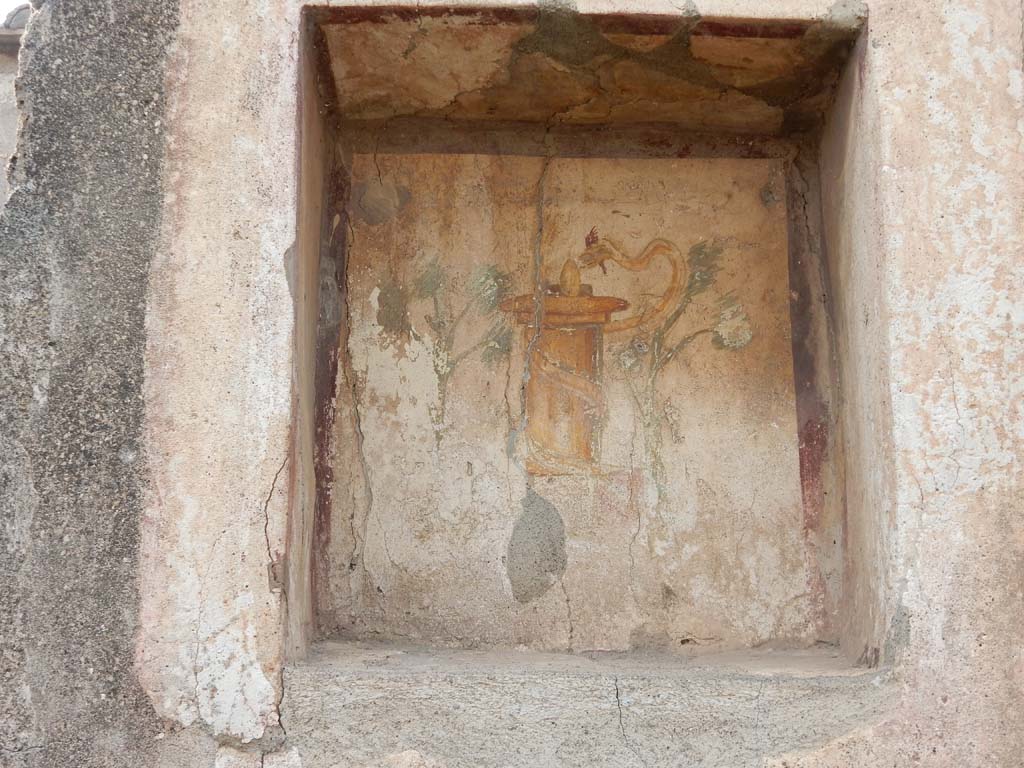
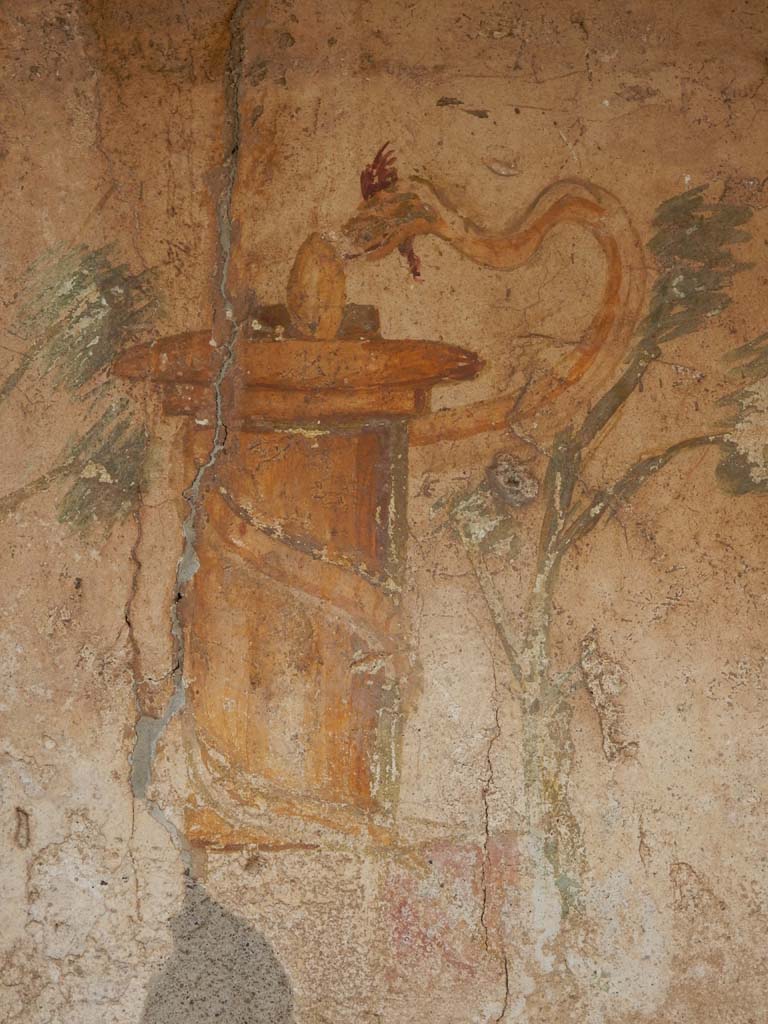
VI.14.43 Pompeii. June 2019. Niche. Detail of painted altar with plants and serpent.
Photo courtesy of Buzz Ferebee.
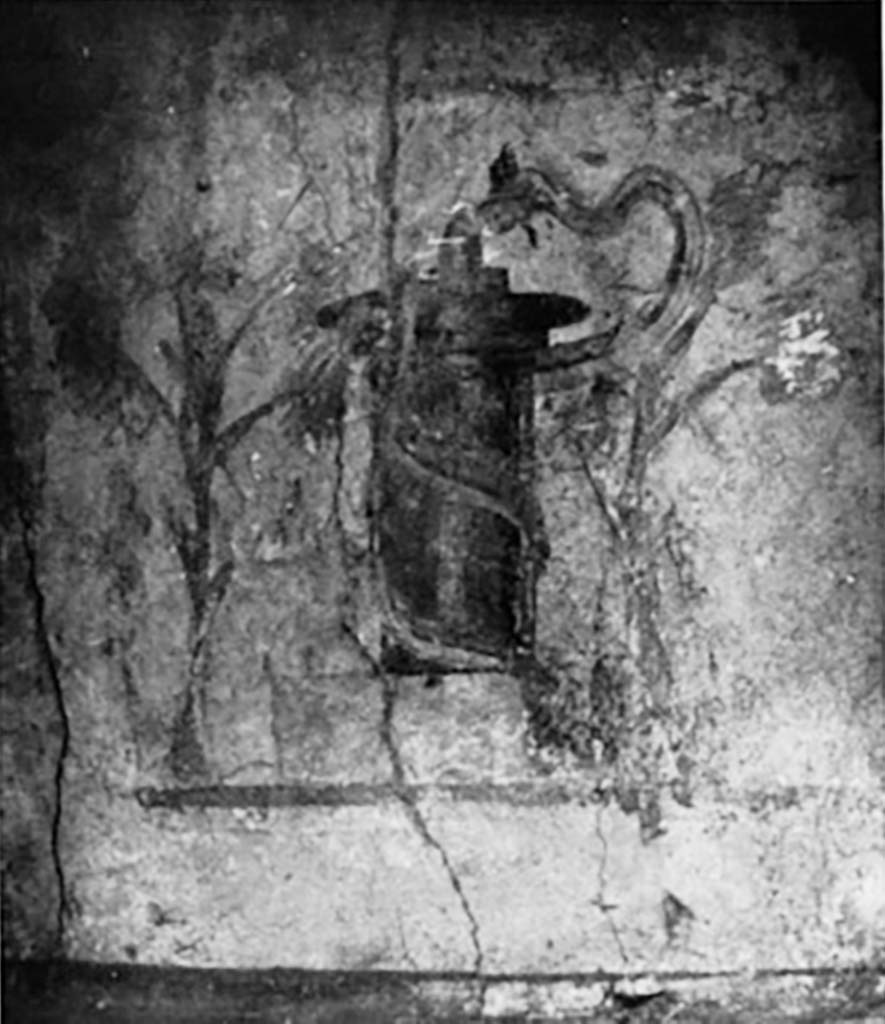
VI.14.43 Pompeii. 1937. Niche. Detail of painted altar with plants and serpent.
See Boyce G. K., 1937. Corpus of the Lararia of Pompeii. Rome: MAAR 14. (p.54, no.209, with Pl.8,3)
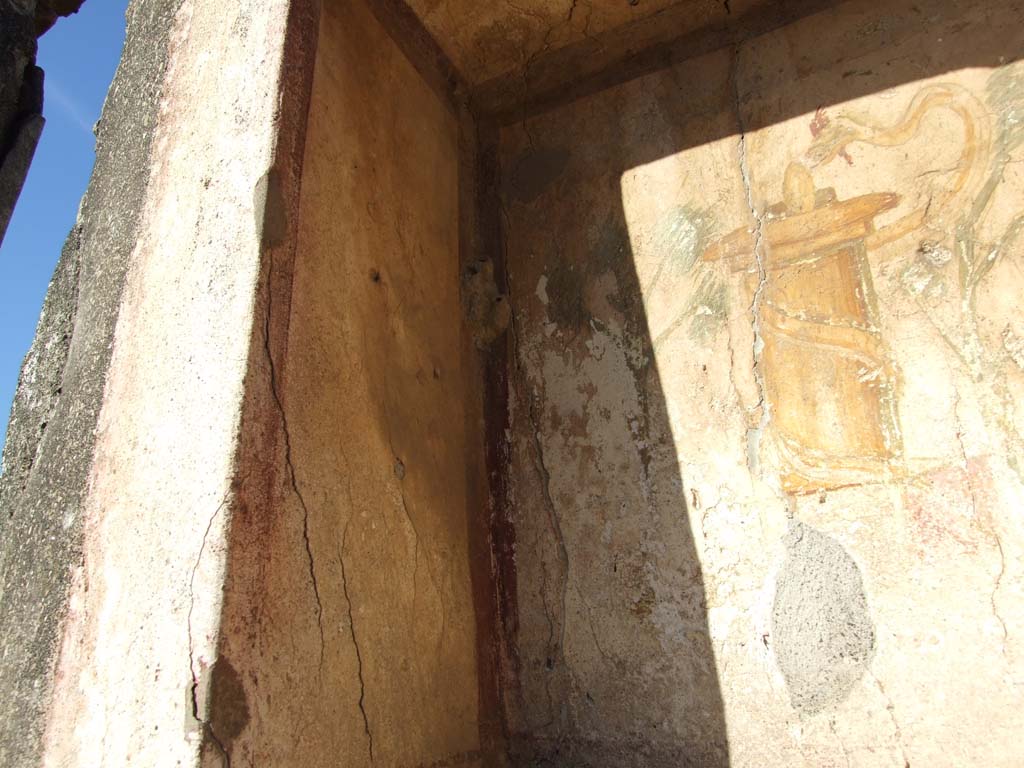
VI.14.43 Pompeii. December 2007. Niche with painted altar with plants and serpent.
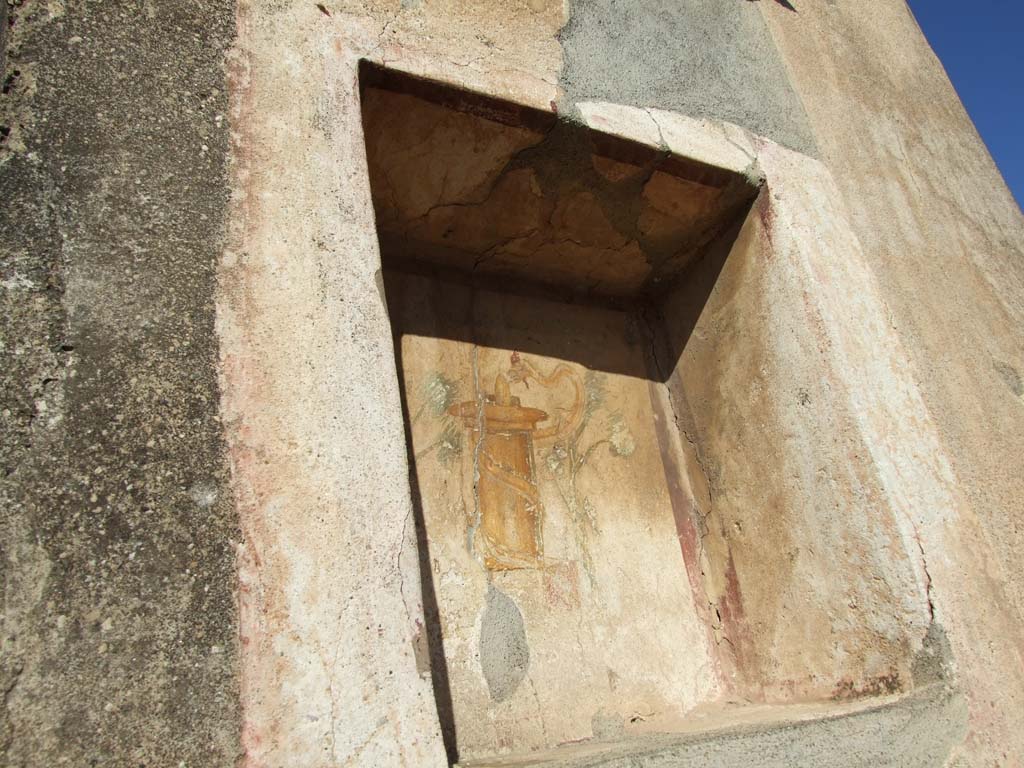
VI.14.43 Pompeii. December 2007. Niche with painted altar with plants and serpent.
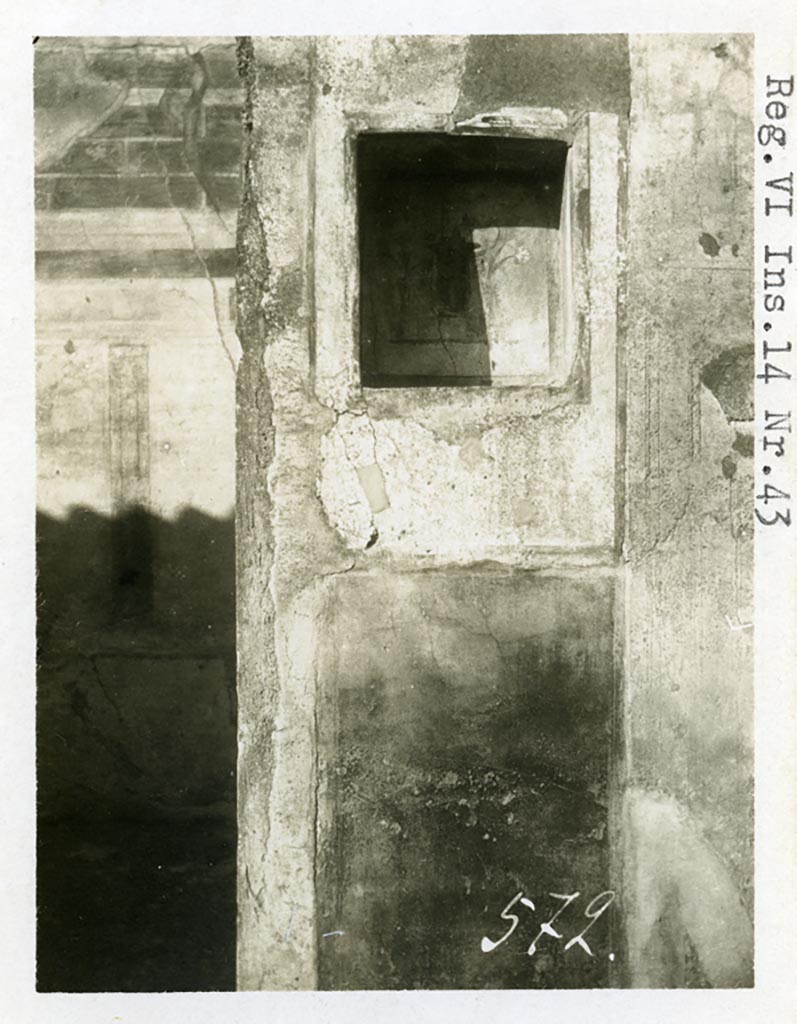
VI.14.43 Pompeii. Pre-1937-39. Niche with painted altar with plants and serpent.
Photo courtesy of American Academy in Rome, Photographic Archive. Warsher collection no. 572.
Part 5 Part 6
Part 7 Part 1 Part 2
Part 3 Plan