VI.5.4 Pompeii. House. Excavated 1837, 1843.
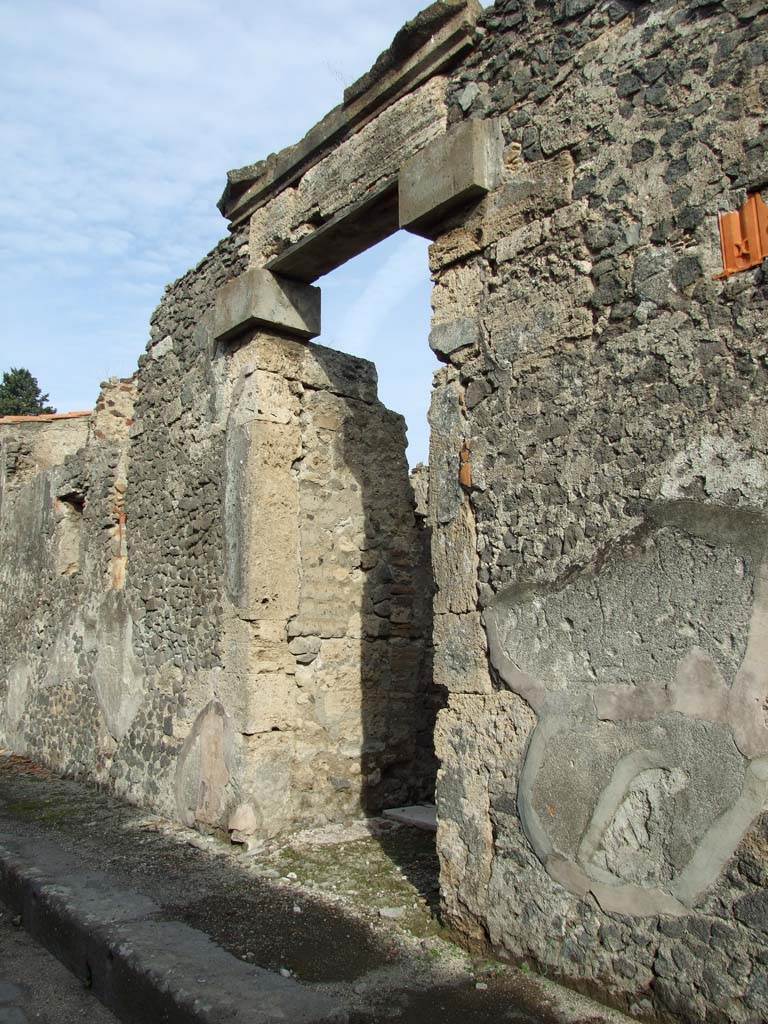
VI.5.4 Pompeii.
December 2007. Entrance doorway on Vicolo di Modesto.
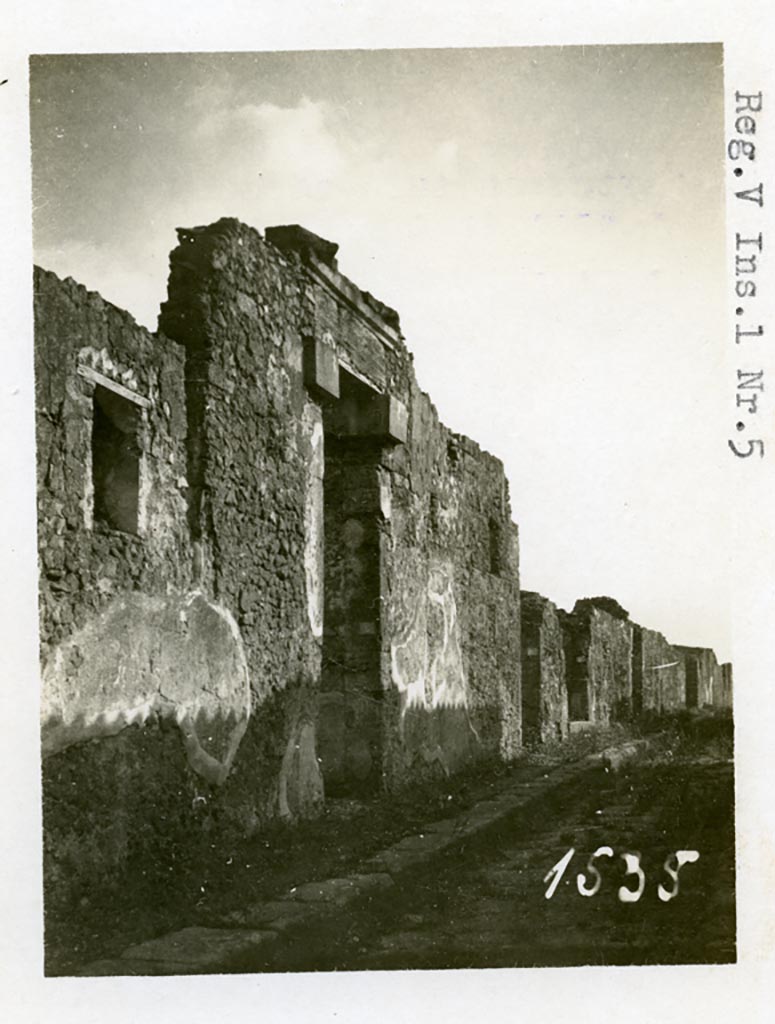
VI.5.4 Pompeii but shown as V.1.5 on photo. Pre-1937-39.
Looking south to entrance doorways on Vicolo di Modesto.
Photo courtesy of American Academy in Rome, Photographic Archive. Warsher collection no. 1535.
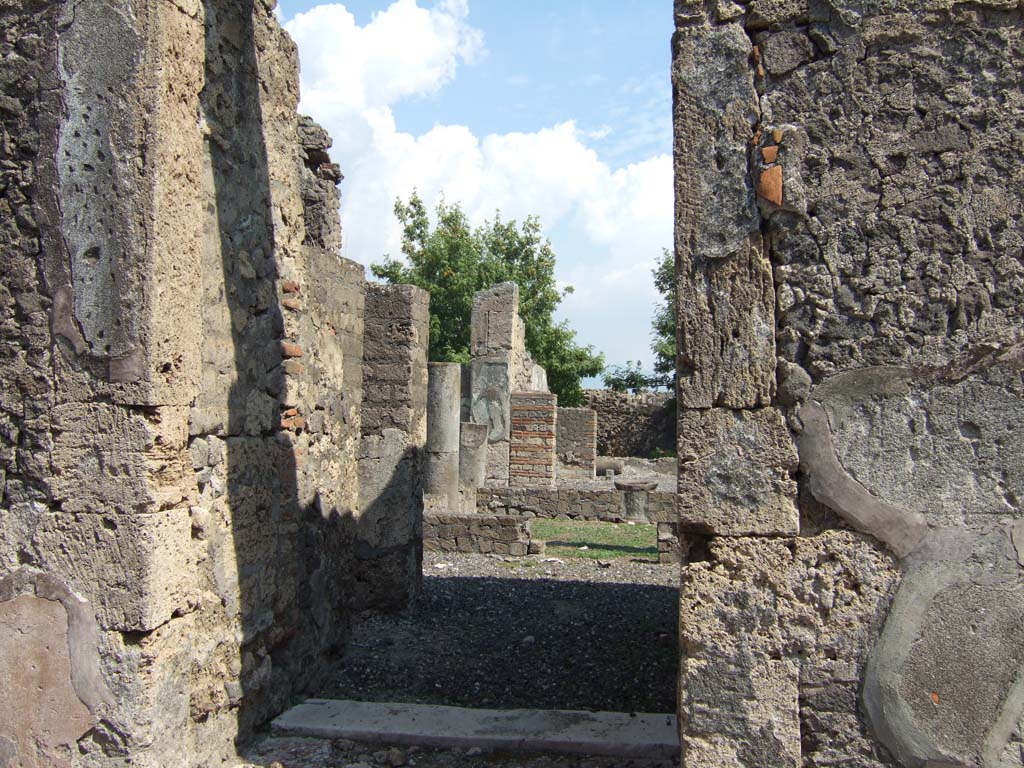
VI.5.4 Pompeii. September 2005. Doorway with corridor to atrium.
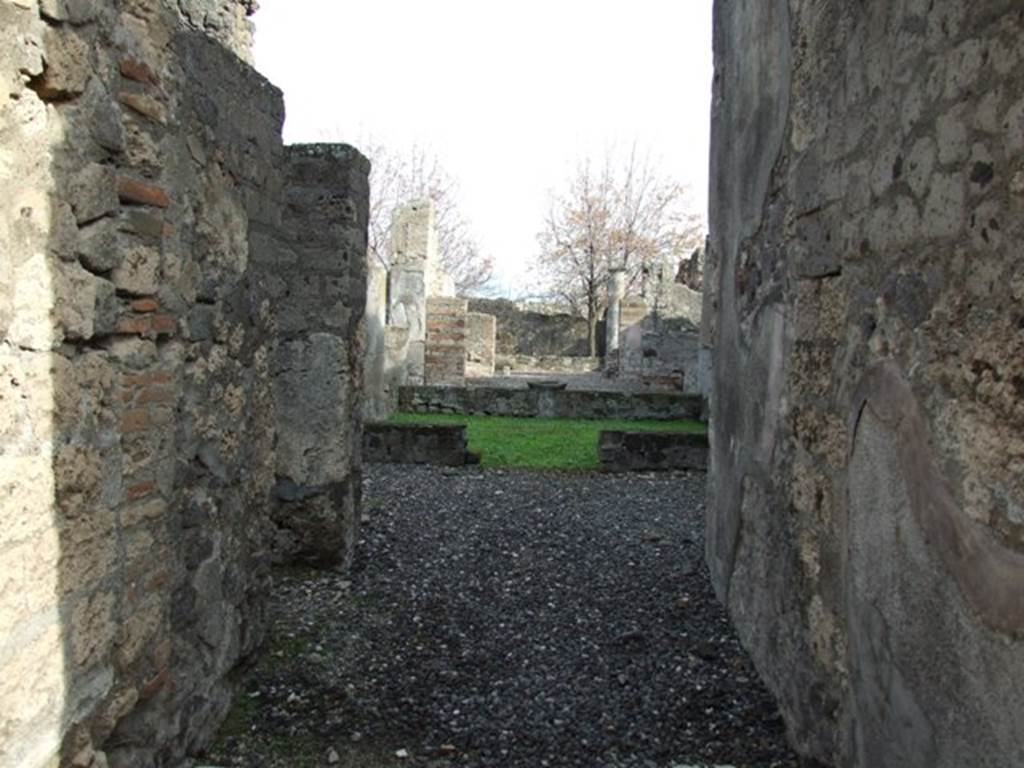
VI.5.4 Pompeii. December 2007. Looking east along entrance corridor to atrium.
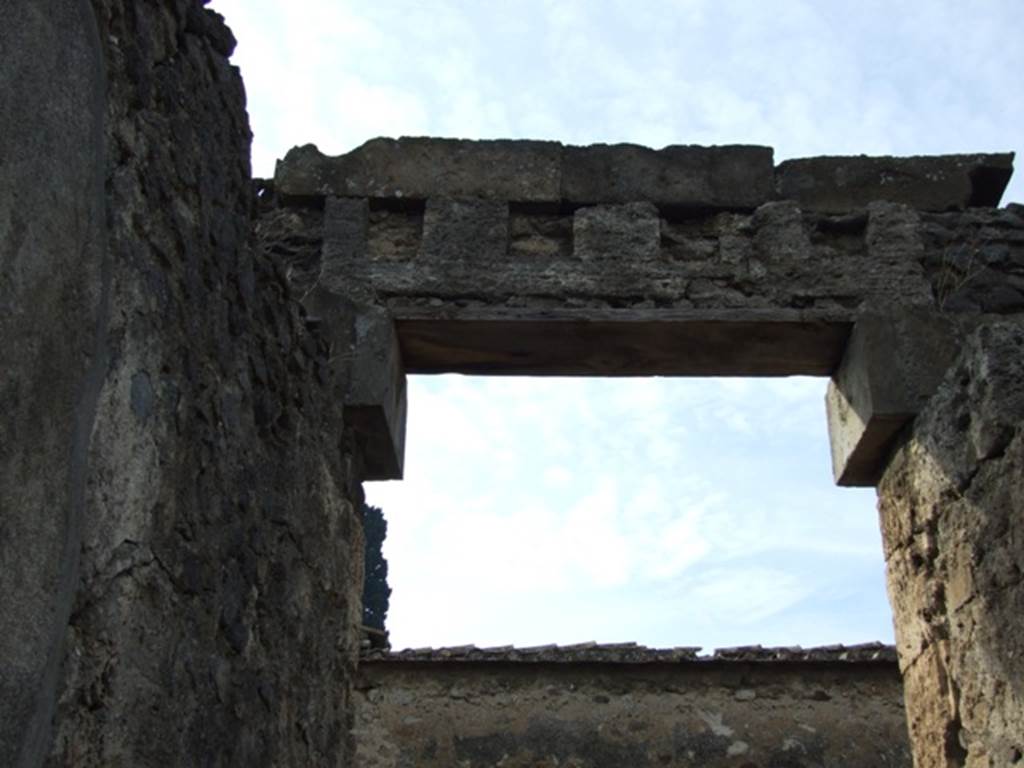
VI.5.4 Pompeii. December 2007. Lintel above front entrance, looking west from the fauces corridor.
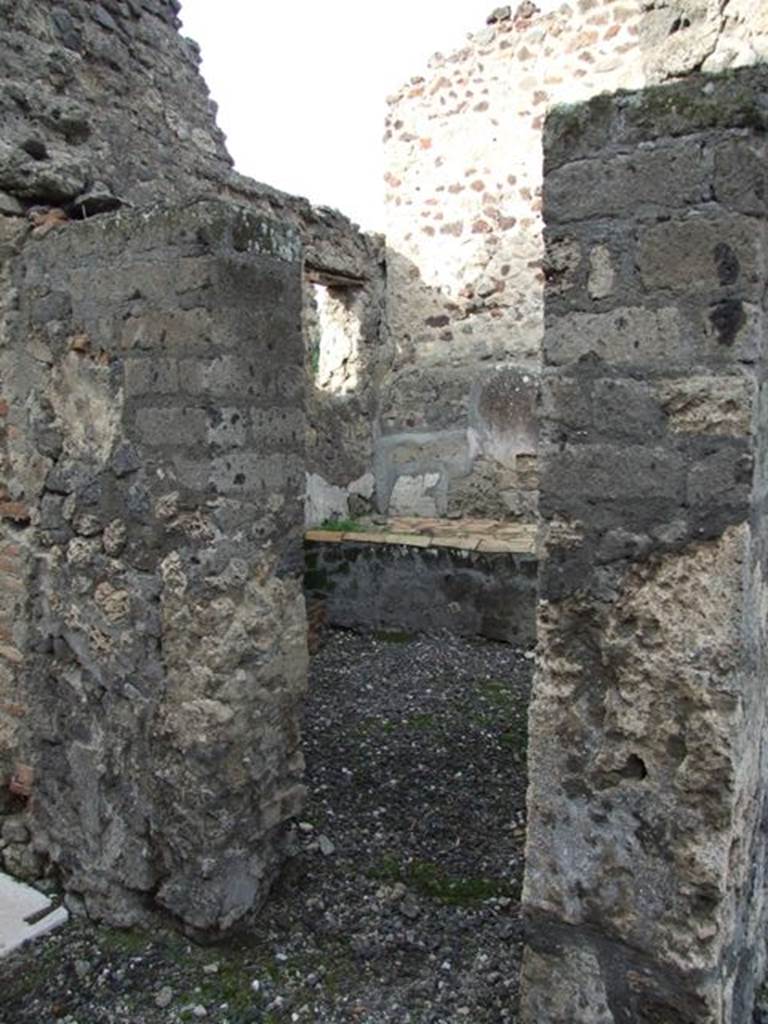
VI.5.4 Pompeii. December 2007. Doorway to room 1.
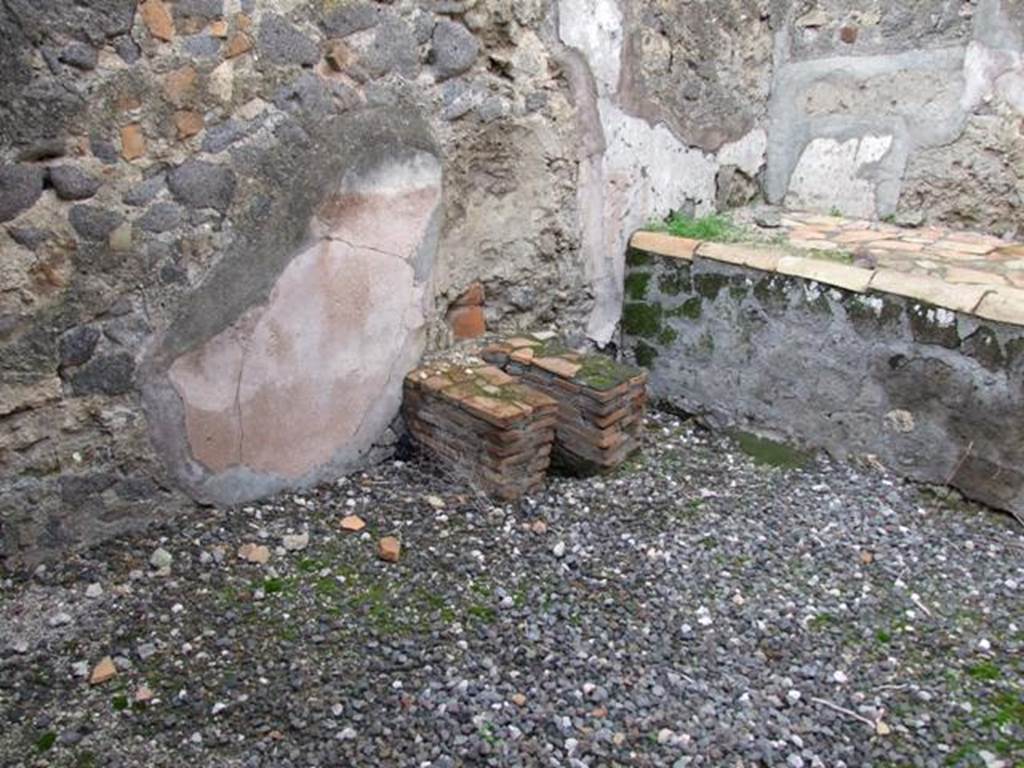
VI.5.4 Pompeii. December 2007. Room 1, looking north-west in kitchen towards latrine and hearth.
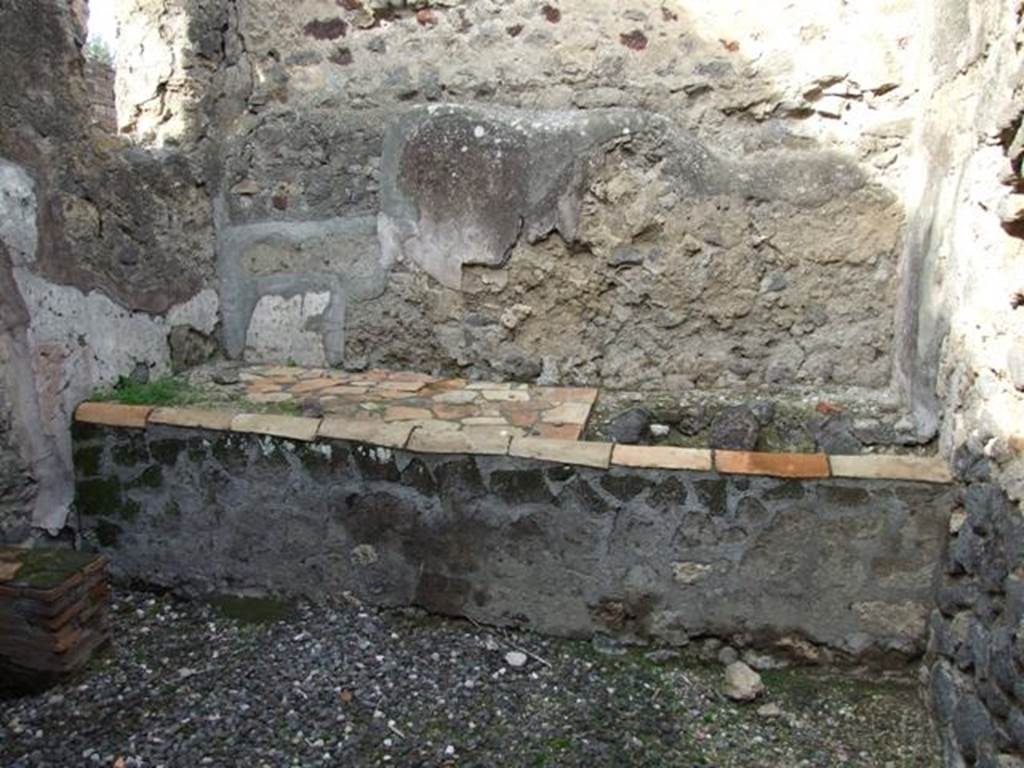
VI.5.4 Pompeii. December 2007. Room 1, looking north to hearth, and window in west wall.
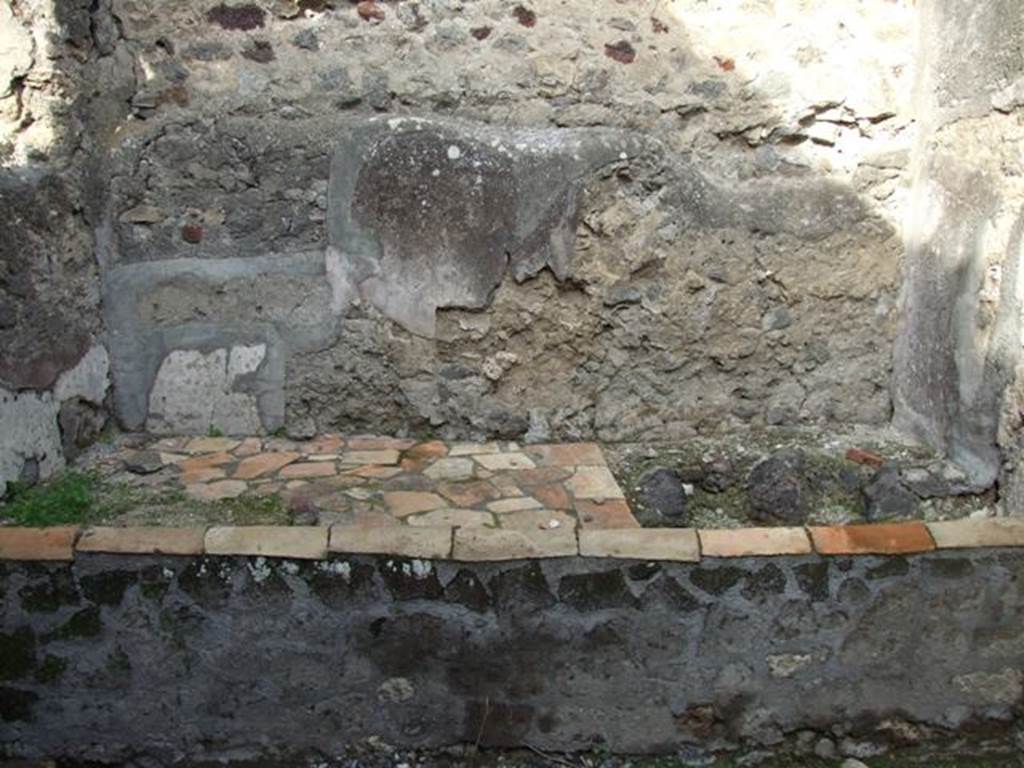
VI.5.4 Pompeii. December 2007. Room 1, hearth in kitchen.
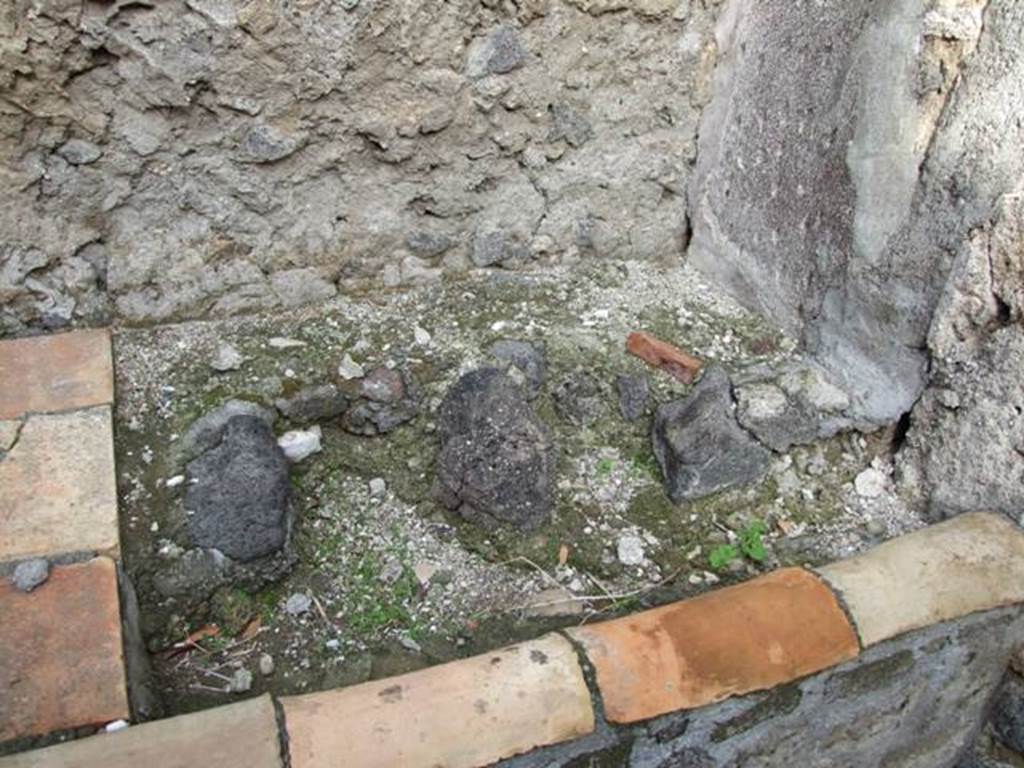
VI.5.4 Pompeii. December 2007. Room 1, north-east corner of kitchen hearth.
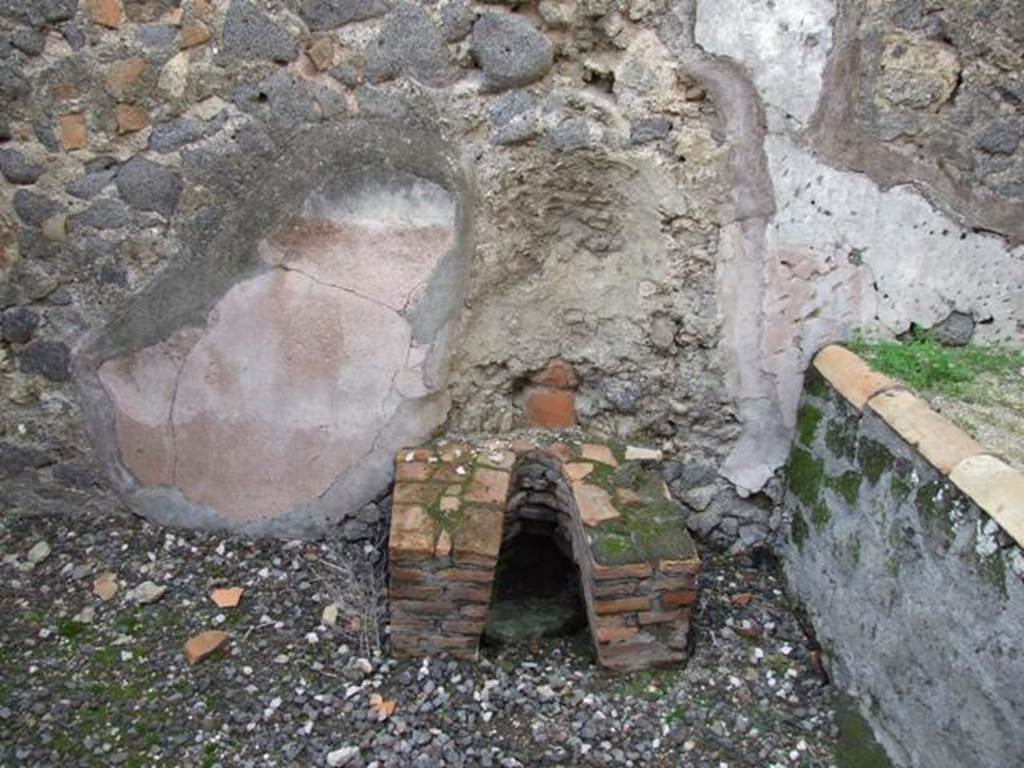
VI.5.4 Pompeii. December 2007. Room 1, latrine near west wall of kitchen.
According to Hobson, most of the latrine construction is of mixed stone and mortar.
In the case above though, brick construction probably of the first century CE is identifiable.
See Hobson, B., 2009. Latrinae et foricae: Toilets in the Roman World. London; Duckworth. (p.165)
He also said this latrine constructed of brick may be a late addition to the house.
See Hobson, B. 2009. Pompeii, Latrines and Down Pipes. Oxford, Hadrian Books, (p.208)
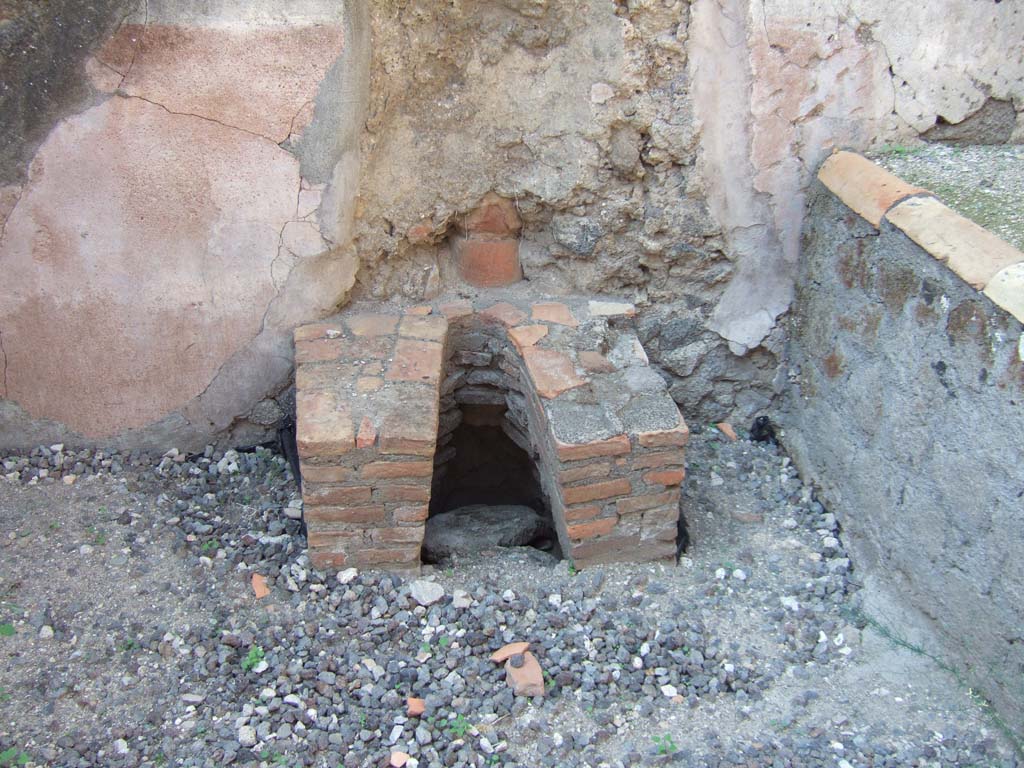
VI.5.4 Pompeii.
September 2005. Latrine in kitchen.
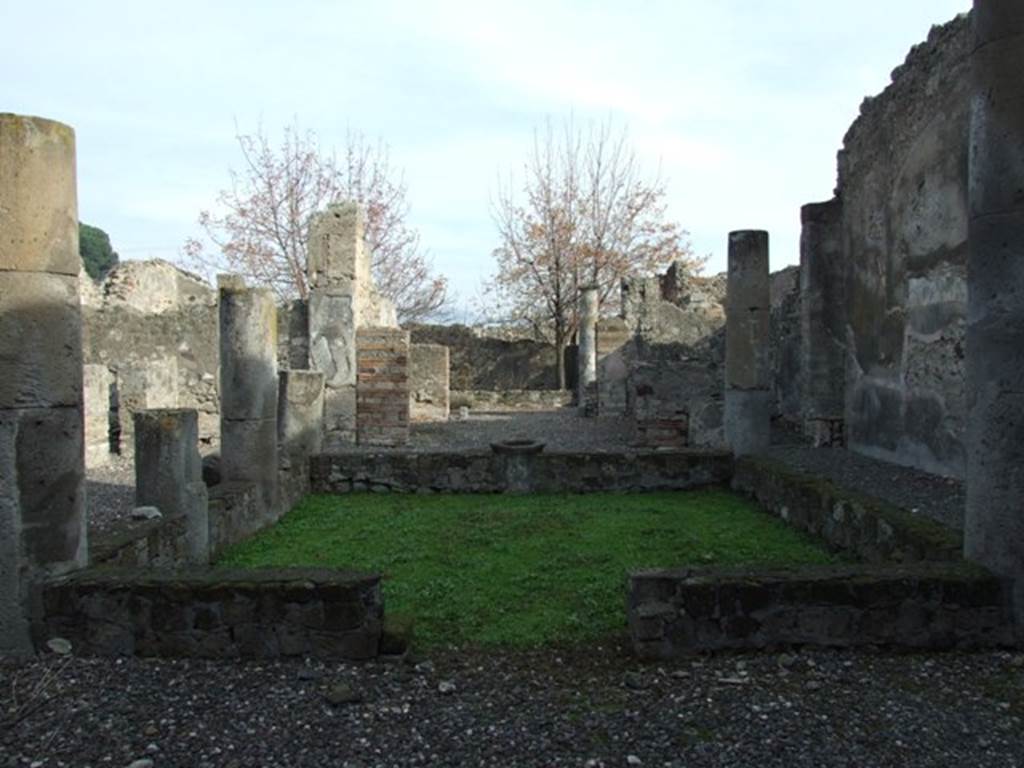
VI.5.4 Pompeii. December 2007. Looking east across atrium.
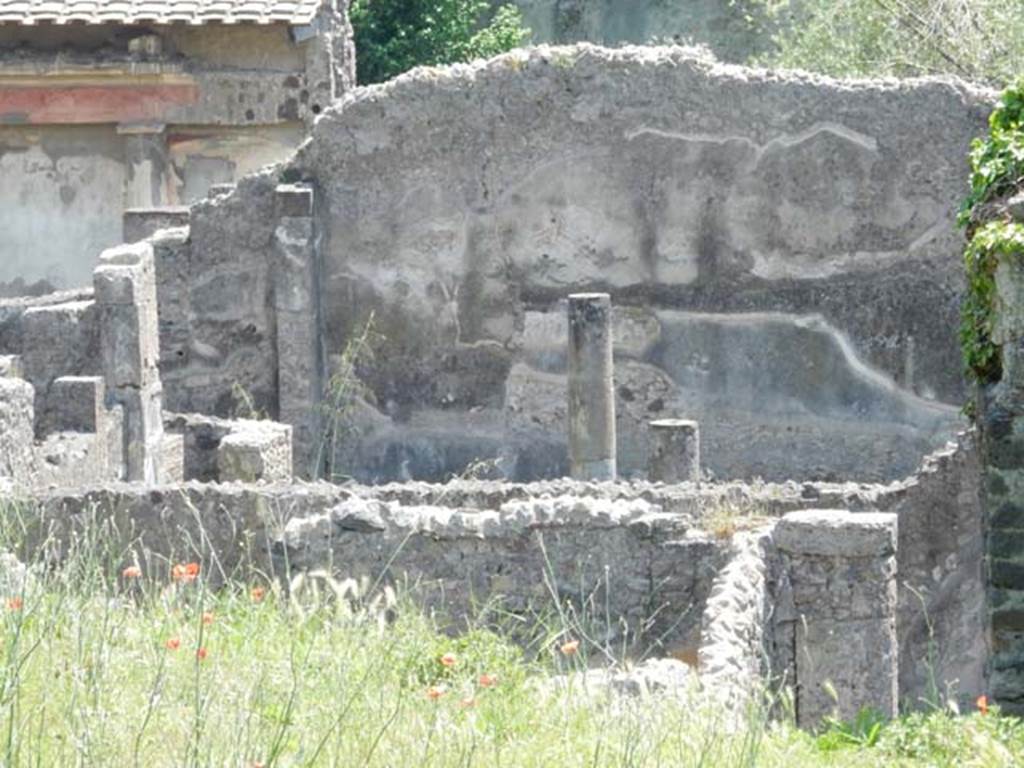
VI.5.4 Pompeii. May 2015. Looking towards south wall of atrium, from city walls. Photo courtesy of Buzz Ferebee.
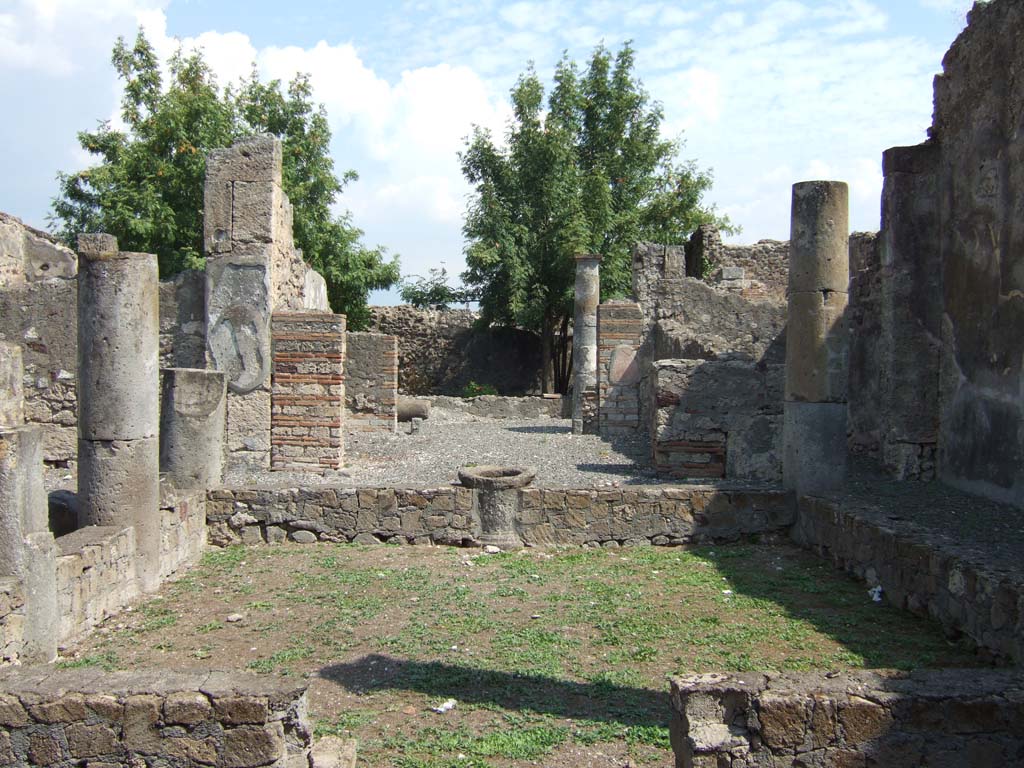
VI.5.4 Pompeii. September 2005. Looking east.
According to Jashemski, the six columns around the impluvium in the atrium (and according to Fiorelli) were joined by a low masonry wall.
This wall had a channel on top for plantings. It has now been restored without the planting space.
See Jashemski, W. F., 1993. The Gardens of Pompeii, Volume II: Appendices. New York: Caratzas. (p.125)
See Pappalardo, U., 2001. La Descrizione di Pompei per Giuseppe Fiorelli (1875). Napoli: Massa Editore. (p.54)
According to Breton, this house was remarkable for its impluvium with a hollowed out pluteus for planting flowers.
The beautiful columns around the impluvium were Doric, with their capitals more or less preserved.
See Breton, Ernest. 1870. Pompeia, Guide de visite a Pompei, 3rd ed. Paris, Guerin.
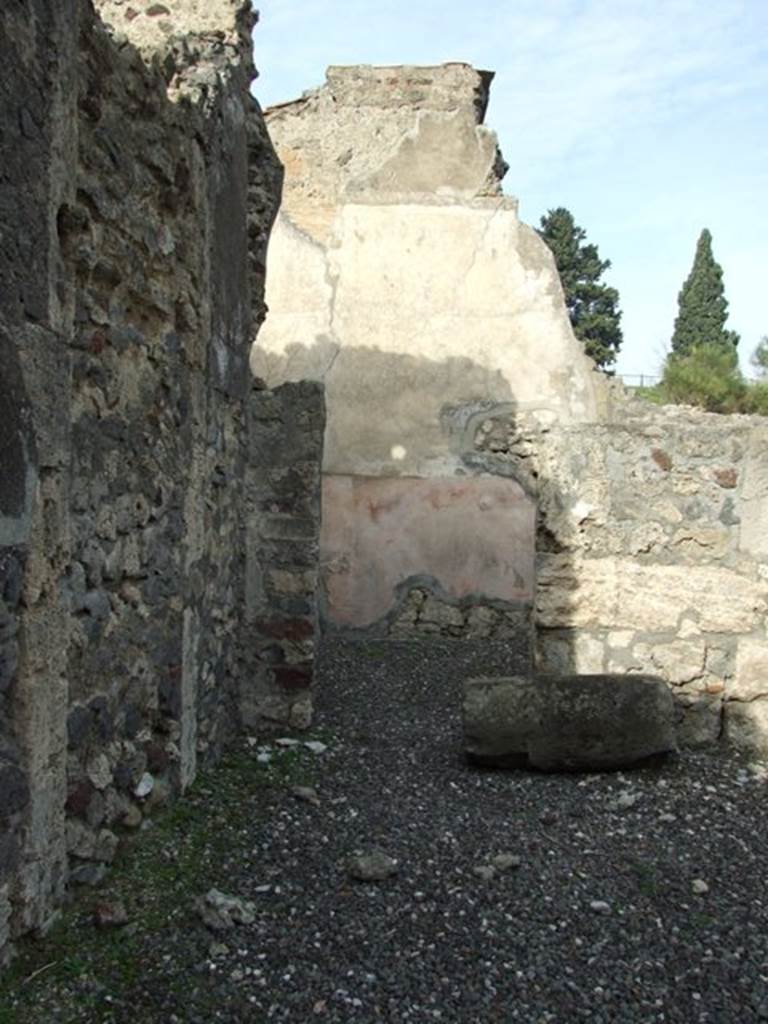
VI.5.4 Pompeii. December 2007. Doorway to room 2, triclinium.
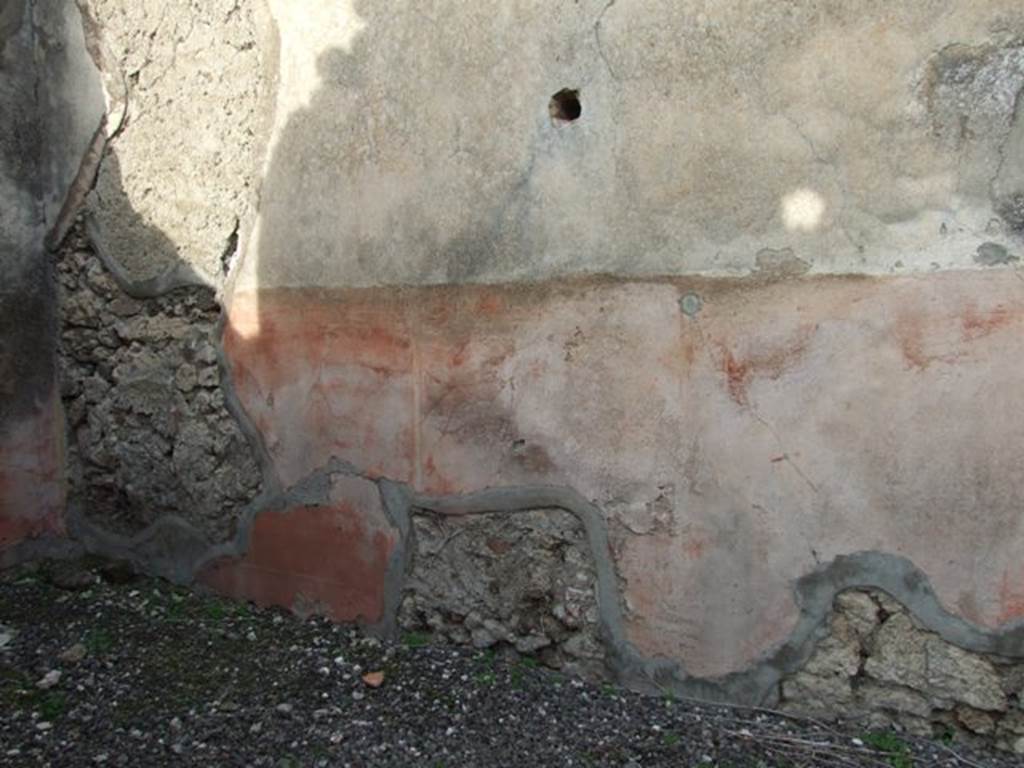
VI.5.4 Pompeii. December 2007. Room 2, north wall with remains of painted plaster.
According to Breton, this room’s walls were decorated with large red panels separated by bands of yellow.
See Breton, Ernest. 1870. Pompeia, Guide de visite a Pompei, 3rd ed. Paris, Guerin.
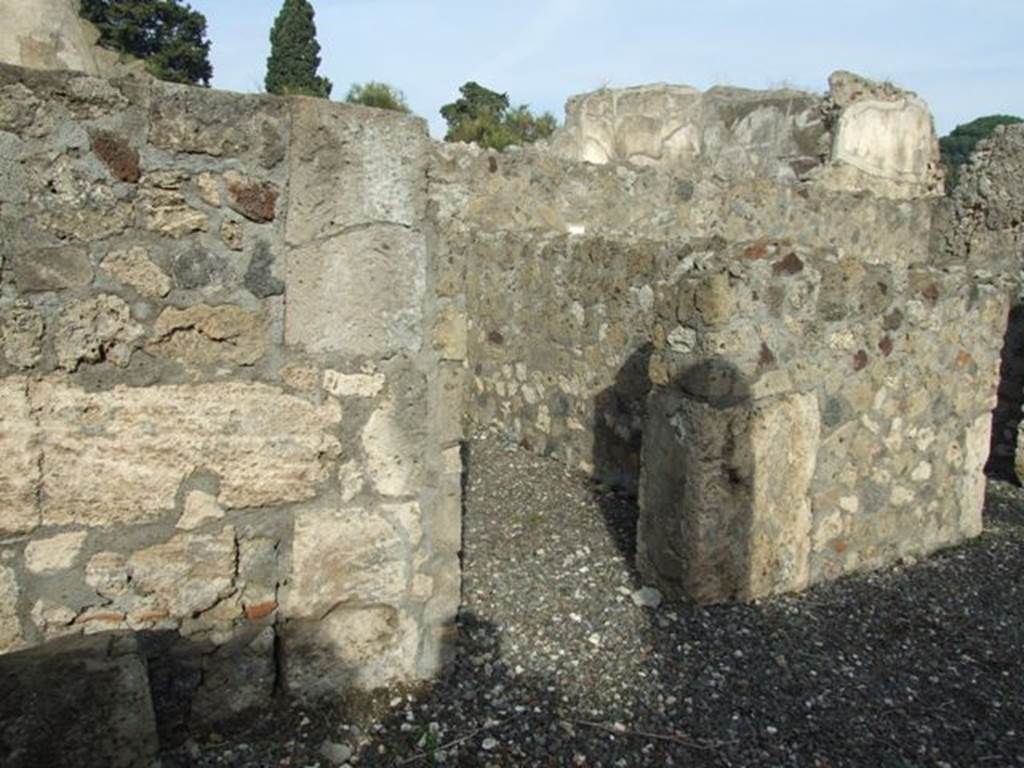
VI.5.4 Pompeii. December 2007. Doorway to room 3, on north side of atrium.
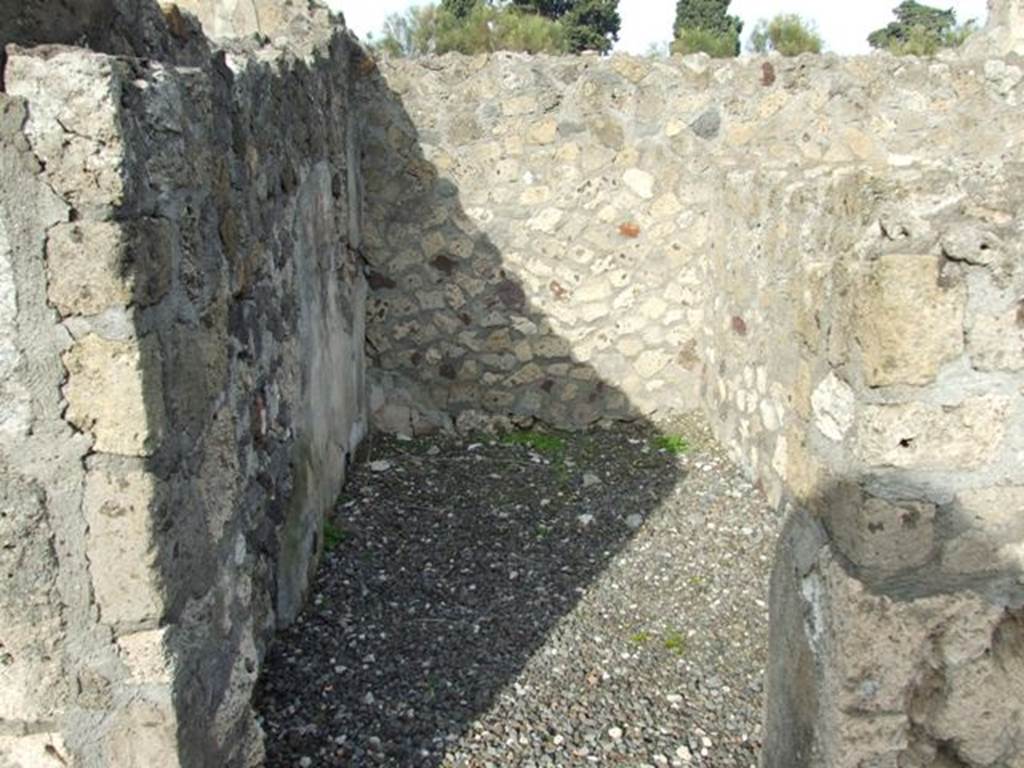
VI.5.4 Pompeii. December 2007. Room 3, looking north into storeroom or small room.
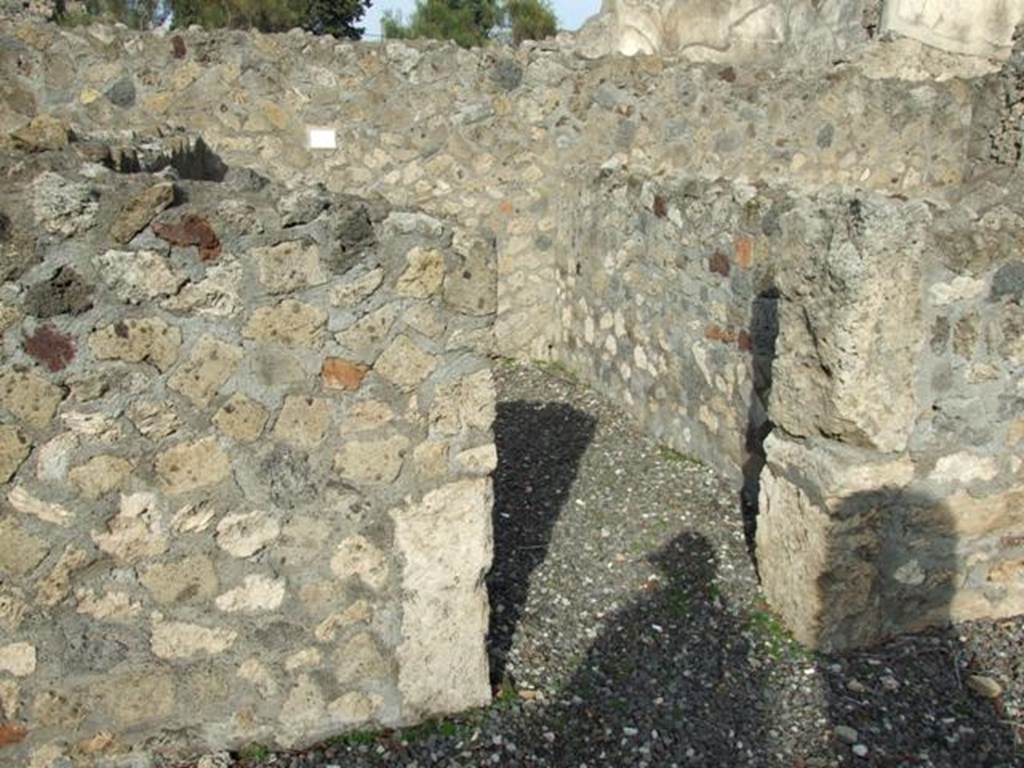
VI.5.4 Pompeii. December 2007. Doorway to room 4, cubiculum.
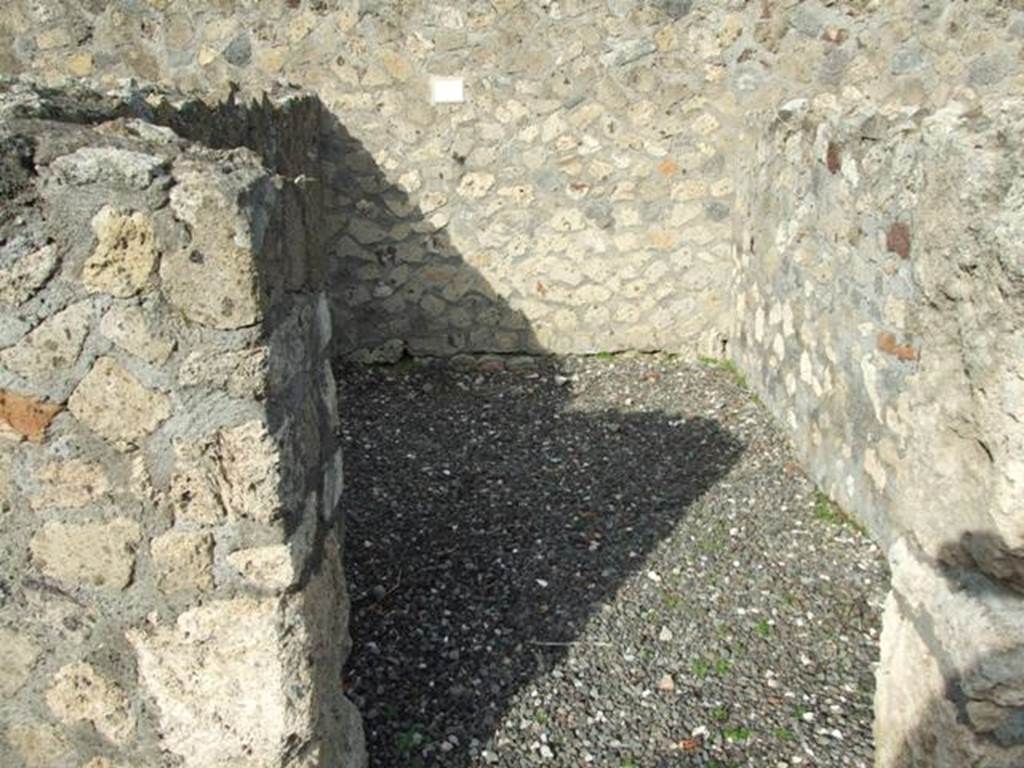
VI.5.4 Pompeii. December 2007. Looking north into room 4.
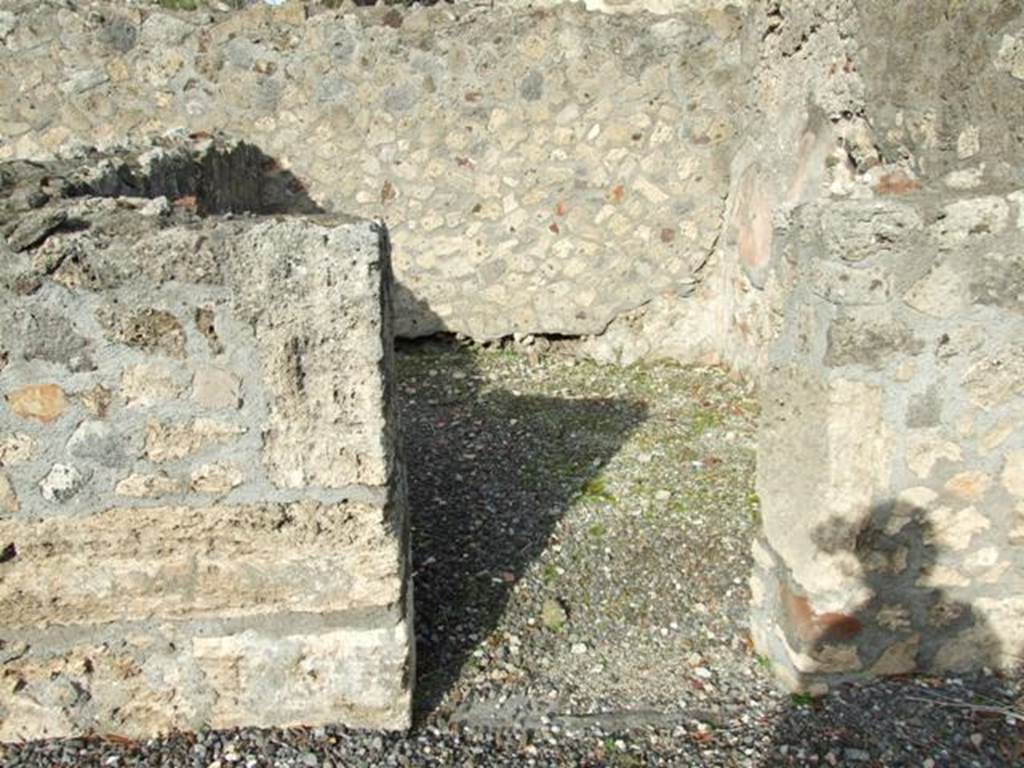
VI.5.4 Pompeii. December 2007. Doorway to room 5, cubiculum.
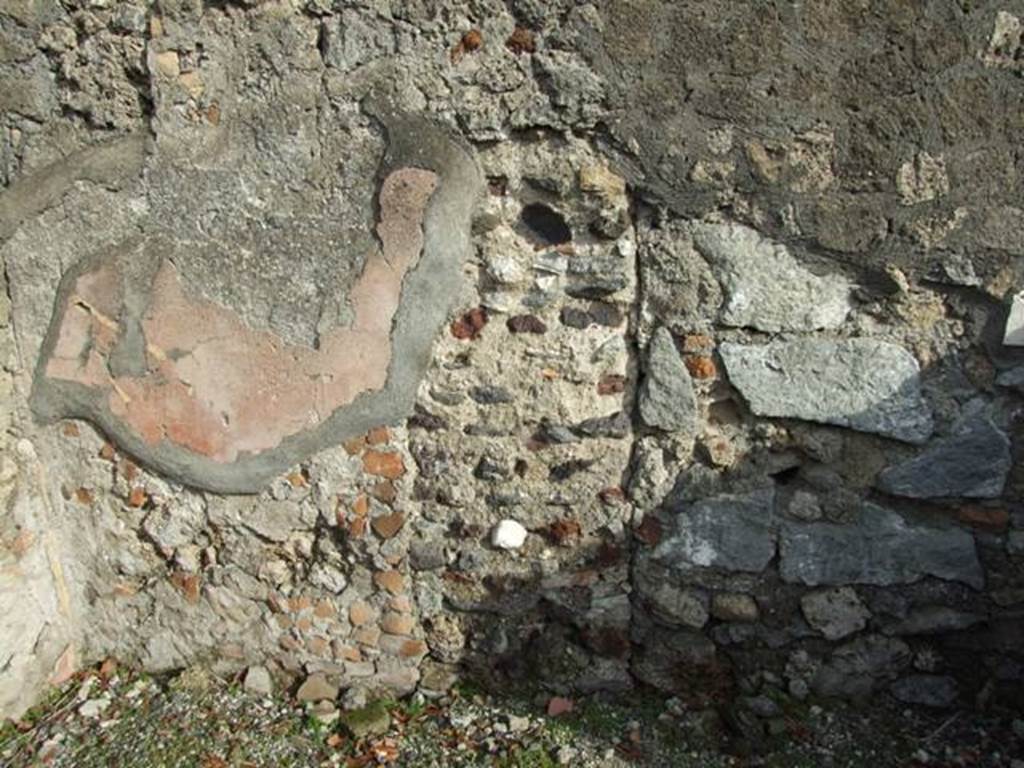
VI.5.4 Pompeii. December 2007. Room 5, east wall.