I.12.8 Pompeii. Casa e Officina
del Garum degli Umbricii.
Excavated 1958 and 1960 to 1961.
Part 4 Part 1 Part 2
Part 3 Plan
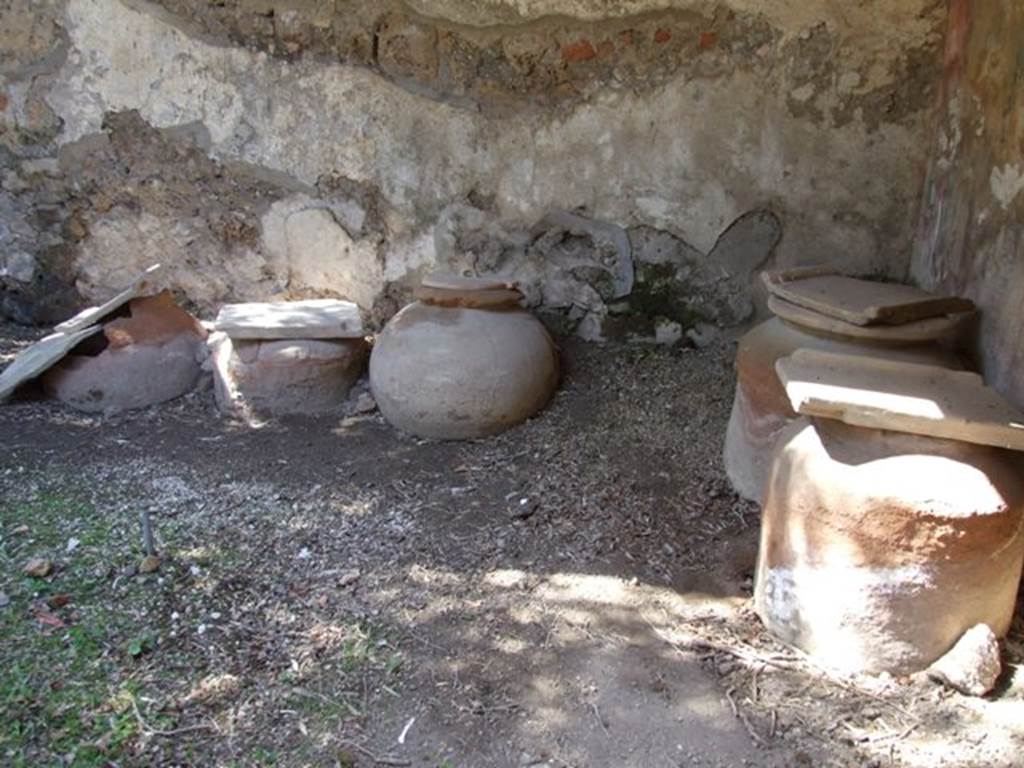
I.12.8 Pompeii. March 2009. Room 9, looking west towards five dolia in north-west corner of peristyle garden.
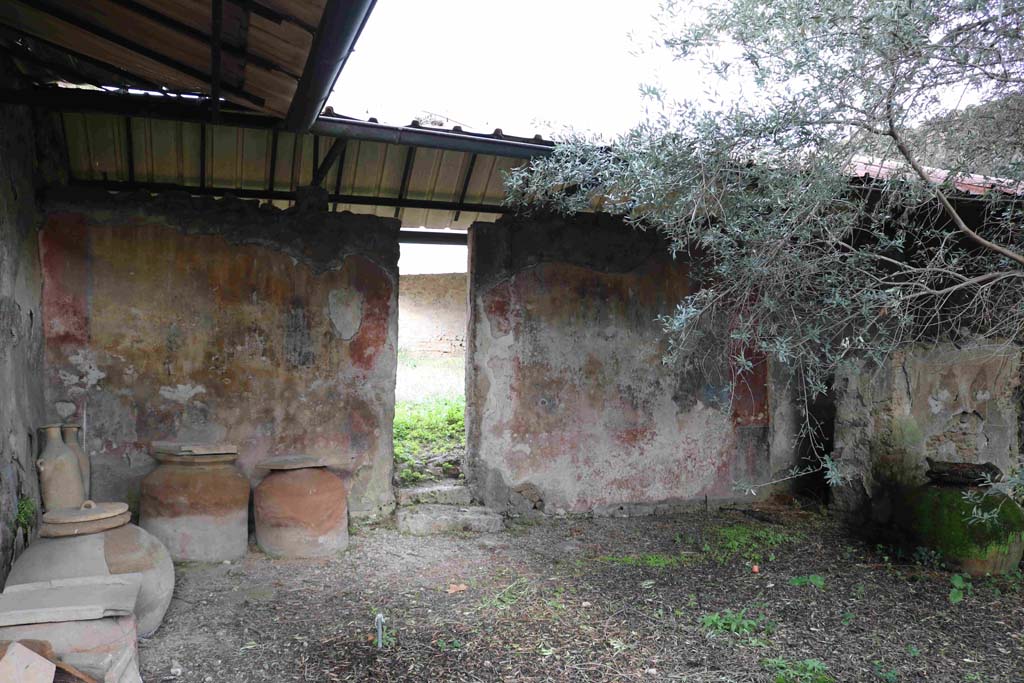
I.12.8
Pompeii. December 2018.
Room 9, looking north towards dolia
in north-west corner of peristyle garden. Photo
courtesy of Aude Durand.
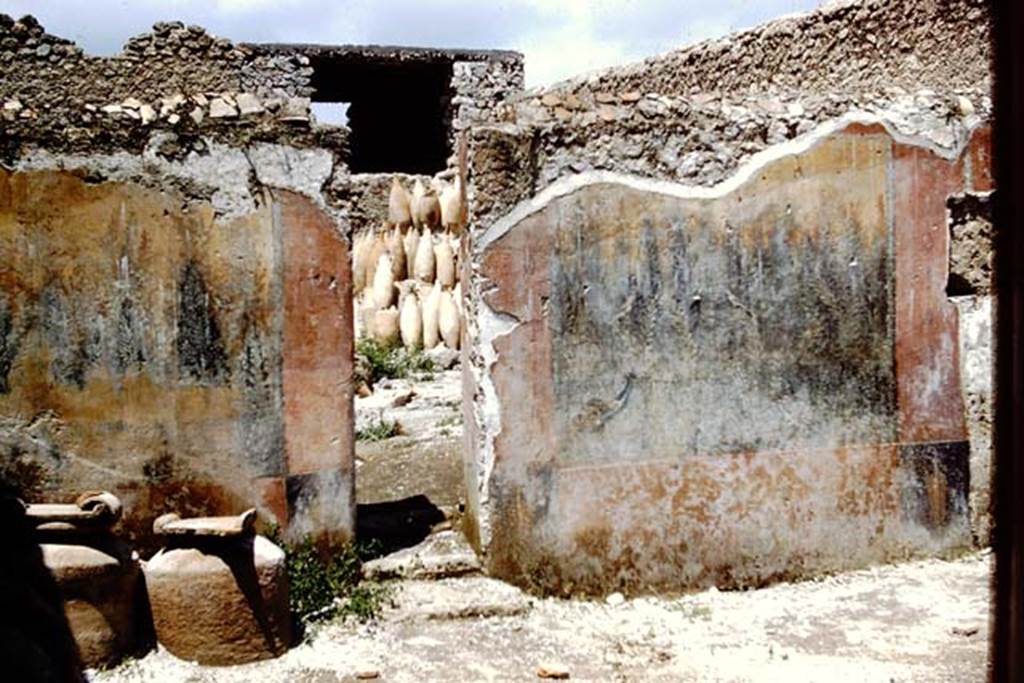
I.12.8 Pompeii. 1961. Looking north-east through doorway into room 13, the rear garden. Photo by Stanley A. Jashemski.
Source: The Wilhelmina and Stanley A. Jashemski archive in the University of Maryland Library, Special Collections (See collection page) and made available under the Creative Commons Attribution-Non-Commercial License v.4. See Licence and use details.
J61f0548
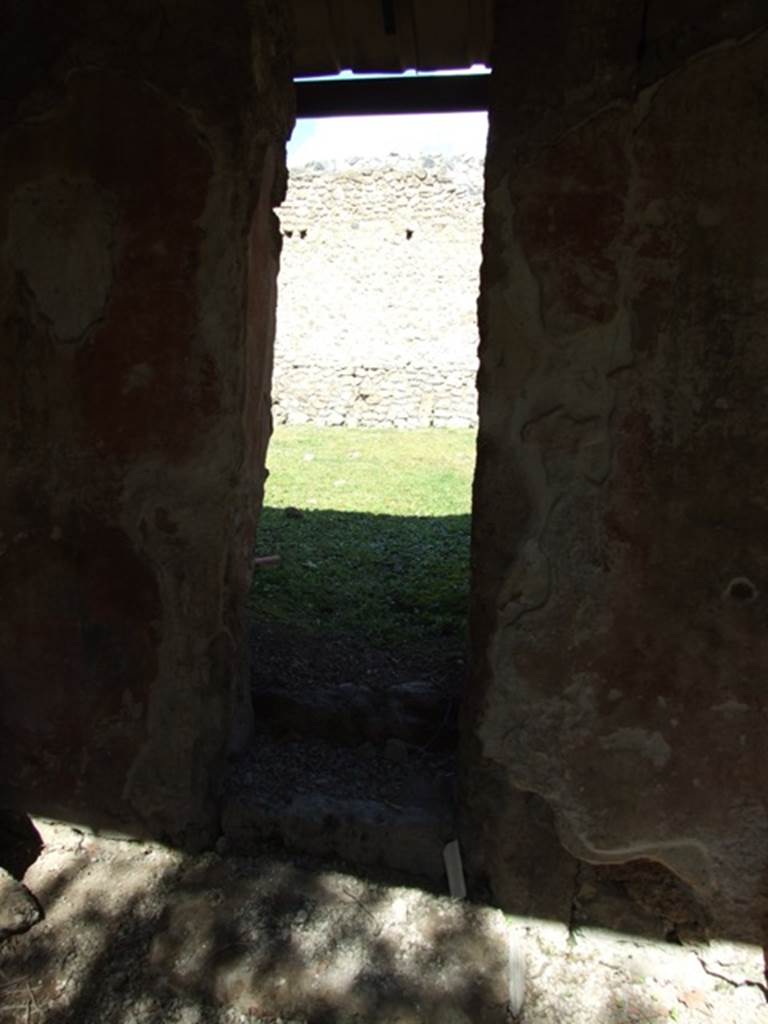
I.12.8 Pompeii. March 2009. Room 9, doorway with three steps in north wall to rear garden.
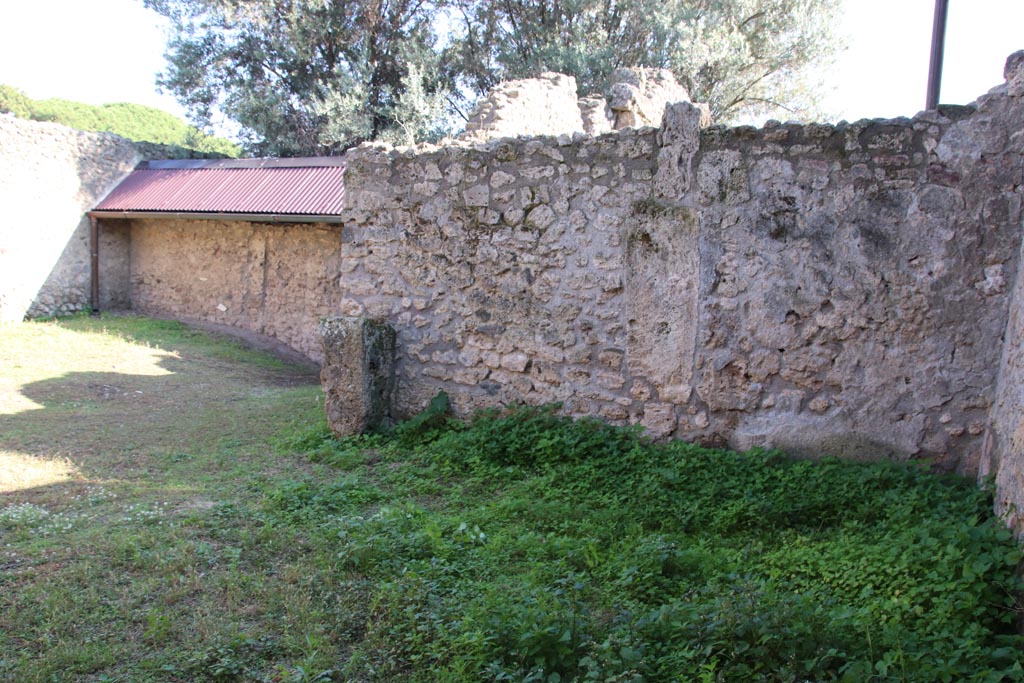
I.12.8 Pompeii. October 2022. Room 13, looking east along
south wall from west end. Photo
courtesy of Klaus Heese.
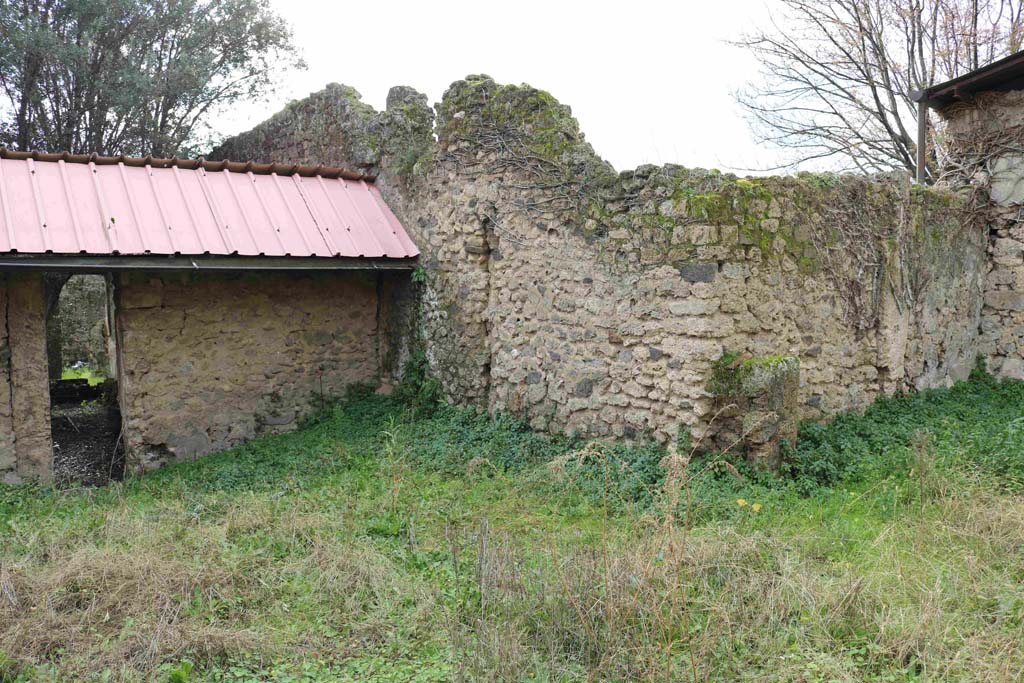
I.12.8 Pompeii. December 2018.
Room 13, looking towards south wall, with
doorway to room 9 peristyle garden, and south-west corner, on right. Photo
courtesy of Aude Durand.
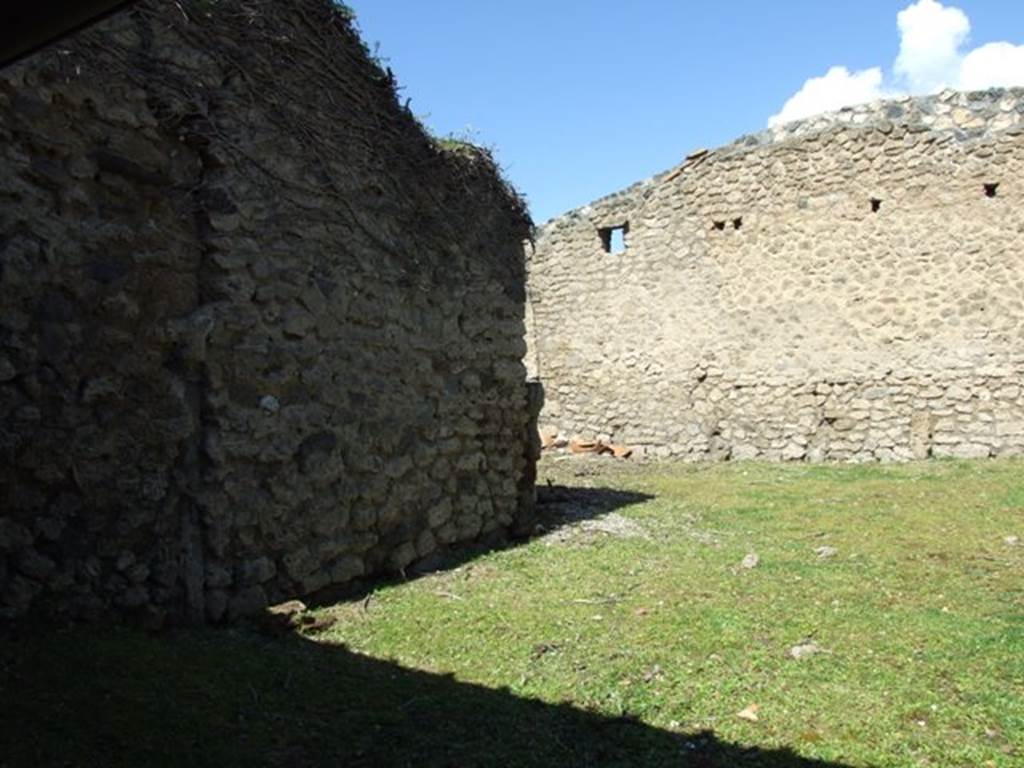
I.12.8 Pompeii. March 2009. Room 13, looking north-west across the rear garden, from south-west corner.
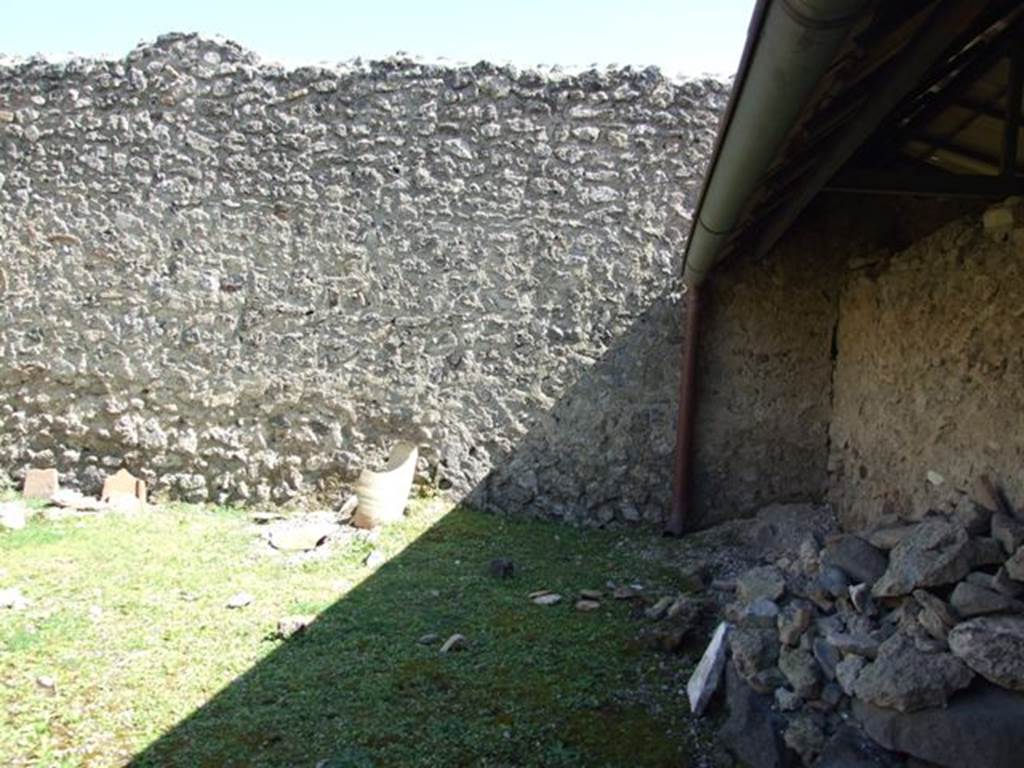
I.12.8 Pompeii. March 2009. Room 13, looking east along south wall in rear garden from south-west corner.
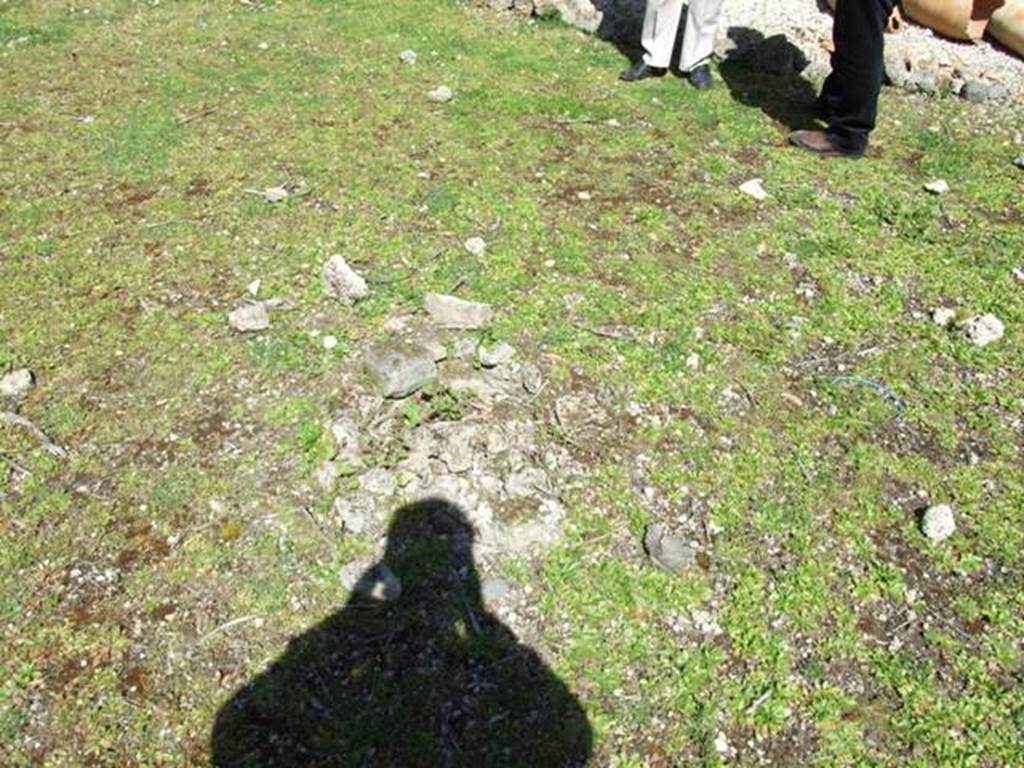
I.12.8 Pompeii. March 2009. Room 13, remains of cistern in centre of rear garden.
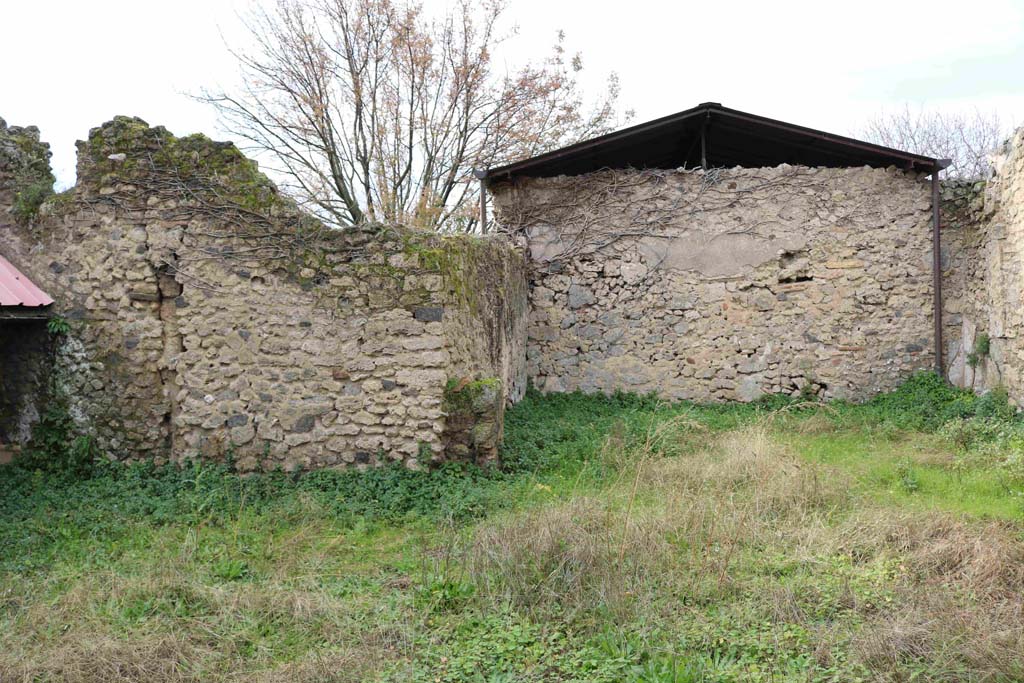
I.12.8 Pompeii. December
2018. Room 13, looking west in rear garden. Photo courtesy of Aude Durand.
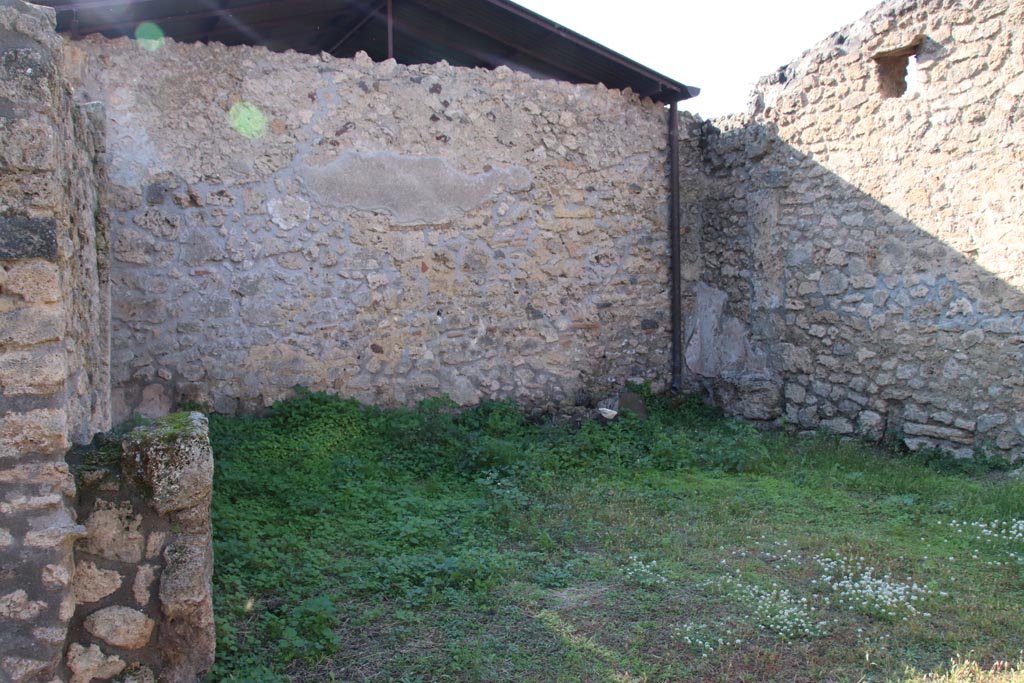
I.12.8 Pompeii. October 2022. Room 13, looking towards west side and north-west corner. Photo courtesy of Klaus Heese.
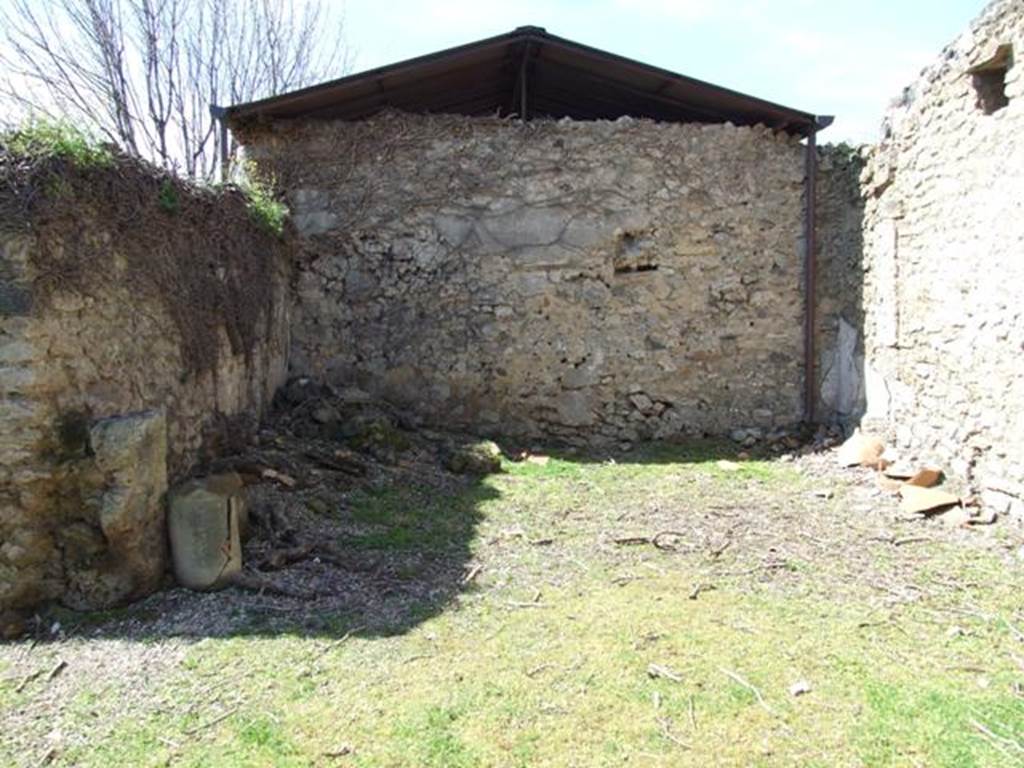
I.12.8 Pompeii. March 2009. Room 13, looking west in rear garden.
According to Curtis, on Eschebach’s 1969 plan of the house is shown an entrance doorway from the rear garden courtyard leading into the house at I.12.7.
This is an error. See Curtis R.L: The Garum shop of Pompeii, In Cronache Pompeiane, V.1979, p.8 note 5.
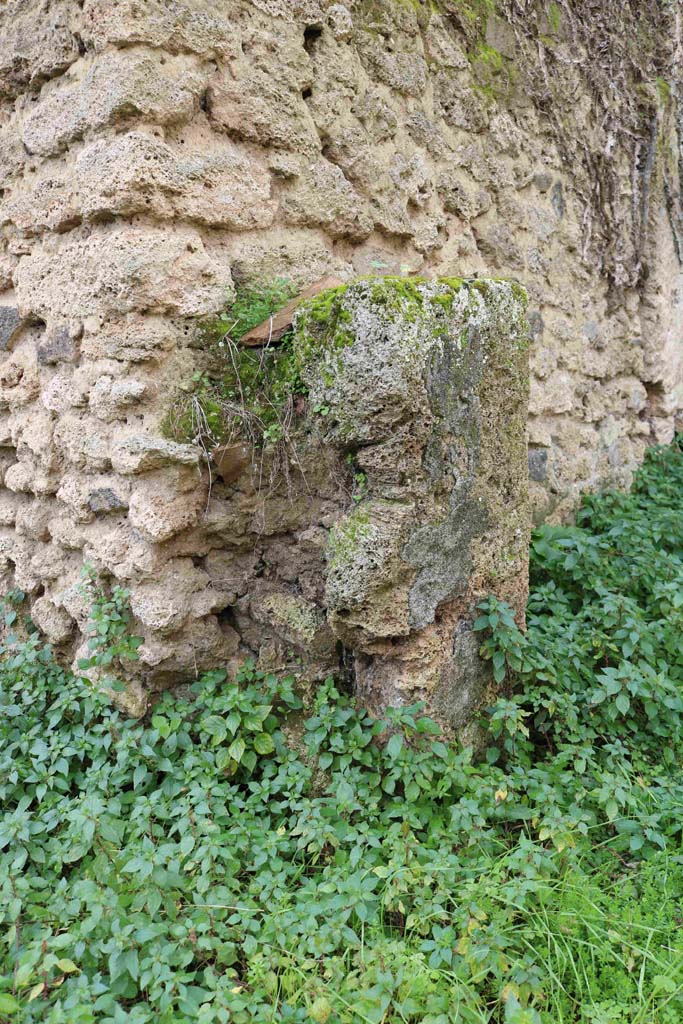
I.12.8 Pompeii. December 2018.
Structure
in join of wall towards south-west corner, looking west. Photo courtesy of Aude
Durand.
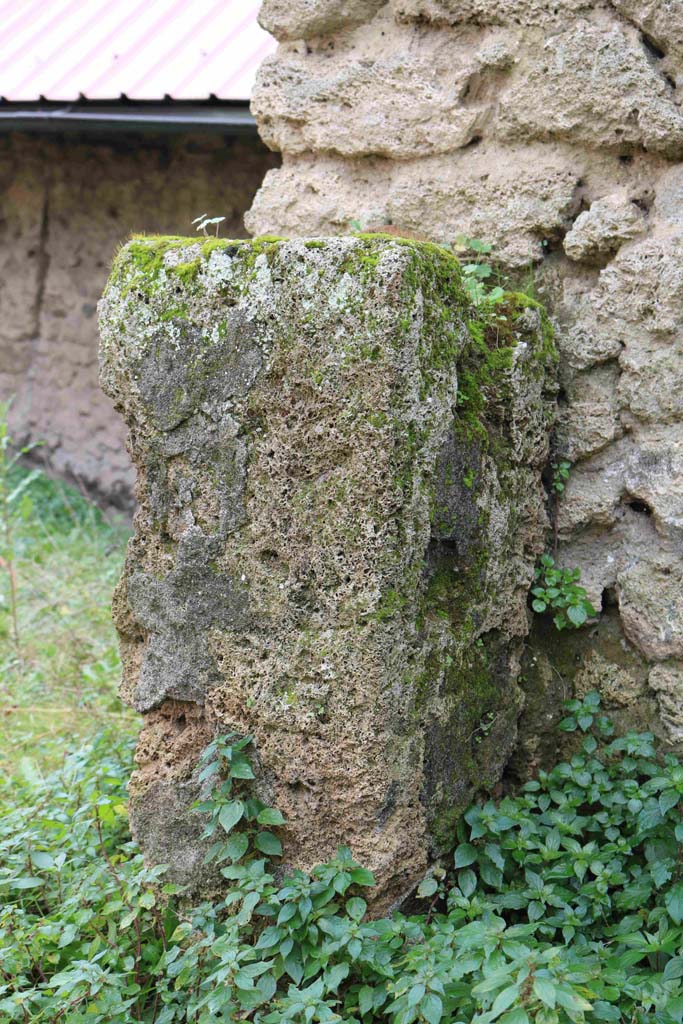
I.12.8 Pompeii. December 2018.
Structure in join of wall towards south-west
corner, looking south. Photo courtesy of Aude Durand.
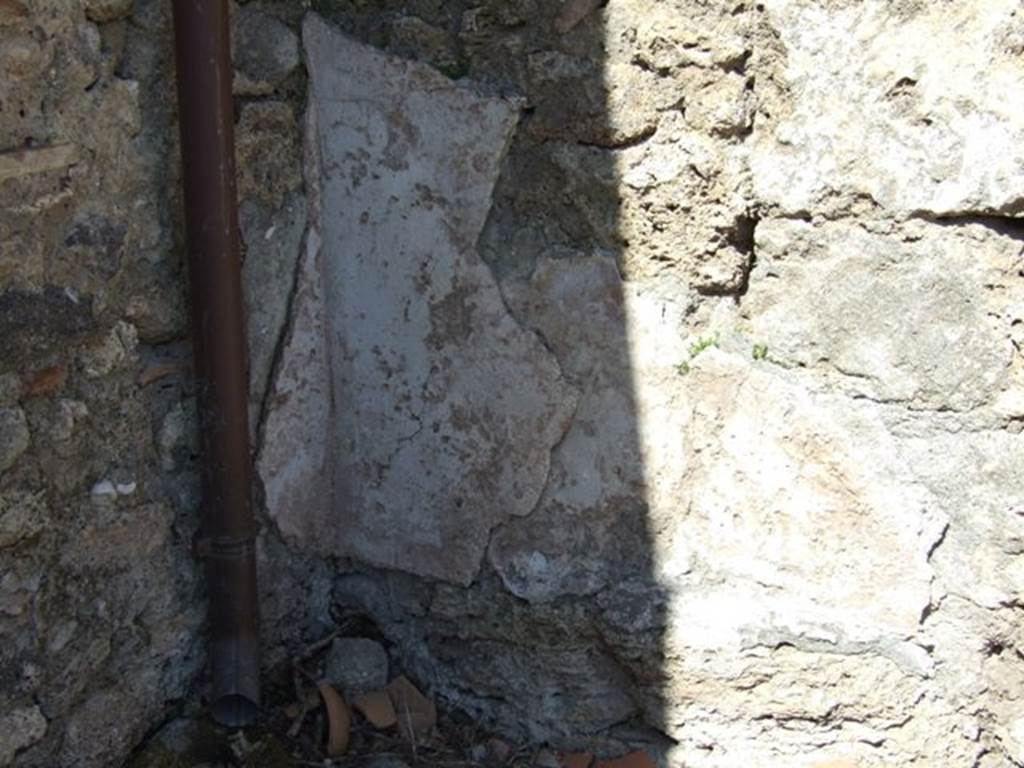
I.12.8 Pompeii. March 2009. Room 13, north-west corner of rear garden, with remains of wall plaster on north wall.
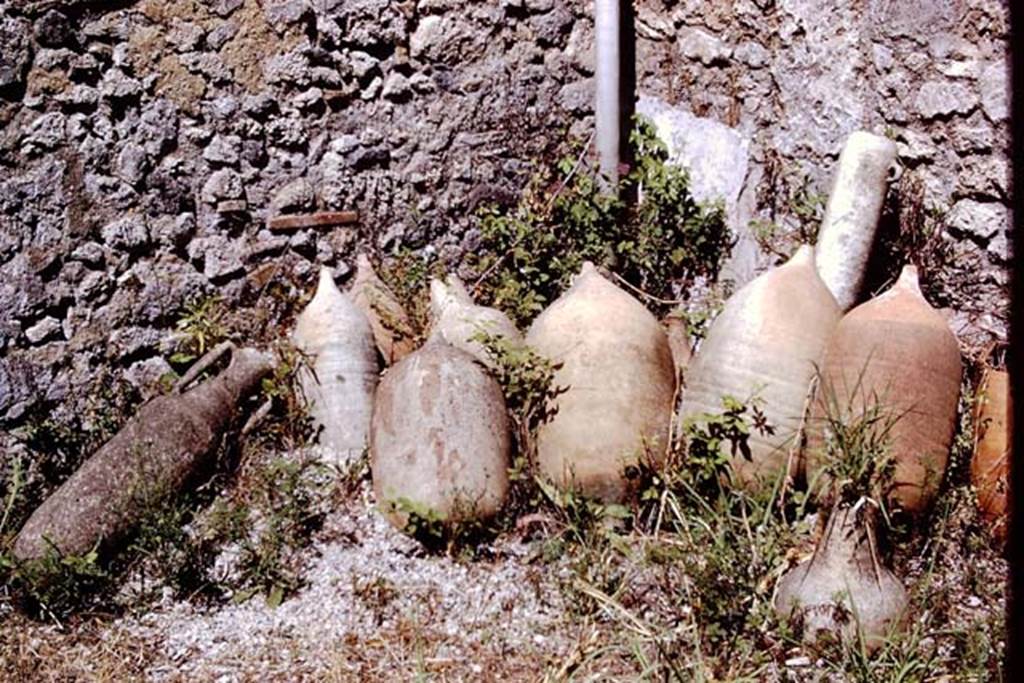
I.12.8 Pompeii. 1972. Room13, empty amphorae in north-west corner of rear garden. Photo by Stanley A. Jashemski.
Source: The Wilhelmina and Stanley A. Jashemski archive in the University of Maryland Library, Special Collections (See collection page) and made available under the Creative Commons Attribution-Non-Commercial License v.4. See Licence and use details.
J72f0381
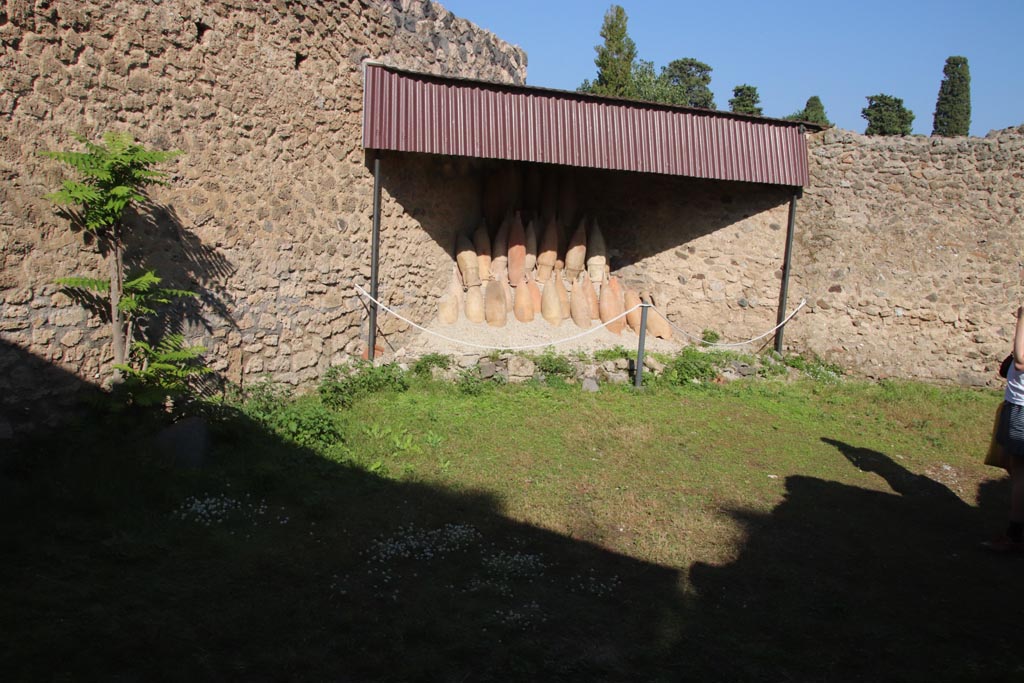
I.12.8 Pompeii. October 2022. Room 13, looking towards
north-east corner with amphorae. Photo
courtesy of Klaus Heese.
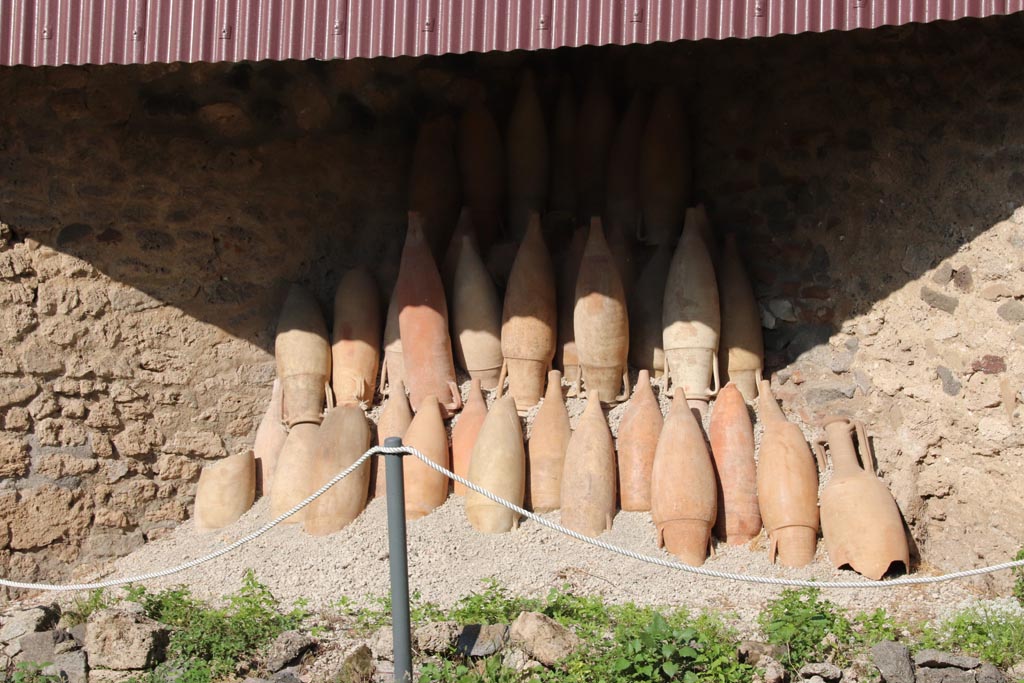
I.12.8 Pompeii. October 2022. Room 13, amphorae in north-east corner. Photo courtesy of Klaus Heese.
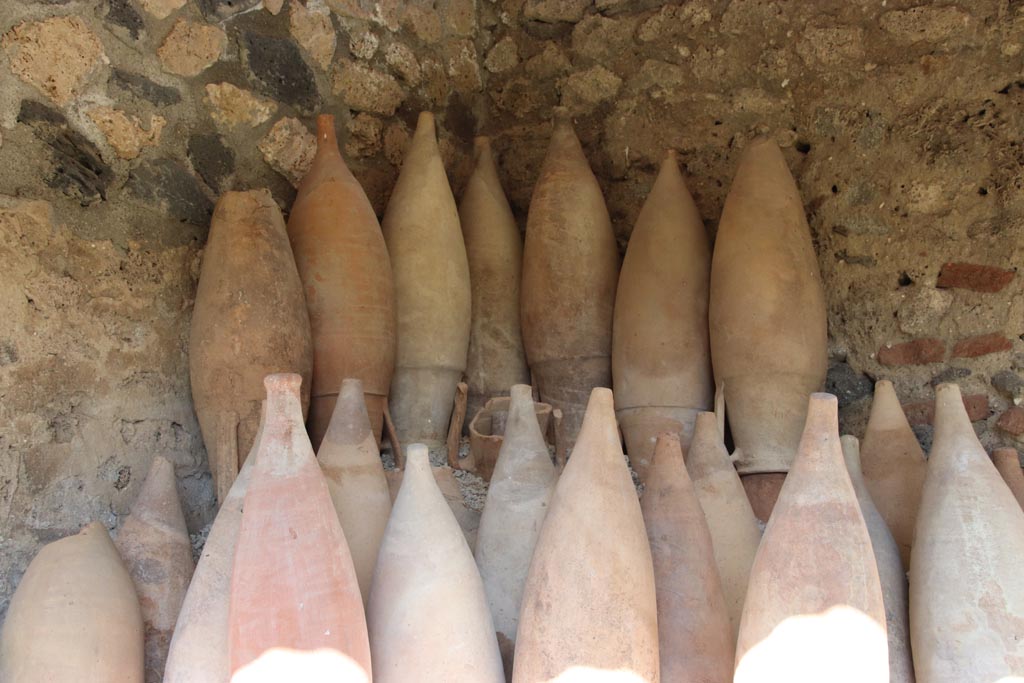
I.12.8 Pompeii. October 2022. Room 13, detail of amphorae. Photo courtesy of Klaus Heese.
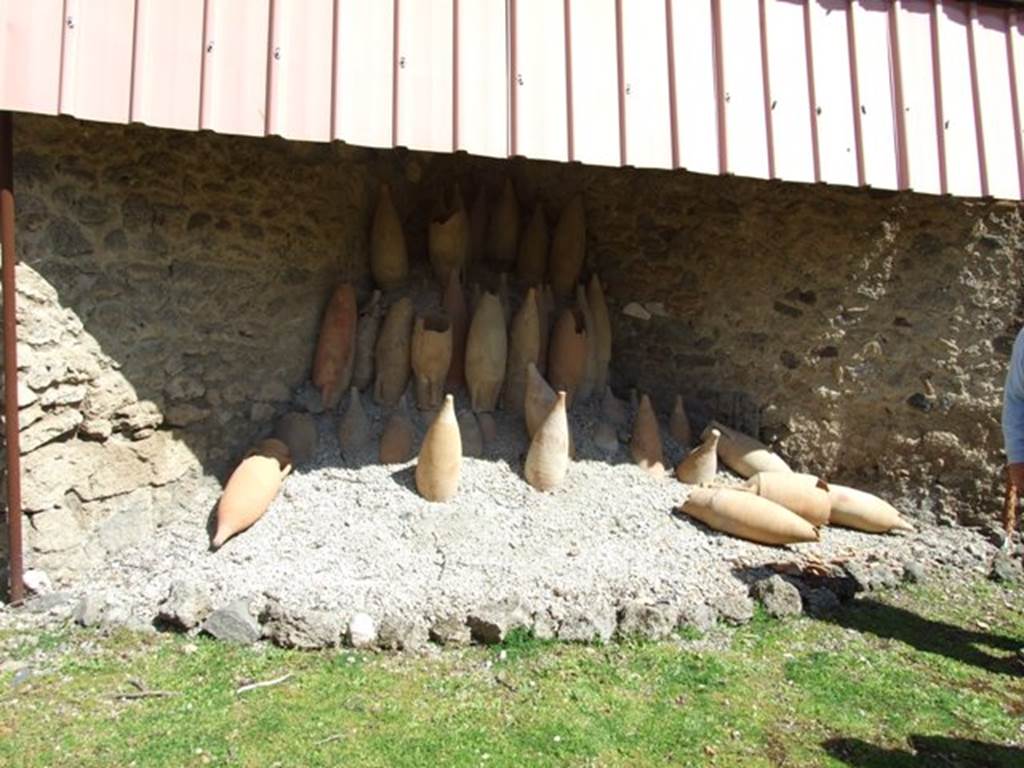
I.12.8 Pompeii. March 2009. Room 13, rear garden with remains of excavated amphorae.
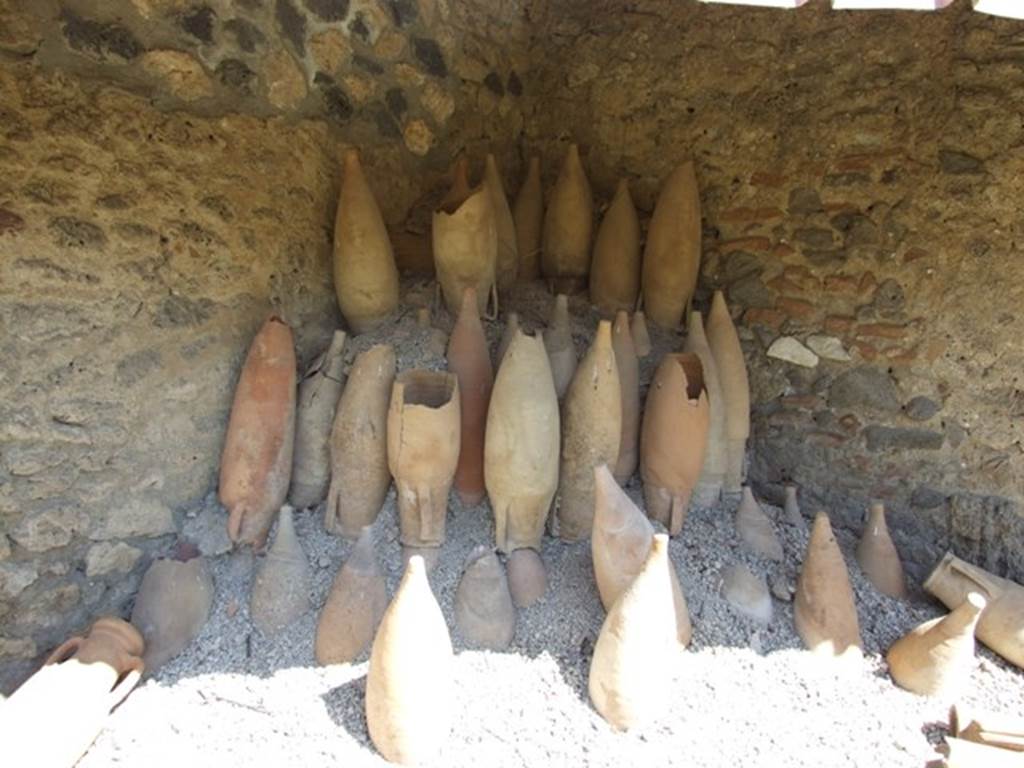
I.12.8 Pompeii. March 2009. Room 13, rear garden with remains of empty amphorae.
According to Curtis, a large number of empty amphorae were excavated especially in the north-east corner where many remain as they were in 79AD, stacked upside down and awaiting re-use. These amphorae came in a variety of sizes and shapes.
A few of the amphorae had painted inscriptions relating to their contents, but unfortunately did not show any inscriptions that would permit the identification of the owner of this garum shop.
See Curtis R.L: The Garum shop of Pompeii, In Cronache Pompeiane, V.1979, p.13-4 and note 12.
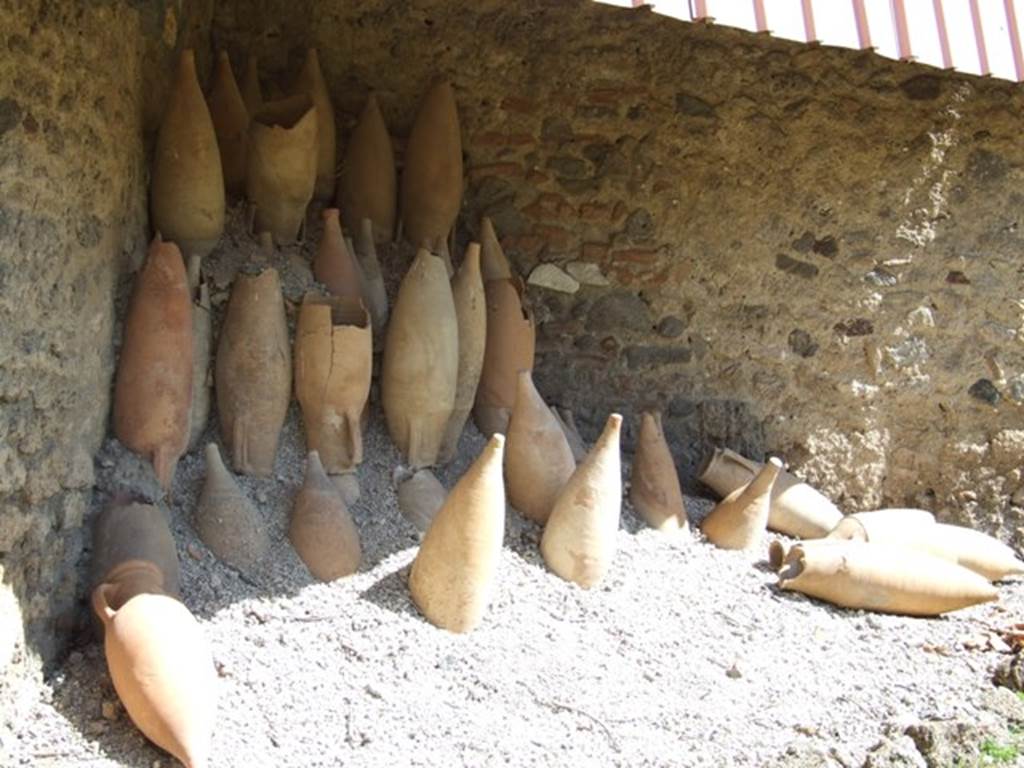
I.12.8 Pompeii. March 2009. Room 13, rear garden with remains of empty excavated amphorae.
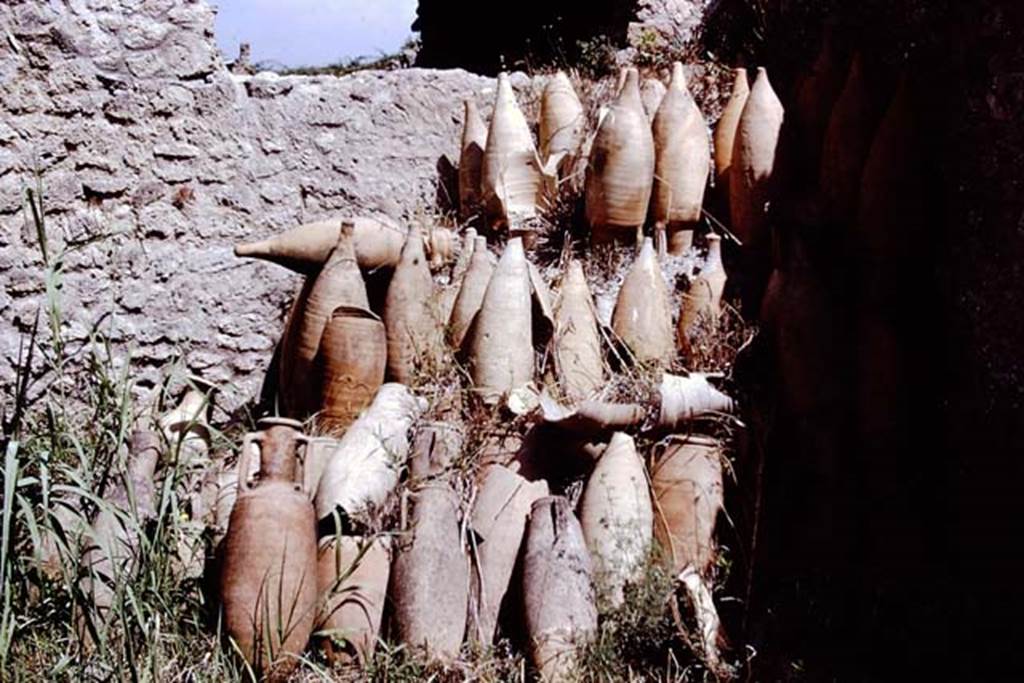
I.12.8 Pompeii. 1972. Room13, empty amphorae in north-east corner of rear garden. Photo by Stanley A. Jashemski.
Source: The Wilhelmina and Stanley A. Jashemski archive in the University of Maryland Library, Special Collections (See collection page) and made available under the Creative Commons Attribution-Non-Commercial License v.4. See Licence and use details.
J72f0380
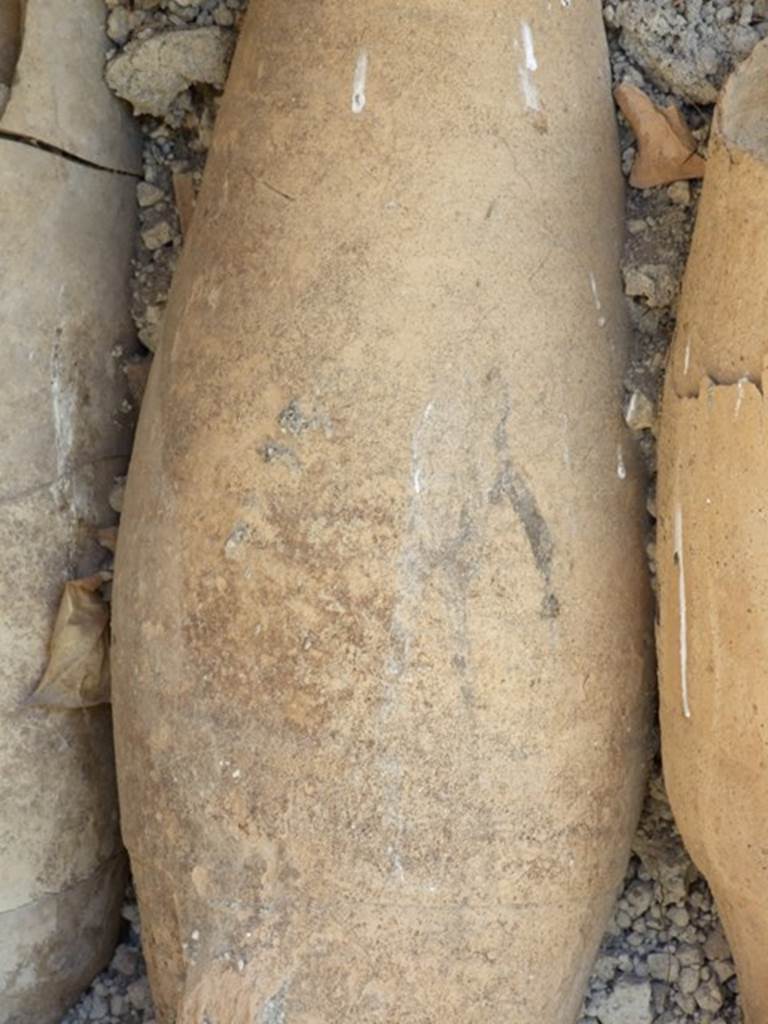
I.12.8 Pompeii. March 2009. Room 13, remains of an empty excavated amphora.
Possibly with writing on the lower part, and possibly a painting of a figure on the top, (or is it just a dirty mark?)
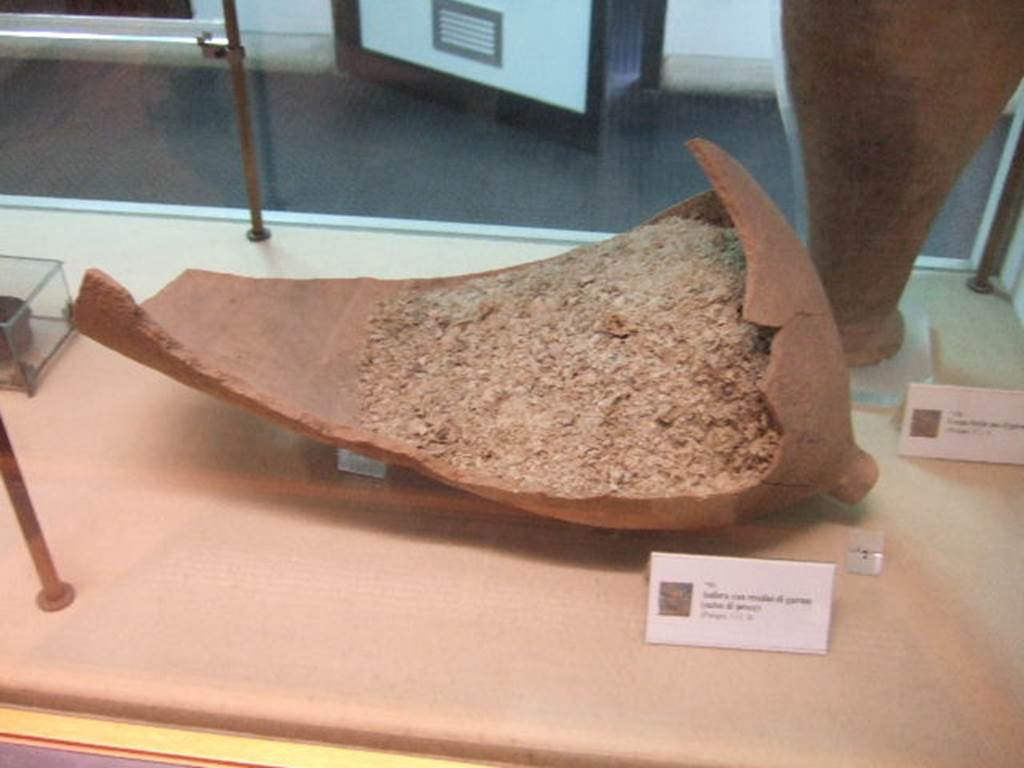
I.12.8 Pompeii. Amphora with residue of garum from I.12.8. Now in Boscoreale Antiquarium.
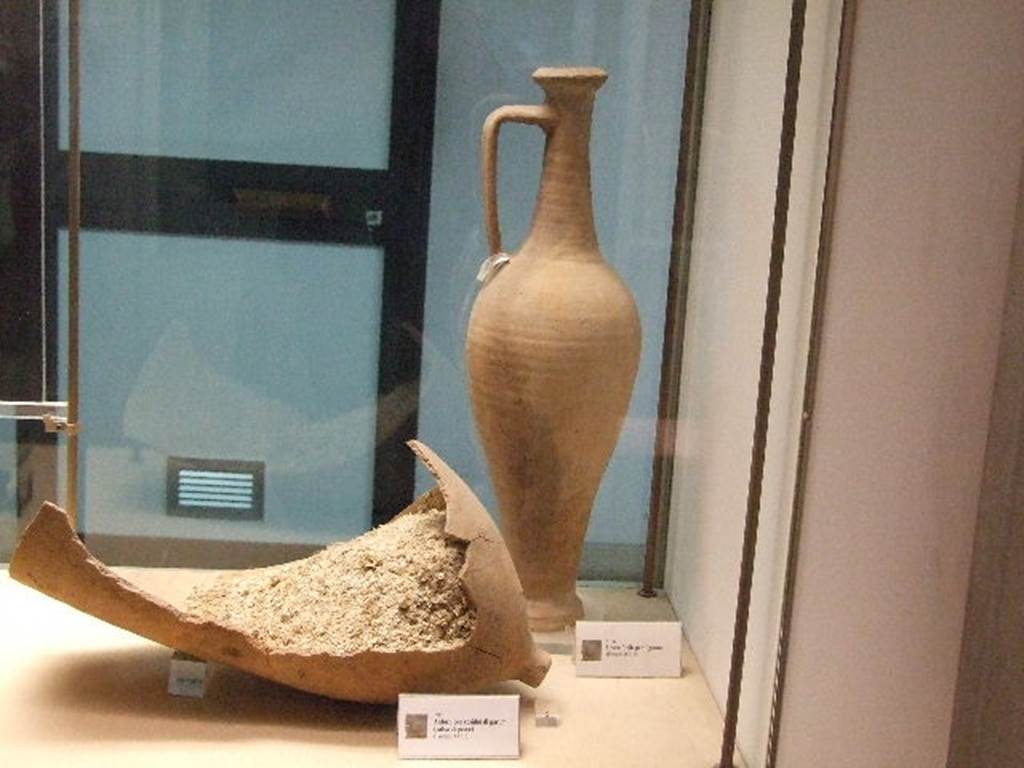
I.12.8 Pompeii. Amphora with residue of garum from I.12.8. Now in Boscoreale Antiquarium.
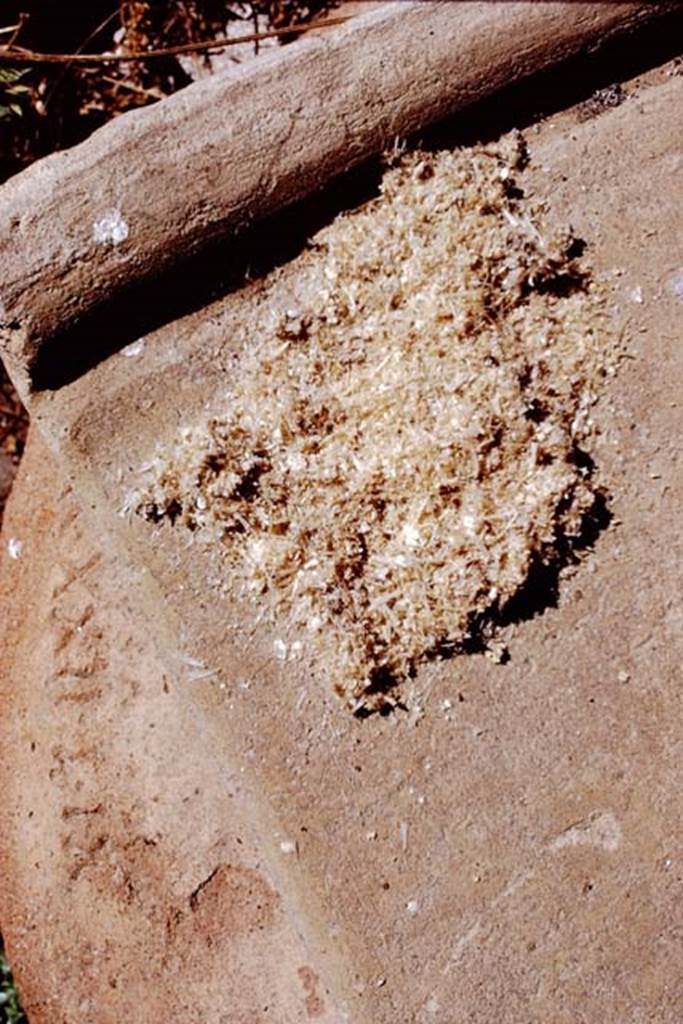
I.12.8 Pompeii. 1972. Amphora with residue of garum. Photo by Stanley A. Jashemski.
Source: The Wilhelmina and Stanley A. Jashemski archive in the University of Maryland Library, Special Collections (See collection page) and made available under the Creative Commons Attribution-Non-Commercial License v.4. See Licence and use details.
J72f0378
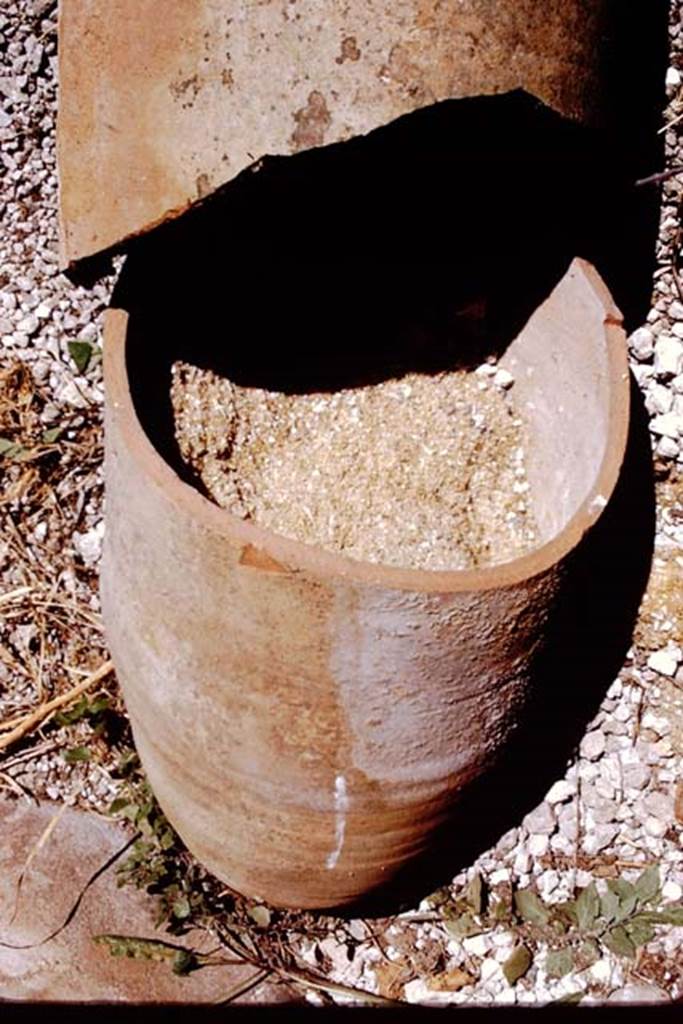
I.12.8 Pompeii. 1972. Amphora with garum. Photo by Stanley A. Jashemski.
Source: The Wilhelmina and Stanley A. Jashemski archive in the University of Maryland Library, Special Collections (See collection page) and made available under the Creative Commons Attribution-Non-Commercial License v.4. See Licence and use details.
J72f0379
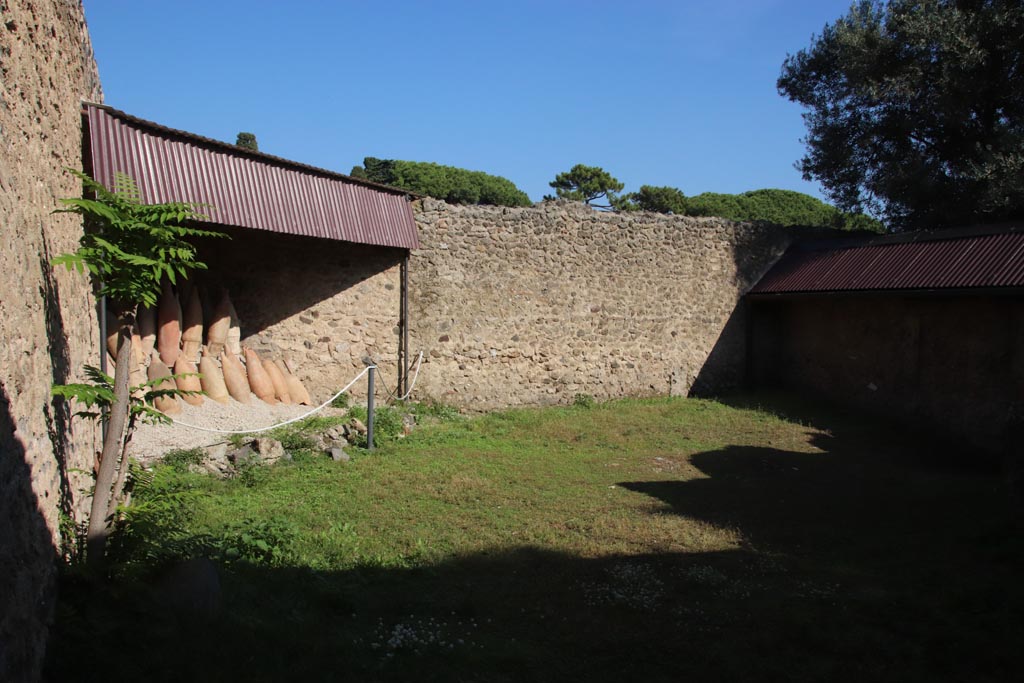
I.12.8 Pompeii. October 2022. Room 13, looking towards east wall. Photo courtesy of Klaus Heese.
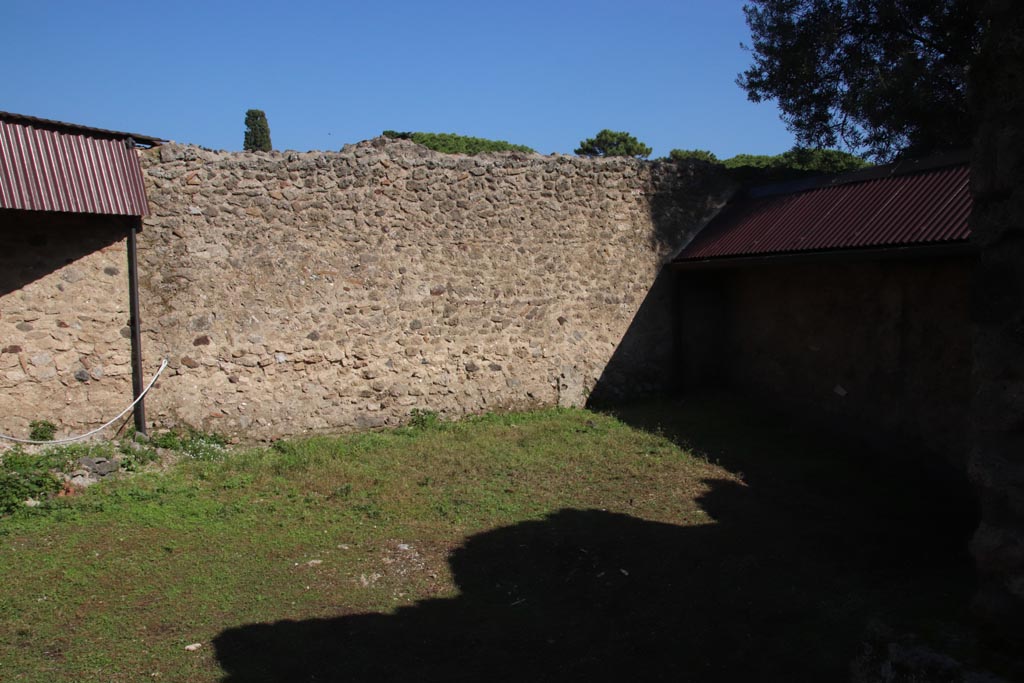
Room 13, east wall
and south-east corner, with doorway to peristyle 9, on right. Photo
courtesy of Klaus Heese.
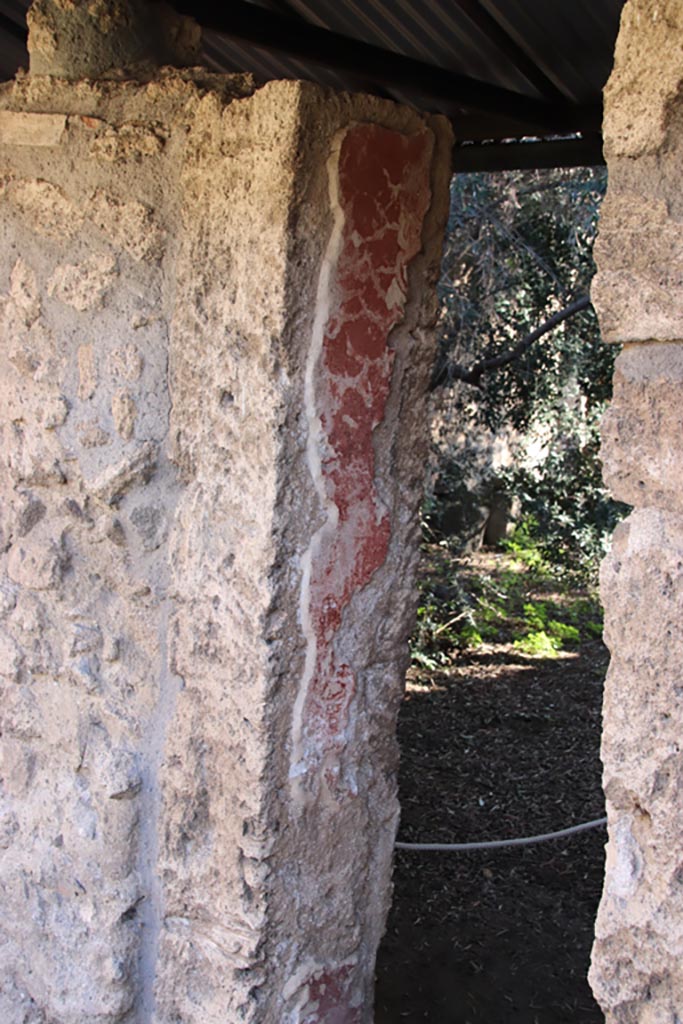
I.12.8 Pompeii. October 2022.
Room 13, doorway in south wall into peristyle 9. Photo courtesy of Klaus Heese.
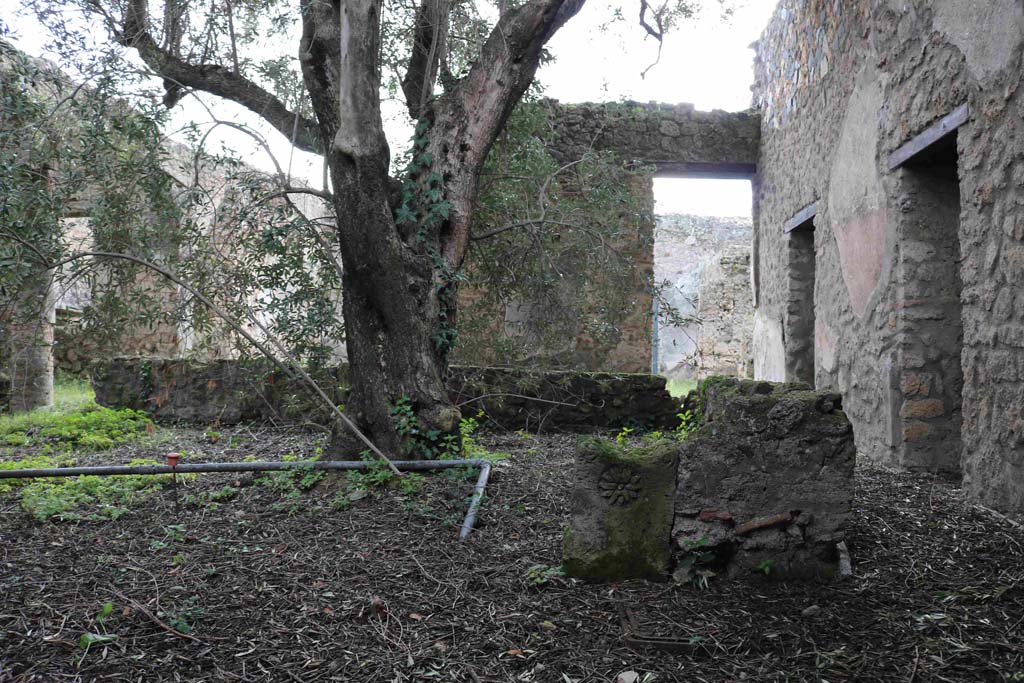
I.12.8 Pompeii. December 2018.
Room 9, looking
south across peristyle garden and low wall in north-west corner. Photo courtesy of Aude
Durand.
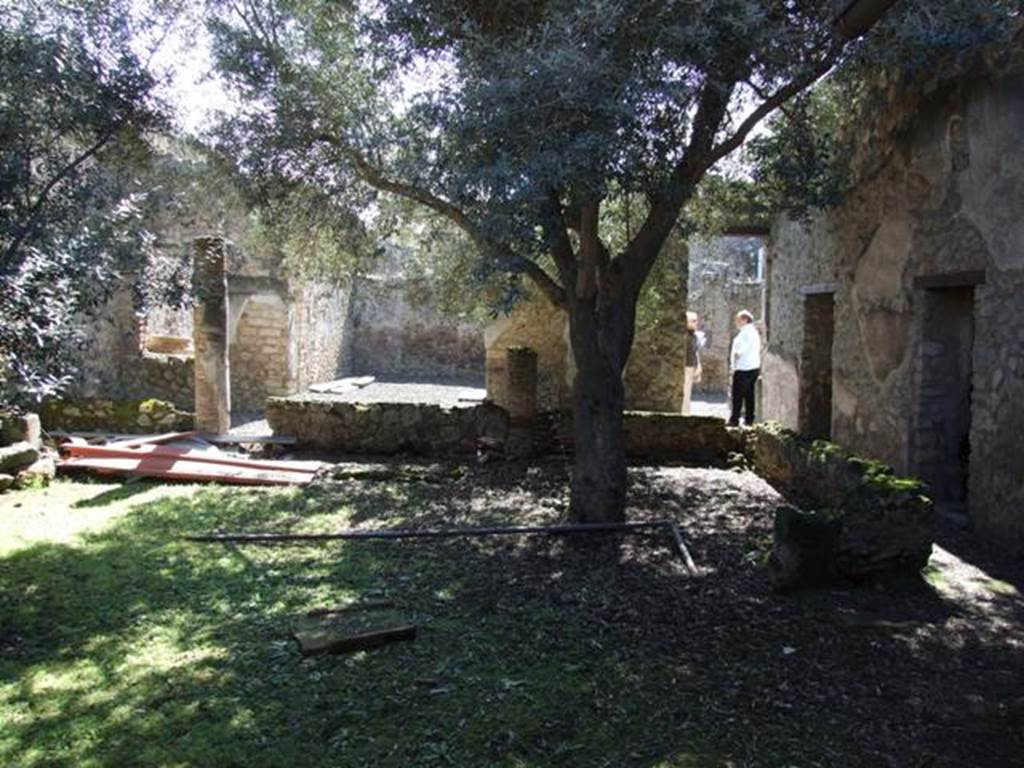
I.12.8 Pompeii. March 2009. Room 9, looking south across peristyle garden.
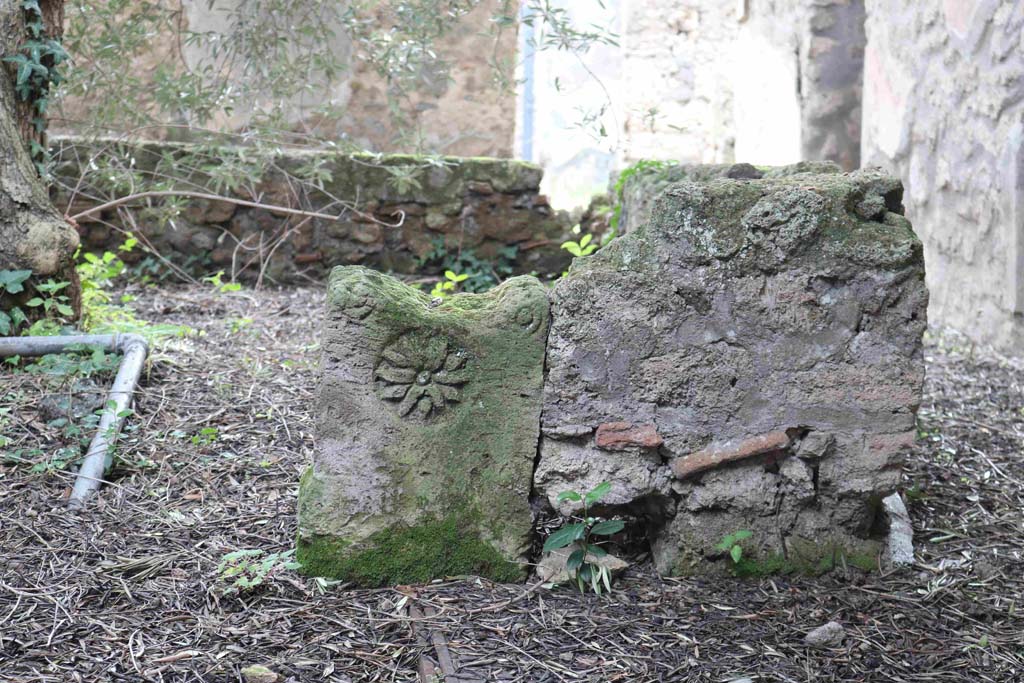
I.12.8 Pompeii. December 2018.
Room 9, peristyle garden. Low wall in north-west corner with decorative stone altar, separating portico from peristyle garden.
Photo courtesy of Aude
Durand.
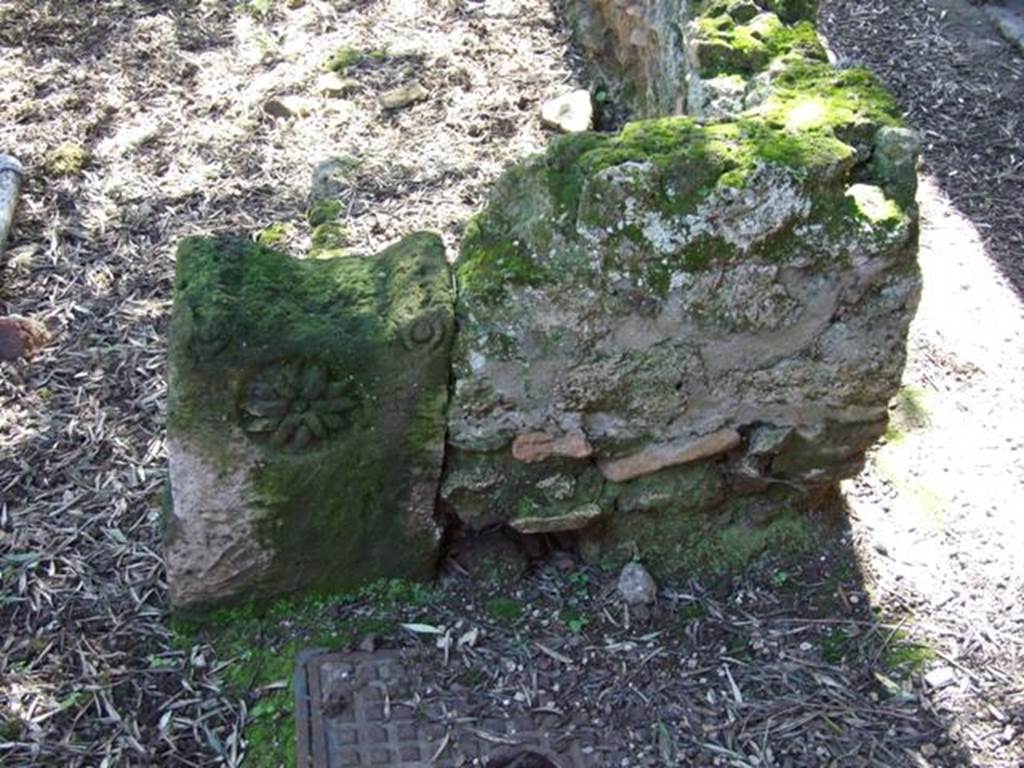
I.12.8 Pompeii. March 2009. Room 9, peristyle garden. Low wall with decorative stone altar, separating portico from peristyle garden.
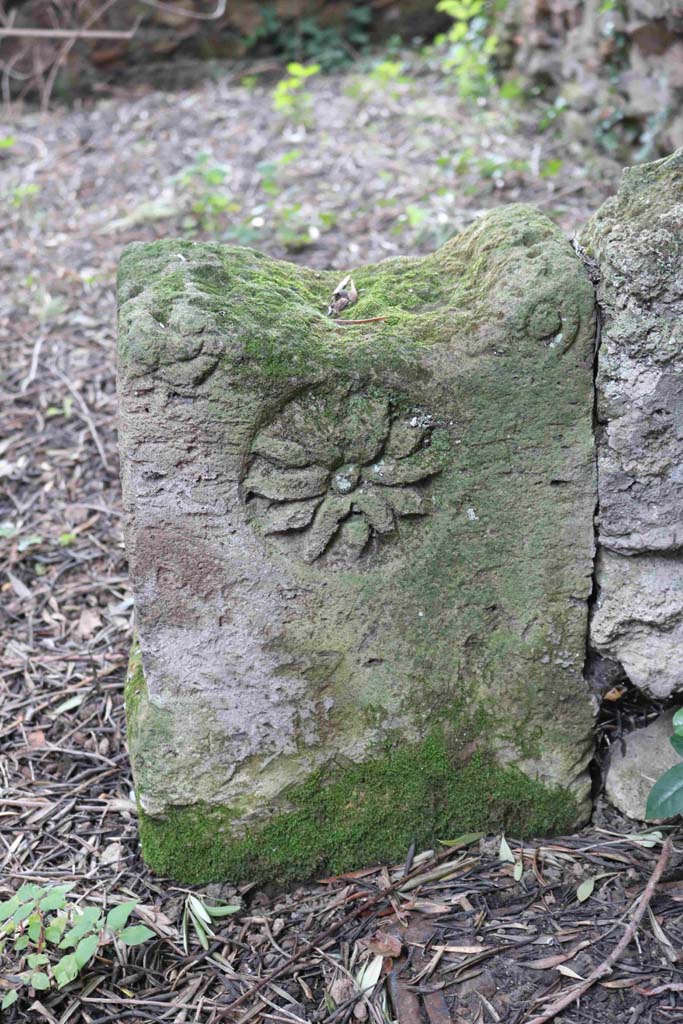
I.12.8 Pompeii. December 2018.
Room 9, detail of carved stone altar in low
wall of peristyle garden. Photo courtesy of Aude
Durand.
According to Espen B. Andersson [email] –
“it is an old house altar of grey tufa. Both the material and the fact that it is very worn tells us it is ancient”.
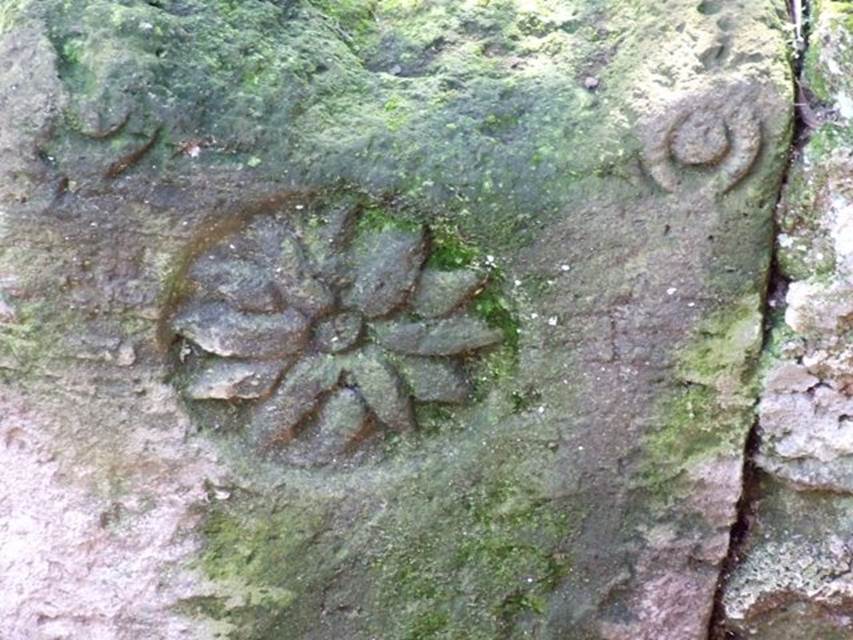
I.12.8 Pompeii. March 2009.
Room 9, detail of stone altar with scrolled top ends and carved with a 12-petalled flower, in low wall of peristyle garden.
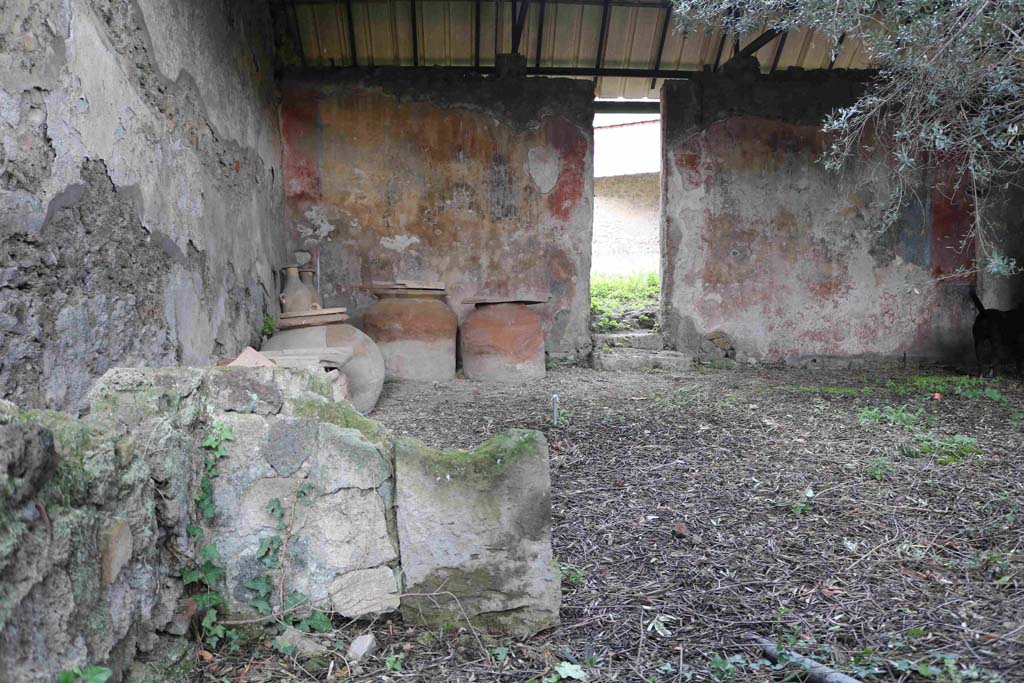
I.12.8 Pompeii. December 2018.
Room 9, looking north from north-west corner of peristyle garden
from behind low wall and rear of tufa altar (in centre).
Photo courtesy of Aude Durand.
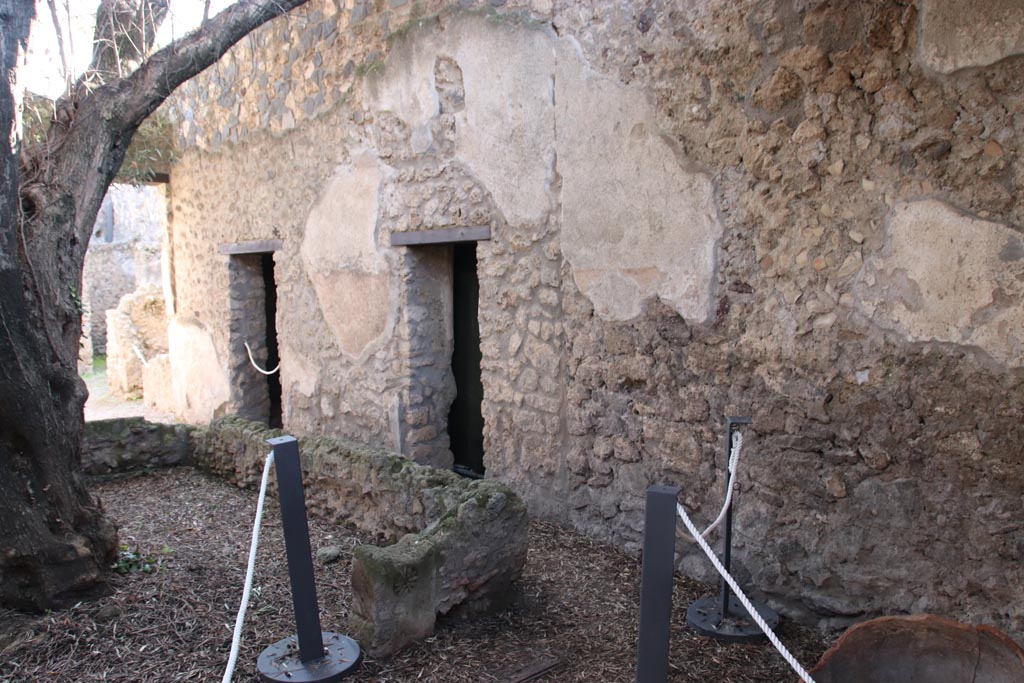
Peristyle 9, looking south-west towards doorways to rooms 10 and 11 on west side of peristyle. Photo courtesy of Klaus Heese.
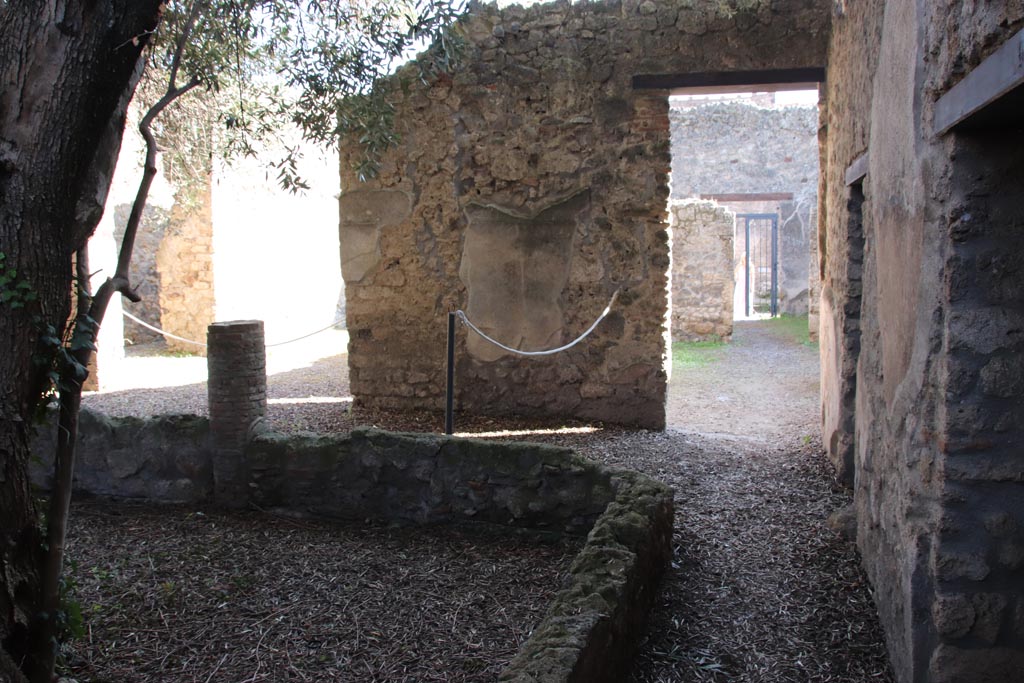
Peristyle 9, looking south along west side towards doorway to 5, on right, and into room 7 on south portico, on left.
Photo courtesy of Klaus Heese.
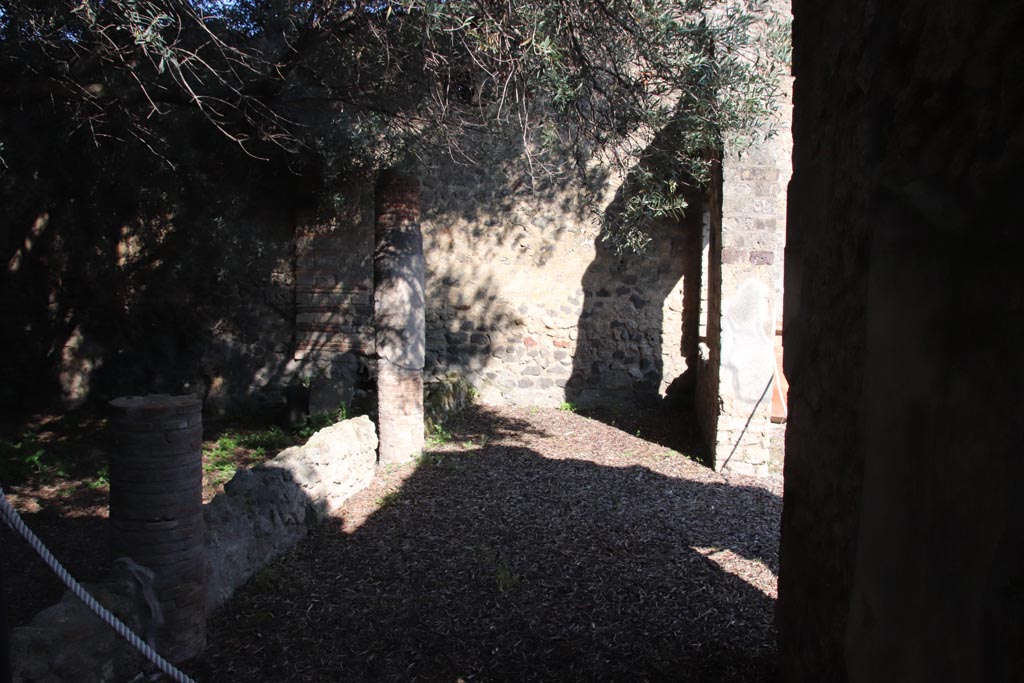
I.12.8 Pompeii. October 2022. South portico, looking east with doorway to room 7, on right. Photo courtesy of Klaus Heese.
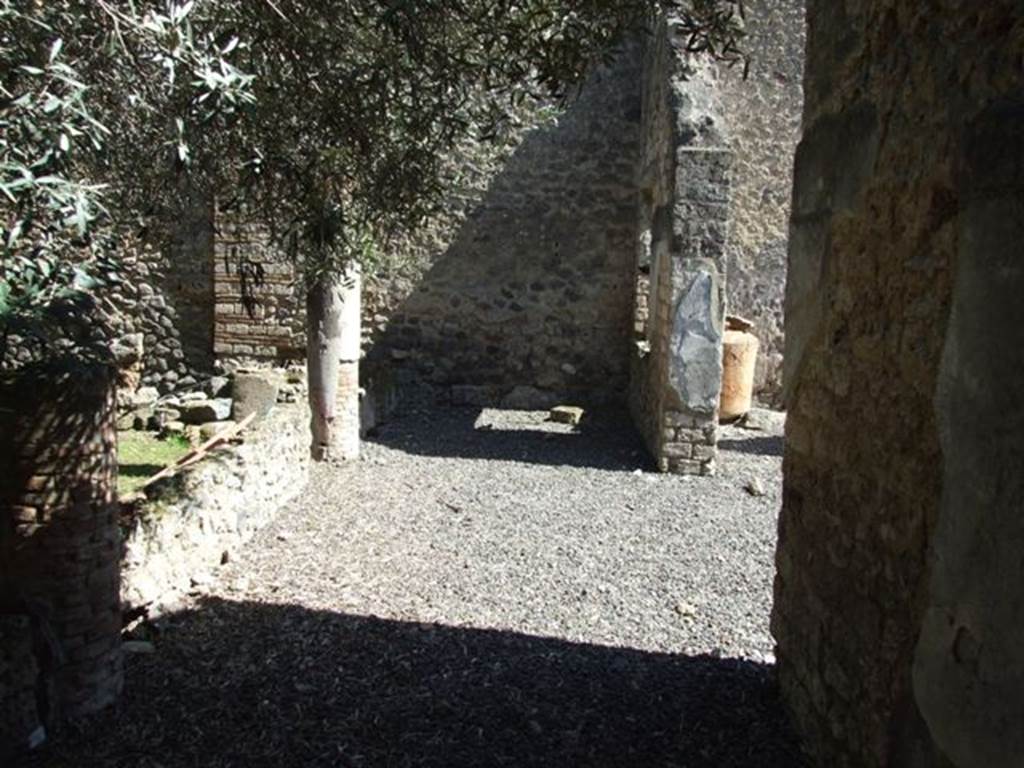
I.12.8 Pompeii. March 2009. Looking east across south portico, with columns in low wall to support roof of portico.
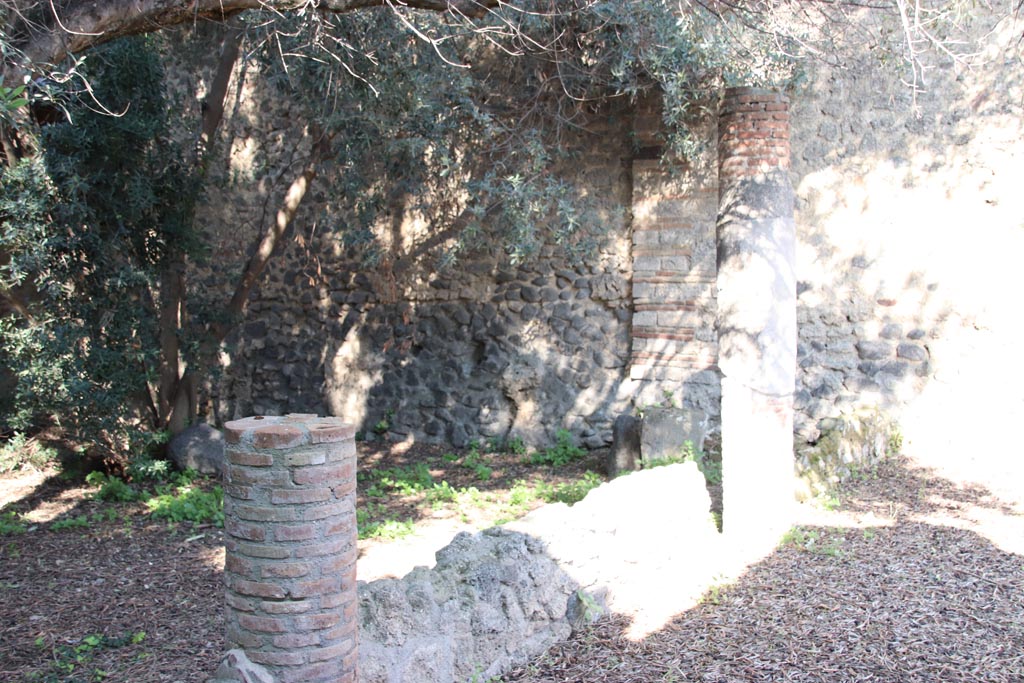
I.12.8 Pompeii. October 2022.
South portico, looking east along wall on north side with columns to support a roof. Photo courtesy of Klaus Heese.
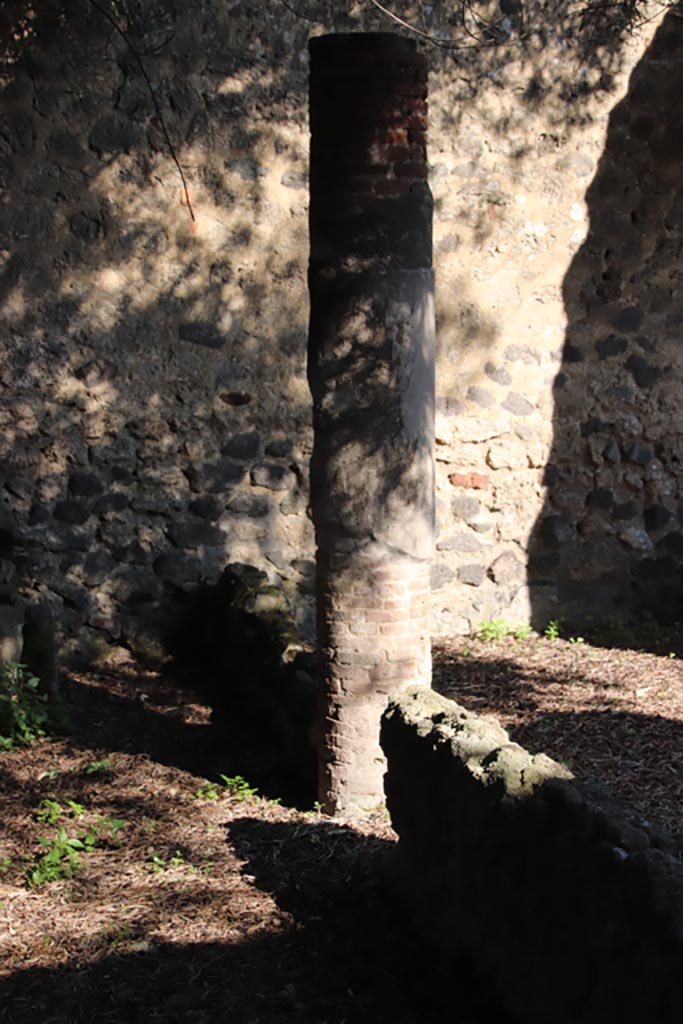
I.12.8 Pompeii. October 2022.
Detail of column on south portico at east end. Photo courtesy of Klaus Heese.
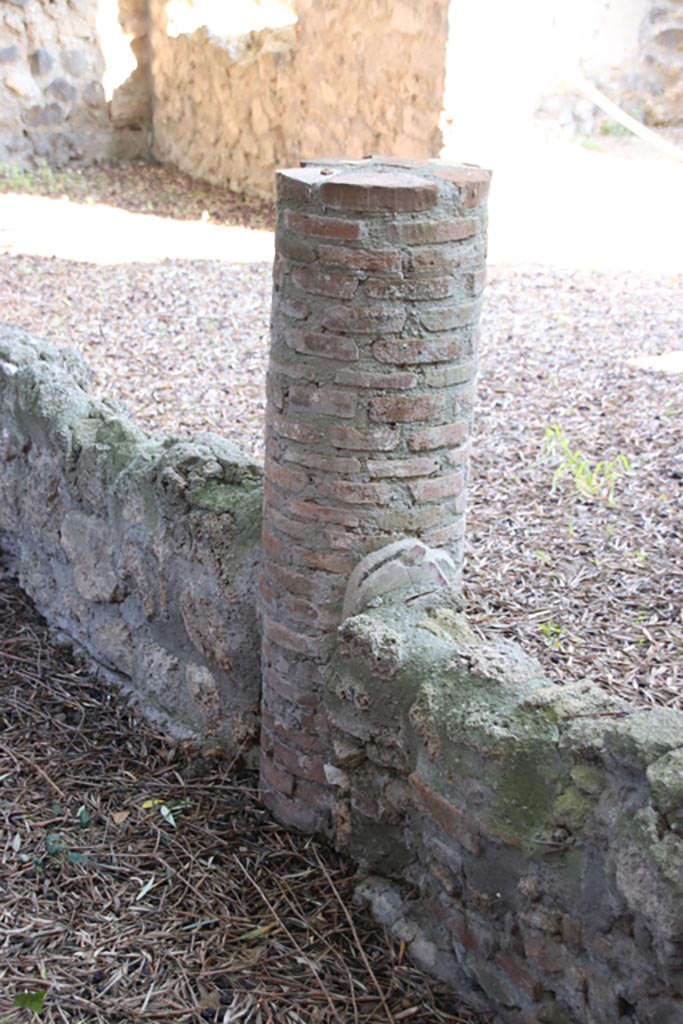
I.12.8 Pompeii. October 2022.
Detail of column on south portico towards centre/west end. Photo courtesy of Klaus Heese.
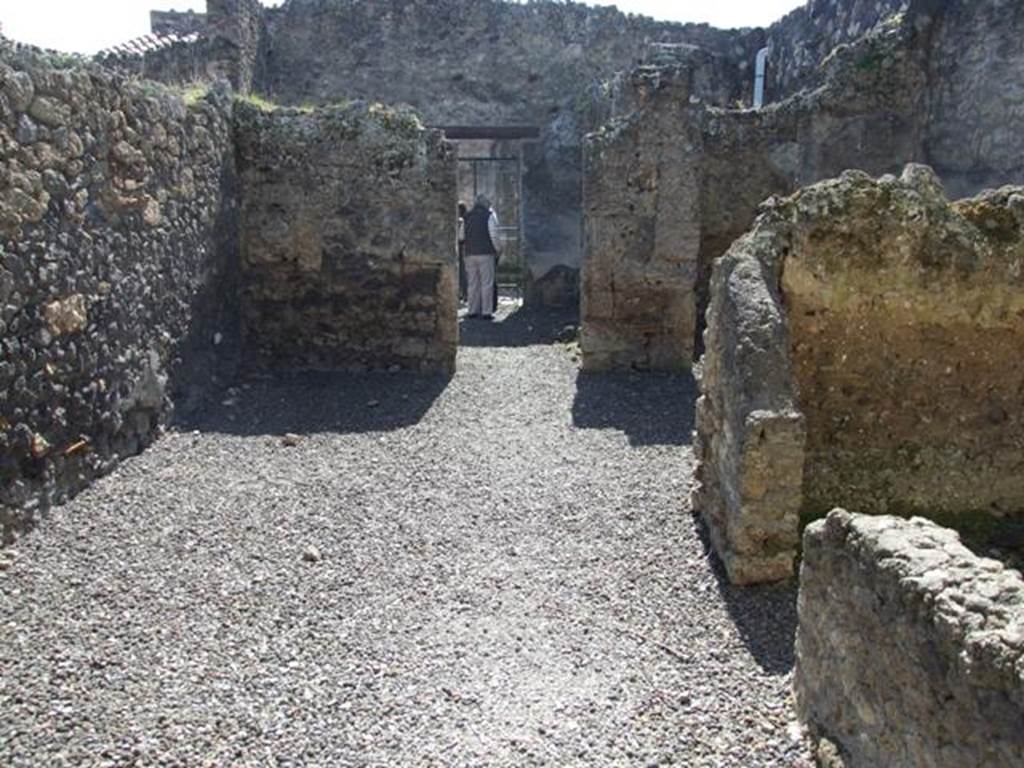
I.12.8 Pompeii. March 2009. Room 5, looking south to entrance doorway.
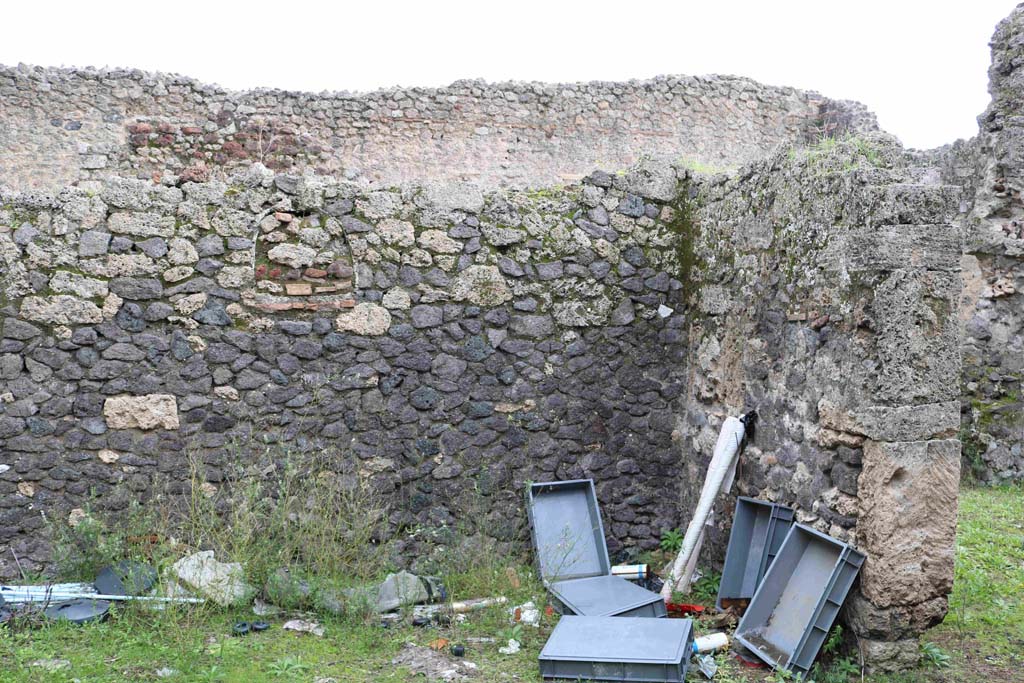
I.12.8 Pompeii. December 2018.
Room 5, east wall with bricked-in niche, and
south-east corner with doorway to room 1. Photo courtesy of Aude Durand.
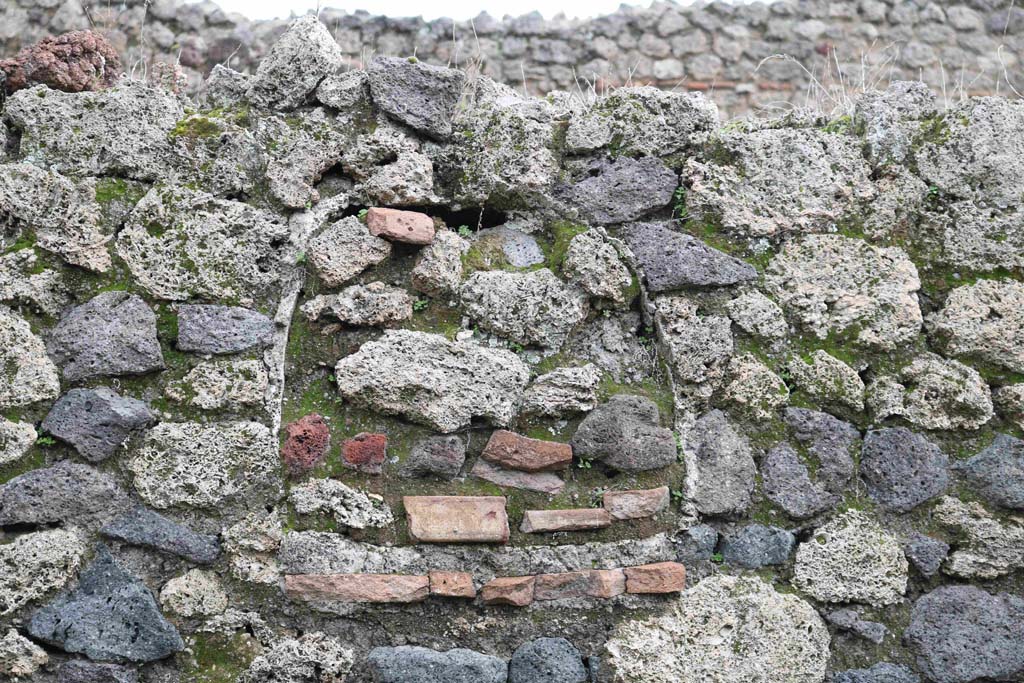
I.12.8
Pompeii. December 2018. Room 5, detail of bricked-in niche in east wall. Photo
courtesy of Aude Durand.
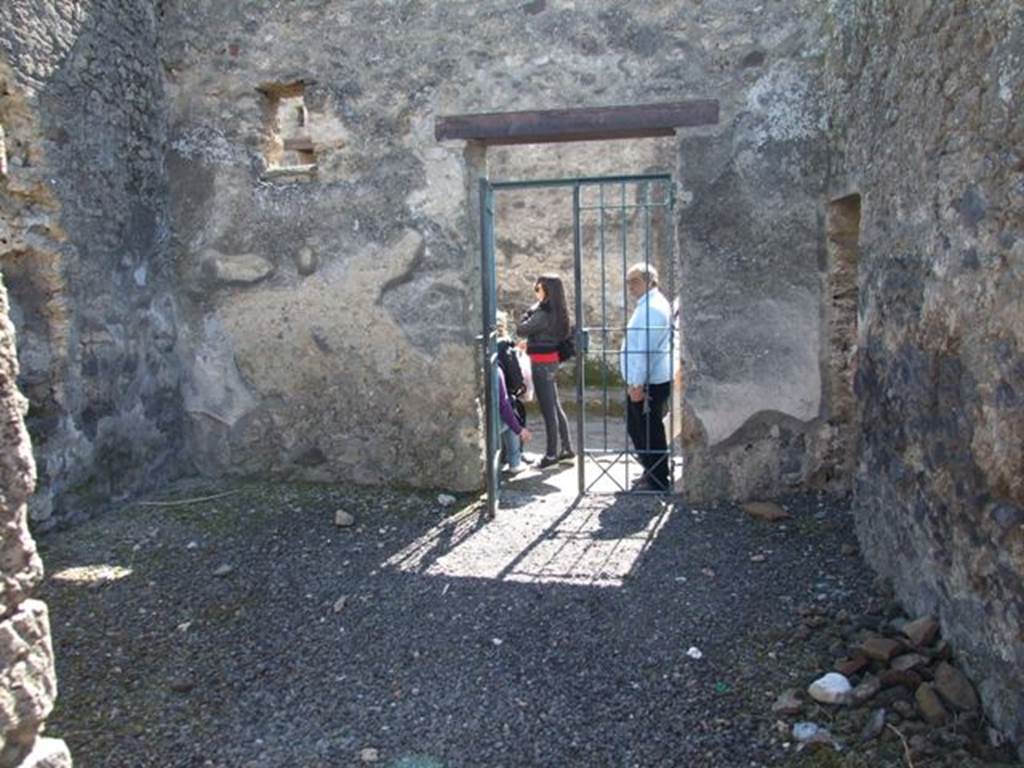
I.12.8 Pompeii. March 2009. Room 1, entrance room, looking south to doorway onto Via di Castricio.