I.11.7 Pompeii. Shop and rear room.
Linked to I.11.6. Excavated 1913, 1952 to 1954.
(Originally when excavated, this was numbered as Reg. II, Insula 1, no.7).
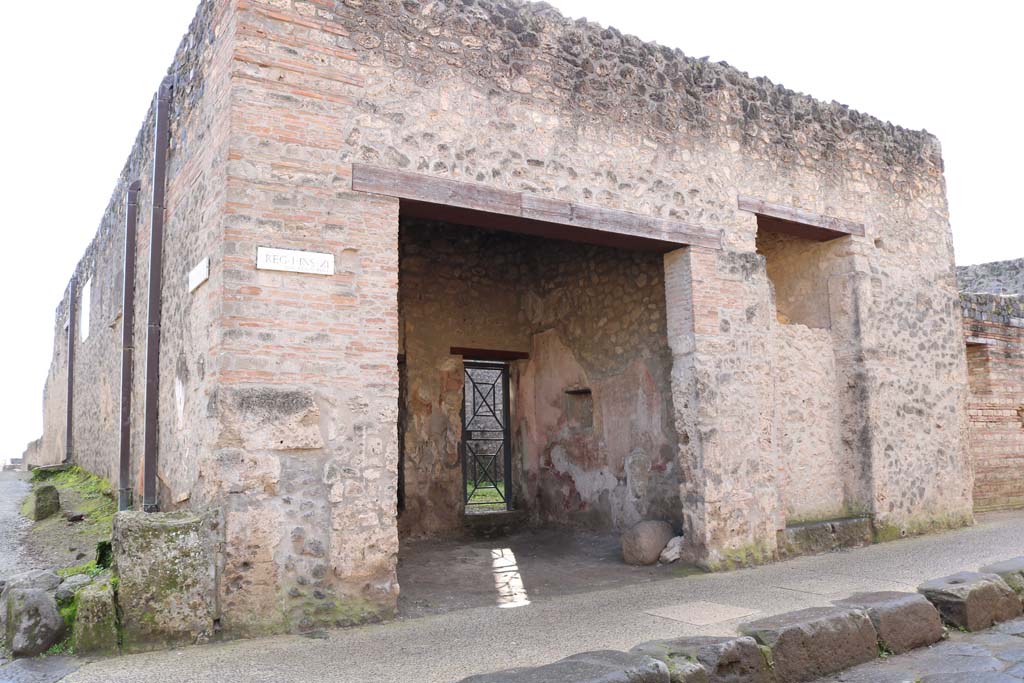
I.11.7
Pompeii, in centre. Remains of street altar in Vicolo della Nave Europa, on left. Blocked doorway to I.11.6, on
right. December 2018.
Looking
south on Via dell’Abbondanza. Photo courtesy of Aude Durand.
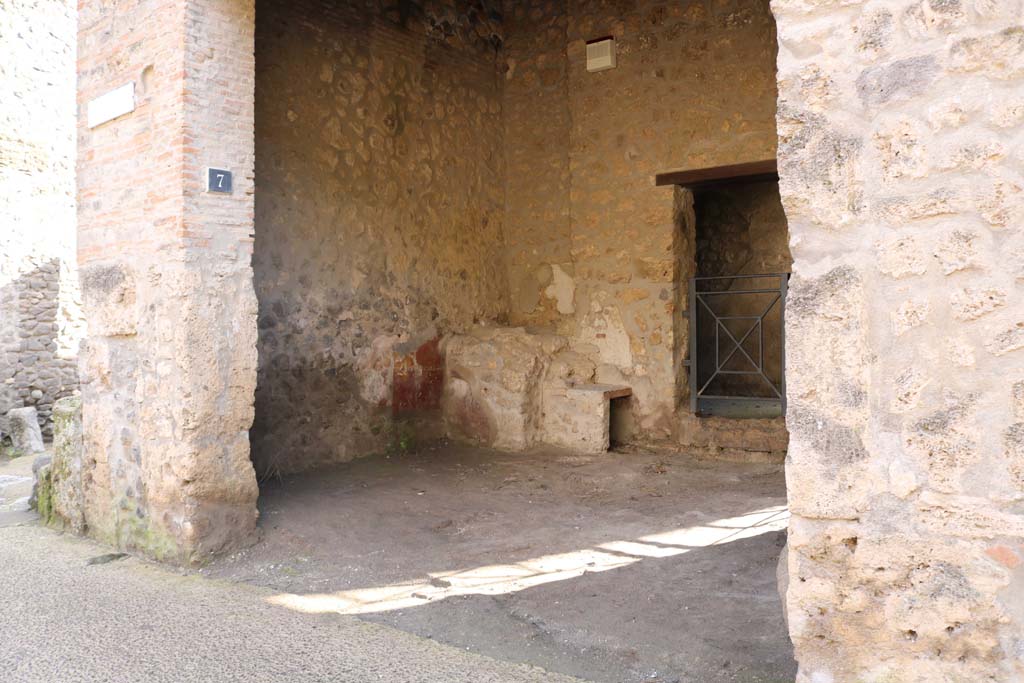
I.11.7
Pompeii. December 2018. Looking south-east towards entrance doorway. Photo courtesy of Aude Durand.
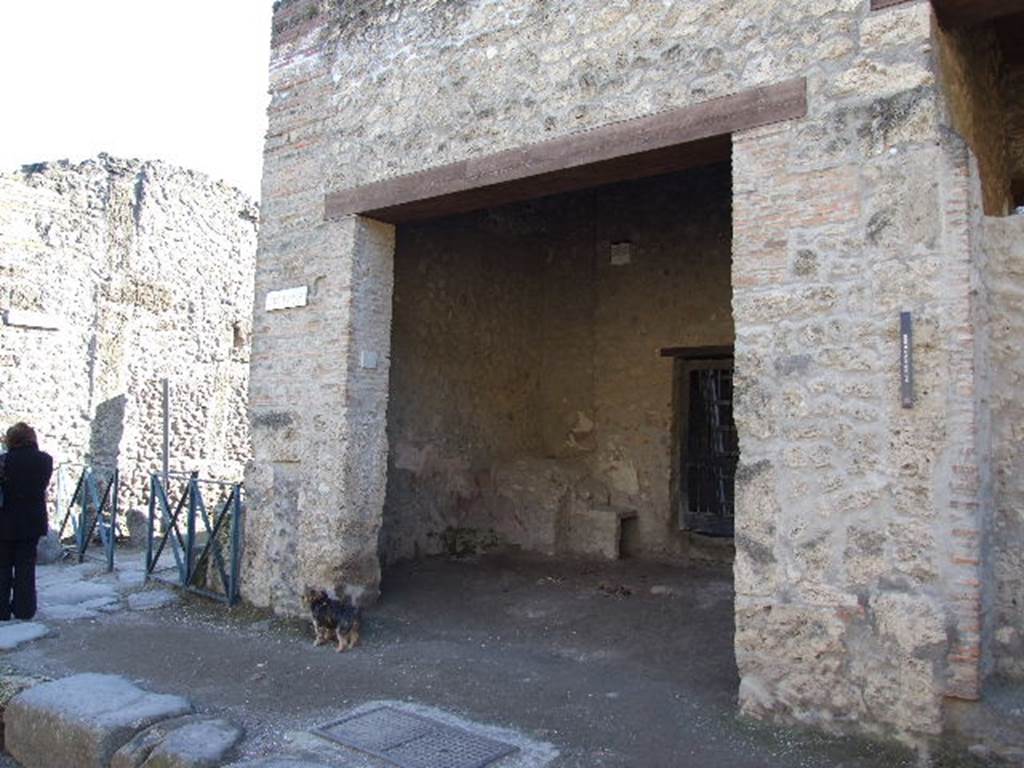
I.11.7 Pompeii. December 2006. Looking south-east towards entrance doorway.
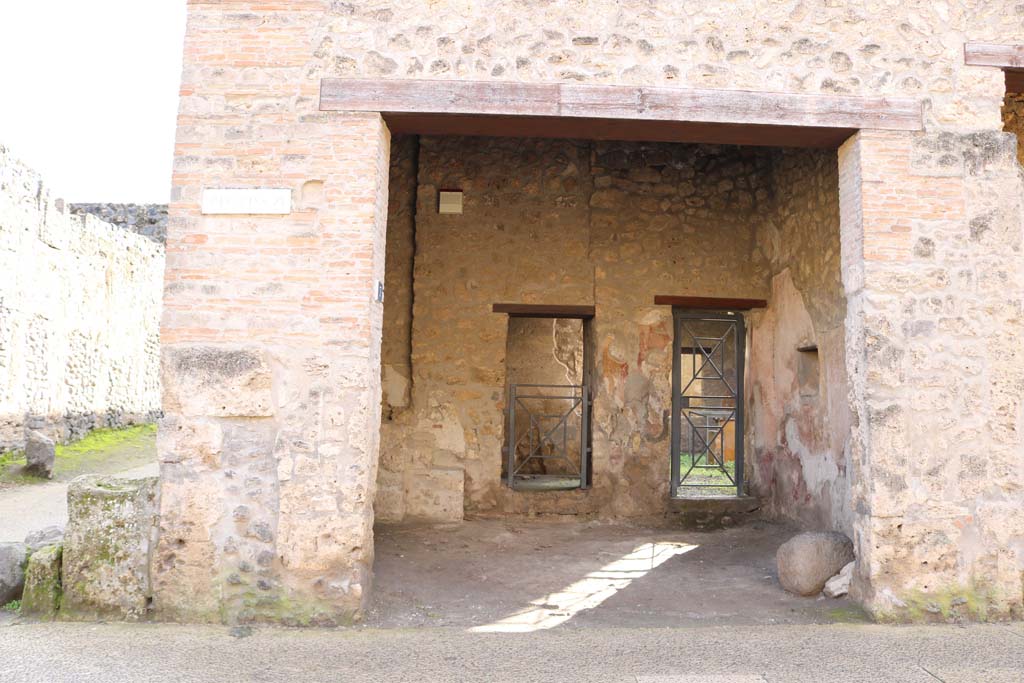
I.11.7 Pompeii. December 2018. Looking towards south wall
with doorway to rear room. Photo courtesy of Aude Durand.
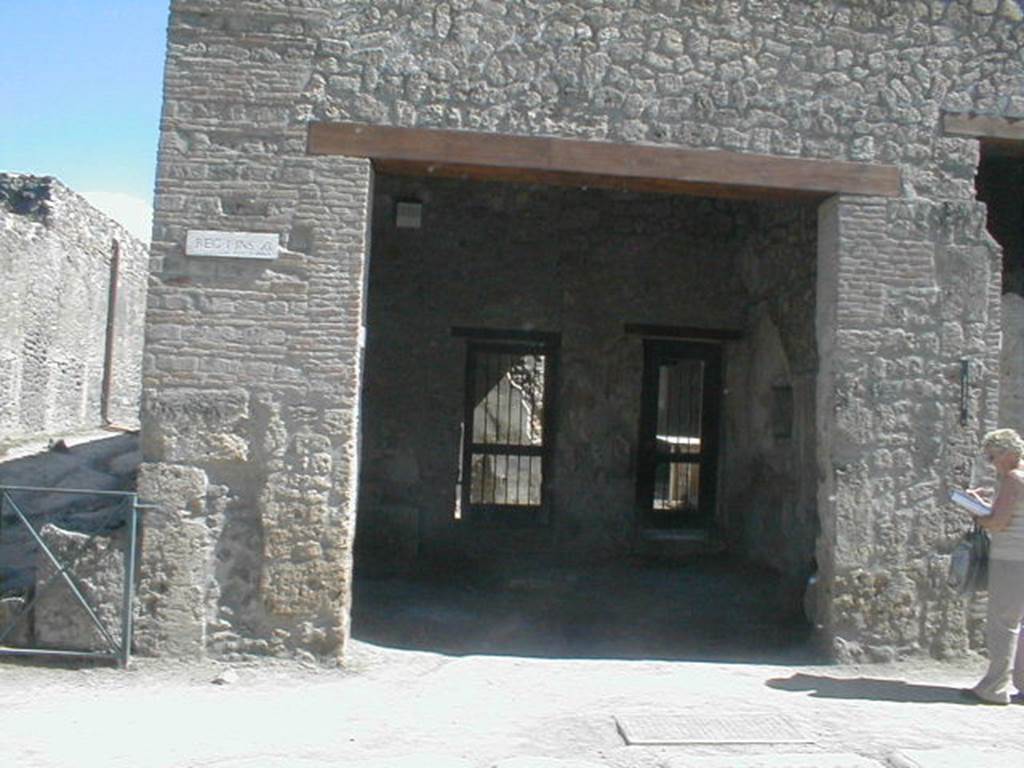
I.11.7 Pompeii. May 2005. Looking south towards corner with shop and back room.
On the north-east corner of insula, on the left, there was a masonry ara compitalis, now almost destroyed.
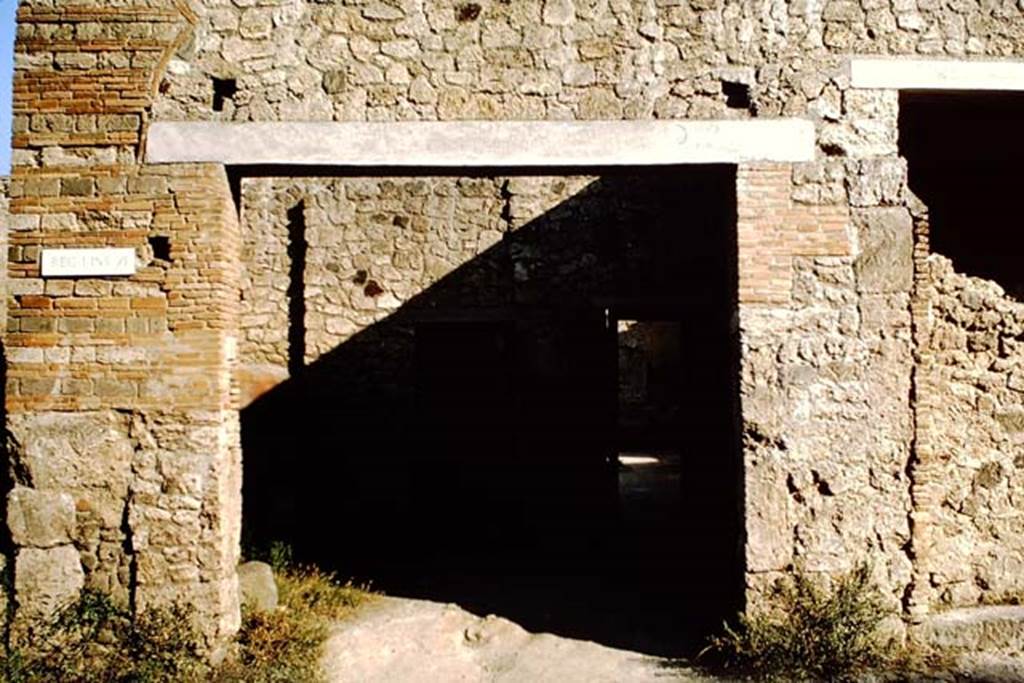
I.11.7 Pompeii. 1964. Looking south to entrance doorway. Photo by Stanley A. Jashemski.
Source: The Wilhelmina and Stanley A. Jashemski archive in the University of Maryland Library, Special Collections (See collection page) and made available under the Creative Commons Attribution-Non Commercial License v.4. See Licence and use details.
J64f1648
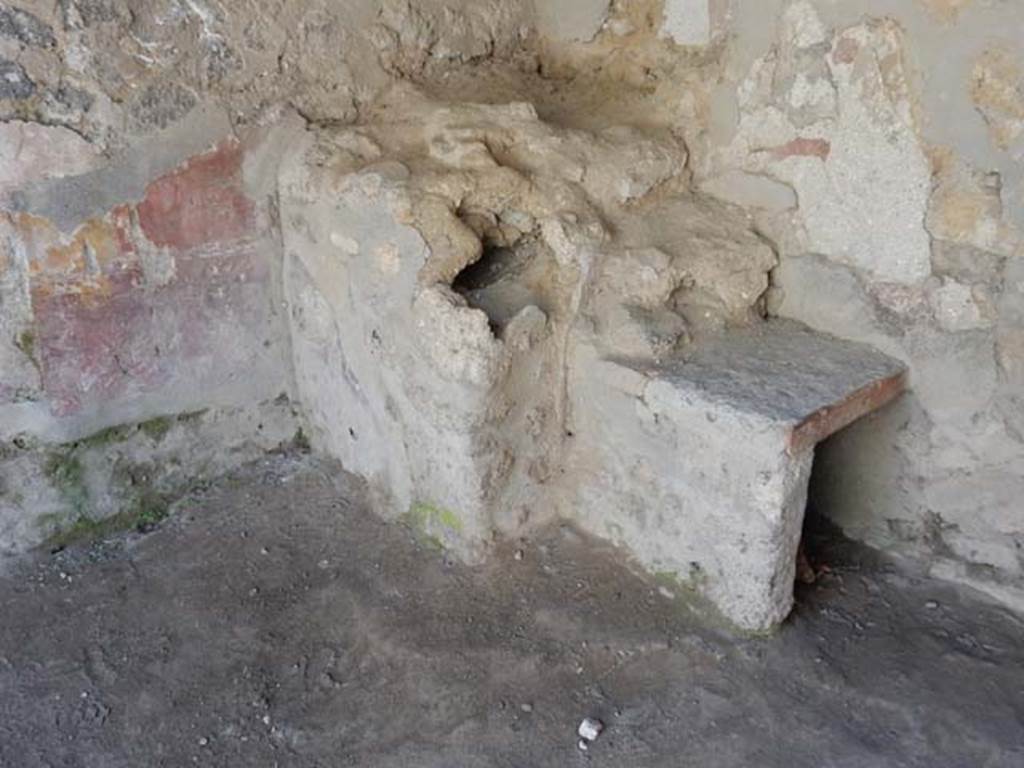
I.11.7 Pompeii. May 2015. South-east corner of the shop. Photo courtesy of Buzz Ferebee.
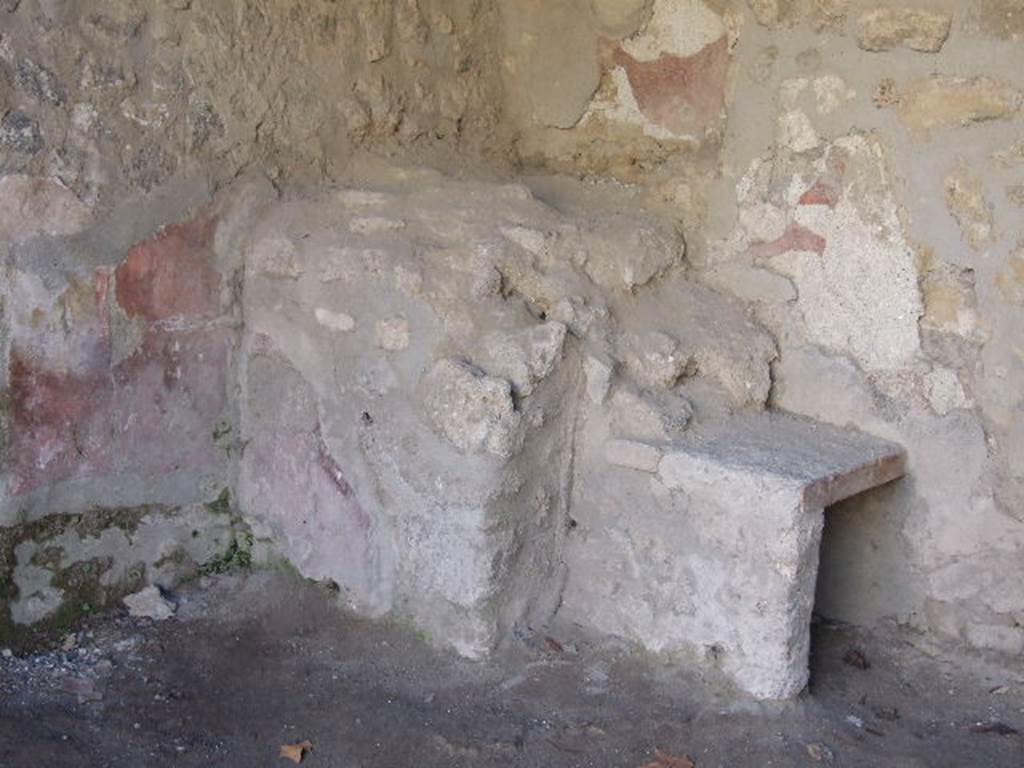
I.11.7 Pompeii. December 2006. South-east corner of the shop.
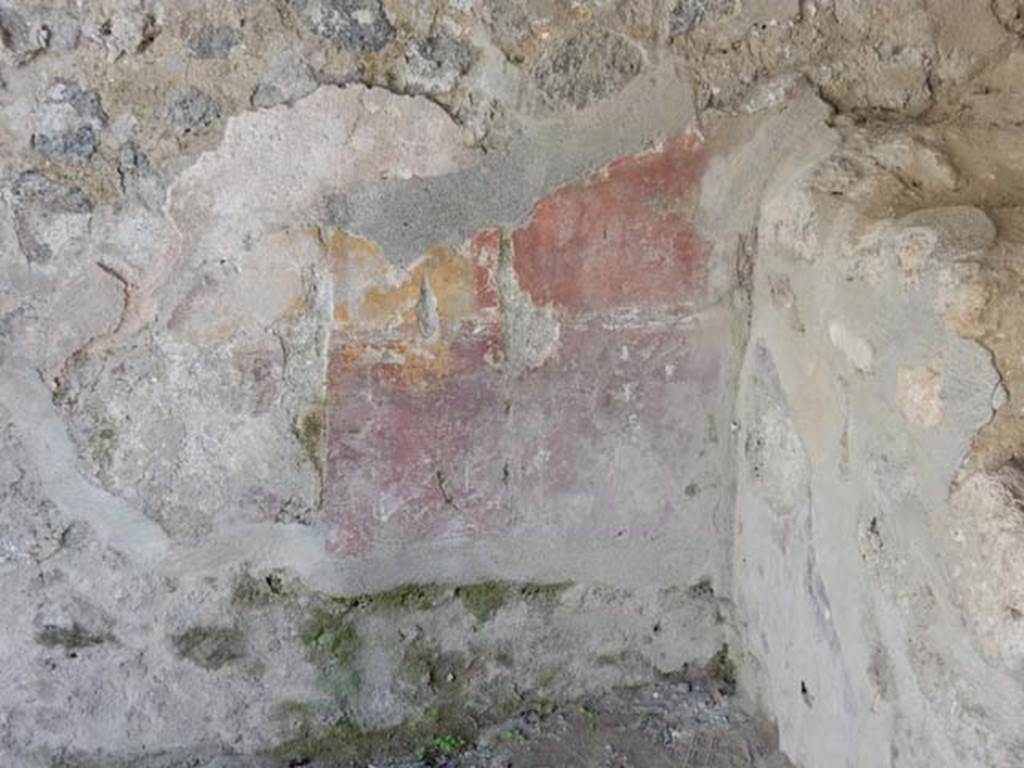
I.11.7 Pompeii. May 2015. East wall of the shop. Photo courtesy of Buzz Ferebee.
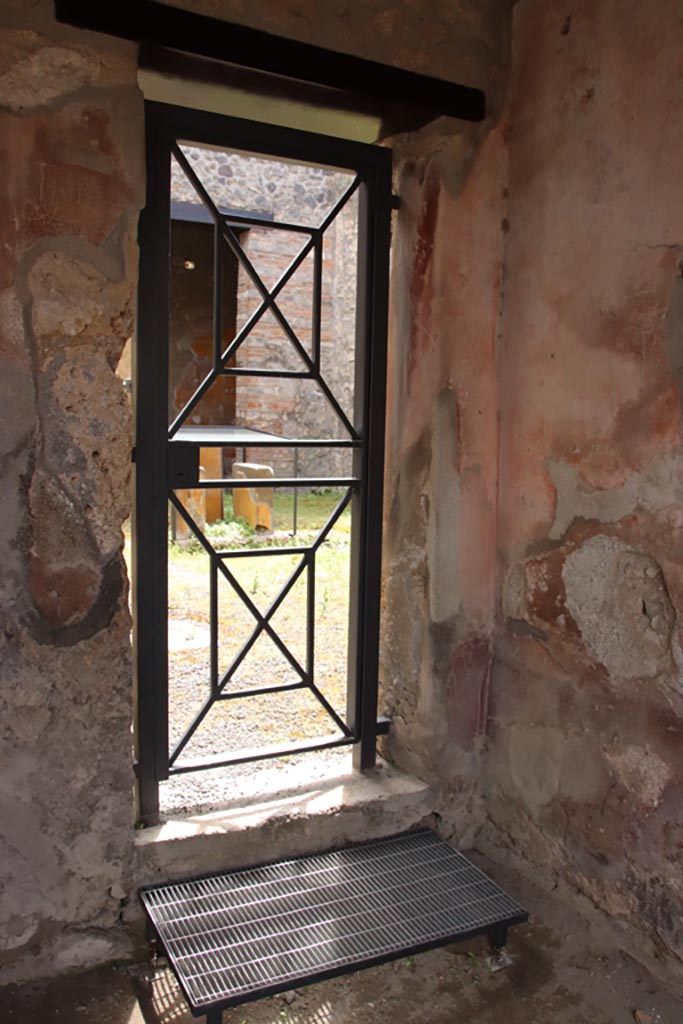
I.11.7 Pompeii. May 2024.
Doorway in south wall into atrium of I.11.6. Photo courtesy of Klaus Heese.
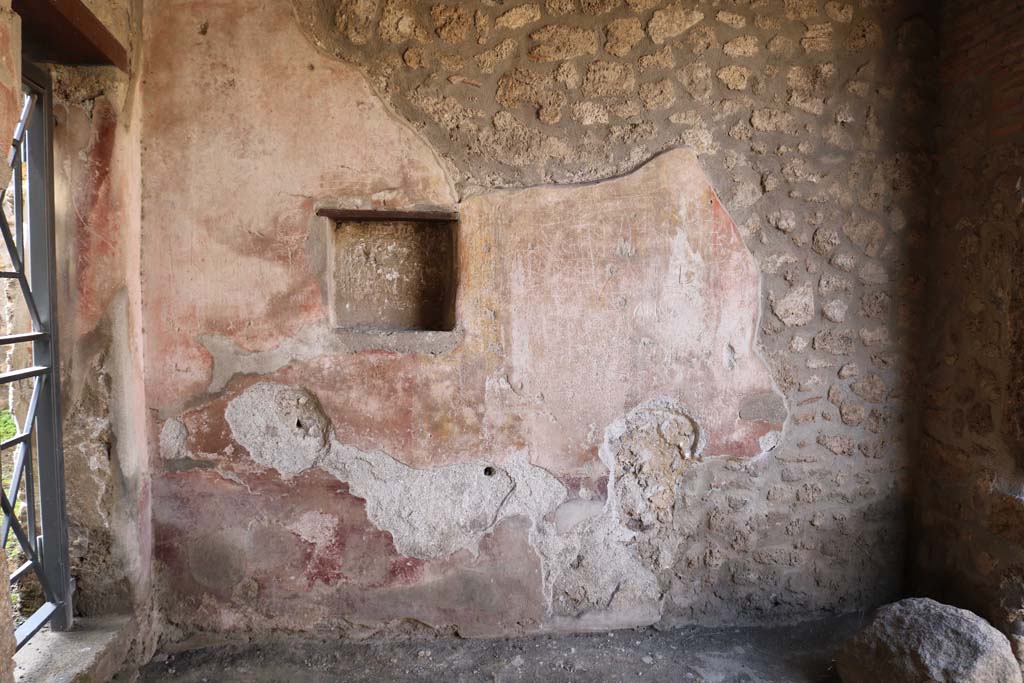
I.11.7 Pompeii. December 2018.
West wall of the shop with niche, and doorway to I.11.6 in south wall, on left. Photo courtesy of Aude Durand.
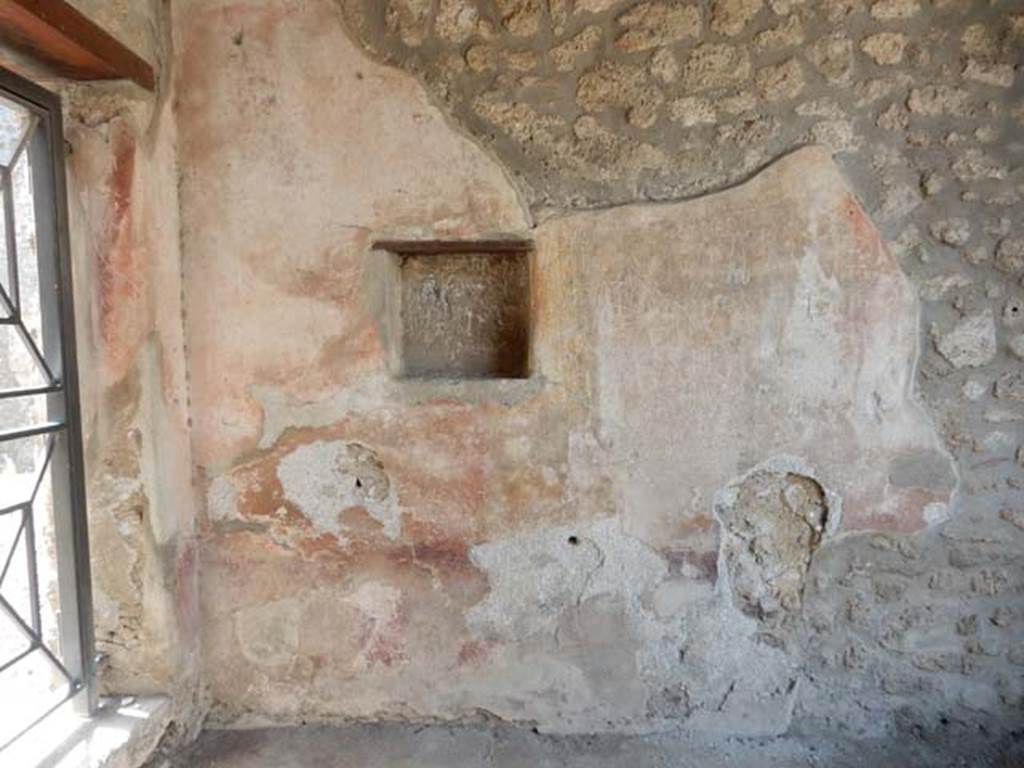
I.11.7 Pompeii. May 2015. West wall of the shop with niche and doorway to I.11.6 in south wall. Photo courtesy of Buzz Ferebee.
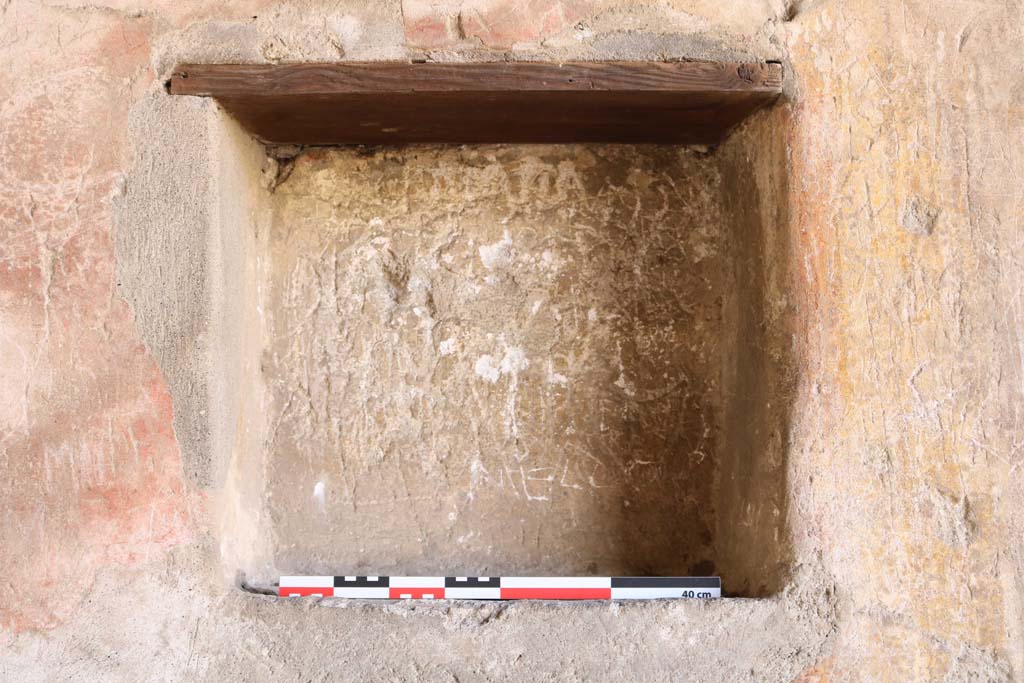
I.11.7 Pompeii.
December 2018. Square niche in west wall. Photo courtesy of Aude Durand.
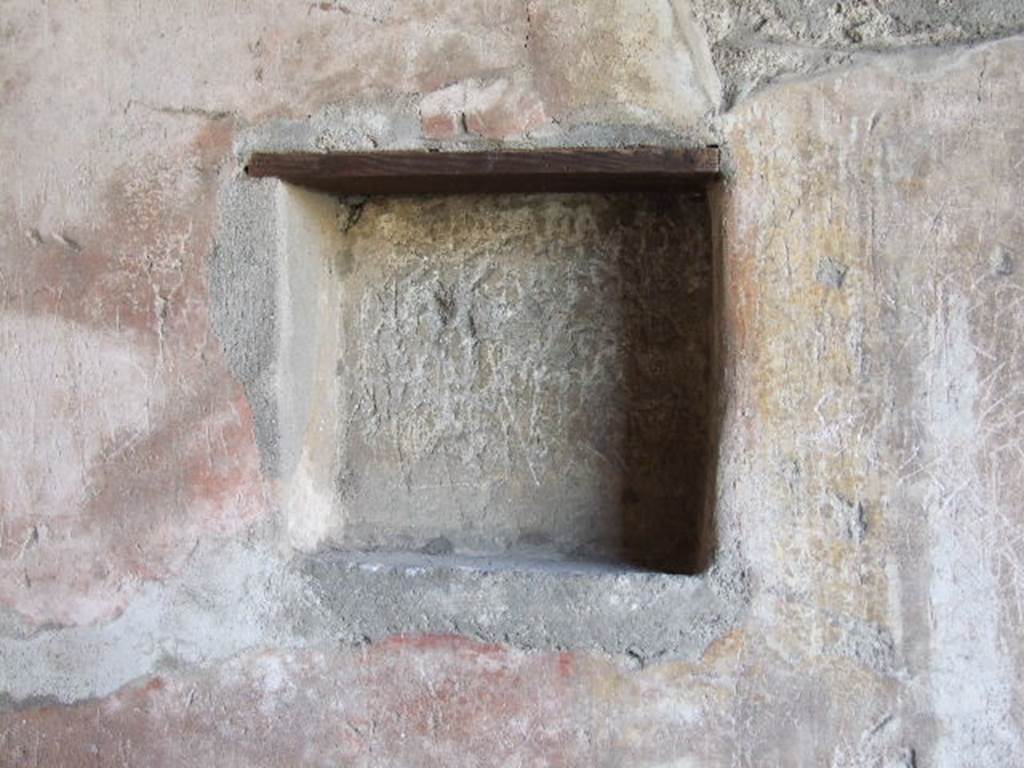
I.11.7 Pompeii.
December 2006. Niche in west wall.
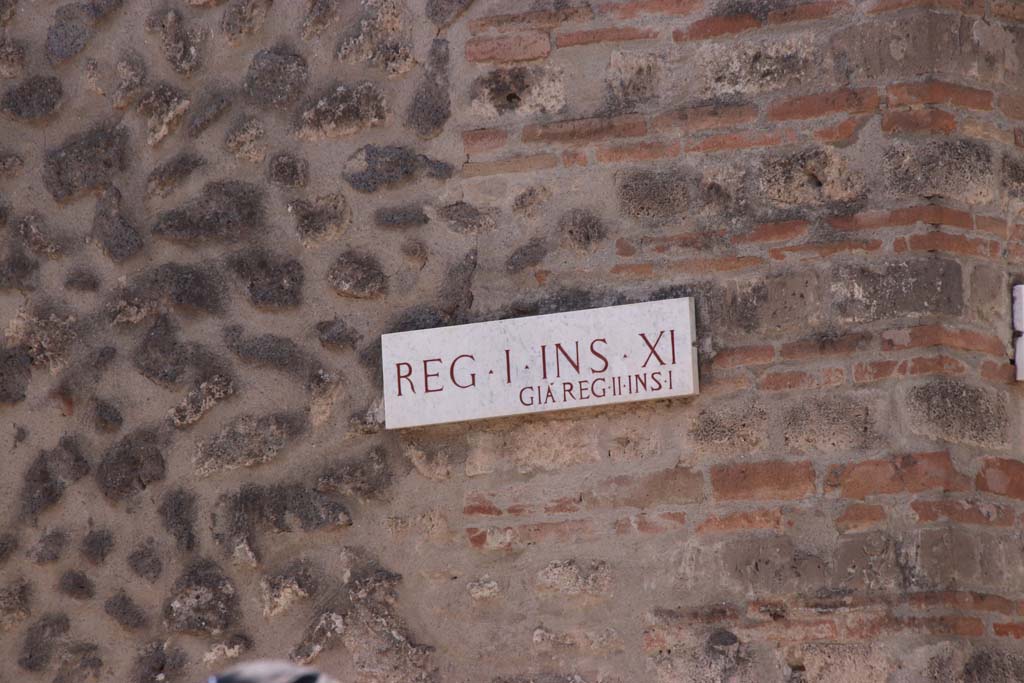
I.11.7 Pompeii, west
side wall in Vicolo della Nave Europa. September 2019.
Insula identification
plaque, Reg. I. Ins. X1, previously known as Reg. II, Ins. 1.
Photo courtesy of Klaus Heese.
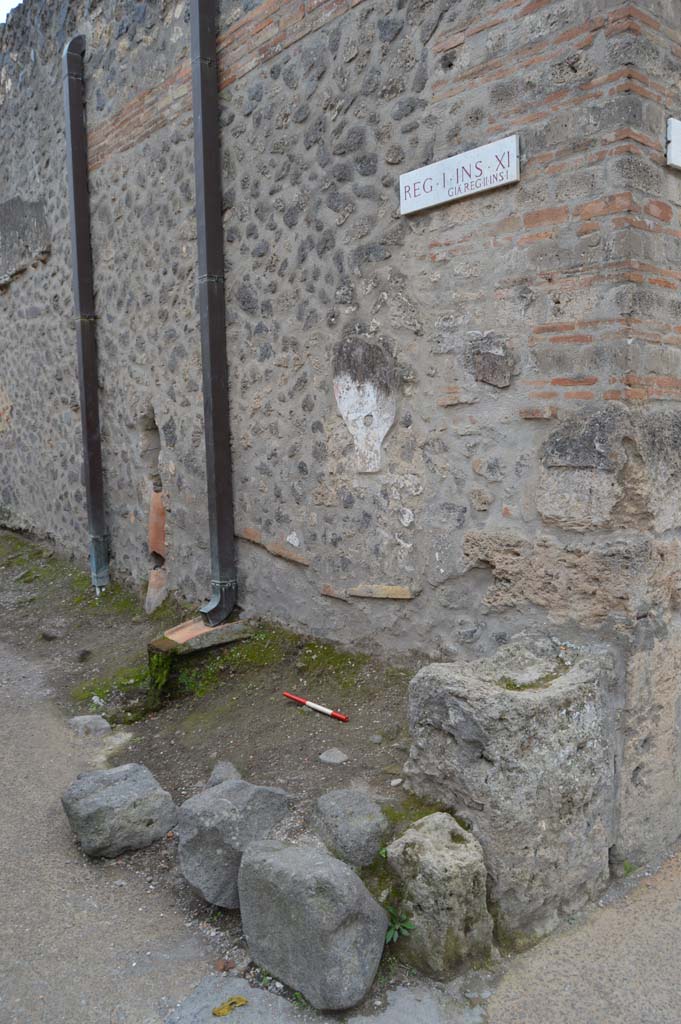
I.11.7 Pompeii. October 2018. Street
altar on north-east corner of insula.
Foto Taylor Lauritsen, ERC
Grant 681269 DÉCOR.
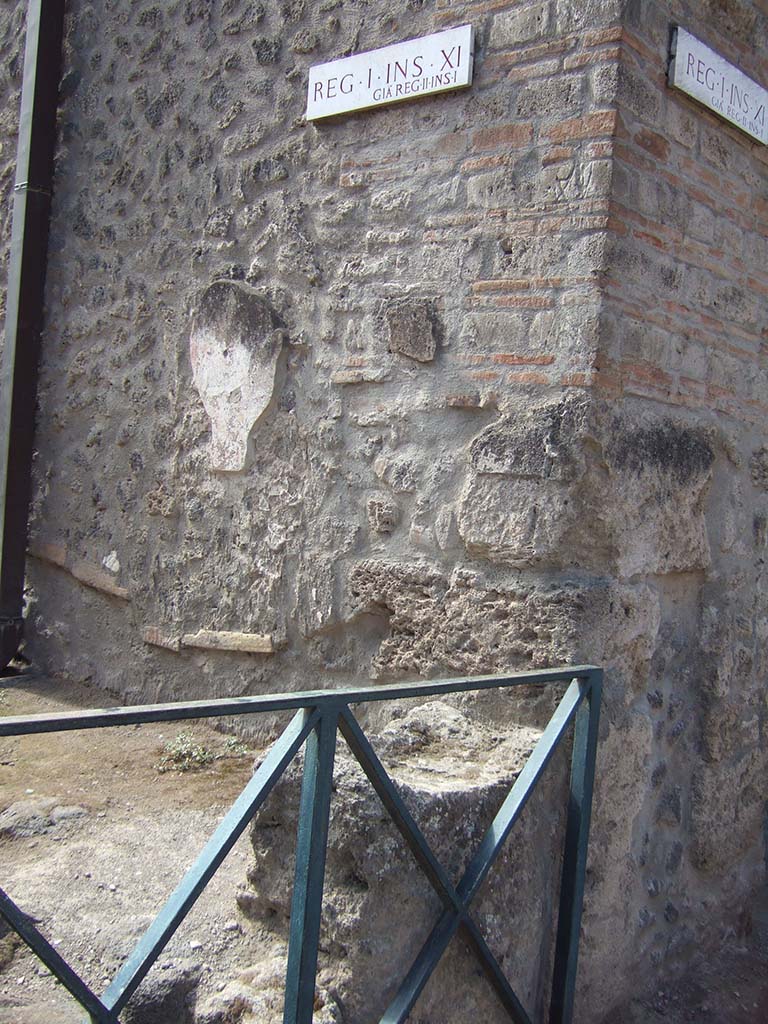
I.11.7 Pompeii. September 2005. Street altar on north-east corner of insula.
According to Della Corte, because of the poor state of the sacred painting when it was found, he could not know to which divinity it was dedicated.
See Della Corte,
M., 1965. Case ed Abitanti di Pompei.
Napoli: Fausto Fiorentino. (p. 343-4).
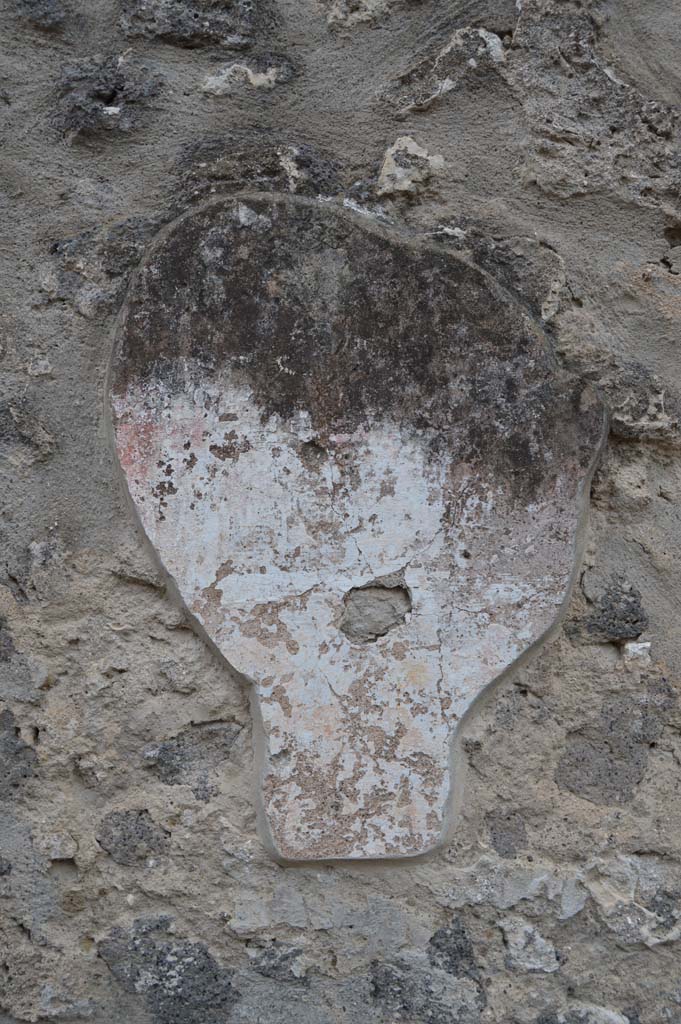
I.11.7 Pompeii. October 2018. Detail of
remaining stucco on wall to south of street altar.
Foto Taylor Lauritsen, ERC
Grant 681269 DÉCOR.
![I.11.7 Pompeii. Above the painting were found traces of names of Vicomagistri in black, enclosed in two rectangles, the outer one black and the inner one red.
Primigenius Caeseti(a)es ( = Caesetiae, sc. servus) Stab[ia]nus;
N. Maro. Chius C ... Primigeni ... (??)
See Notizie degli Scavi di Antichità, 1913, p.478-9, Fig 2.
According to Epigraphik-Datenbank Clauss/Slaby (See www.manfredclauss.de), these read as –
Primigenius Caeseti(a)es Stalbnus
N(umerius) Maro(nis) Chius C(ai) Viri Primigeni [CIL IV 7425]
According to Cooley, written in charcoal, were the names of the local district officials, or more probably their attendants, in charge of the cult. Below the text were pictures relating to the cult, with 2 snakes below, and 2 Lares above with drinking cups next to a figure sacrificing. Its excavators could discern 5 layers of painting, showing that the shrine’s painting was renewed over a period of some years. On the upper surface of the altar itself were found considerable quantities of ash and wood, perhaps the remnants of burnt offerings.
She translated CIL IV 7425 as –
“Primigenius, slave of Caesetia; Stalbnus, slave of Numerius Maro; Chius, slave of Gaius Virius Primigenius”.
See Cooley, A. and M.G.L., 2004. Pompeii: A Sourcebook. London: Routledge. (p.108)](1%2011%2007_files/image028.jpg)
I.11.7 Pompeii. Above the painting were found traces of names of Vicomagistri in black, enclosed in two rectangles, the outer one black and the inner one red.
Primigenius
Caeseti(a)es ( = Caesetiae, sc. servus) Stab[ia]nus;
N. Maro. Chius C
... Primigeni ... (??)
See Notizie degli Scavi di Antichità, 1913,
p.478-9, Fig 2.
According to Epigraphik-Datenbank Clauss/Slaby (See www.manfredclauss.de), these read as –
Primigenius
Caeseti(a)es Stalbnus
N(umerius)
Maro(nis) Chius C(ai) Viri Primigeni
[CIL IV 7425]
According to Cooley, written in charcoal, were the names of the local district officials, or more probably their attendants, in charge of the cult. Below the text were pictures relating to the cult, with 2 snakes below, and 2 Lares above with drinking cups next to a figure sacrificing. Its excavators could discern 5 layers of painting, showing that the shrine’s painting was renewed over a period of some years. On the upper surface of the altar itself were found considerable quantities of ash and wood, perhaps the remnants of burnt offerings.
She translated CIL IV 7425 as –
“Primigenius, slave of Caesetia; Stalbnus, slave of Numerius Maro; Chius, slave of Gaius Virius Primigenius”.
See Cooley, A. and M.G.L., 2004. Pompeii: A Sourcebook. London: Routledge. (p.108)
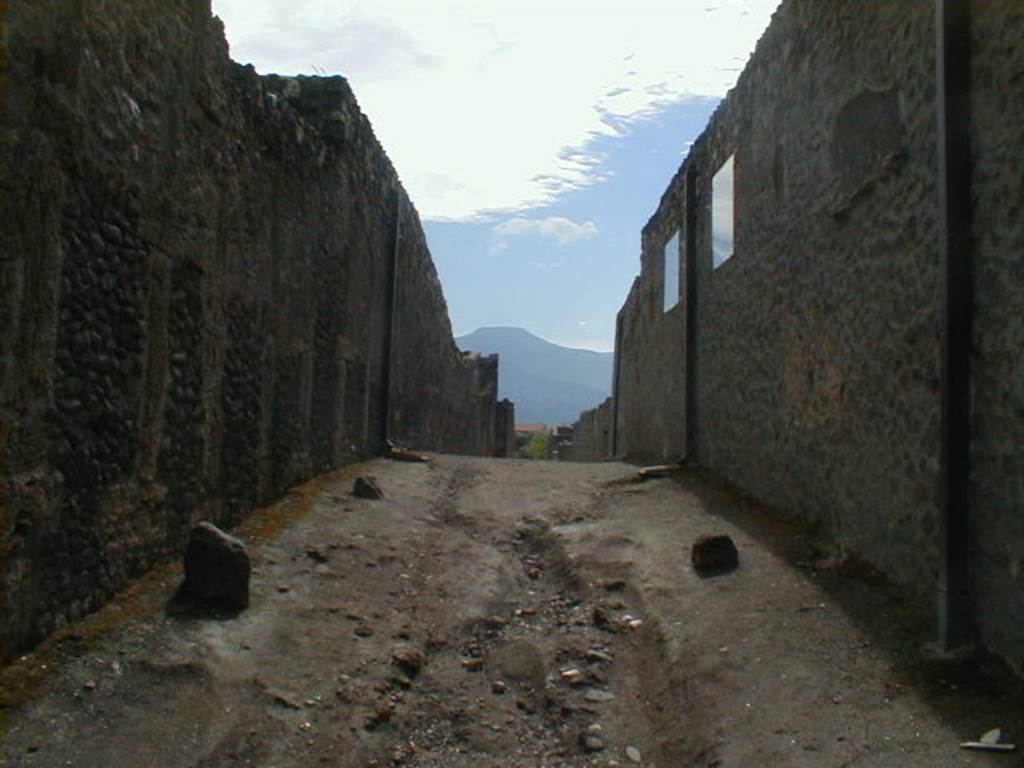
I.12 Pompeii, on left. September 2005. Vicolo della Nave Europa, roadway, looking south. Side wall of I.11.7/6, on right.